
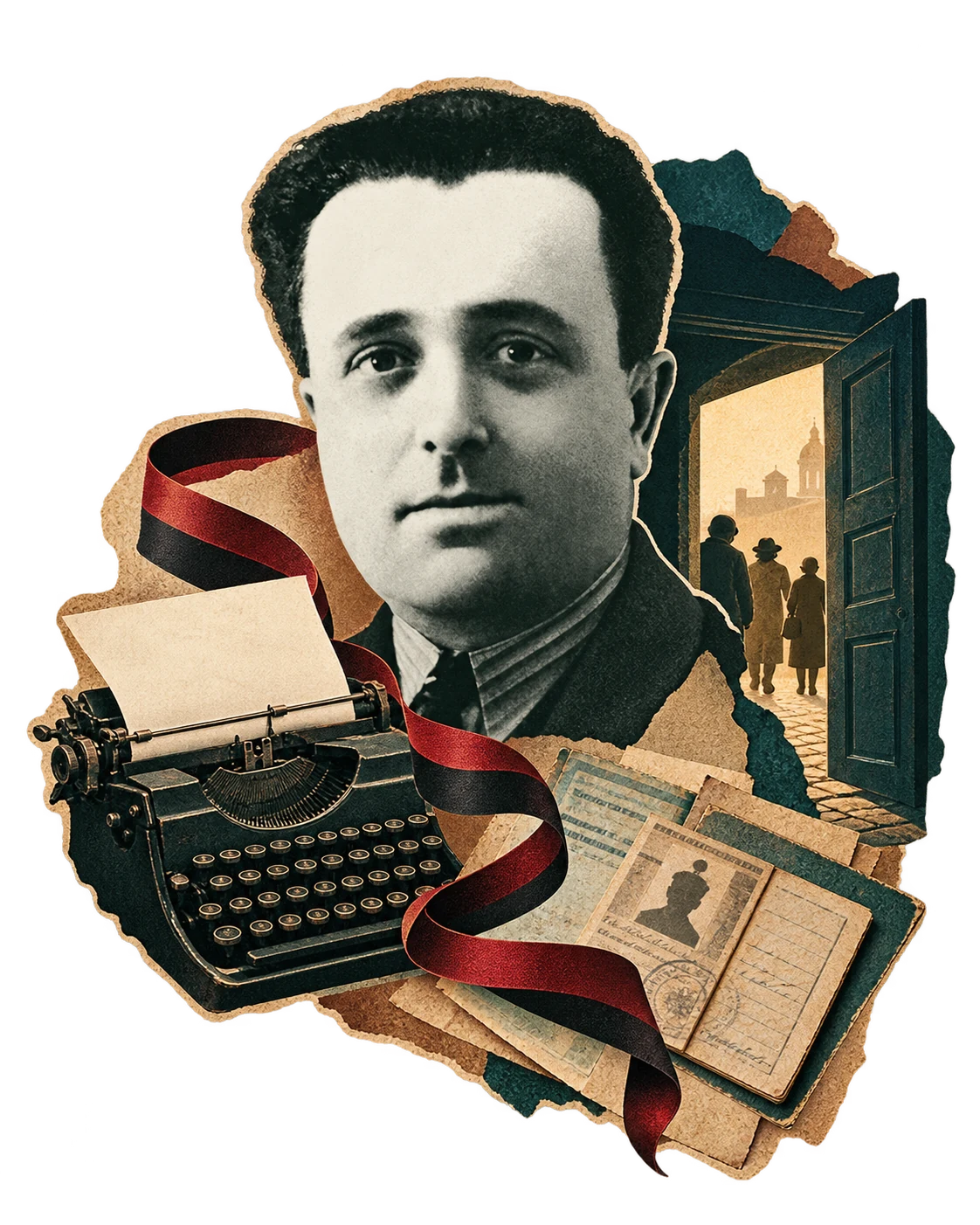
"The Italian Oskar Schindler." A Righteous Among the Nations who died saving Jews during the Holocaust and became a martyr beatified by the Church.
During World War II, anyone who helped Jews put their own life and the lives of their family members at risk. This was true of Odoardo Focherini, who paid with his life for helping Jews. He was therefore named a Righteous Among the Nations and recognized by the Church as a martyr.
Family, Volunteering and Journalism
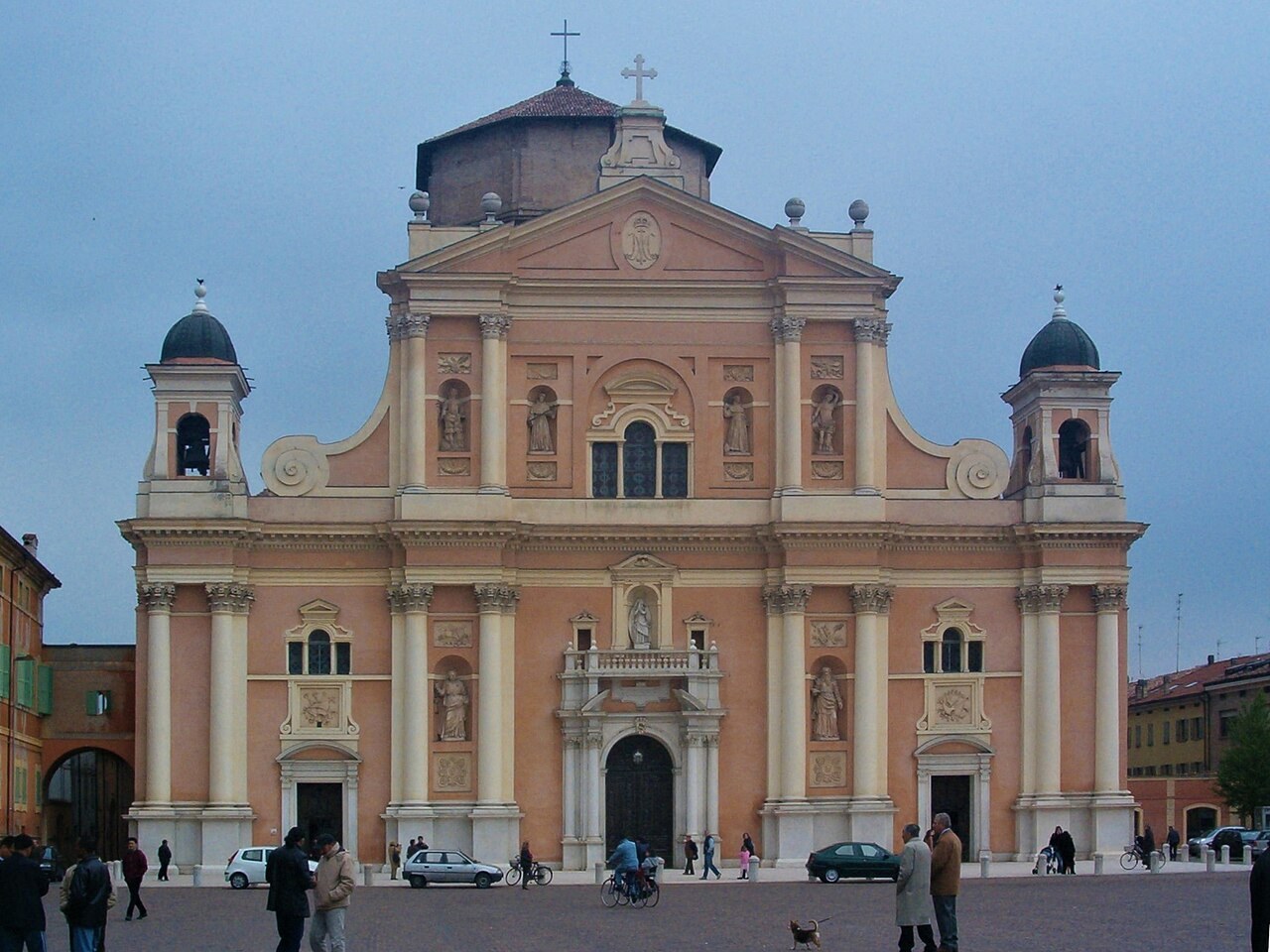
Odoardo Focherini was born in 1907 in the town of Carpi in northern Italy, to a well-regarded Catholic family. At just 17, he began taking part in volunteer work on behalf of orphans. That same year, he helped initiate and establish L'Aspirante, the first Catholic children's newspaper. He met Maria while on vacation in Trento, in northern Italy. Sharing the same Catholic faith and values, they fell in love, married in 1930, and had seven children.
Focherini earned his living as an inspector for Verona's Catholic insurance company, and devoted his free time to church activities. He founded a cycling club and promoted the Scout movement in Carpi. It seemed that work was his hobby, while his volunteer activities in the community were his official job.
In 1939, he was appointed administrative director of the newspaper L'Avvenire d'Italia, whose offices were in Bologna. The year before, the Jewish journalist Giacomo Lampronti had joined the newspaper's staff. He had been fired from his previous job because he was Jewish, and the two became close friends.
Saving Jews and Smuggling
Focherini knew about Nazi Germany's actions in Europe, and particularly in Italy, which had adopted racial laws as early as 1938 and restricted the rights of Jews. Later, the Italian government began persecuting Jews and handing them over to the Nazis. He decided to help Jews, despite knowing that he was putting his life and his family's lives at risk. Cardinal Pietro Boetto asked Raimondo Manzini, the newspaper's editor in chief, to help Jews who had fled Poland, and Manzini asked Focherini to take on the task. In 1942, when Jewish refugees from Poland arrived in Genoa, Focherini was appalled by their condition and shared with his wife his doubts about taking the risk of helping them. She supported him, and he arranged forged documents for them and smuggled them into Switzerland. The following year, he arranged forged documents for the family of his friend Giacomo Lampronti and managed to smuggle him and his family out of Italy, away from the tyrannical fascist rule of Benito Mussolini, Hitler's close ally.
Focherini and his loyal friend Don Dante Sala, the parish priest of San Martino, who would later also be recognized as a Righteous Among the Nations, established a network of document forgers who supplied him with blank identity cards. He forged German Aryan names on them and attached the refugees' photographs. Focherini and Sala drove Jews to the Swiss border, where smugglers helped them reach safety. Focherini looked after the refugees until they crossed Italy's borders and found them shelter in Catholic institutions and monasteries. To do this, he traveled back and forth between most of Italy's cities and managed to save 105 Jews.
One of the daily newspapers in Modena collaborated with the authorities and began informing on Jews. Anyone whose name appeared in the paper was in real danger. Focherini helped the Jewish community bribe the newspaper's editor so that he would not publish their names or inform on those who had found a hiding place.
Imprisonment and Recognition
In March 1944, Focherini managed to save the brother of his Jewish journalist friend Giacomo Lampronti, Dr. Donati Lampronti. Dr. Lampronti feigned an illness requiring surgery in Capri, and from there managed to escape to Milan and cross the border into Switzerland. After this operation, the smuggling network was exposed, and the Nazis arrested Focherini and Sala. The priest was released, while Focherini was taken to Monte Prison in Bologna, where he was held without trial.
His brother-in-law, who visited him in prison, said to him: "Be careful, perhaps you're exposing yourself too much. Don't you think about your children?" Odoardo Focherini replied: "If you could see what I've seen in this prison and all the suffering inflicted on the Jews, the only thing you would regret would be not having done enough for them and not having saved more of them." These words are commemorated on a wall at the Historical Museum in Carpi.
From Monte Prison, Odoardo Focherini was transferred to the Fossoli concentration camp. During his time in the camp, he managed to smuggle 166 letters to his family (the letters were collected in a book published in 1994). In them, he described his hardships, how deeply he longed for his wife and children, and how worried he was that he had left them alone in a difficult situation. In September 1944, after passing through several concentration camps, he arrived at the Hersbruck camp, north of Hamburg, where he died at the age of 37.
Before his death, he managed to write two letters: "To my seven children... I would like to see them before I die... However, accept this sacrifice too, Lord, and protect them, together with my wife, my parents, and all my loved ones."
He also wrote: "I declare that I die in the purest Catholic faith and in complete surrender to God's will, offering my life as a lamb for my diocese, for Catholic Action, for the Pope, and for the return of peace to the world. I beg you to tell my wife that I was always faithful to her, always thought of her, and always loved her very much."
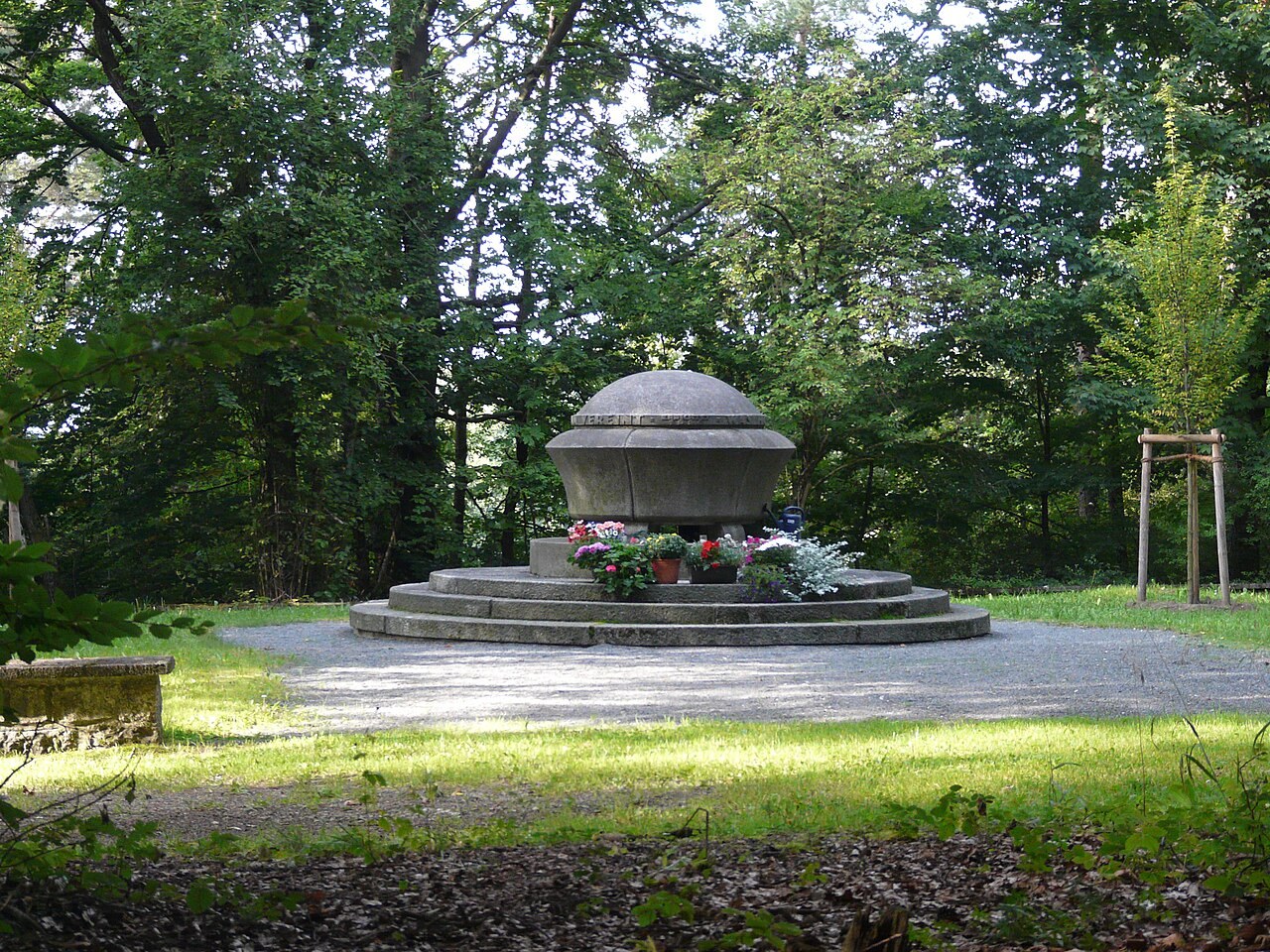
Only on Christmas Eve, six months after he died, did his family receive the devastating news. Odoardo's body was never found, but his wedding ring, which he had managed to hide from the Nazis, was smuggled out of the prison and given to his wife.
His friend, the journalist Giacomo Lampronti, who continued smuggling Jews even after Focherini was arrested, survived the Holocaust and wrote a book about Focherini and his rescue efforts, My Brother Odoardo (Mio Fratello Odoardo). One of Focherini's grandchildren recounted: "One of the Jews he saved said, 'We are Odoardo Focherini's miracles.' They always saw him as their savior and angel."
In 1996, the Catholic Church began the process of recognizing him as a martyr. The process concluded in June 2013 in Piazza Martiri in Carpi, where the official beatification ceremony was held, presided over by Cardinal Angelo Amato. He said of Focherini: "An unforgettable example of a good Christian, which remains important to the Church even today. This testimony of light and courage reminds everyone of a man who, like Jesus, sacrificed himself to save his brothers."
In 1968, Odoardo Focherini and the priest Don Dante Sala were recognized as Righteous Among the Nations.
In 1955, Focherini was awarded the Gold Medal of the Union of Italian Jewish Communities. The medal was presented to his wife, and at the grand ceremony it was said: "For a long period, Focherini worked tirelessly to help Jews, and especially to save those who were persecuted... Focherini's memory and his love of life will not be forgotten, and that memory will continue to be a source of inspiration for future generations. Focherini was a courageous man with noble values and principles, who paid with his life for his ideals."
Four streets in municipalities in the province of Modena, as well as a high school and an elementary school, were named after Odoardo Focherini.
תגובות
עדיין אין תגובות.