
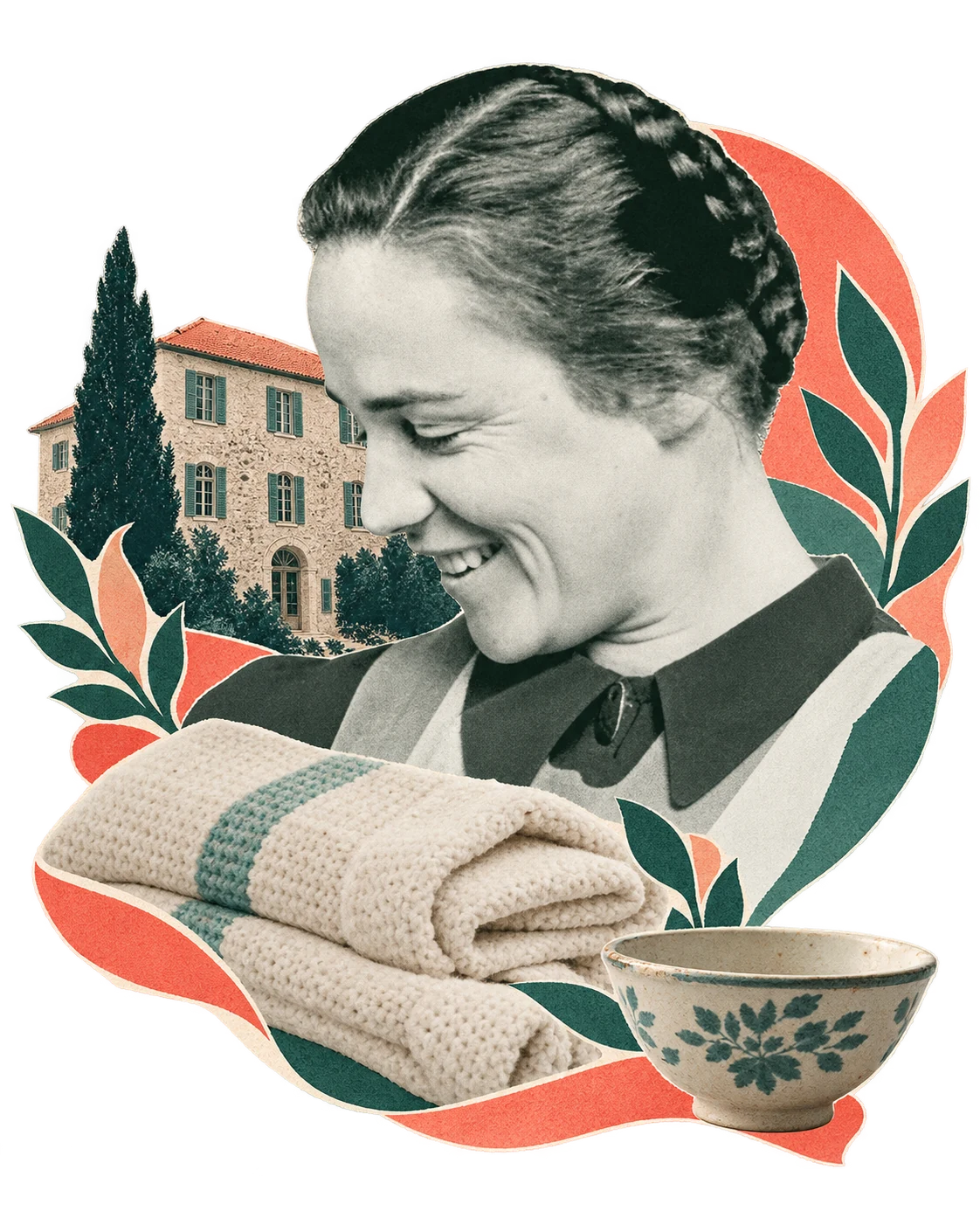
Born in Switzerland, she studied in Denmark, took part in the Spanish Civil War, saved babies in France, and rescued Jewish children from the Nazi oppressor...
The Spanish Civil War (1936-1939) was the last war in Europe before World War II. In 1931, Alfonso XIII, Spain's last king, was deposed. The 439-year rule of the Spanish royal family came to an end, and the Democratic Republic of Spain was born. Because this democracy nationalized land and abolished the special status of Spain's nobility, clashes broke out across Spain. In February 1936, the left came to power by a narrow majority, and in July of that year, with the support of the Church and large sections of the Spanish army, the Spanish right rebelled under the leadership of the dismissed chief of staff, Francisco Franco. Hitler and Mussolini joined the rebels. This was the beginning of the most brutal civil war in Europe. Idealistic young people enlisted and came from around the world: Communists from Germany, anti-fascists from Italy, socialists from England, intellectuals from France, South American revolutionaries, and even Israeli pioneers.
Franco asked Hitler for help, and on July 27 the first airlift in history began, from Germany to Spain. The German air force saw it as an opportunity to train and bombed Madrid. Stalin also joined the campaign and began sending supplies to the Communist forces. In the spring of 1937, the Nazis bombed the city of Guernica and razed it to the ground. (Pablo Picasso commemorated the event in his monumental painting Guernica.) The French, under Léon Blum, opened their southern border to supplies for their Spanish counterparts, and the flow of refugees and deserters from Spain to France grew to about half a million. In March 1939, the war ended with General Franco's victory, and Spain became a fascist state. Six months later, in September 1939, World War II broke out.
Elizabeth Eidenbenz Arrives in Spain
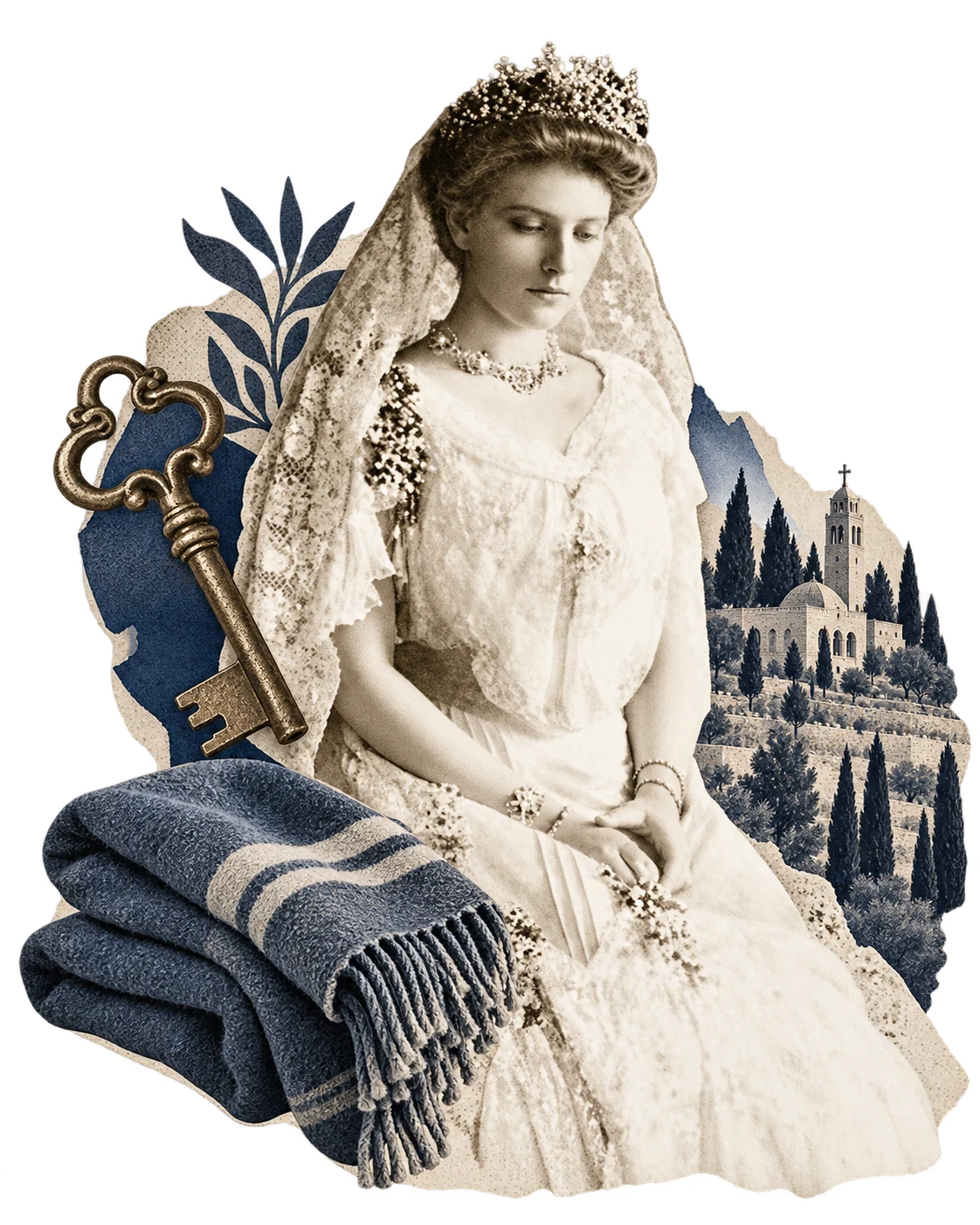
Elizabeth Eidenbenz was born in Switzerland in 1913. She studied to become a teacher and worked as a teacher in Switzerland and Denmark. Swept up in the revolutionary spirit, she arrived in Madrid in April 1937 as a volunteer with the Association for Aid to Children in War (Asociación de Ayuda a los Niños en Guerra). Sixty-eight years later, when Assumpta Montellà's book about Eidenbenz's life was published, it included Eidenbenz's account: "The first questions he (the author) asked me surprised me because no one had ever asked me before, and I had never even thought about them myself. He asked me if I had been happy as a child, what my family was like. I must have been looking for some reason or motivation in my roots to explain my years of dedication to the Association for Aid to Children in War. The second question was what I had said to my parents so they would understand that I, only twenty-five years old, could go alone to a country at war like Spain in 1937. I thought time had passed very quickly and that my youth was too far behind me for Assumpta to understand that I, too, had dreams and ideals... In early September 1936, I was part of the Swiss social movements that watched the destruction of Spain's civilian population, victims of Franco's bombing. They were the first flashes announcing the fascist storm that would spread across Europe three years later."
...The situation of women and children in bombed Madrid was terrible. They lacked food, medical assistance, and transportation for the sick... What could be done? How could one act without becoming involved in the partisan interests of the conflict? Rodolfo Olgiati, then secretary of the Swiss delegation's International Civil Service and later secretary general of the Swiss Red Cross, traveled to Republican Spain in January 1937 and met with representatives of the Republican government, English Quakers, and various international aid organizations. Franco's representatives rejected all foreign aid to the occupied territory. Rodolfo Olgiati therefore made assisting with the evacuation of civilians from the Madrid, Valencia, and Catalonia regions a priority. Meanwhile, in Switzerland, many organizations came together to prepare a joint effort to help Spain: Swiss Workers' Relief, the Swiss Health Center, a group of doctors and nurses, a group of professors, and other organizations with social aims, which later formed Swiss Aid to the Children of Spain. We organized a huge collection of food, clothing, shoes, and money to buy everyday items such as soap, books, and writing materials. We filled four trucks with all the supplies, and they arrived in Spain on April 24, 1937, together with volunteers like me. But we still had two more years of war and destruction ahead of us."
With the defeat of the Republicans, many of them streamed into southern France, especially Roussillon, which came to be known as "Northern Catalonia." Elizabeth moved to southern France and met some of the refugees, many of whom later died of malnutrition or disease.
The Maternity Home in Elne
In May 1940, in a blitzkrieg that lasted six weeks, the Germans occupied large parts of France. On July 10, the Vichy government was established, with Marshal Henri Philippe Pétain at its head; Vichy was the capital of the occupied part of France. Five hundred kilometers south of Vichy, in the town of Elne, stood an abandoned, ruined mansion that Elizabeth Eidenbenz, with the help of volunteers, turned into a maternity hospital and ran.
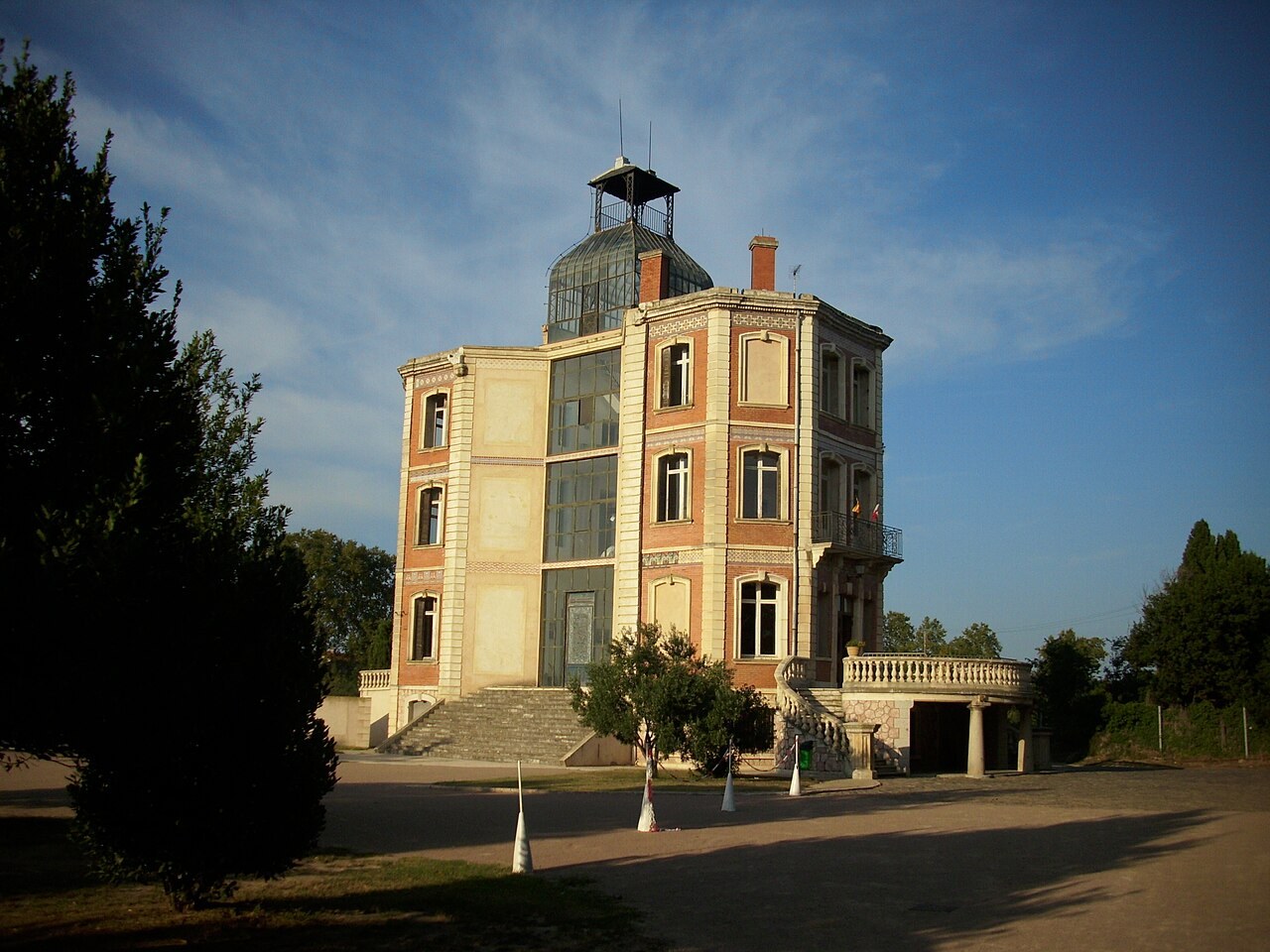
The maternity hospital operated from 1939 to 1944 with the help of donations from Europe. When World War II broke out, the donations stopped and the flow of refugees increased. Most of the refugees were Jewish women fleeing the terror of the Nazi oppressor. Since the maternity hospital was in Vichy territory, the government forced the group led by Elizabeth Eidenbenz to join the Red Cross and maintain neutrality. This meant withdrawing protection from political refugees, most of whom were Jews. Elizabeth Eidenbenz ignored the demand and concealed their identities.
Despite her efforts, the Nazis succeeded in closing the place in 1944. Elizabeth recalled those days with immense pride: "That place was an island of peace in the middle of hell. It was like a bubble of oxygen, needed to recover and carry on living, perhaps in another country or under different circumstances, if one returned home, but to carry on in any case... We did our work day after day, without thinking beyond the most immediate material and humanitarian needs. But with the perspective that time gives me, I think of the 597 children who were born, who survived, who grew into adults and started families of their own. And now, sixty-five years later, I see the importance of that work."
During the hospital's five years of operation, Elizabeth saved more than a thousand people and, more than that, restored hope to those who saw a dark, hopeless future on the horizon. Among the survivors were about 600 Spanish children and about 200 Jewish children from across Europe. Many of the children born at the hospital were given names inspired by the people who protected them.
Guy Eckstein was one of the children born in Elne in October 1941, and his birth certificate was decorated with a Star of David. His parents were Polish Jews who fled in 1940, intending to reach Spain, but were stopped in Perpignan, near Elne. His mother gave birth at Elizabeth's maternity hospital and stayed there for several months with her baby. When the Gestapo forces drew near, the Eckstein family fled to Le Thor, where a farming couple opened their home to them and hid Guy's father in a barn until the liberation. Guy and his mother lived out in the open until they learned that they were once again in danger of deportation. His mother contacted Elizabeth, who hid them: "It was normal; it was necessary to help the oppressed and those being persecuted," she said.
In December 2001, Elizabeth Eidenbenz was named Righteous Among the Nations, and in 2002 countries around the world began to recognize her work. Several books were published about the maternity hospital she ran. At Easter 2002, around sixty survivors gathered to honor "La Senyoreta" (the lady), the nickname Elizabeth had been given by the survivors. That same year, she was also made an honorary citizen of the city of Elne. In 2006, the government of Catalonia awarded her the Cross of Saint George, and in 2007 she received the Star of the Legion of Honour from the French government.
In May 2011, Elizabeth Eidenbenz died at the age of 97.
תגובות
עדיין אין תגובות.