
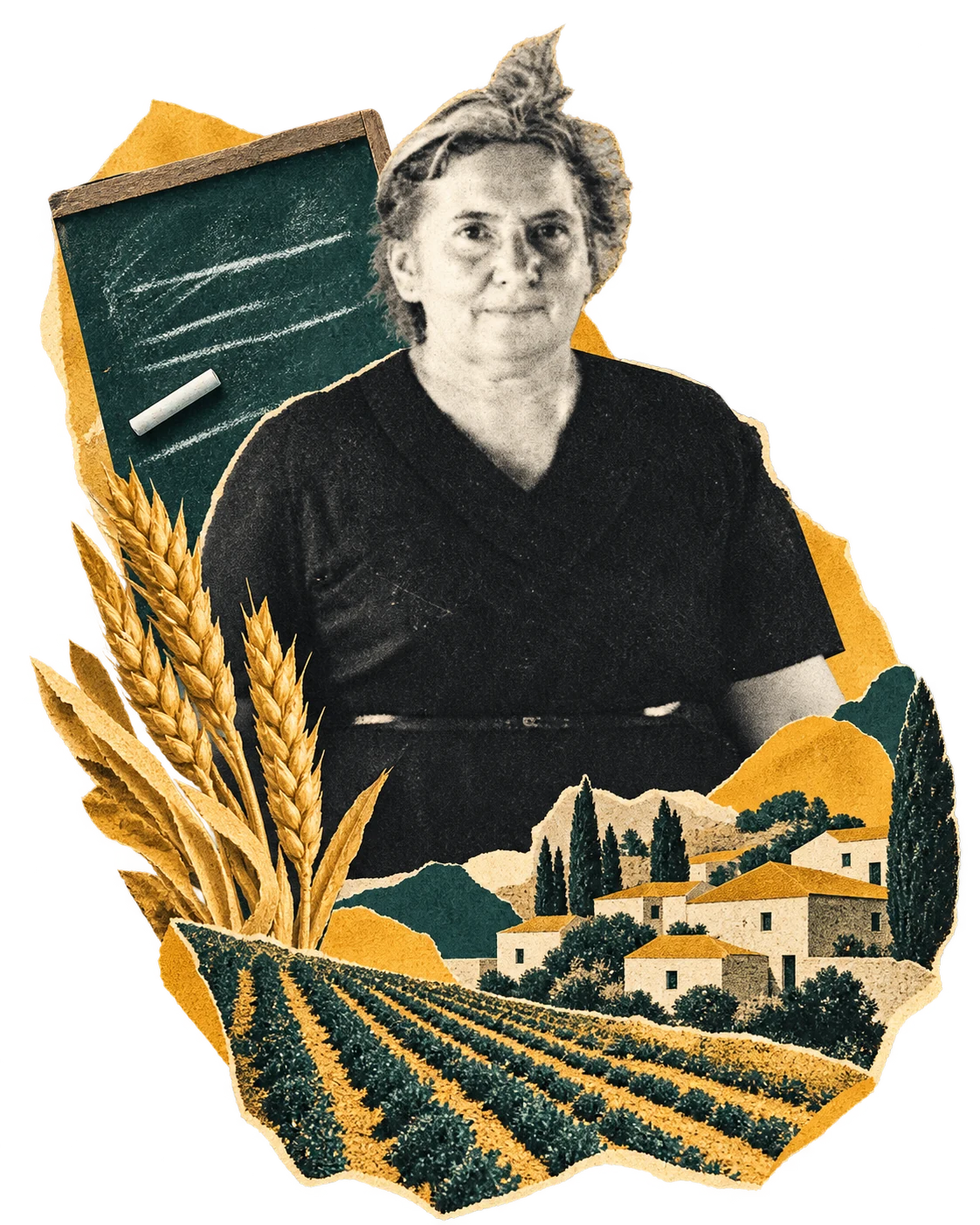
One of the founders of Kfar Bilu and one of the first women to apply the idea of "sacrifice" to women's military service. After losing both her sons, she helped establish settlements in the Lachish region.
One of the founders of Kfar Bilu and one of the first women to apply the idea of "sacrifice" to women's military service. After losing both her sons, she helped establish settlements in the Lachish region.
"The more people share in peace, the more of it there is for everyone..."
Family, Immigration, Sacrifice and Bereavement
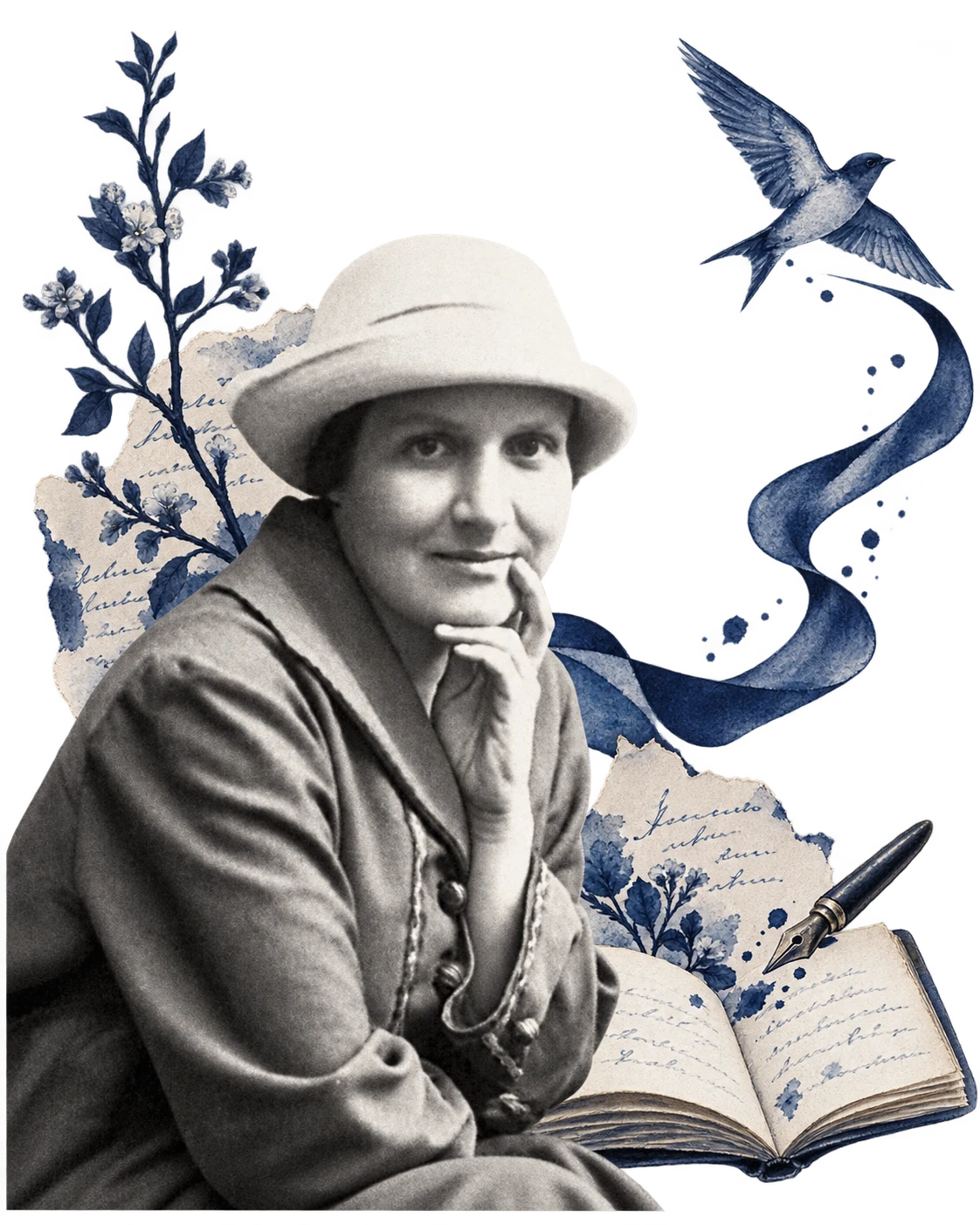
Rebecca Guber was born in Ukraine in 1902 to a deeply rooted Jewish farming family that had earned its living from the land for five generations. From childhood, Rebecca grew accustomed to grueling fieldwork. At 19, she married Mordechai Guber - a Torah scholar, Hebrew teacher, and agricultural instructor who would later be elected head of the Be'er Tuvia and Lachish regional councils. In the winter of 1921, Rebecca gave birth to her first daughter, but the baby died at six weeks old. After her daughter's death, Rebecca made a vow and said: "The pains of childbirth are not hard at all, and from now on I will always give birth joyfully."
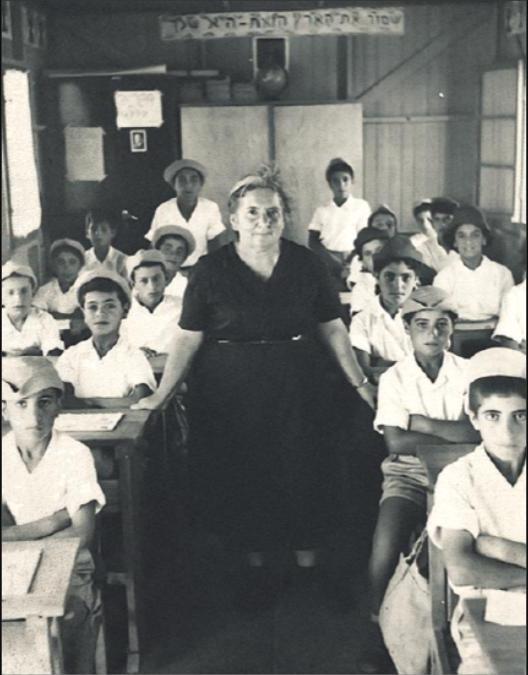
In 1925, Rebecca and Mordechai immigrated to Palestine and settled in the colony of Rehovot, where Rebecca worked as a teacher and gave birth to her two sons, Ephraim and Zvi. Ephraim was the fourth child born to her and the only one to live more than a few weeks. In her notes, Rebecca wrote: "Ephraim's birth began at eight in the morning and ended at ten at night. All that time, I did not utter a single groan, because that was my vow."
Rebecca and Mordechai Guber were among the founders of the moshav of Kfar Bilu, and later also established Kfar Warburg. During World War II, Rebecca followed the call of her heart, enlisted in the British Army, and served as a cook at the Sarafand camp (today's Tzrifin). She went on leave on weekends and was also given a week's leave every three months.
Rebecca was the first to bring the concept of "sacrifice" into discussions of women's enlistment, a concept until then associated exclusively with men. In her book "Only a Path," Rebecca described how she and her family were ostracized when she decided to enlist in the army, against the movement's position. About two years before the recruitment of women began, Guber wrote: "Who would believe me when I say that I am ready to sacrifice what is dearest to me, that I want to give what is dearest, for our freedom cannot be won at a cheap price." Rebecca did not see leaving her family as abandoning them, but as a mission.
In her April 1945 letter to her son Ephraim at the Italian front, she wrote: "...How else can one assess a person's character, if not by the weight of the duty they are willing to take upon themselves? ...We march together with all the good people!"
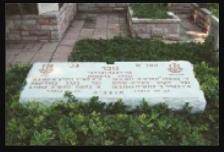
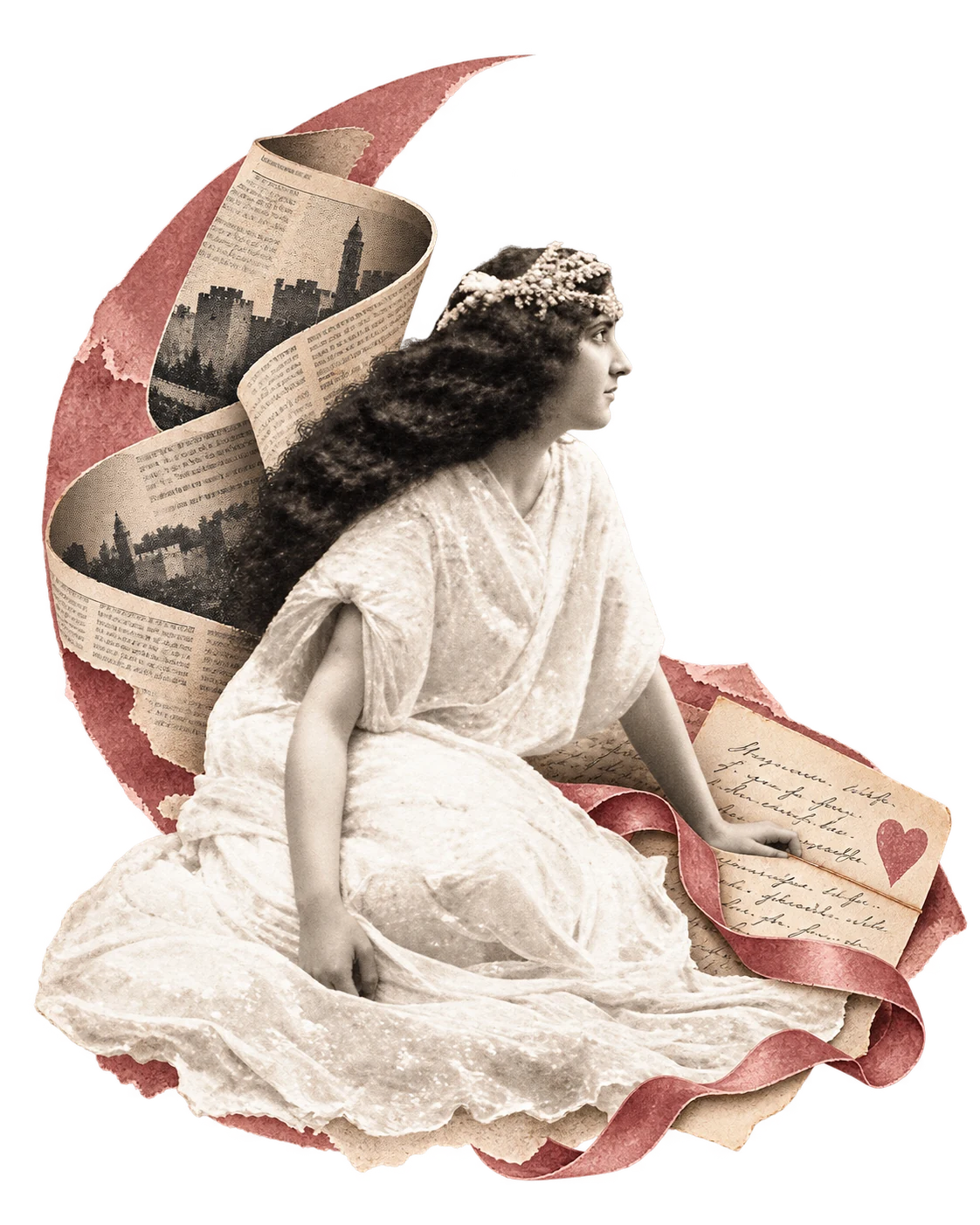
In the War of Independence, her son Ephraim fell. Two months later, his brother Zvi also fell in the Negev sands, on the land of Hulikat.
Of Zvi, who enlisted in the Palmach after his brother fell, she wrote: "When his elder brother fell, the younger could find no peace until he fulfilled his vow: 'Along the path where you met your death, I will go, even through suffering, even through pain, and even knowing clearly that it is my final path. In the sanctity of pain and the sanctity of my love for you, I swore to you. In the sanctity of all that is worth dying for.'"
She ended her words with: "When my son ascended as a whole burnt offering, in him we sacrificed two. I placed a trembling hand on his head and sent him to the slaughter; beside me, he poured out his soul unto death."
Recovery, Writing and Recognition
Bereavement did not weaken this remarkable woman. She organized the education system in the nearby immigrant transit camp of Kastina (Kiryat Malakhi) and ran the local school with a firm hand. During Operation Kadesh, she volunteered again. She donated her thriving farm in Kfar Warburg and moved south to the desolate Lachish region to build its infrastructure and establish the settlements that absorbed the wave of immigration and became an economic success.
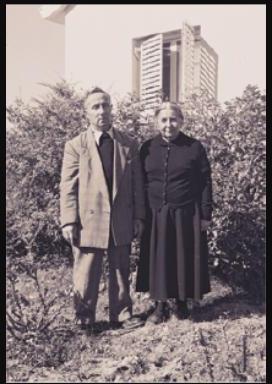
In their later years, Rebecca and Mordechai moved to the moshav of Kfar Ahim (named after their two sons), and, because of Mordechai's poor health, she moved into a retirement home in Tel Aviv.
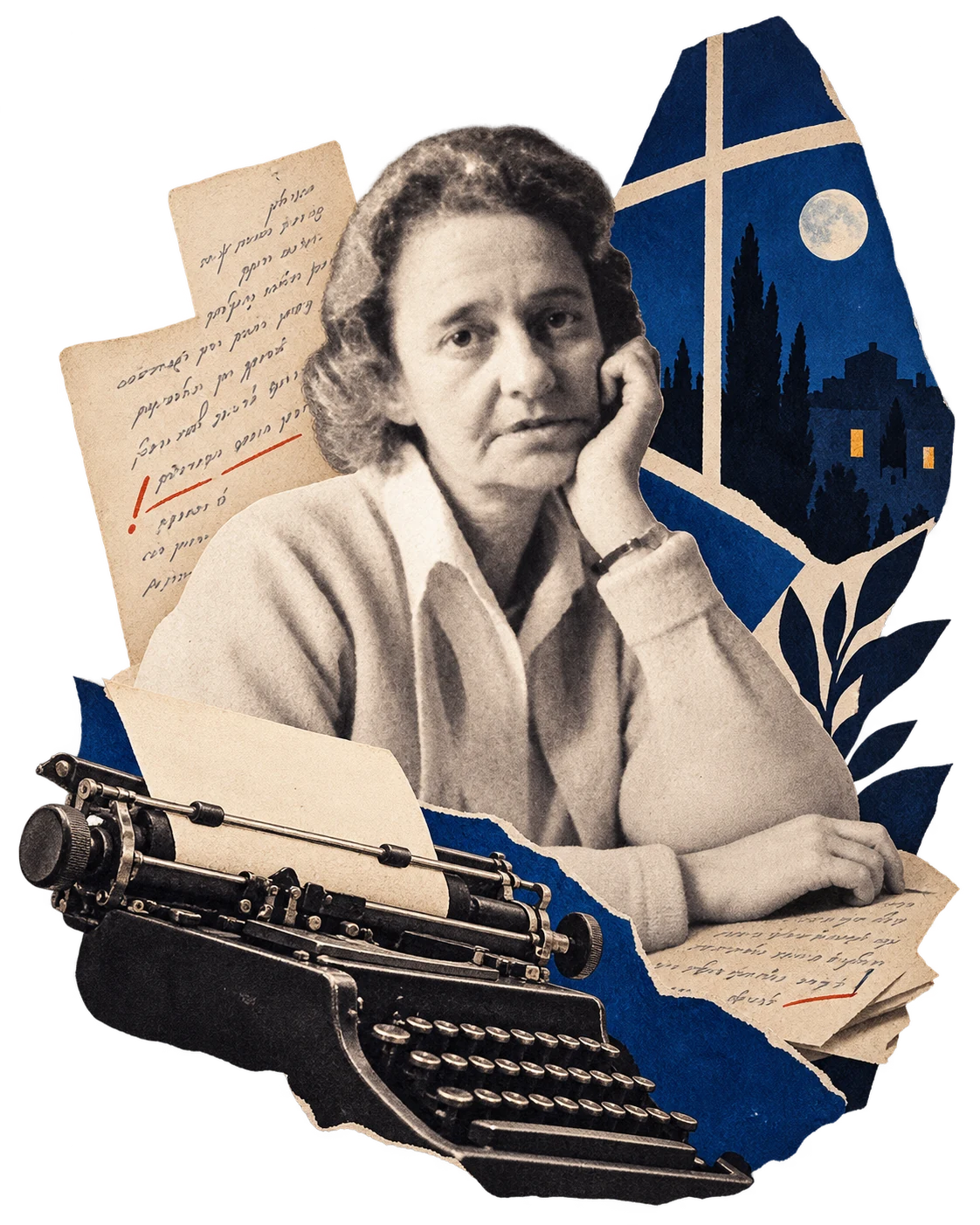
Rebecca's books "The Brothers"; "To the Beacons of Lachish"; "An Inheritance to Pass On"; "Only a Path"; and "And These Are the Generations of Kfar Ahim" were widely circulated and translated into many languages, including Japanese.
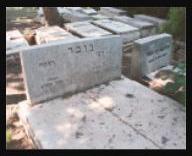
In 1976, Rebecca received the Israel Prize for her special contribution to society and the state. As a gesture of respect, she was invited by the prime minister at the time, Menachem Begin, to the signing ceremony of the peace treaty with Egypt at Camp David in March 1979. In September 1981, Rebecca took her own life by jumping from the balcony of her room on the 12th floor. She was 79 when she died. She left behind a daughter, Haya, and a young grandson.
תגובות
עדיין אין תגובות.