
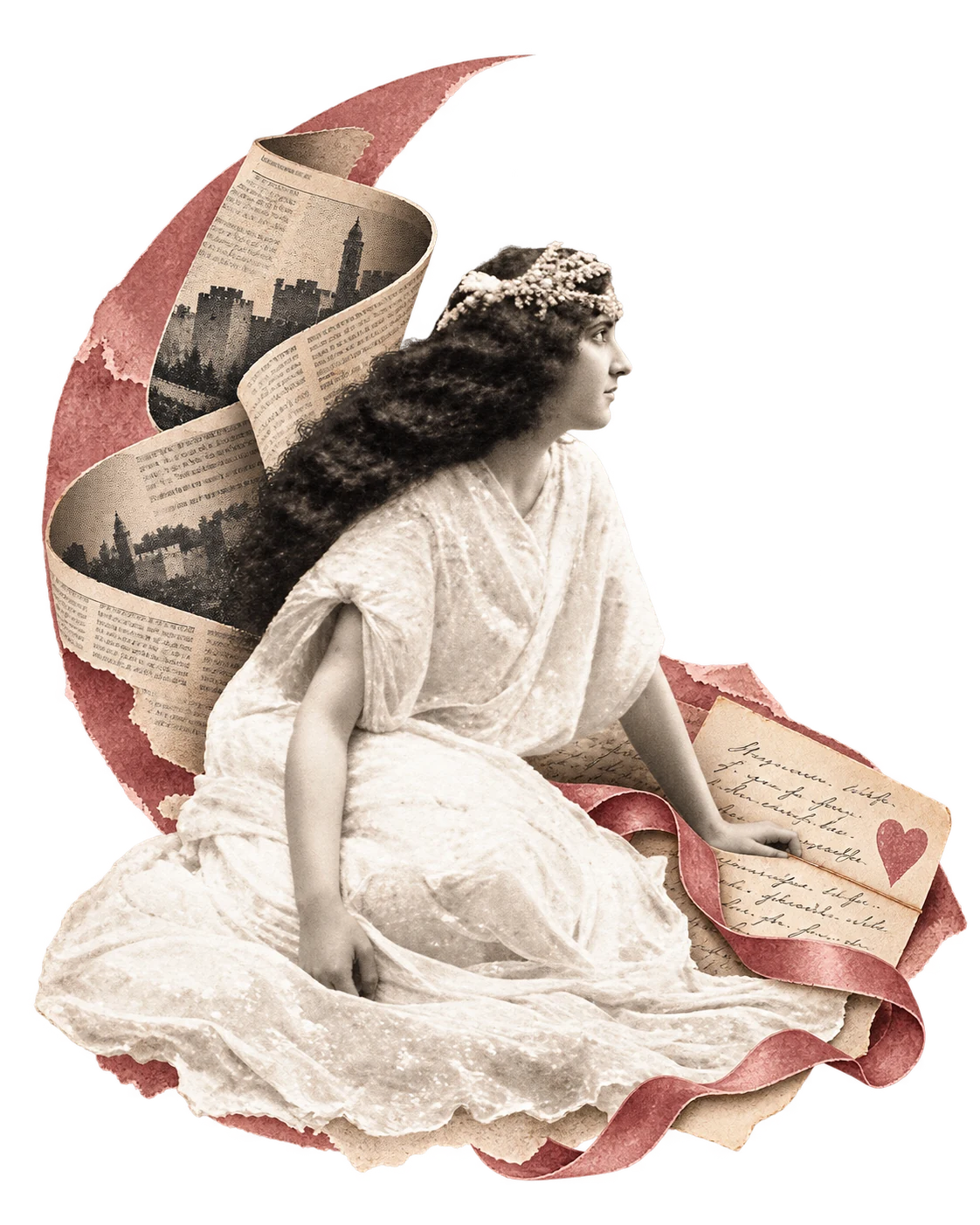
It was a love story that made headlines. A love story that stirred the whole city and is still etched in stone today. This is the story of the love between Leah Abushdid and Itamar Ben-Avi.
It was a love story that made headlines. A love story that stirred the whole city and is still etched in stone today. This is the story of the love between Leah Abushdid and Itamar Ben-Avi.
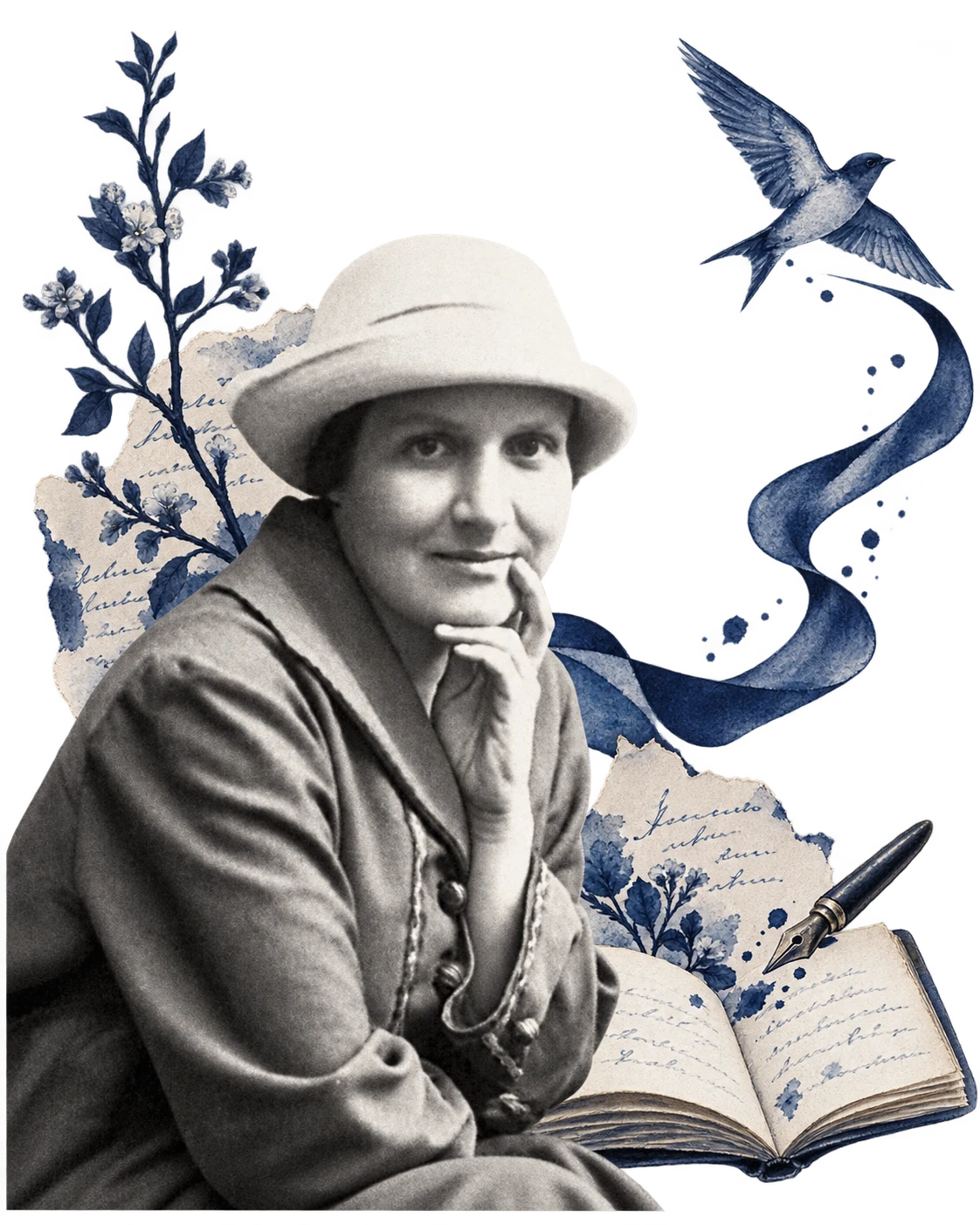
Leah Abushdid was born in 1889 in Jerusalem to a wealthy family that had immigrated from Morocco. She was the daughter of Rahamim and Reina, daughter of Rabbi Haim Nissim Baruch, who was head of the rabbinical court of the Sephardi community. Her elder brother, Abraham, was among the first doctors born in the Land of Israel. At the time, most of Jerusalem's Jews were not only religious but Sephardi as well. The most prominent and respected among them were Sephardi, especially those known as S.T. (‘pure Sephardi’), a mark of distinguished lineage.
Leah was destined to marry an S.T. young man from the wealthy Valero family, or a member of the Shlush family, or at the very least another Sephardi man from Jerusalem's upper class. But the man who loved Leah with a fierce, burning, boundless love was Itamar - and she loved him too.
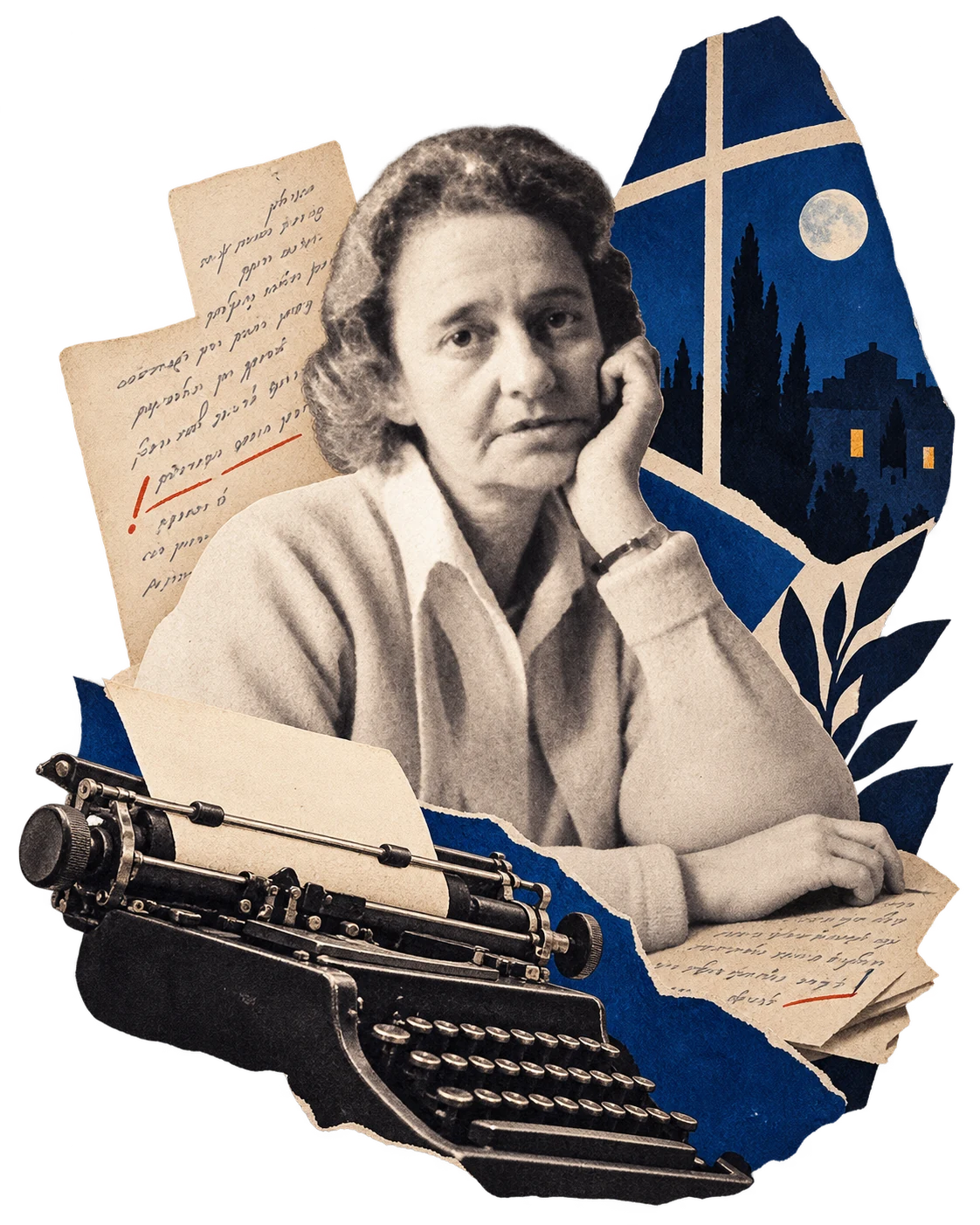
Itamar was born in 1882 in Jerusalem's Old City. He was the son of Eliezer Ben-Yehuda, the reviver of the Hebrew language, who was loathed by the Ashkenazim, who claimed that Hebrew was a holy language meant only for prayer, not for everyday use.
Born into the Hebrew language, Itamar was called "the first Hebrew child." His parents made sure he never heard a foreign language, and little Itamar was consequently forbidden from leaving the house, which meant he did not speak until he was three years old.
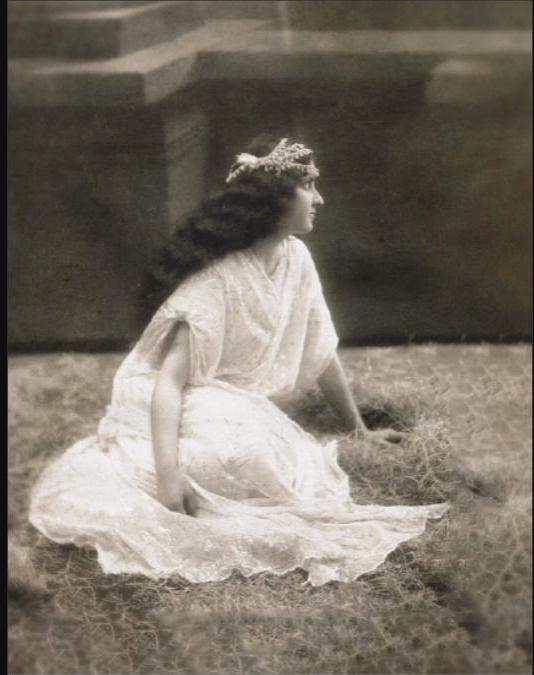
But as soon as he began to speak, he proved to be a gifted child and, like his father, coined Hebrew words for things such as a dreidel, a napkin, and a noisemaker.
At the age of 10, Itamar was orphaned when his mother, Devorah, died, and his father, Eliezer, married her sister, Hemda.
Itamar Ben-Avi was known as a gifted orator. He served as editor of the newspaper Ha'or, founded by his father, which had by then become a daily. Later, he founded and edited the newspaper Do'ar Hayom.
Courtship Through the Newspaper
Itamar owed most of his fame to his love story with Leah. Leah's parents vehemently opposed this strange match. Surely the wealthy, beautiful young woman in the city, courted by all of Jerusalem's wealthy and respected men, could not give her hand to a man with every possible drawback: a secular Jew, seven years older than she was, Ashkenazi, from a hated family - a poor young man from a very bad home.
Itamar, who had suffered social alienation since childhood, grew hardened. He loved Leah passionately and was prepared to go to great lengths to win her. The weapon at his disposal was the newspaper, and he began publishing ardent love poems to her in the pages of his paper, Ha'or. Written in rich, poetic Hebrew, the poems were dedicated to Leah, whom he called "Ella" (an anagram of her name) or "my goddess."
Among other things, he wrote: "If only you had loved me, my goddess, as I have loved you; if only you had been bewildered by day and gone mad at night; if only your heart had throbbed with a storm of blood, and your eyes beneath their lids had been wet with tears; if only you had dreamed of endless happiness and woken in terror, with lightning flashing through your weary mind - ah, then perhaps I would have understood."
These love poems caused the Abushdid family great embarrassment. In those days, this was the sensational story that drew widespread attention, and the small Jewish community in the Land of Israel followed the romance closely. After three years of fruitless courtship, Itamar could no longer bear the agony of his love. In 1910, he wrote the poem "My Pistol": "Ever since I loved her, my heart has ached; the pistol never leaves my sight. Among the books of my spirit, on my beloved desk, it already breathes death for me. For I am sick of everything - even my beauty, who chose to live without me. Wait one more moment, oh, my beauty; just one more moment, and you will weep without end."
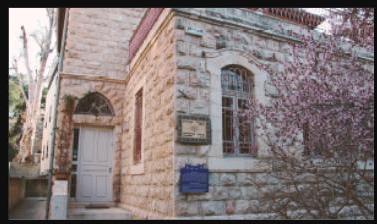
The poem caused an uproar among Jerusalem's residents, and for the first time brought Itamar's father, Eliezer Ben-Yehuda, to intervene. He urgently turned to Albert Antebi, one of the country's most important leaders and public figures, who was close to the Abushdid family and to Leah's brother, the doctor Abraham. With his intervention, the mother went to Leah and asked what she wanted. Leah answered her, "I will not disobey you, but I will not marry another man." In response to Leah's answer, her mother agreed to accept the "sentence" and allow her daughter to marry the man she loved. Thus, after two years of engagement, the two were married.
The love story of Leah Abushdid and Itamar Ben-Avi inspired the song "The Love of Itamar Ben-Avi," written by Dudu Barak and Nurit Hirsh:
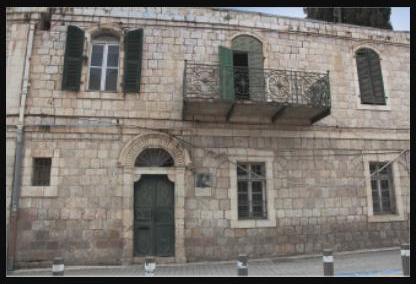
Here again a shiver will pass through the nape of my neck / How love spoke in days gone by In the city of Jerusalem, a man so pure, so pure / Loved his beloved, suffered in pain, raged in fury And this is the story of his love / Rising in flames Which his princess heard / Leah, his beloved I loved my Leah despite her wishes / If only I could go to her home I love you so much / I kiss you so much If only you had loved me, my Leah / My life for you, my death
Dvorah Omer described this tempestuous love story in her book The Love of Itamar.
The couple had three daughters. The eldest died at the age of four. The middle daughter was Drora Ben-Avi, a senior employee at Kol Yisrael, who also married the legendary broadcaster Moshe Hovav. Their son is Gil Hovav, a television presenter, journalist, restaurant critic, and cookbook author.
The Years of Separation and Remembrance
In 1939, Itamar's financial situation hit rock bottom, and he turned to his friends for help. When no one offered him a hand, he left for the United States with his family. About four years after they left the country, Itamar died penniless. In 1947, his coffin was brought to Jerusalem for burial on the Mount of Olives.
Years later, Gil Hovav interviewed his grandmother Leah:
Gil: "Honestly, Muma (a nickname for his grandmother), I never understood why you chose such a poor and crazy husband when you could have married one of the richest men of the day."
Leah: "Don't call him crazy, you impudent boy! But I'll explain. Bensiyon (her pronunciation of Ben-Zion) really was very poor, but what would I have gained from the rich men? One of them, Valero, was stingy beyond belief. The second, Shlush, had a mother who told him what to do every minute, and I couldn't stand a man like that. The third went to Constantinople and lost all his money. Bensiyon really was poor, but at least he had a generous heart. Once I was sitting with my mother on the balcony when suddenly we heard a commotion in the street. 'The madman has arrived,' my mother said. That's what she called Bensiyon. And sure enough, down below I saw Bensiyon with some workers carrying a large package. 'I can't bear to see you embroidering in the dark,' Bensiyon told me. 'Here, I bought you a sewing machine.' Well, I knew he was crazy, but you can't imagine how much a sewing machine cost in those days, and a Singer at that. Hundreds of francs, and this was Bensiyon, whom my sister Perla used to give a few coins to so he could buy himself shoes."
"So he really was generous, certainly generous. Generous with my money. Six years after we married, we were still making payments to Singer."
At the end of the interview, Leah said: "Yes, Bensiyon was generous. Don't think he made me suffer, even if I complain. He was handsome, he was like fire; they all called him the Prince of Judah. And so it was until the poor man died. Even in his last years... Bensiyon was very ill, although... in the bedroom he was... quite something, bless him."
Leah died about 40 years after him, in 1982, and was buried beside her beloved. Her gravestone bears the inscription: "The fairest of daughters stole the sleep from the pillow of the knight of her youth."
תגובות
עדיין אין תגובות.