
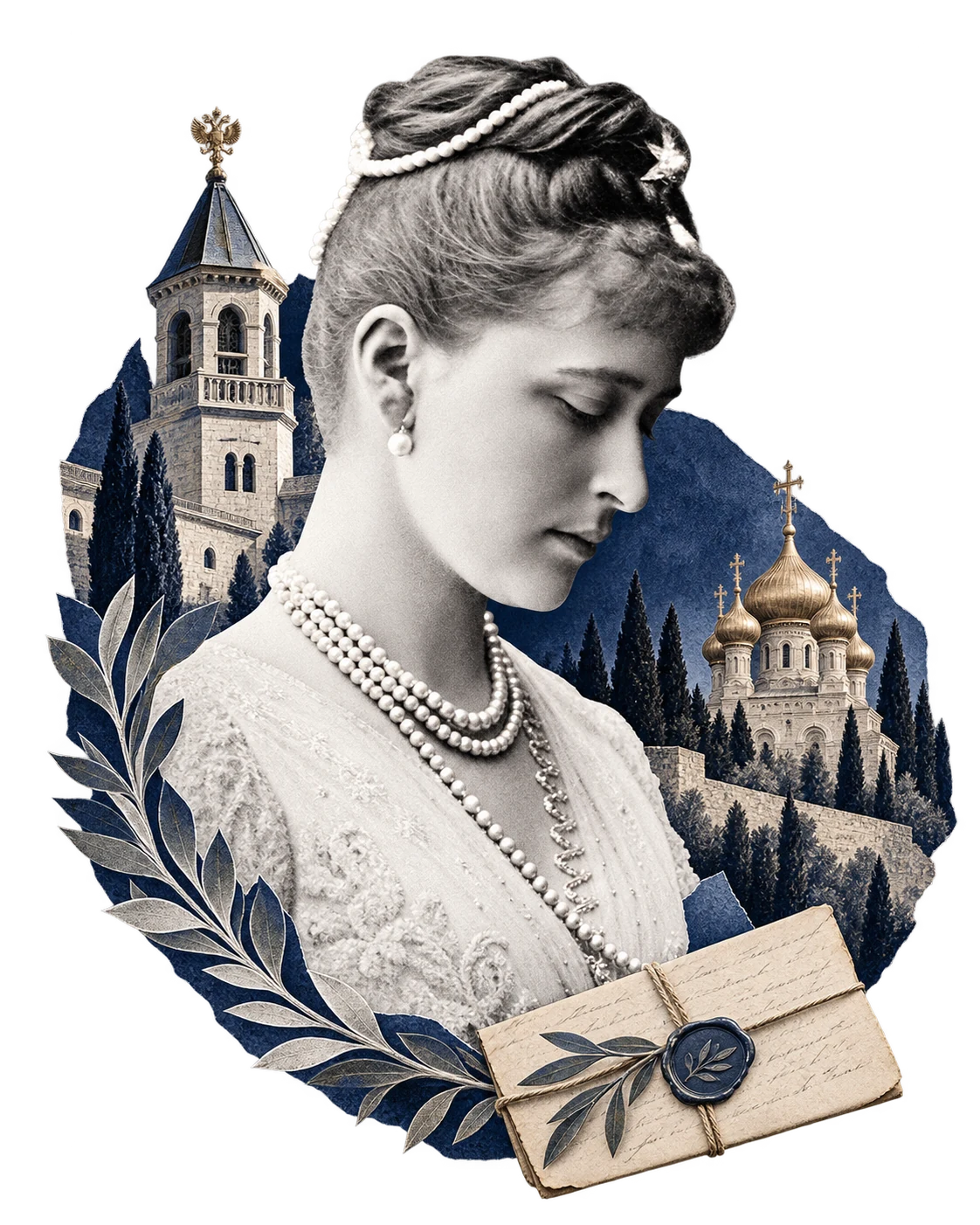
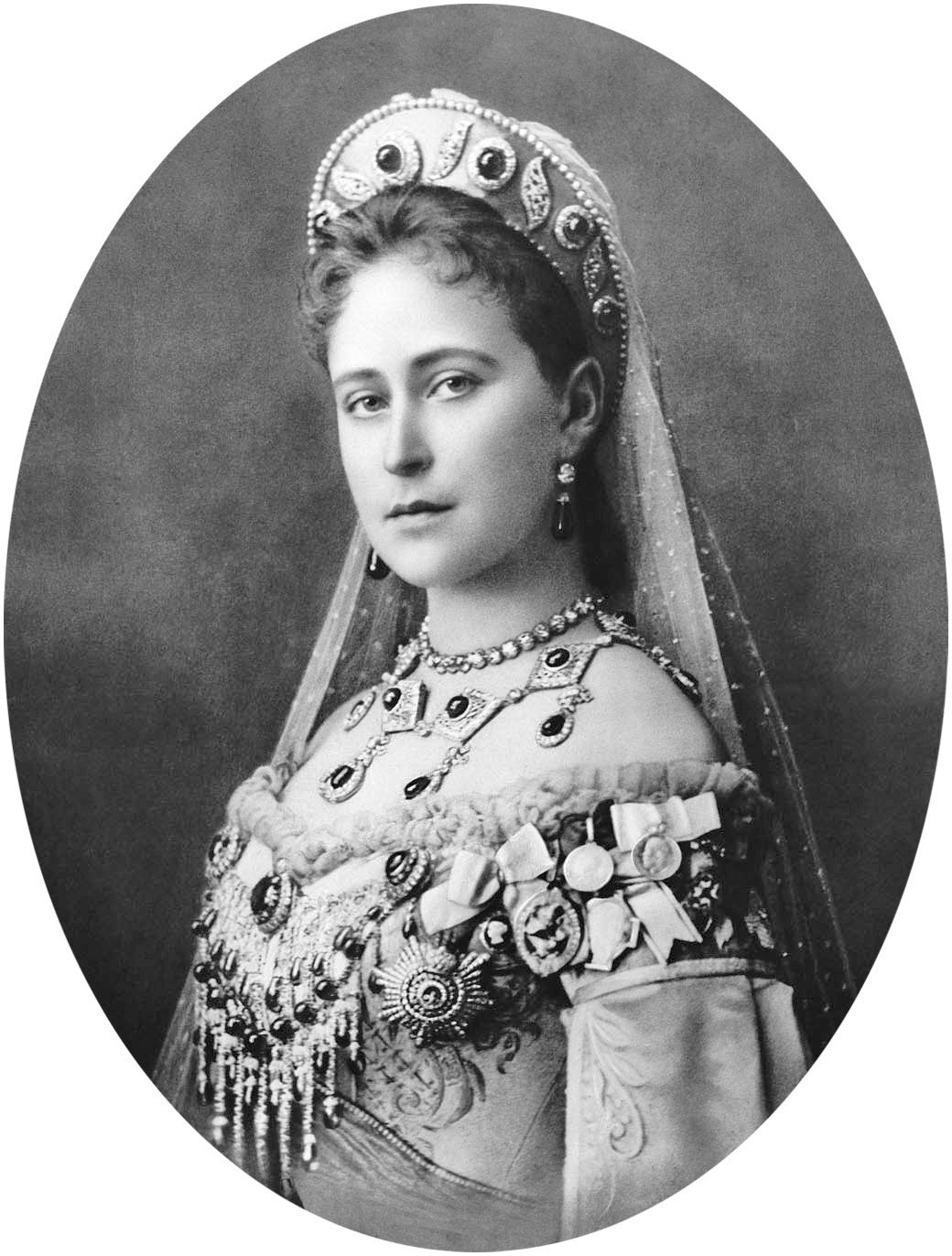
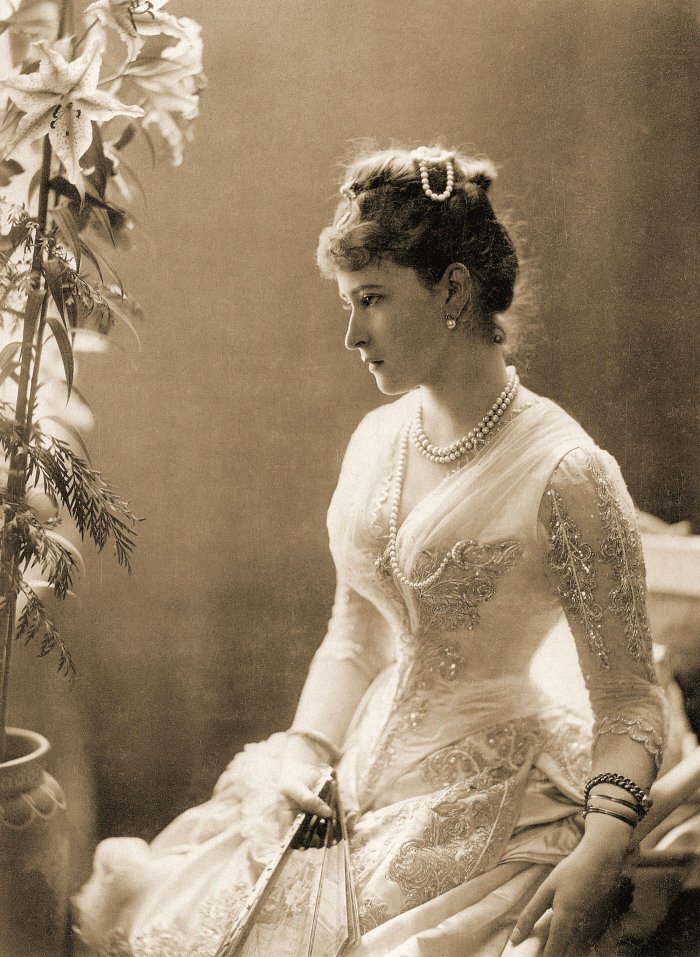
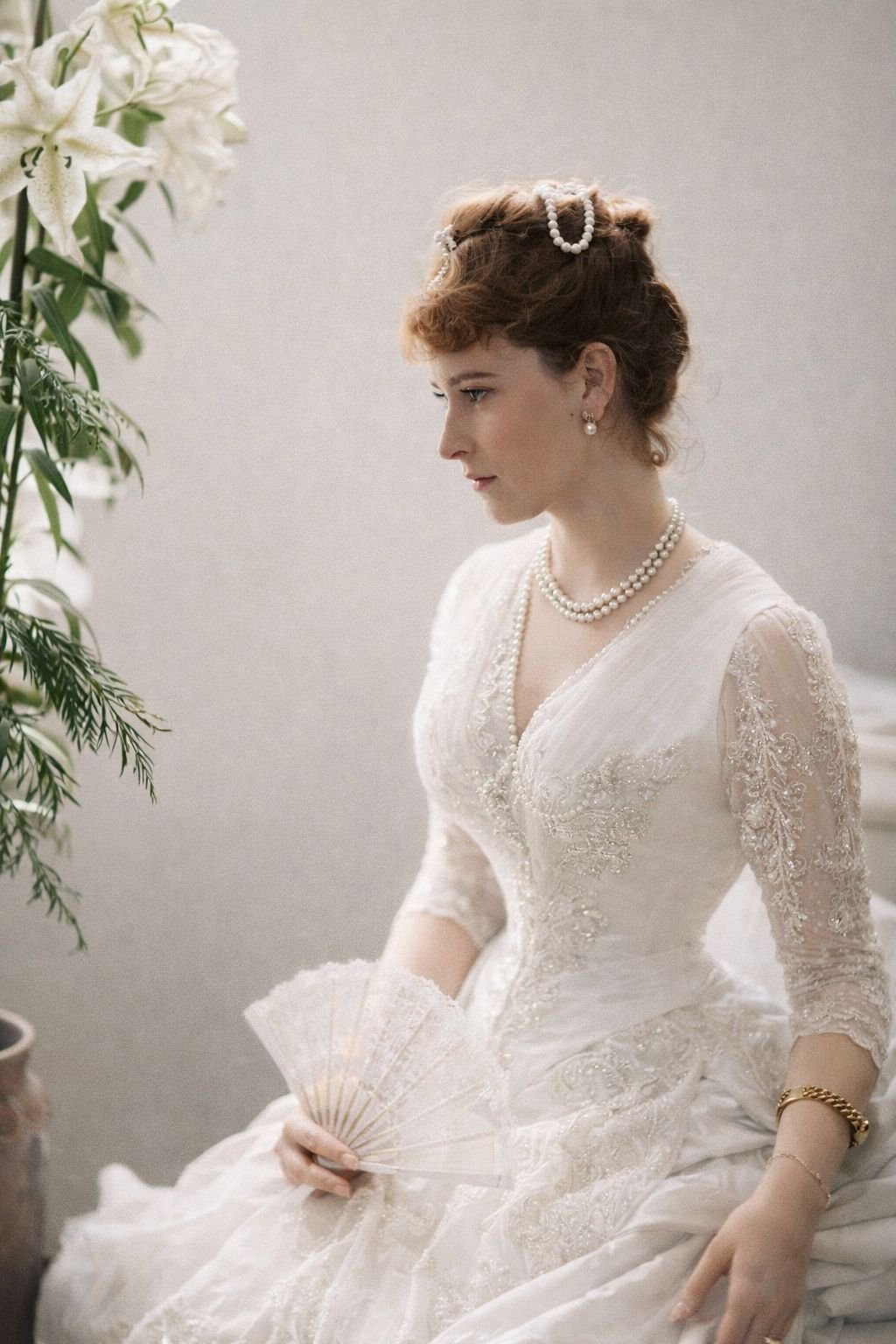
Yelizaveta Feodorovna was considered the most beautiful woman of her time. She was married to Sergei Alexandrovich Romanov, a son of Tsar Alexander II of Russia. Sergei built Sergei's Courtyard in Jerusalem.
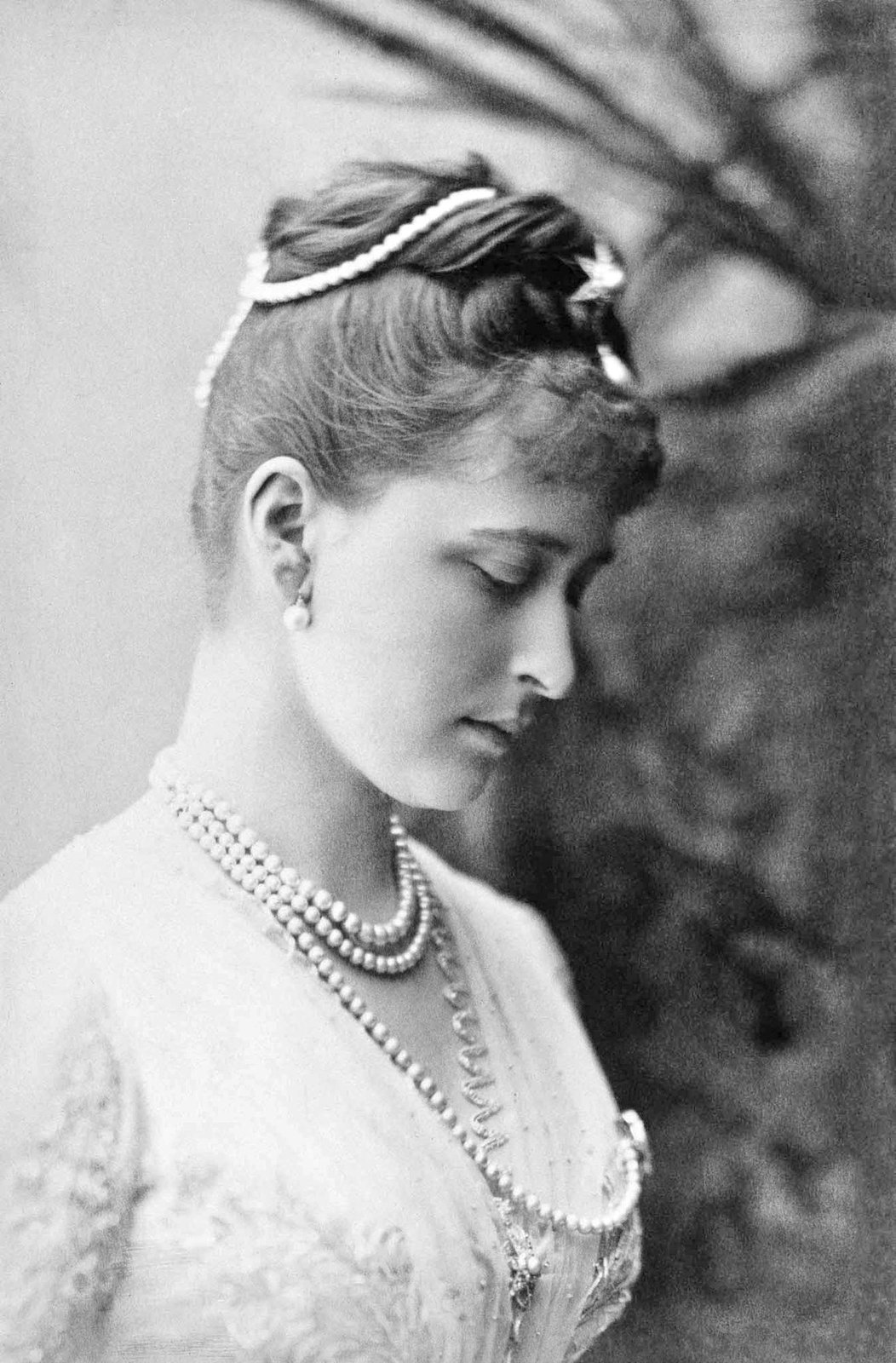
To an outside observer, it was clear that the end would be a brutal murder. The royal family, driven out of the city by a band of drunken soldiers, had already been robbed and beaten. Its members looked wretched, far removed from their days of glory. In the mining region at the foot of Russia's Ural Mountains, amid the soldiers' laughter and cigarette smoke, the family was thrown into a deep pit. A few minutes later, sounds of weeping were heard. The soldiers threw in a grenade, and for a moment there was silence, but then prayers began to rise from the pit. Another grenade was thrown, and once again the prayers could be heard. The soldiers gathered wood, set it alight, and threw it into the pit. Then, silence... That was the end of Yelizaveta Feodorovna, the most beautiful woman of her time.
Royal Roots in Europe
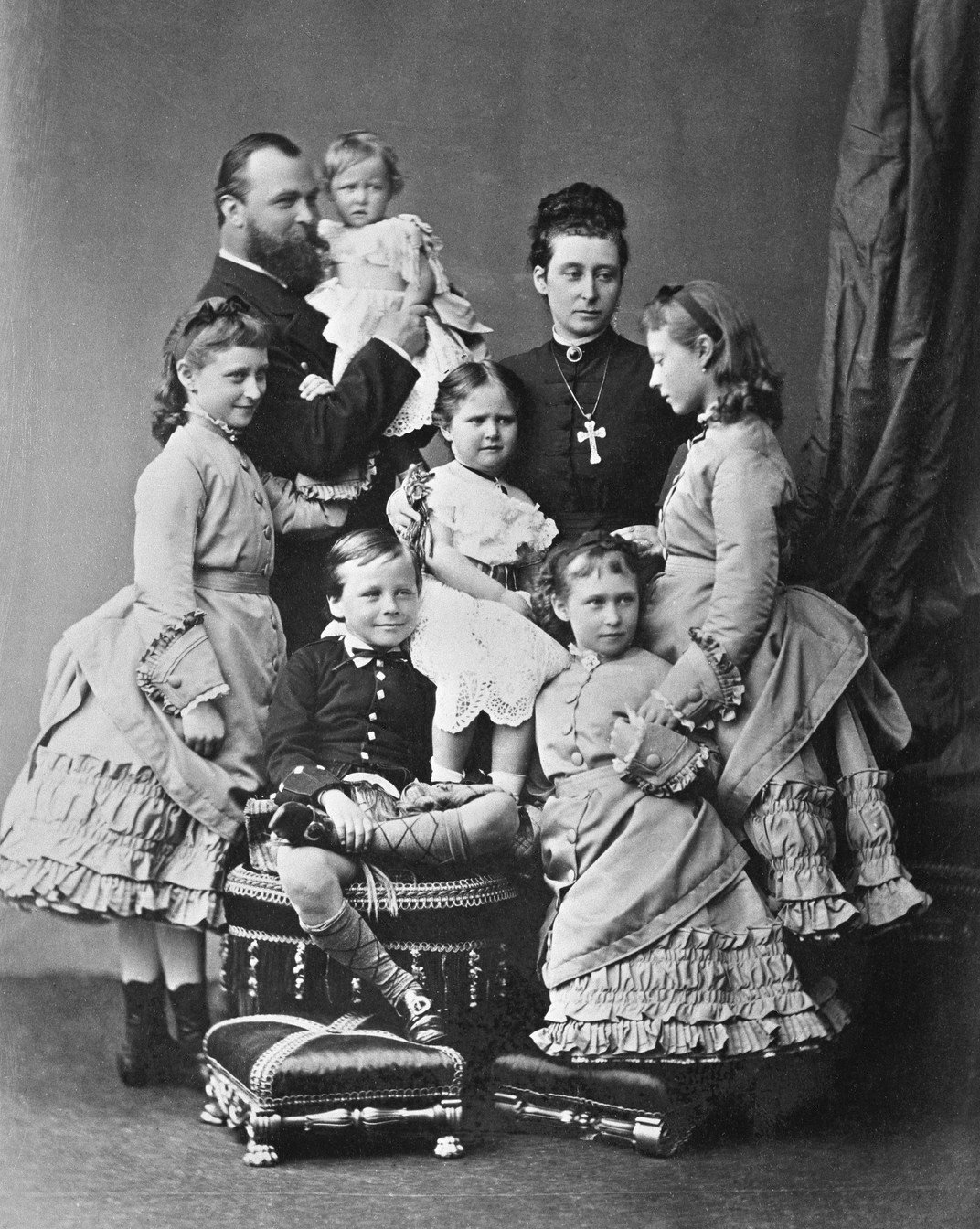
Yelizaveta (Elizabeth) was born in Germany in 1864 into a distinguished family. She was the daughter of Ludwig IV, Grand Duke of Hesse, and Alice (1843-1878), daughter of Queen Victoria of Britain (the "grandmother of Europe") and Prince Albert. Victoria and Albert had nine children, whom they strategically married off to members of noble families across Europe. Indeed, most of Europe's royal dynasties today are descended from them. Her aunt Victoria (Alice's sister) married Emperor Frederick III of Germany, and their son Wilhelm II became Germany's last emperor. Her uncle was Edward VII, King of England. Elizabeth's sister Alexandra married Tsar Nicholas II and became Russia's last tsarina. Another of her uncles was Alfred, who married Maria Alexandrovna, Grand Duchess of Russia and daughter of Tsar Alexander II. Victoria's granddaughter Alice was the mother of Prince Philip, Duke of Edinburgh, husband of Queen Elizabeth II.
Despite her distinguished lineage, Elizabeth received a modest upbringing. She used to iron her own clothes and clean her room herself. During the Austro-Prussian War (1866), she met wounded soldiers, and her compassion grew - a quality that stayed with her until the day she was murdered.
Her beauty and charm made her one of the most sought-after single women. One of her suitors was the future German emperor Wilhelm II, but she rejected his advances. Another was Prince Frederick, the future Duke of Baden, whom her grandmother Victoria liked very much and tried to match with Elizabeth. But Elizabeth rejected him too. Eventually, Elizabeth fell in love with Grand Duke Sergei Alexandrovich, son of Tsar Alexander II, brother of Tsar Alexander III, and uncle of the last tsar, Nicholas II. They were Russia's rulers at the time.
Marriage and Jerusalem
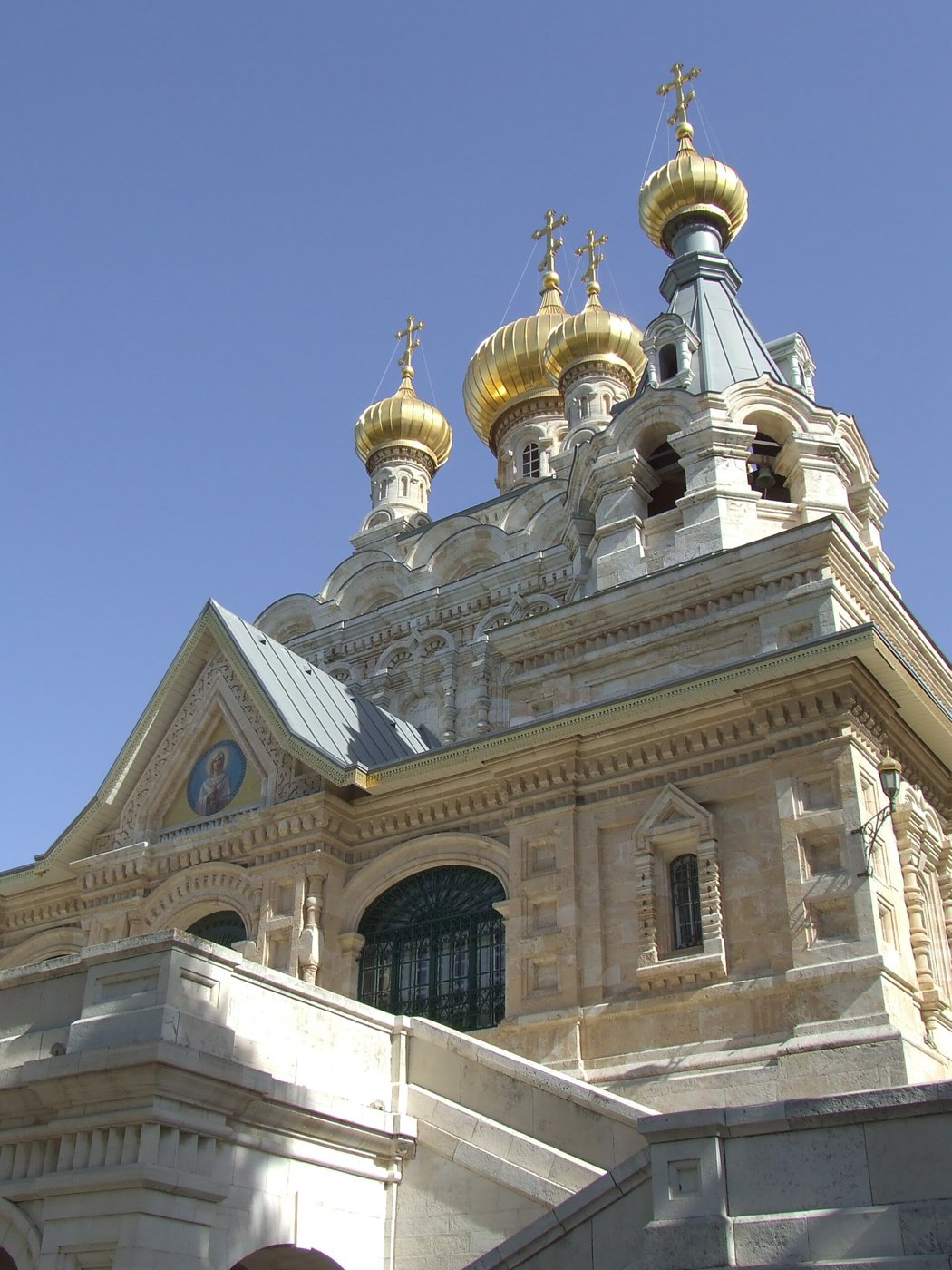
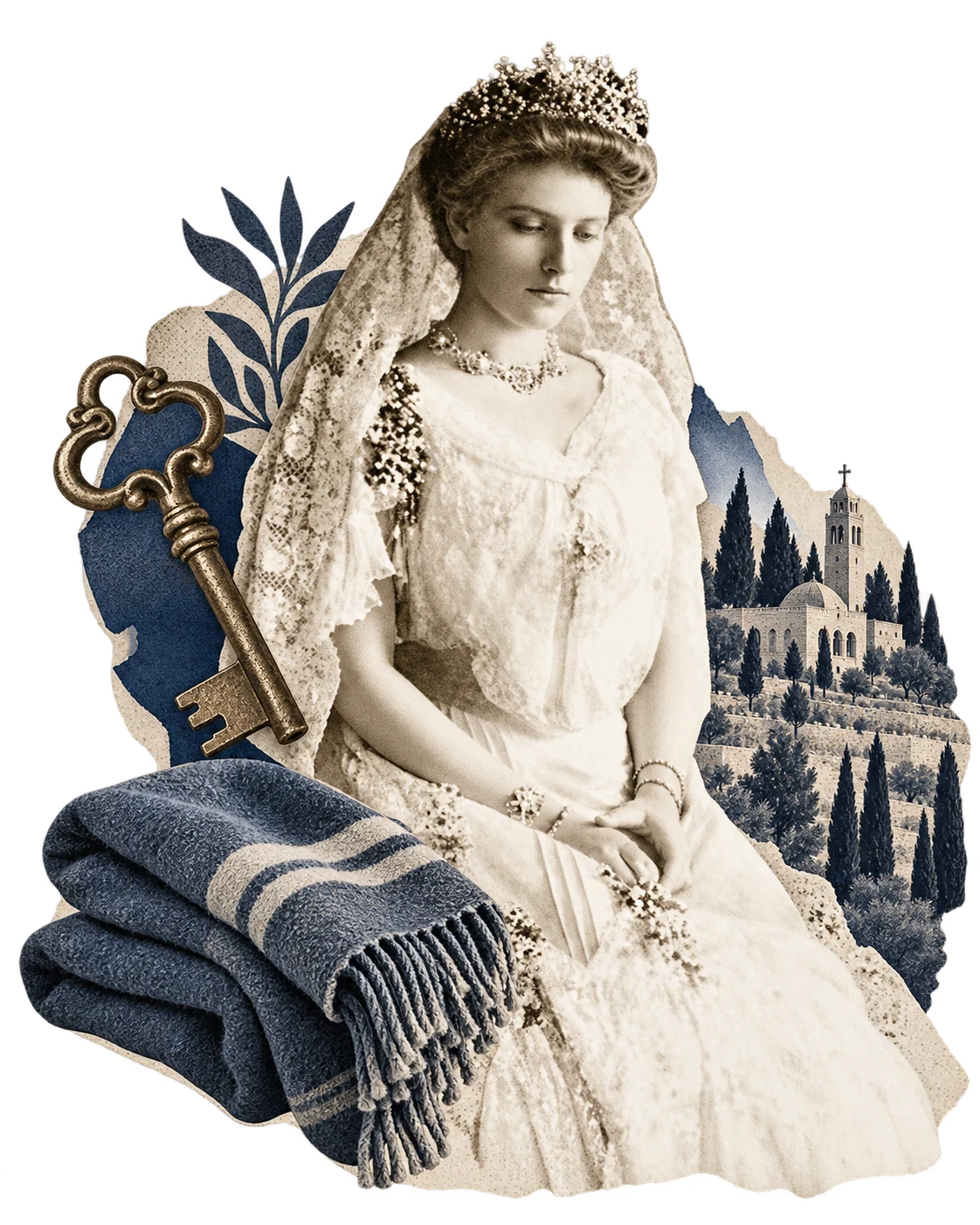
In the summer of 1884, the couple married at the Winter Palace in St. Petersburg, and Princess Elizabeth officially became Yelizaveta Feodorovna, Grand Duchess of Russia. Four years after their wedding, the couple visited the Land of Israel for the consecration of the Church of Mary Magdalene on the Mount of Olives, named after Maria Alexandra, Sergei's mother. Elizabeth, or Yelizaveta, as she was now known, was deeply impressed by the church, the Mount of Olives, and the holiness of Jerusalem. She made Sergei promise that when her time came, she would be buried in that church.
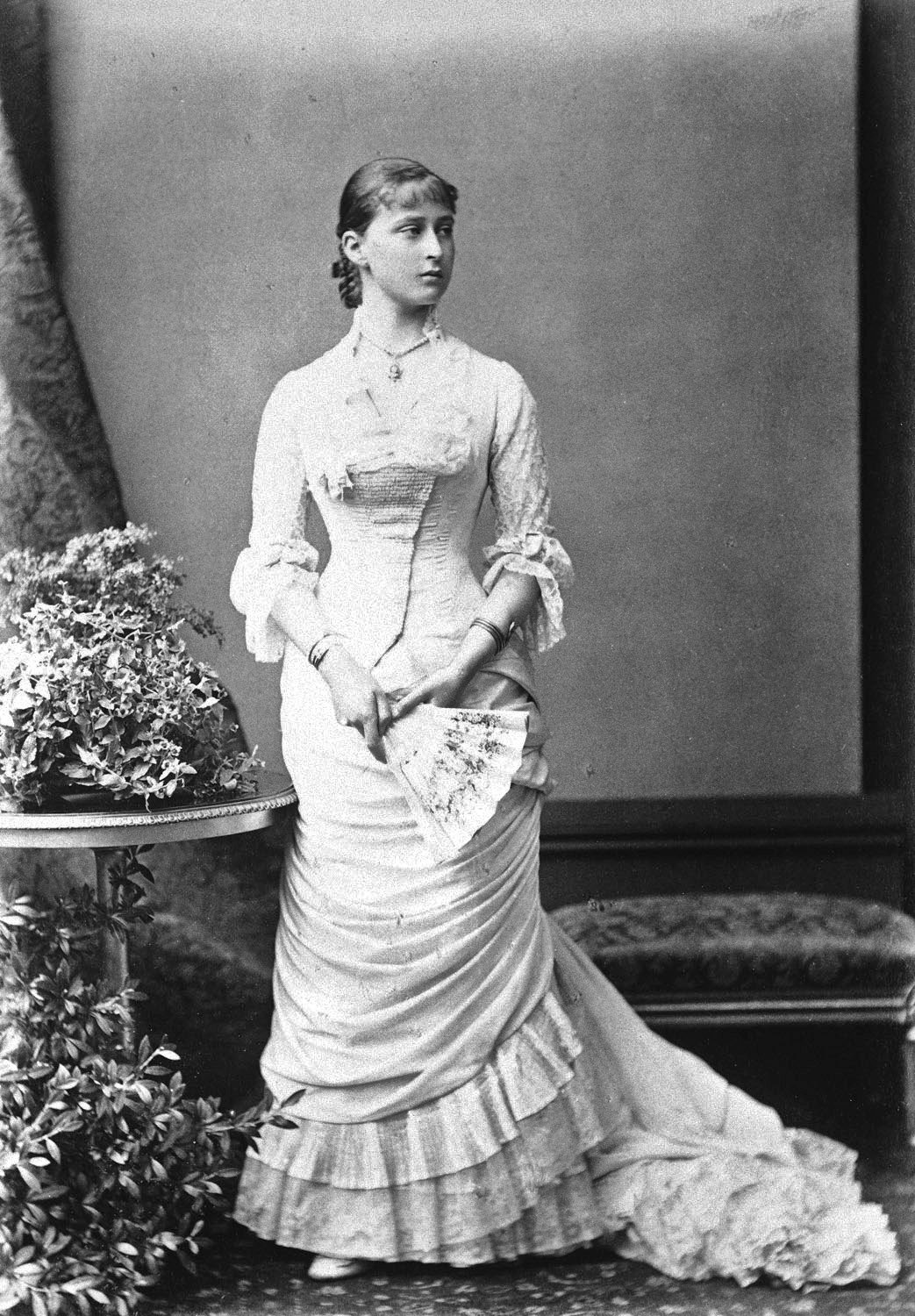
During this visit, the prince realized that the many pilgrims visiting Jerusalem needed places to stay, so he built Sergei's Courtyard (in the Russian Compound, near Jerusalem City Hall). Sergei later expanded his activities, building the Church of the Ascension on the Mount of Olives and the Church of Alexander Nevsky in the Old City.
In 1891, Sergei was appointed governor of Moscow by his elder brother, Tsar Alexander III, and Sergei and the beautiful Yelizaveta moved into one of the Kremlin palaces. That same year, Yelizaveta, who had been raised in the Lutheran faith as a member of the British nobility, converted to the Orthodox faith practiced in Russia and professed by the Russian royal family.
Sergei was an arrogant, cruel, and insensitive prince, the complete opposite of his wife Yelizaveta. When he took control of Moscow, one of the first things he did was expel 25,000 Jews from the city, and Jewish women who wished to remain were required to register as prostitutes.
At the time, most of the population was in servitude, and workers were oppressed and without rights. In January 1905, workers went on strike in St. Petersburg, then the capital of Russia. They marched toward the Winter Palace, where the tsar's soldiers shot and killed about a thousand of them. The event came to be known as Bloody Sunday. It sparked riots throughout Russia, and Sergei, known for his cruelty, became hated by the revolutionaries opposed to the regime.
On February 17, 1905, as Sergei drove out through the gate of the Kremlin Palace in his splendid carriage, one of the revolutionaries managed to throw an explosive at him, killing him. Sergei's body was buried beneath the floor of the Miracle Monastery within the Kremlin. The revolutionary assassin was caught and imprisoned, and Yelizaveta visited him in prison. Following her visit, she asked Tsar Nicholas, successor to Alexander III, to pardon the assassin, but her request was denied, and he was hanged.
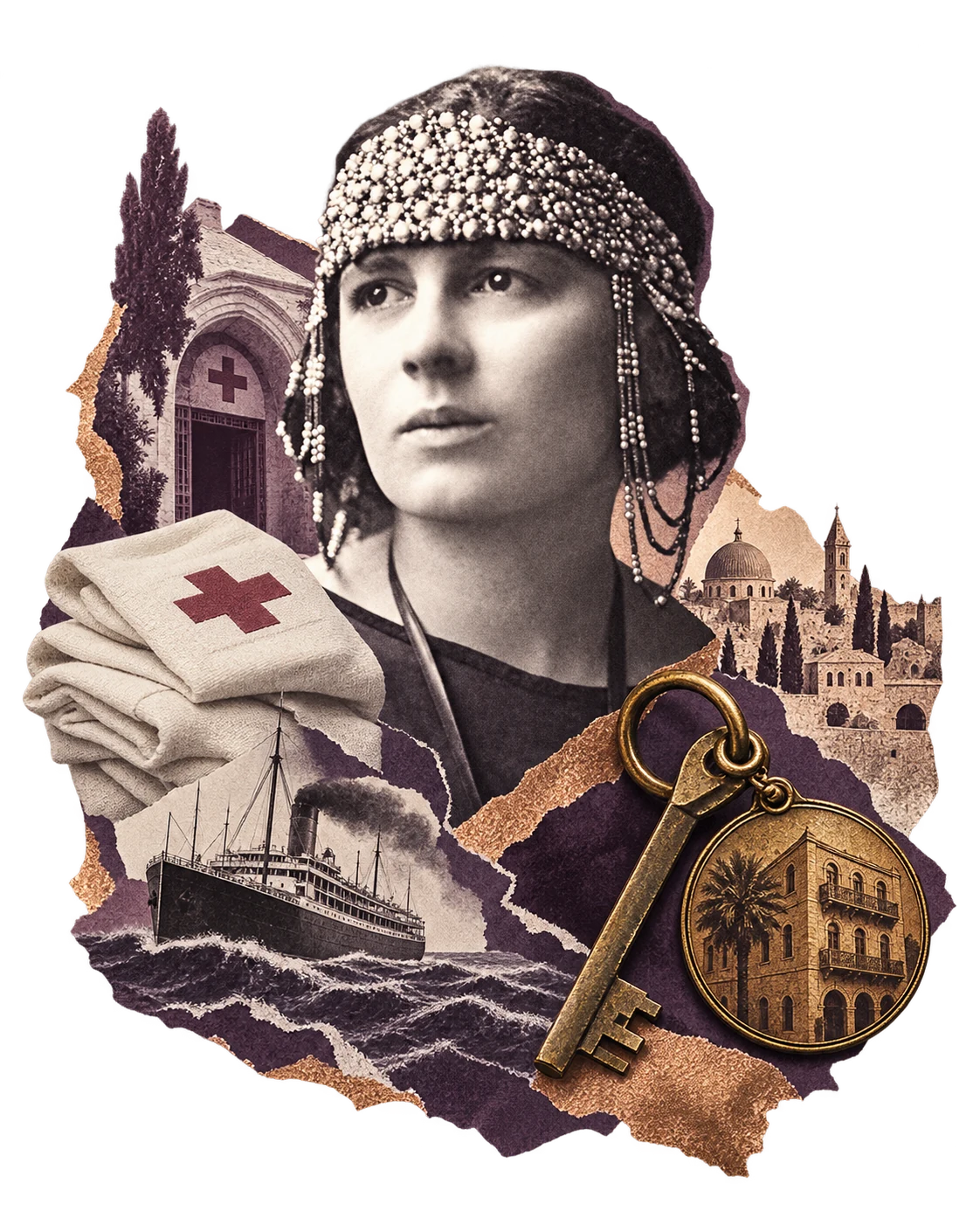
Tsar Nicholas asked Yelizaveta to succeed her husband as president of the Russian Orthodox Palestine Society. She agreed and held the position from 1906. That year, about 13,000 Russian pilgrims visited the Land of Israel. When World War I broke out, Yelizaveta returned to Russia and headed the Russian Red Cross.
Revolution, Arrest and Murder
In November 1917, when the October Revolution broke out in Russia, Yelizaveta was staying in a monastery and was therefore unharmed. A year later, on Lenin's orders, Yelizaveta and the entire tsarist family were arrested and expelled from Moscow. She was taken to Yekaterinburg, and a few days later other relatives from the royal family joined her. They were all sent to the town of Alapayevsk in the Ural Mountains, where they were housed in a school on the outskirts of town.
On July 17, several soldiers arrived at the school, robbed the family, and drove them to a mine outside town. Yelizaveta and her family were thrown into a pit 20 meters deep. A few minutes later, sounds of weeping were heard. The soldiers threw in a grenade, and for a moment there was silence, but then prayers began to rise from the pit. Another grenade was thrown, and once again the prayers could be heard. The soldiers gathered wood, set it alight, and threw it into the pit.
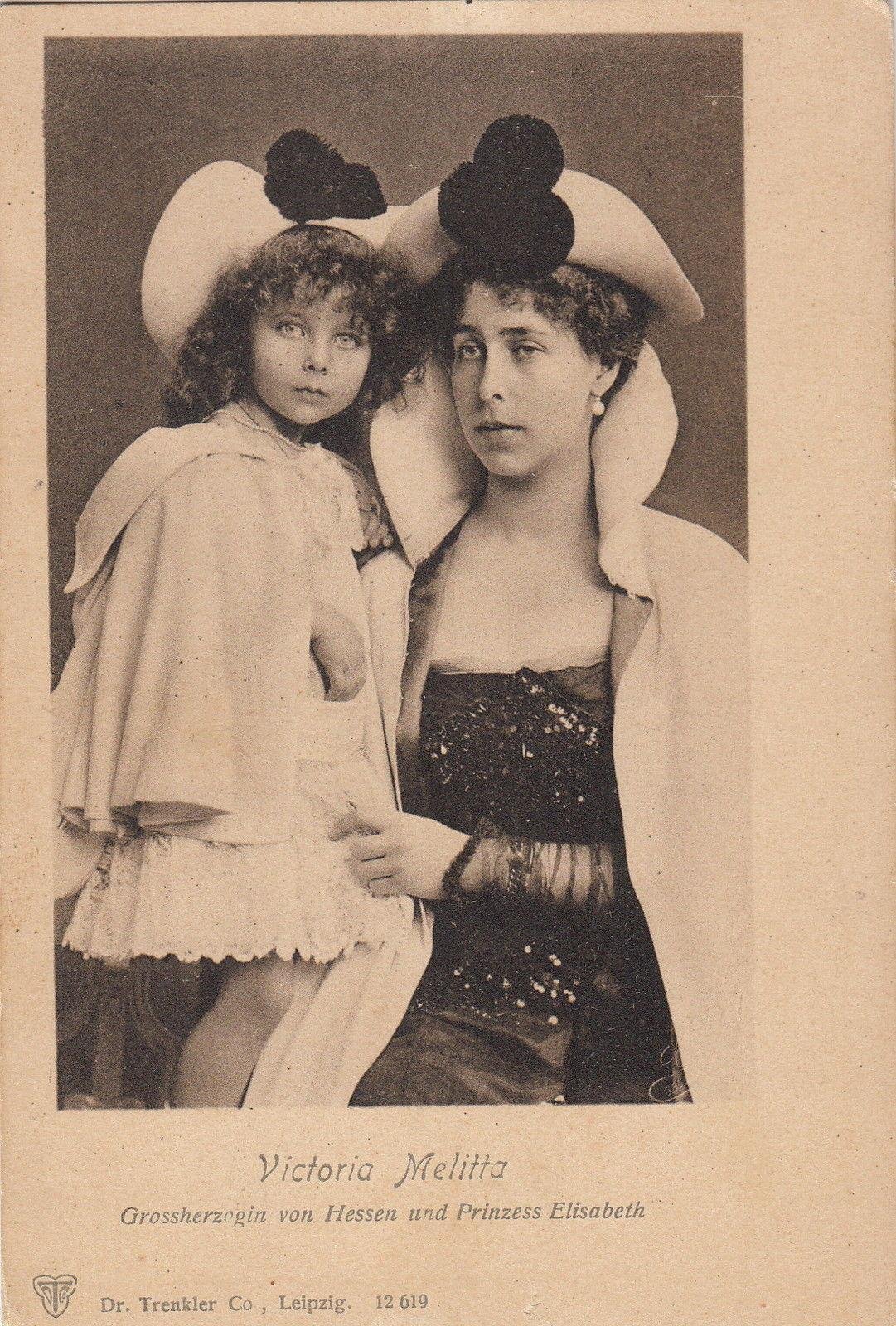
The bodies were later found by the White Army and buried in a nearby cathedral. In 1920, when the White Army was forced to retreat, the bodies were transferred to Beijing, China. Thanks to the efforts of Victoria, Yelizaveta's sister, the bodies of Yelizaveta and her servant Barbara were transferred to their final resting place - the Church of Mary Magdalene on Jerusalem's Mount of Olives - where Yelizaveta had asked to be buried. Harry Luke, a British Mandate official, described the final funeral procession:
"In Jerusalem I have witnessed many ceremonies, official and splendid, held on the most impressive occasions, but I have never seen a single ceremony as heart-rending as the arrival of these two simple wooden coffins - after their pathetic odyssey - at Jerusalem's small, unassuming railway station. There was no grandeur or ceremony, no pomp of the kind usually associated with the funerals of people of high rank. The coffins of the two unfortunate women, exactly alike, were lifted from the train onto the platform. Two Russian monks chanted the prayers for the dead in melodious voices, their voices breaking with grief, and the small procession made its way sadly and unnoticed toward Gethsemane, to one of the few remaining outposts of Holy Russia."
Yelizaveta and Barbara's coffins were initially placed in the church crypt, but in 1981 Yelizaveta was declared a saint, and the remains of both women were brought up and placed in the church beside the altar.
In 1930, on Stalin's orders, the Miracle Monastery, where Sergei was buried, was demolished. In 1995, his remains were discovered and transferred for their final burial at Novospassky Monastery in Moscow.
Alice, Yelizaveta's niece, married Prince Andrew of Greece. Her son was Philip, husband of Elizabeth, Queen of Britain. Like her aunt Yelizaveta, Alice too became a nun and asked to be buried beside her beloved aunt after her death. Alice was buried at Windsor Castle, and in 1988 her body was brought to Jerusalem and laid to rest in the Church of Mary Magdalene.
תגובות
עדיין אין תגובות.