
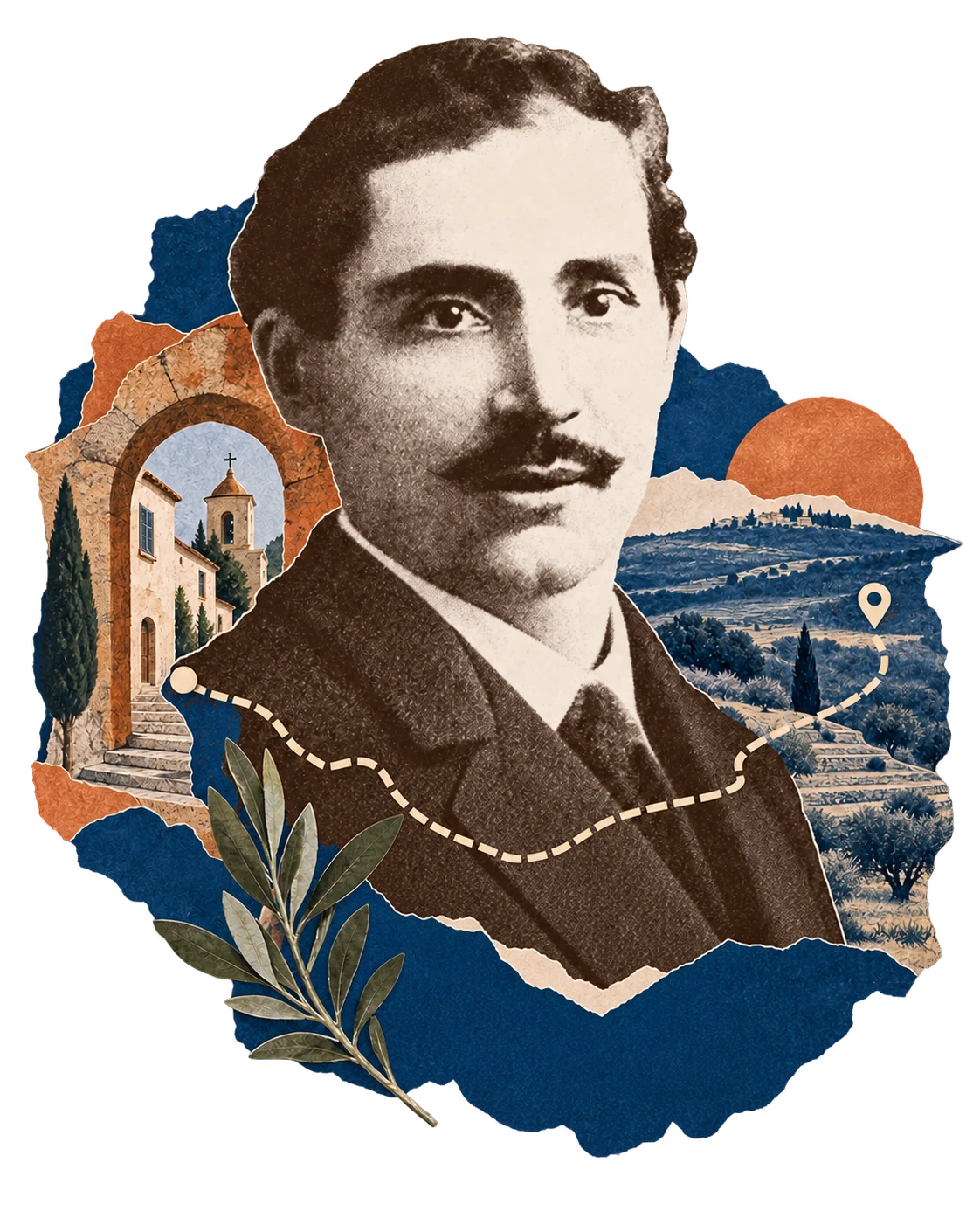
The astonishing and strange story of a small community in a remote Italian town that, one bright morning, decided to convert to Judaism and make aliyah, led by the man they called 'the prophet.'
In March 1948, Donato Manduzio died and was buried as a Jew under the name Levi Manduzio. He was buried in the cemetery of San Nicandro, not far from his Christian neighbors. On his grave, in place of a cross, two Stars of David were carved, along with the following words: 'Donato... lived as an idolater until 1930. But... through a divine revelation, God called him Levi... and on this dark rock he spread the teaching of God's oneness and the rest of the Sabbath...'
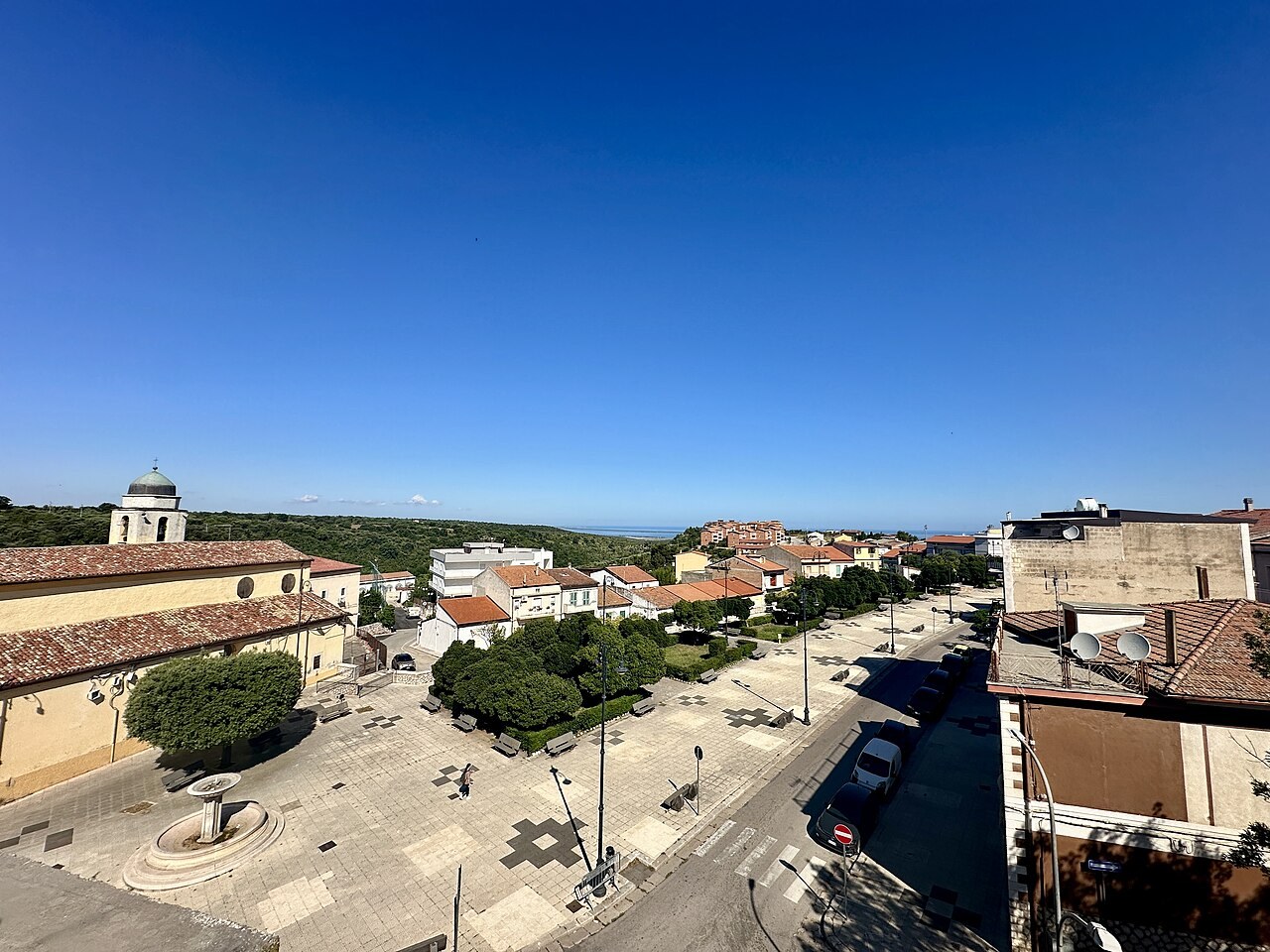
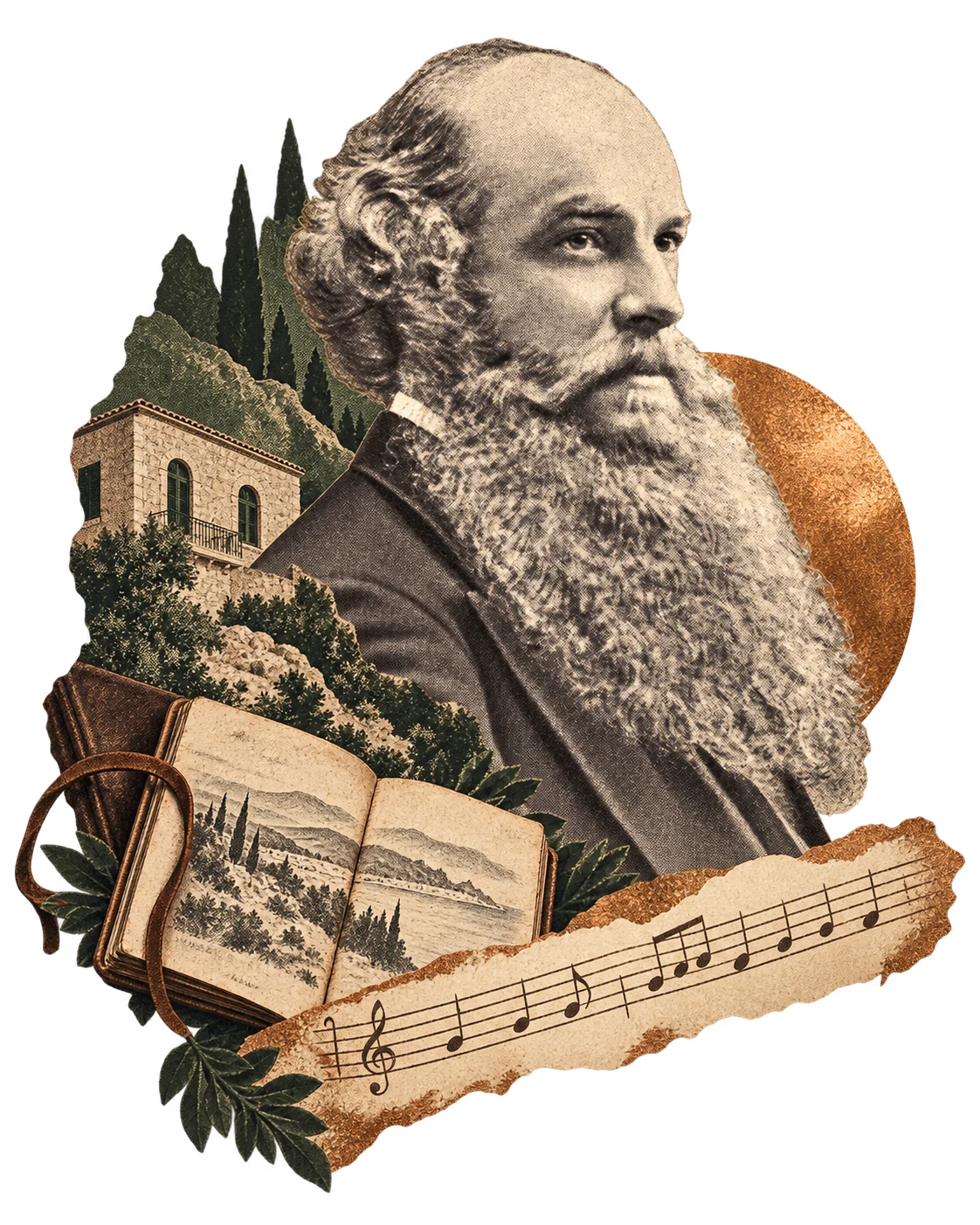
Donato Manduzio's story was revealed through a journal he wrote himself: "These pages tell a short and simple story. In them you will read how light shone out of the darkness, light that dispelled the gloom of night and drove away the shadows of death. And you, my reader, do not laugh at my poor and faulty writing, for in all my days I never sat for even one day on a study-house bench! My teacher and master was the God of Abraham, who redeemed our father Abraham from idolatry and showed him the way to the land of Canaan." (From Donato Manduzio's journal, From Church to Synagogue.)
The Rebellion at the Confirmation Ceremony
The story began in the summer of 1892, at a confirmation ceremony, in which a Christian affirms the baptismal vows made on his behalf in infancy. At this ceremony, the Christian is admitted to the community as a responsible adult, something like a bar mitzvah. That day, the small church in San Nicandro was packed with villagers who had crowded inside, eagerly awaiting the moving moment. The wine merchant's firstborn son was about to take on the yoke of Christianity. The village priest, Don Giuseppe, entered the hall and descended the five steps with dignity, young seminarians at his side. The boy, Donato Manduzio, stood facing him. Had the ceremony gone as planned, Donato, who had already been baptized as a Christian in 1885, would have kissed the priest's hand as a sign of obedience and submission and asked for the Church's blessing. But that was not what happened. Donato remained frozen and even showed clear revulsion toward the priest. The scene was strange and tense, until the tension suddenly broke in loud laughter. The priest trembled with rage and shame, breaking the silence with a ringing shout: "He'll be another criminal! Get out of here, so I never have to see you again, for the devil lives within you!" Word of the incident spread through the region, and overnight the little village became famous, its name on everyone's lips. His father, whose son had brought him everlasting disgrace, locked him in the stable for two weeks. It was clear to young Donato that he no longer had a place in the community; he was an outsider and had even become a nuisance. Donato became the village bully.
World War I gave the village bully Donato a chance to get out of the remote village and perhaps even return as a hero. In 1918, three years after enlisting, he was wounded in the leg and spent a year in a military hospital in Pisa. With the help of another wounded soldier lying beside him, he learned to read and write. For Manduzio, who had never sat at a school desk, this was a revelation. Once he learned to read, he never stopped. At first he read simple novels and newspapers. In 1919 he returned to his village, San Nicandro, and his home became a bustling spiritual center. His injury left him disabled, making physical labor impossible, so he lived on a disability pension and support from his wife's family. The village bully became an intellectual, and many came to hear the learned man's views. A community of followers formed around him. In 1930, Manduzio dreamed he was standing alone in a dark field. Suddenly, an old man appeared before him, holding a candle. "Hold the candle high and spread my light," the old man told him. Manduzio awoke shaken and enlightened at the same time. He saw it as a mission. Two days later, his neighbor Pino, the tavern keeper, brought him a neglected book that a guest had left behind in exchange for lodging. "This book may be worth something just for its cover," Pino said. But when Manduzio opened it, he found a copy of the Bible translated into Italian.
The Dream and the First Book
For three days and nights, Manduzio read the book eagerly. His frightened wife thought he was possessed. The priest was summoned to the house and said, "Leave him be. Once he finishes the book, he'll get over it." But he did not. Manduzio found in the Bible a different truth from the one he knew in church. Instead of the worship of saints, a prohibition on idols. Instead of Domenica, Sunday, the holy day was the Sabbath, and prosciutto was forbidden. Thus a community took shape in the village that began observing the Sabbath and stopped eating pork, which apparently, as if by a miracle, improved their health and lowered their cholesterol levels. "It's working. Donato is right," the people said. Above all, the believers understood that the message was not one of monasticism and suffering, but of living with holiness, purpose, and light. Manduzio, who believed that the truth lay in Judaism, not in the Christianity in which he had been born, began spreading the word. In his journal, Manduzio gives the exact date on which he founded the Jewish community of San Nicandro: the night between August 10 and 11, 1930, when he was 45 years old.
On Friday nights, Manduzio and his friends gathered at his home, read the Torah, studied the Mishnah, and sang liturgical poems he had composed himself. Manduzio set a Jewish calendar according to his own understanding and celebrated Passover as he understood it from the text. He and his followers were certain that at the time they were the only Jews in the world and that they were, in effect, bringing Judaism back to life. The village community thus divided into Catholics and the new Jewish community, which had grown to 80 people.
One day, in the quiet of the evening, a traveling merchant passed through the village and saw a light burning in one house while all the others were shrouded in darkness. He knocked on the door and found a small group inside, seated around a Bible. "What are you doing?" he asked. "Are you Evangelicals (Protestant Christians)?" "No, we are the people of God" (Noi siamo il popolo di Dio). "We keep the Torah... because we are the last Jews." He burst out laughing. "Jews? There are Jews in Rome, Milan, Florence!"
Manduzio was astonished. He hurried to write a letter to the chief rabbi of Rome: "I have found my lost brothers." But the letter went unanswered. A second letter was also ignored. Only after the third did Rabbi Angelo Sacerdoti, the rabbi of Rome, agree to send an emissary to find out who the "Judaizers" in the small, remote Italian village were, although he was sure they were joking. The emissary returned to Rome deeply moved: they observed the Sabbath and kosher laws and celebrated the holidays; they read the Bible with complete faith. The rabbi sent them prayer books, tallitot, and books, and Manduzio retorted to his Catholic brothers: "You see, the Jews give us things, unlike the Church, which takes things from us." They asked to undergo a proper conversion and join the worldwide Jewish community, but the rabbi made it clear that "this is a dangerous time to join the Jewish people."
The New Community and the Approach to Judaism
Although Italy's Fascist government had come to power in 1922, antisemitism was not part of the official political platform of Mussolini's party. Behind the scenes, Fascist leaders, including Mussolini himself, held antisemitic views and were laying the groundwork for removing Jews from society. The rapprochement with Germany and the creation of the 'Rome-Berlin Axis' accelerated the process, and from 1935 antisemitic propaganda began to seep into the press.
In 1938, Italy began implementing a series of anti-Jewish laws that affected every aspect of life. In February 1940, Mussolini declared that Italy would rid itself of all its Jews within five years. In June 1940, Italy entered the war, and Jews who had not yet left the country were arrested and imprisoned in camps. After Mussolini was deposed by his opponents in July 1943, Nazi Germany gradually took control of the country.
Mussolini was restored to power and established a radical Fascist regime under German auspices. Under this regime, with the help of Italian Fascist militias, the deportation of Jews to Auschwitz began. The first wave of deportations began in October 1943 and was carried out by German forces, but as early as November, Italian militias began arresting Jews, handing them over to the Germans, and confiscating their property.
When the Germans took control of Italy, four military motorcycles arrived in the village and stopped beside the San Nicandro inn. A German SS officer, accompanied by an Italian officer, marched into the inn while the other soldiers spread out around it, ready for action. "Where have the Jews gone?" the officer roared. "Jews?" the people inside echoed in surprise. "There are no Jews here. They've all gone." The officer immediately realized they were lying and threatened to blow up the place. Silence fell for a moment. Everyone searched the faces of the others for a sign of betrayal, fear, a crack, but no one was willing to give anyone up. The officer tried another approach. "If you're not hiding Jews, you'll have no objection to us conducting a search, will you?" "Of course not!" they all replied. "There's nothing we hate more than kikes," someone said, swallowing hard. The officer relaxed. Then, in a friendly spirit, one of the men suggested, "How about a drink to the party before the search?" A bottle was brought at once. The officer drank and winked: "Heil Hitler!" The Italians called back, "Viva!" The drinks kept flowing, and the attempt to deport the village's Jews was thwarted.
It was precisely in the hardest moments that the nobility of the village's Christians became clear. Led by the priest, they did not hesitate to stand together against evil. They would not let the Nazis deport their Jewish brothers from the village. They stood like a human wall, protecting neighbors persecuted solely for their faith. Thanks to them, Manduzio and his community were saved from the cruel fate that awaited them. It is worth noting that people stood up for Jews in several other places in Italy as well, earning entire communities the title of Righteous Among the Nations. One of the best-known examples is the community of the town of Assisi.
The German Occupation and the Rescue
Italy became a battlefield between the Allies and Germany. In early September, British and Canadian forces invaded Italy, landing in Calabria and other areas of southern Italy. The invaders' real aim was to distract the Germans from their main objective, which was Rome.
Among the units that landed were several Jewish battalions (the Jewish Brigade was not established until 1944). Two famous soldiers in the battalions were Enzo Sereni, who was born in Rome, and Pinhas Lapide, who was born in Austria. As they drove their jeep through the villages of southern Italy, they could hardly believe their eyes when they saw people in a small village waving a blue-and-white flag with a Star of David in its center. A Jewish community in a small, remote village in this area? It sounded impossible, and they suspected it might be a trap. Lapide decided to investigate and stopped the jeep in the square. Within moments, dozens of curious onlookers gathered around him. He had barely had time to figure out where he had landed when a boy approached and said in simple Hebrew, "Shalom." Before he could take in the surprise, more and more villagers had gathered around him. The boy and Lapide strode determinedly toward Rabbi Manduzio's home. The procession behind them grew, and many crowded into the small house, while those left outside tried to listen to the conversation between the rabbi and Pinhas Lapide.
A pale, elderly man with shining eyes sat opposite Lapide. He recited the Shehecheyanu blessing and asked in Italian for Lapide to come closer so he could get a better look at him. Manduzio took Lapide's hands and gripped them tightly, as if trying to see whether this was really a living person. In a trembling voice, he asked if Lapide had come from Jerusalem. Lapide smiled gently and said that no, he had simply come from a small community. A quiet sigh of disappointment could be heard. "I live somewhere between Dan and Beersheba," he added. The crowd softly repeated after him, almost in awe: "From Dan to Beersheba..." This was the first time they had met a Jew from the Land of Israel. They were astonished and wanted to hear more about those Jews who had just appeared as soldiers. Pinhas Lapide sat down and began telling them about life in the Land of Israel, what people did there, and how there were farmers there too, just like them. They listened open-mouthed, and the women wiped away their tears. When it grew dark, he apologized and said he had to return to his unit. Modestly, he said, "I am no messenger of God, just another pioneer in the Land of Israel." But to them, he was the fulfillment of a dream. Manduzio let him leave only after he promised to return. A famous photograph shows Pinhas Lapide and Enzo Sereni with members of the San Nicandro Jewish community. Later, Enzo Sereni joined the paratroopers, made a parachute jump, and was executed by the Nazis at the Dachau camp. Kibbutz Netzer Sereni is named after him. Pinhas Lapide later became Israel's consul in Milan and wrote about 35 books, one of them about Manduzio, titled The Prophet of San Nicandro.
After the War: The Community's Legacy
At the end of World War II, in August 1946, 74 members of the community converted to Judaism. It is unclear whether Manduzio himself underwent a proper conversion, since his health had deteriorated and he did not undergo circumcision.
In March 1948, two months before the establishment of the State of Israel, Donato Manduzio died, and members of his community buried him as a Jew under the name Levi Manduzio. He was buried in the cemetery of San Nicandro, not far from his Christian neighbors. On his grave, in place of a cross, two Stars of David were carved, along with the following words: 'Donato... lived as an idolater until 1930. But... through a divine revelation, God called him Levi... and on this dark rock he spread the teaching of God's oneness and the rest of the Sabbath...'
Manduzio left behind a journal written in a dense hand. Across more than 400 pages, he recounted his visions, his path, his pain, and his spiritual struggle. In his opening words, he wrote: "These pages tell a short and simple story. In them you will read how light shone out of the darkness, light that dispelled the gloom of night and drove away the shadows of death. And you, my reader, do not laugh at my poor and faulty writing, for in all my days I never sat for even one day on a study-house bench. My teacher and master was the God of Abraham, who redeemed our father Abraham from idolatry and showed him the way to the land of Canaan."
When the War of Independence broke out, among the thousands of fighters who came to the country to take part in the war were five young men from the village of San Nicandro, who arrived in August 1948. The new recruits were sent straight to the front and showed great courage. Their commanding officers often praised them for their bravery. The 'trouble' with these young men, their commander said, was that they refused to do any work on the Sabbath, not even prepare for combat.
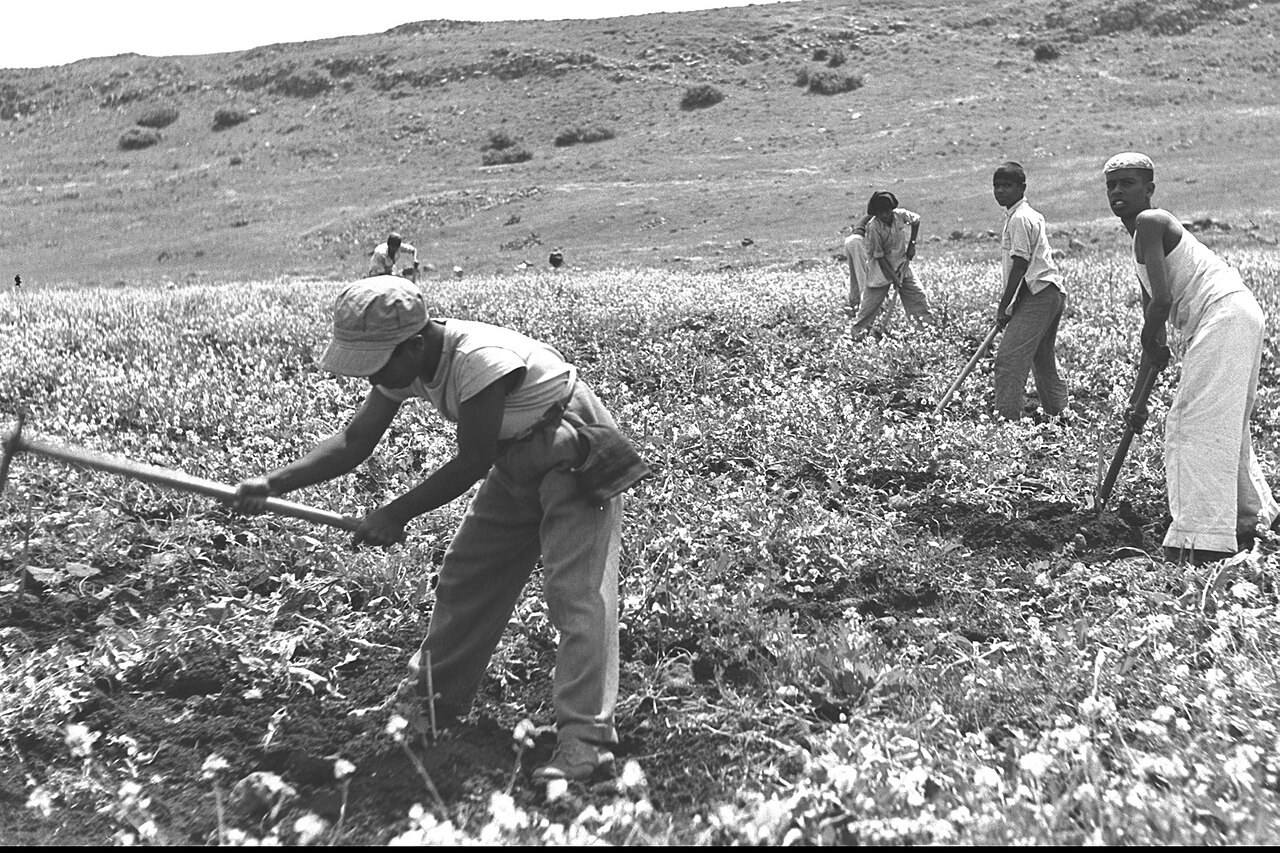
A year after the establishment of the state, the rest of the community made aliyah aboard the ship Galil. From the port of Haifa, they traveled straight to the Upper Galilee to help settle the land. Their main cargo was sacks of seeds and bundles of seedlings, and they even brought a sheep to serve as a sacrifice for the approaching Passover. The Jewish Agency sent them to the abandoned village of Ras al-Ahmar, where, together with immigrants from Libya, some of whom spoke Italian, they founded the moshavim of Kerem Ben Zimra and Alma. To their great astonishment, they discovered that some Jews in the country did not observe the Sabbath. The immigrants from Libya were not quite sure how to receive them, since it was said that wherever there were two communities, there were four synagogues, and now they were living... But over the years, the two communities became integrated with one another.
A small community of Jewish women remains in the village of San Nicandro. They observe the Sabbath while married to Catholics. Their sons remain Catholic, though some convert to Judaism, while the daughters inherit their religion from their mother and are therefore considered Jewish. Today, about forty Jewish women live in San Nicandro.
תגובות
עדיין אין תגובות.