
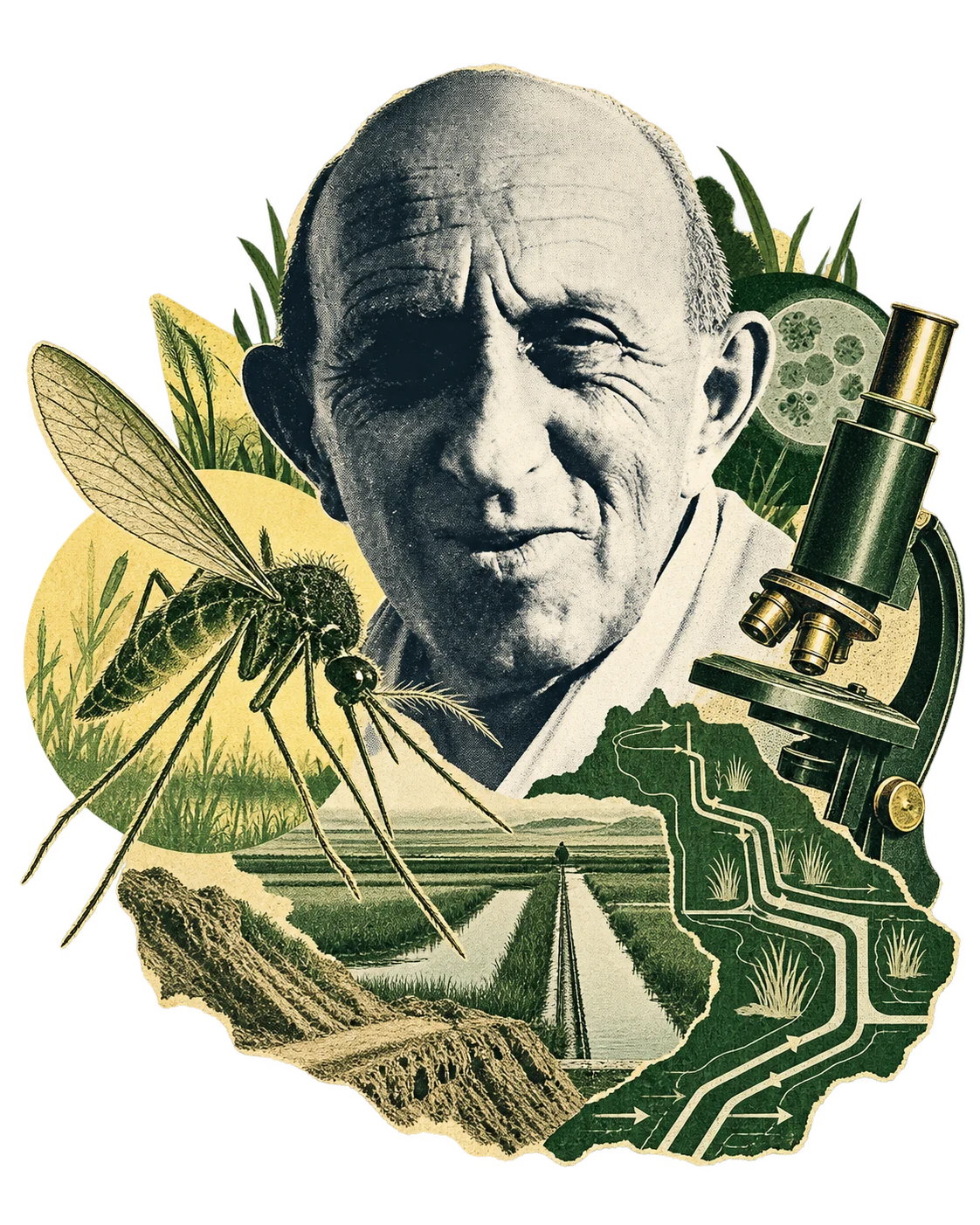
He stood against a cruel enemy that threatened settlement in the Jordan Valley, devised a strategy that would transform the region, and succeeded in eradicating the enemy completely. Prof. Gideon Geronimus Mer As these words are being written, memories of the COVID-19 pandemic are still vivid in the hearts of our generation. The alarming graphs were an inseparable part of our daily lives as we watched the world slow down and contract. Only when vaccination campaigns began did the world emerge from lockdowns and life return to normal.
Yesud HaMa'ala Against Malaria
Against this backdrop, it is easier to imagine the anguished letter Daniel Lubovsky, head of the local council of Yesud Hama'ala, wrote to Joseph Weitz, head of the Jewish National Fund, in 1951, when he learned of the plan to leave part of the drained Hula swamp close to his home. Lubovsky wrote with deep concern: "Indeed, our fears have come true. The JNF, together with the Ministry of Agriculture and an interministerial committee, has chosen a site for the reserve next to our home, thereby condemning us to live beside the swamp forever. There is no need to recount here a well-known story, no need to mention the difficult conditions our colony endured, waging a desperate war against the malignant swamp, a lasting memory of that war, the victims of malaria, countless victims, precious lives lost..." In his reply, Weitz tried to allay Lubovsky's fears: "There is no reason to fear that the reserve will become a breeding ground for malaria that will spread through your settlement. You know very well that even when the swamp covered the entire concession, it ceased in recent years to be a breeding ground for malaria, thanks to the measures taken to eradicate it there. All the more so, there is no reason to fear that the reserve, which is one tenth, perhaps even less, of the swamp as it once was, will become a source of malaria." And indeed, Weitz was right. Five years before he wrote his letter, in 1949, journalist David Pedahtzur described an astonishing phenomenon in Yesud Hama'ala: "And finally, a sensation of a very special kind: in Yesud Hama'ala there is not even a single mosquito. People sleep without mosquito nets... For nearly four years, not a single case of malaria has occurred, and the people of Yesud breathe easily, in both senses of the word." But the historical reality had not always been so reassuring. In earlier years, farmer Moshe Amitai described the colony's dire situation: "For twenty-eight years, wretched Yesud Hama'ala has been struggling with malaria. It sacrificed half its inhabitants in this battle, and in the end malaria prevailed." In the 1920s, the colony's residents knew that anyone who fell ill after spending eight days there had almost certainly contracted malaria, and had only a short time to live. Some families lost seven children, and the dead outnumbered the living.
Malaria played a major role in shaping the history of settlement in the Land of Israel. The most heavily infected areas, such as the Hula Valley, appeared abandoned, and their value consequently fell substantially. Early efforts to combat the disease included planting eucalyptus trees and distributing quinine, but it later became clear that these measures, funded by Baron Rothschild, were not the right solution.
In November 1934, Arthur Wauchope, then the British High Commissioner, summoned Prof. Gideon Mer, who was still Dr. Mer at the time, to meet with him in his office in Jerusalem. In a solemn and respectful atmosphere, Wauchope asked Mer: "Do you think the Hula Valley, which is infected with malaria, can be settled?" Prof. Mer replied with great confidence: "Your Excellency, I am certain that we can settle the Hula Valley. I believe, and am confident, that we will succeed in defeating malaria." Shortly afterward, impressed by Prof. Mer's confidence and determination, Wauchope decided to approve the Hula concession, thereby paving the way for a determined campaign against malaria and for settlement in the valley.
The Nationwide Battle Against the Swamps
In 1917, after the British conquest of the Land of Israel, they began mapping dangerous areas and drawing up plans to curb the epidemic, including draining swamps and installing sewage systems. The Zionist settlement movement joined the effort once it understood that eradicating malaria was essential to settlement. A broad partnership thus took shape between the British and Zionist organizations, including the Joint Distribution Committee and Hadassah, as well as Judge Louis Brandeis, who headed various Zionist organizations over the years.
The campaign against malaria was led by Dr. Israel Kligler, who established the Institute for Malaria Research in 1922. Gideon Mer, then a sanitary inspector at Dr. Nathan Straus's clinic in Musrara, joined the fight and worked as an anti-malaria inspector in the Sea of Galilee region under Kligler's supervision. In 1923, Prof. Mer was appointed chief inspector at the Institute for Malaria Research.
Prof. Gideon Mer's commitment to the fight against malaria knew no bounds. That same year, he went to Europe to complete his medical studies, graduating with distinction from the University of Naples. He then studied under Prof. Giovanni Battista Grassi, one of the leading researchers in the field, and continued his specialization in tropical diseases in Amsterdam and Paris. When he returned to the country in 1929, at the age of 35, Prof. Gideon Mer brought renewed energy and was appointed director of the Malaria Research Station in Rosh Pina. In recognition of the importance of his work, the first telephone installed in Rosh Pina and the entire region was placed in his home, becoming a symbol of progress and determination in the long fight against malaria.
From Childhood in Lithuania to the Land of Israel
Gideon Mer was born in 1894 in the town of Poshvol, near Panevėžys, Lithuania. His father, Dr. Aaron Mer, was an exceptional figure, a yeshiva prodigy who went on to study at the University of Moscow, where he graduated with distinction from two faculties, natural sciences and medicine. When he returned to his hometown in 1890, he began working as a doctor. Two years later, he married his beloved Hannah (Anna), née Berman, a gifted and beautiful woman who would later study dentistry as well. In 1894, their first son, Gideon, was born. From childhood, he absorbed values of helping others, scientific curiosity, and passionate Zionism. He would spend many hours in his father's laboratory and even then was determined to become a doctor, following in his parents' footsteps. But Gideon, a proud Jew, refused to convert in order to be admitted to university where he lived, so in 1912 he went to study medicine at the University of Heidelberg in Germany.
In Germany, he joined the Zionist student association He-Haver, where he first heard from his friends about the shortage of workers in the Land of Israel. Stories about the young country, in need of determined young people, stirred in him a powerful longing for the Land of Israel. In early 1914, a year and a half after beginning his studies, he decided to immigrate to the Land of Israel, despite his parents' opposition and with nothing to his name. With a dream in his heart and a suitcase in his hand, he made his way to the land then under Ottoman rule. Once there, he struggled to make a living as a watchman in the orchards of Rehovot. His mother Hannah, worried by his bold decision, traveled to the country to persuade him to return to Lithuania, but Gideon stood firm and said: "Building up the land is more important than a private career." He rejected all his mother's offers, including financial support, and continued to live on his modest wages. After his mother returned to Russia, his father was drafted into the Russian army and served in World War I. The Ottoman authorities required foreign residents to become Ottoman citizens in order to remain in the country. Gideon complied and even joined the Ottoman Red Crescent. One day, Turkish soldiers mistakenly identified him as a Russian subject, arrested him, and deported him to Egypt. In April 1915, Gideon was among the first to volunteer for the Muleteer Corps, established in Egypt as part of the British army ahead of the Gallipoli campaign. He served alongside Joseph Trumpeldor, who appointed him his personal assistant. Gideon Mer fought at Gallipoli and was wounded. After the war, he returned to the Land of Israel and spent some time with the Labor Battalion at Tel Yosef kibbutz. At the end of the war, in 1918, he found work at the Institute for the Fight Against Malaria, a job that would become his life's calling and lead him toward the great battle for public health and the establishment of Israel.
In Rosh Pina and the Hula Valley
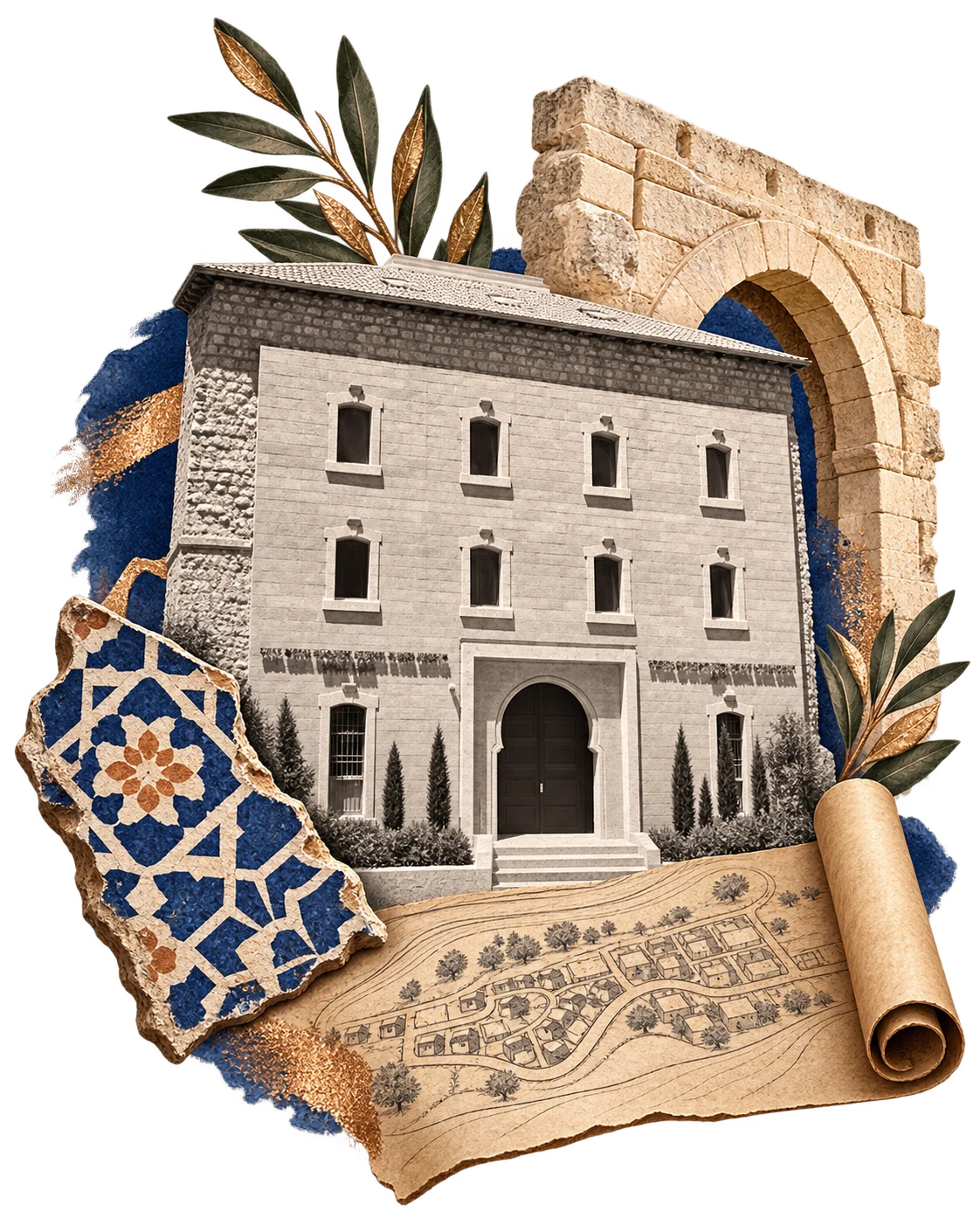
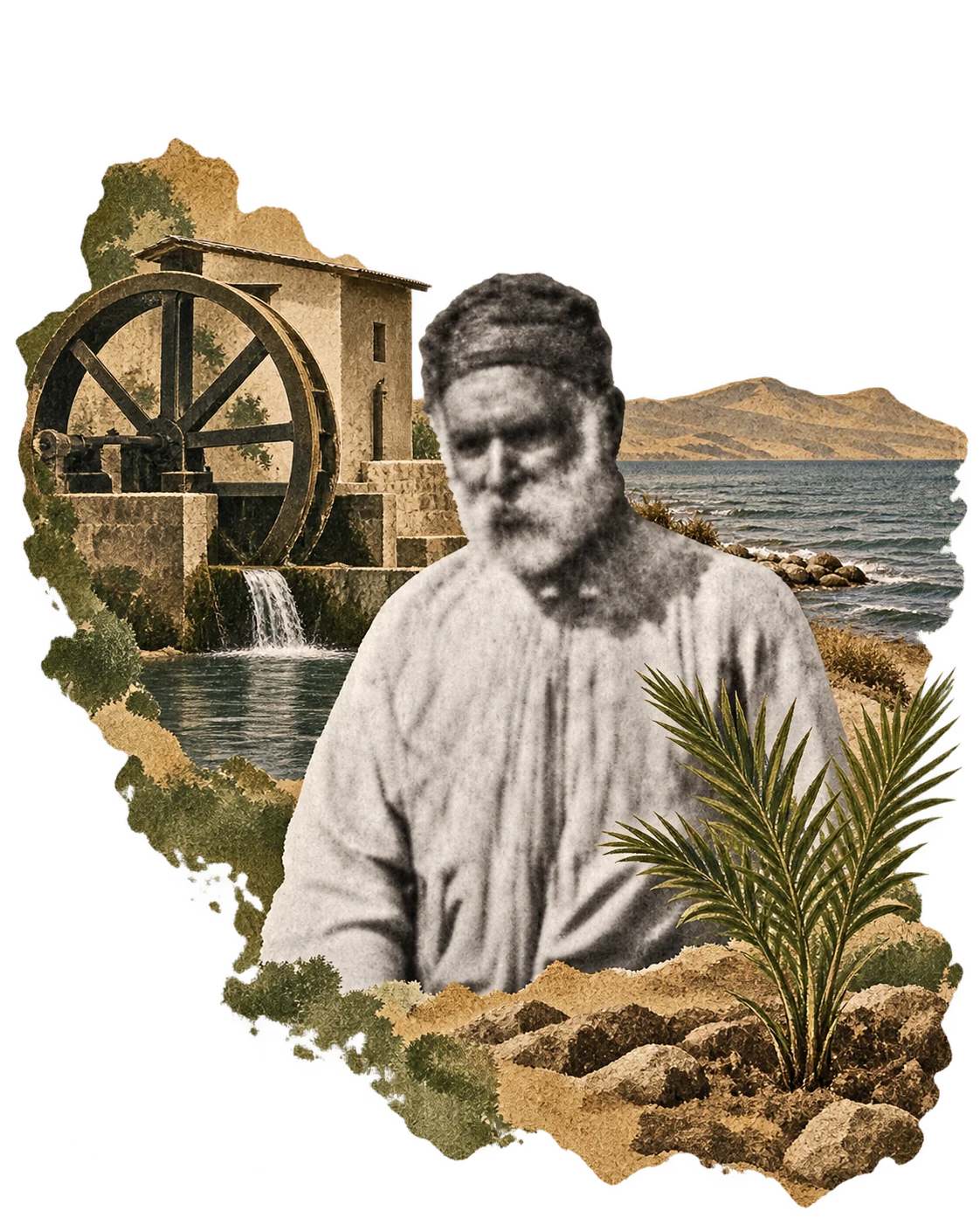
Prof. Gideon Mer's work laid the foundation for Jewish settlement in the northern Hula Valley. From 1934, for thirteen years, he devoted his life to the fight against malaria, drawing on his extensive experience from World War II. As an officer in the British army and an expert in tropical diseases, Mer was sent to the Fertile Crescent and Southeast Asia, where he developed new chemical and technological means of controlling the deadly disease. The resilience of the Jewish community depended on draining the swamps and subduing the Anopheles mosquito. In 1922, Dr. Israel Kligler, one of the leading experts in the field, founded the Institute for Malaria Research in Haifa and headed it. From 1923 to 1925, he led the disease research unit in the Mandate government's Department of Health. His vigorous work included mapping areas with high rates of illness and death, and identifying the female Anopheles mosquito as the sole carrier of the disease. Kligler looked for a suitable location for a field laboratory and chose Rosh Pina because it was close to the Hula swamps, yet far enough away to protect the residents' health. The Malaria Research Station was established there in 1927 and became the Hebrew University's first field unit. In addition to local funding, it was supported by grants from the League of Nations and the Mandate government. The building that housed the laboratory, built in 1893 and formerly used by Baron Rothschild's administration, became an important training center for doctors and researchers. In 1929, Prof. Gideon Mer was appointed director of the station under Kligler's supervision. Clinics were also set up in the Hula swamps, providing free treatment to the local Bedouin population of villages belonging to the Arab al-Ghawarna tribe.
Kligler and Gideon Mer understood that the fight against malaria had to include all the residents of the region, Jews and Arabs alike, because "the mosquito does not distinguish between Arabs and Jews." The Arabs gave Mer the nickname "Hakim Malaria" because they trusted him and because of his dedication to treating everyone equally.
From the balcony of his home, Prof. Mer looked out over the Hula Valley, saw it as a future site of Jewish settlement, and dreamed of the day he could declare it safe for settlement. His vision came true in October 1939, when Kibbutz Amir was established on land belonging to the Arab village of Khiyam al-Walid, after the JNF purchased it. Prof. Mer set strict safety rules, including treating standing water, protecting the farm’s livestock, and imposing a curfew at sunset. At night, only the guards went out, dressed in "malaria clothes": long-sleeved shirts, long pants, and protection for their faces and hands. Mer warned: "If these instructions are not followed, the kibbutz will not last more than a few months." Mer's settlement plan included careful, detailed preparations to protect against the Anopheles mosquitoes that endangered the settlers' lives. He worked determinedly to make the settlements as safe as possible and introduced innovative safeguards, including installing screens, mosquito nets, and outward-opening doors to keep mosquitoes out. They also used insecticidal liquids and sprayed diesel, kerosene, and oil in areas a kilometer from the settlement to combat mosquito larvae. The buildings, too, were carefully designed in accordance with the guidance of the Malaria Research Station. The huts, dining halls, and living quarters were laid out to keep mosquitoes away, and efforts were made to keep communal spaces free of odors that might attract them. Each evening, people entered in staggered groups in the dark, and settlers were required to wear "malaria clothes".
In 1942, during the war, Prof. Gideon Mer went on a research mission to the Muzbad region of northern Iran, and his journey also took him to meet the Jewish community in Calcutta. At that time, he wrote in his diary about the profound feelings that had come over him and the historical significance of the period: "I'm glad I saw those Jews, who are strangers to me, yet I know that I look after them as I do all the Jews of the world... One must consider what a terrible danger we escaped, because what would have happened if Hitler had won? The same fate awaited Jews all over the world as befell the Jews of Poland... When people ask me, what will this war give us? What will it give the Jewish people? What will it give Palestine? For now I can only answer: life and hope. Is that so little? Is that not worth fighting for?"
On May 23, 1944, a few months before Prof. Israel Kligler's death, Prof. Gideon Mer wrote him a moving letter from his laboratory in Southeast Asia: "My dear Prof. Kligler: First, let me tell you that malaria research now has a term called the 'Kligler group,' which includes you, of course, me, Reitler, and others. The group has become well known here, and from my experience so far I have learned that anyone who dared to disregard its research findings made a grave mistake." Mer's words expressed not only his deep regard for Kligler, but also the international recognition the research group had earned.
Prof. Gideon Mer continued his research, and during the years he directed the station he conducted a series of impressive studies that transformed the fight against malaria. He investigated the factors behind the migration of *Anopheles sacharovi* mosquitoes, developed methods for determining the age of female Anopheles mosquitoes, and studied the parasites' developmental cycle. In an unusual experiment, he allowed infected female mosquitoes to bite him, his wife Zina, who was pregnant at the time, and another volunteer. Only their son Zalman, born later, remained immune to malaria. These groundbreaking discoveries earned Mer the title of professor from the Hebrew University. He developed a method for extracting pyrethrum from chrysanthemum plants in his yard and created a unique spraying device based on a Primus stove mechanism, which was used to spray the walls of homes. On November 15, 1945, King George VI awarded him the highest honor of the Order of the British Empire, an honor of this kind never before given to a Jew who was not a British subject. The recommendation cited his remarkable achievements: "Lieutenant Colonel Mer is responsible for taking significant measures in the fight against malaria. He was responsible for organizing an efficient laboratory. His initiative and drive led to results in all weather conditions... His tireless zeal and scientific achievements were of great value to the army."
Prof. Mer returned to the country with extensive experience and a renewed sense of purpose. The knowledge and experience he brought back proved invaluable in the fight against malaria in the Hula Valley, and in 1949 settlements such as Yesud Hama'ala and Hulta were freed from the disease's persistent threat. Prof. Mer summed up the fight against malaria in simple but powerful words: "This is the sign of victory." For him, it was not only a victory over a deadly disease, but also a symbol of hope and renewal for the entire country. In 1946, a comprehensive DDT spraying campaign across all the settlements in the Hula Valley brought the fight against malaria to its peak, and the disease was almost completely eradicated. Just three years later, in 1949, the threat of malaria was finally removed from Yesud Hama'ala, prompting criticism of the need for the Hula drainage project that began in 1951.
The Years of Service and the Legacy
In 1948, at the age of 54, Prof. Gideon Mer was called into state service once again, this time as a combat doctor in the War of Independence. He was appointed doctor for the Eastern Galilee and the Oded Brigade, and soon joined the small staff of Chief Medical Officer Prof. Haim Sheba. When the Medical Service became the Medical Corps, Mer continued in his role, devoting his skills and experience to the health of the fighters. Even after the state was established, Mer did not stop working. He continued his tireless research into malaria and mosquito control, and served as an adviser to the Ministry of Health and as its acting director in 1956-1957. He represented Israel at the World Health Organization and brought the country to the forefront of global scientific research. The research station in Rosh Pina was the center of his life, and he turned it into a world center for malaria research that hosted researchers from around the globe.
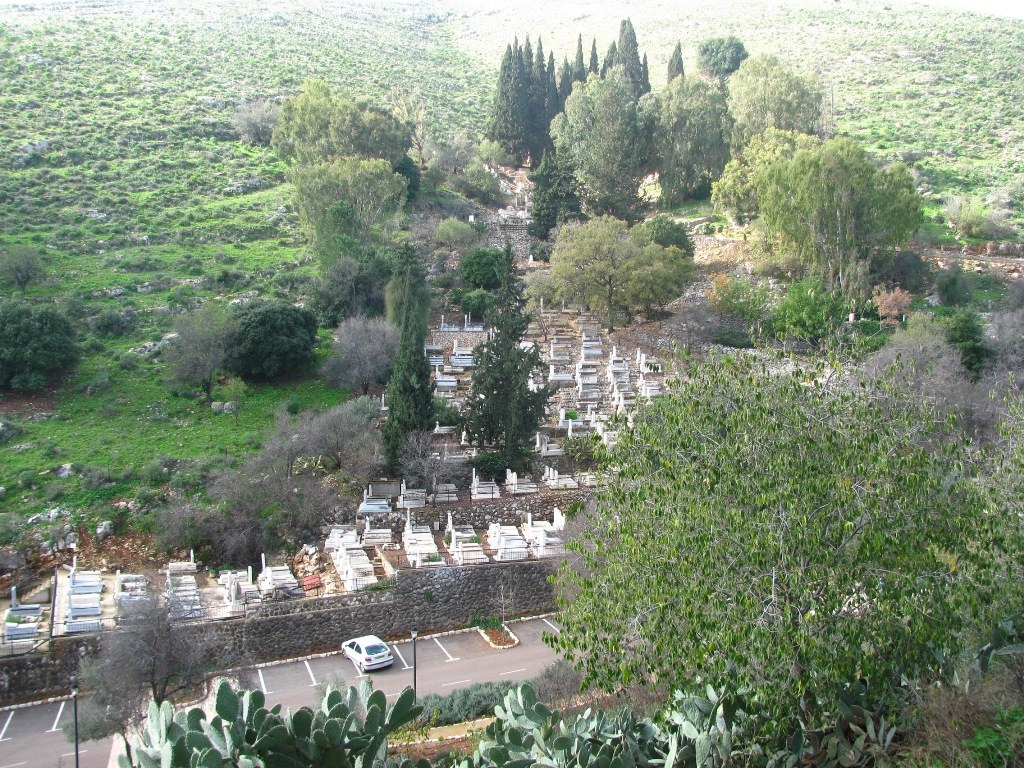
Prof. Gideon Mer died in March 1961, at the age of 66. He was buried in Rosh Pina, near his home and the research station he had directed for more than thirty years. After his death, the World Health Organization published a moving summary of his contribution to medical science: "Prof. Mer was one of the representatives of a dwindling group of malaria experts with an intimate knowledge of every aspect of the disease's causative agents, its effects, and how to combat it. His great contribution to research into the causes of the disease, focusing on the female Anopheles mosquito, constituted a vital scientific breakthrough in the 1930s. The State of Israel's success in overcoming malaria and removing it as an obstacle to economic and settlement development was thanks to Prof. Mer's initiatives, his experience, his energetic work, and the enthusiasm he inspired in everyone who came into contact with him and had the privilege of working alongside this wise, generous, and modest man."
Gideon Mer's family life was also marked by devotion and a struggle for noble principles. His daughter Mia Mer-Efron, a member of the Women's Auxiliary Corps and the Palmach, is the mother of Lihi Hanoch and musician Ran Efron. His second daughter, Arna Mer Khamis, was a political activist and the mother of actor and director Juliano Mer Khamis, who was murdered in Jenin in 2011. His son Zami (Zalman) Mer was one of the leaders of the Kibbutz Artzi movement.
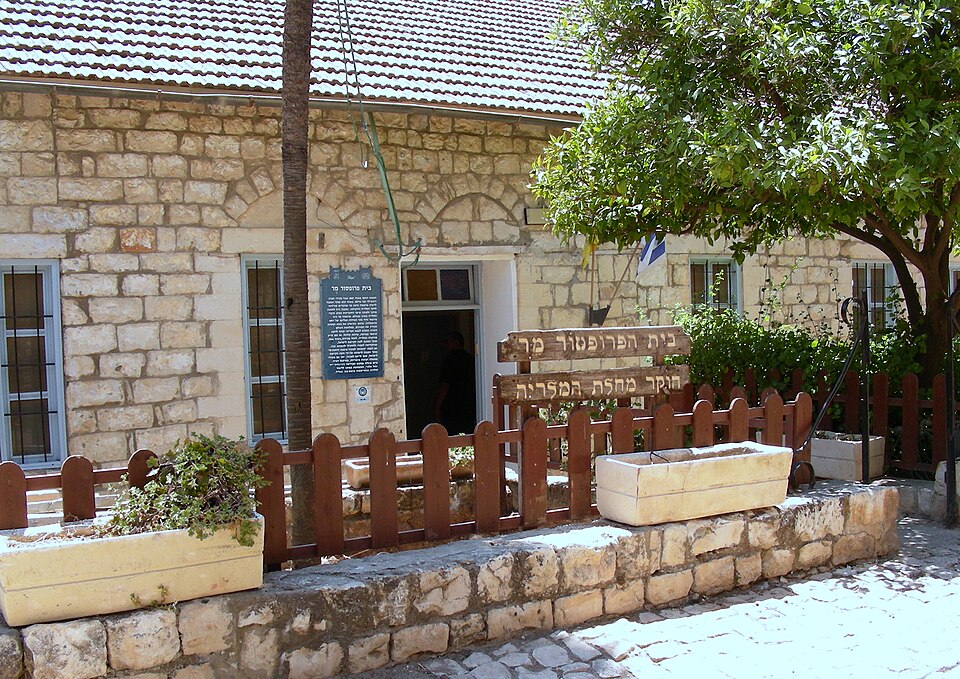
Prof. Gideon Mer's legacy lives on in Rosh Pina, in his restored home and laboratory. The site, called Beit Mer, features an exhibition dedicated to his work, as well as the laboratory of the Malaria Research Station and his personal belongings.
Despite Prof. Mer's achievements in eradicating malaria in the country, the disease has not been completely eliminated worldwide. Today, between 1.4 and 2.4 million people die from it every year, and historians such as Timothy Winegard argue that mosquitoes have caused the deaths of more than 5.2 billion people throughout history, making them an "apex predator" that continues to change the course of human history.
And yet Israel remains in a unique state known as "anophelism without malaria" - a condition in which Anopheles mosquitoes have been confined to isolated ecological niches and no longer pose a real threat. This is a testament to the great victory of Prof. Mer, a man who devoted his life to saving others and bringing hope to a world stricken by suffering.
תגובות
עדיין אין תגובות.