
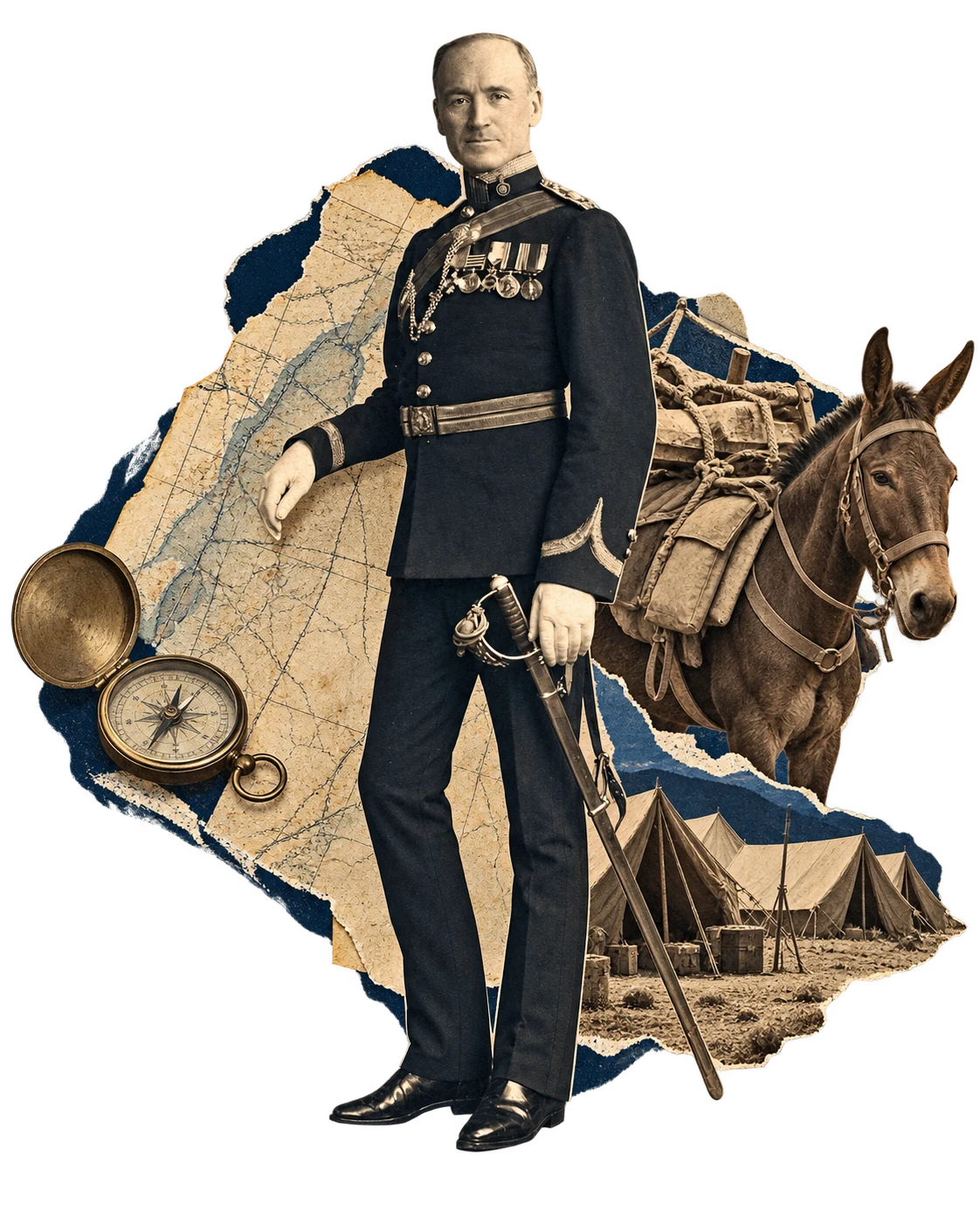
A devout Protestant and Zionist who was delighted to take command of the Jewish unit in the British Army. In the words of Jabotinsky: "In all Jewish history, we have never had a Christian friend as understanding and devoted as he was"
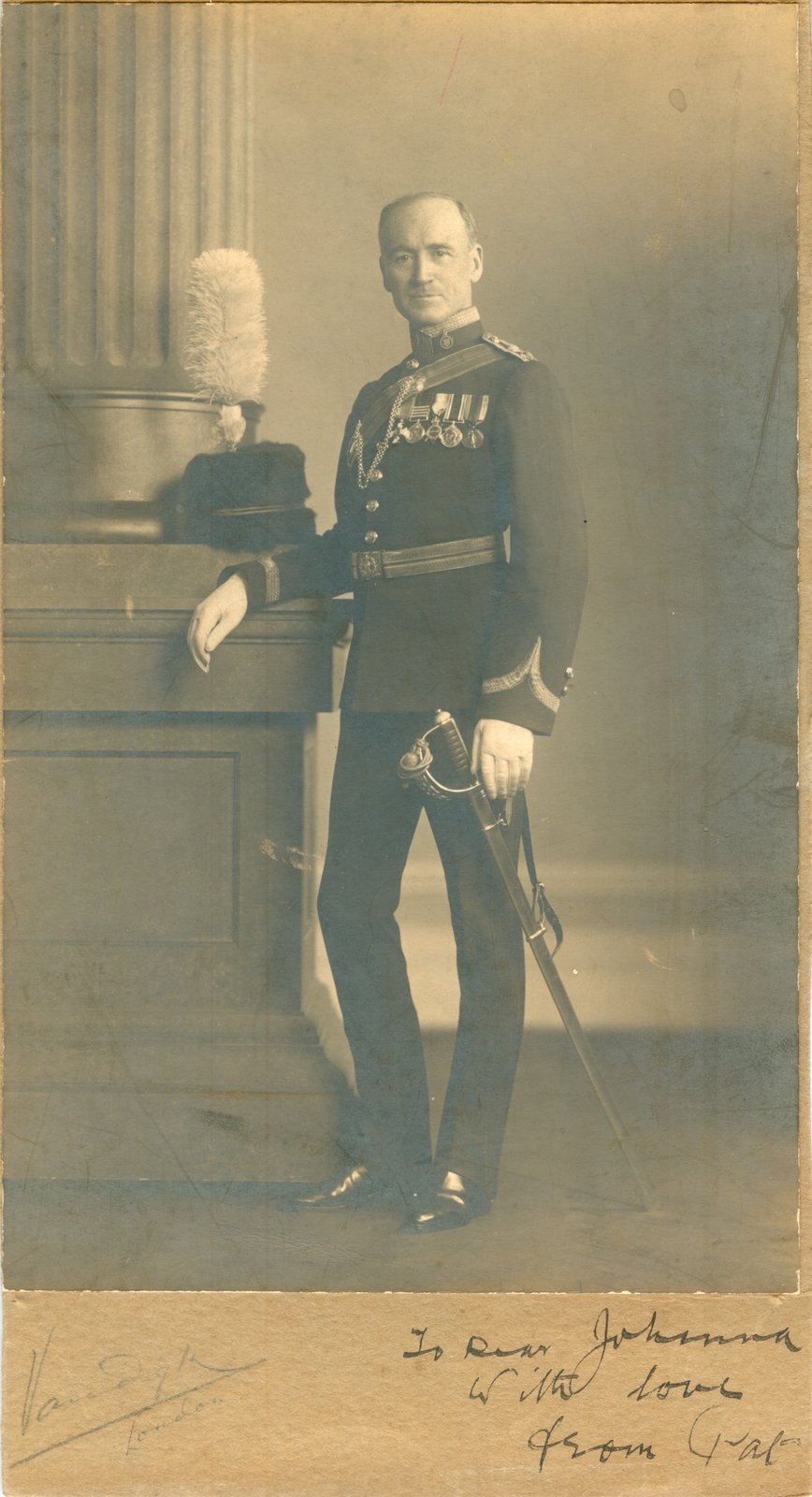
"I was born a Zionist" - this is how Lieutenant Colonel John Henry Patterson (Jonathan) described himself. "My parents were Zionists too. I am a member of the Anglican Church. My parents were devout people. On Sundays, one was not allowed to speak of 'worldly matters', so I sat and read the Bible. The prophets' vision of Israel's redemption had a profound effect on me. I was filled with love for the Hebrew people and respect for the spiritual treasure they gave the world. I am not Jewish, but I cannot understand how a Jew today could stand by and not help build the Land of Israel."
Officer, Engineer and Hunter
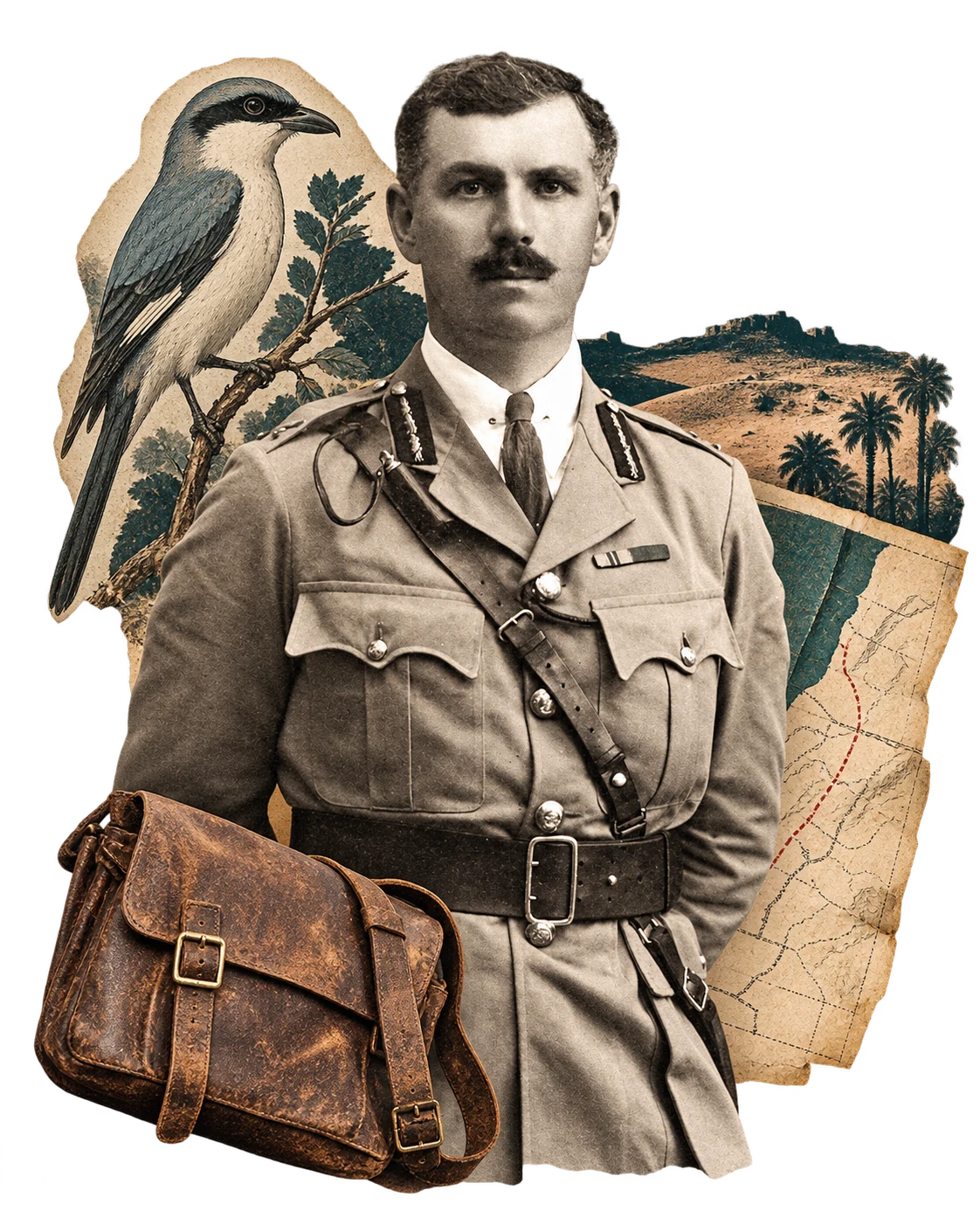
Colonel John Henry Patterson was born in 1867 in a small village in Ireland and joined the army at the age of 18. He served in India and East Africa and fought in the Boer War in South Africa. In 1906, on one of his hunting expeditions, he hunted an antelope from a previously unknown subspecies, which was therefore named after him - Patterson's eland (Taurotragus oryx pattersonianius).
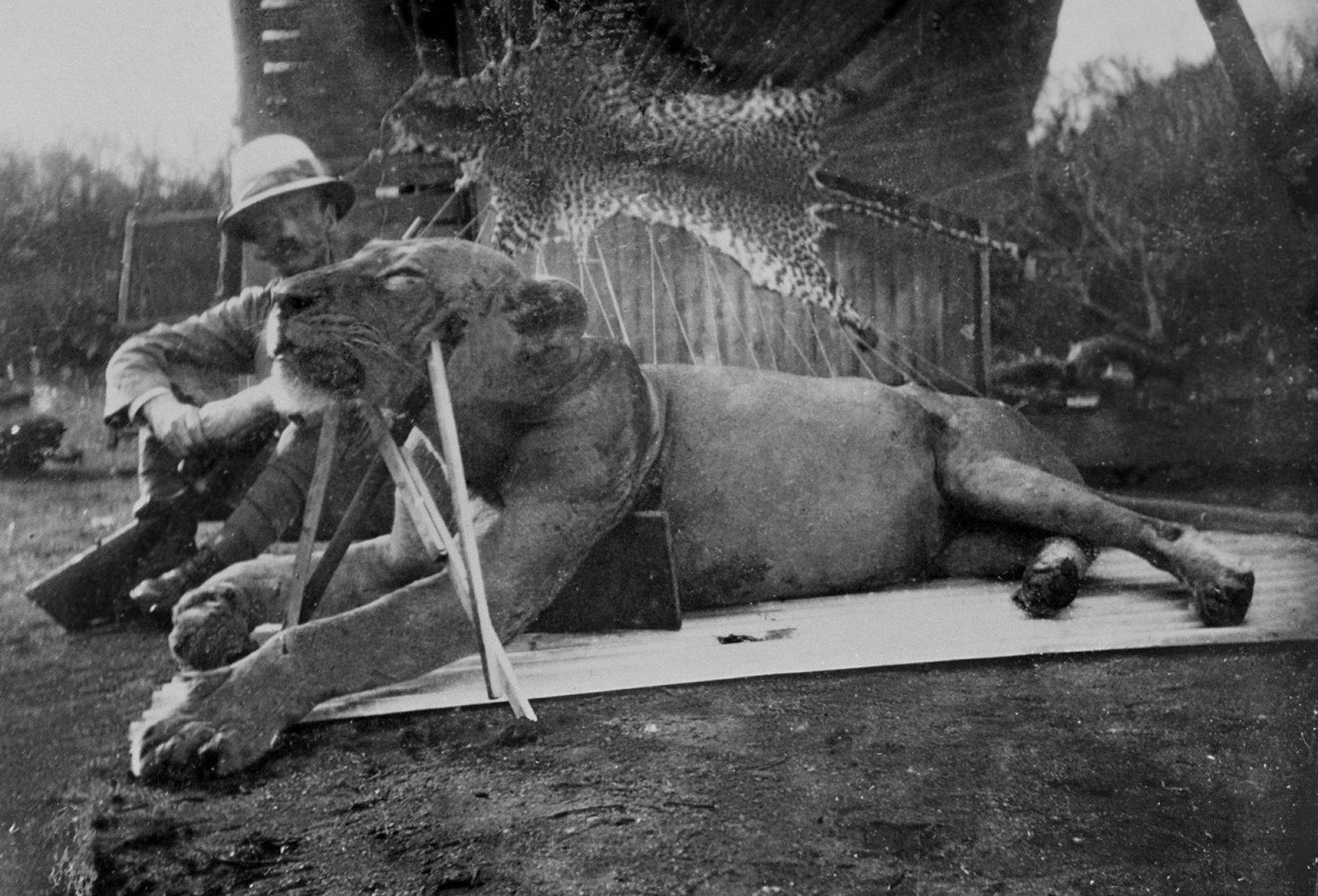
Patterson was trained as a railway engineer and became known for building a bridge over the Tsavo River in Kenya on the railway line from the port of Mombasa to Nairobi. While working as a railway engineer in Uganda, he hunted lions and wrote about it in his book The Man-Eaters of Tsavo, in which he described a pride of lions that preyed on people and ate their flesh. Patterson recounted how he managed to overcome and kill the lions. A photograph of him with one of the dead lions was widely circulated around the world, and the book, which became a bestseller, earned him the distinction of being invited to meet President Theodore Roosevelt, a well-known hunting enthusiast.
Audley and Ethel (Effie) Blyth saw the photograph too, and in early 1908 they approached him to arrange a safari for them - a sport popular at the time among the upper classes.
The safari set out on January 21, 1908. For two months, the large caravan made its way slowly along a prearranged route. The problem was Audley's health. A wound on his foot that would not heal forced him to lie on a litter carried by eight Africans. From time to time, Audley managed to overcome the pain, join the hunt, and kill an elephant, lions, leopards, and a giraffe. During that expedition, it became clear that Effie was a better shot than her husband Audley, which caused some tension between the couple.
The Blyth Affair
Three months later, an event took place that shook the upper classes. On the morning of March 21, 1908, a gunshot rang out from the main tent at the safari camp. Inside, they found the body of Audley James Blyth, a 34-year-old British aristocrat who had shot himself in the temple. Strangely, his beautiful wife, 27-year-old Ethel (Effie) Jane, was not with her husband at the time, but in the tent of Colonel John Henry Patterson, who was then married and had a child.
Several hours after Audley's death, Patterson led a short funeral procession outside the tent camp, and Audley was buried in a grave marked with a pile of large stones. Patterson and the widow Effie continued their journey as if nothing had happened, reaching Nairobi only six weeks later. Patterson wrote in his book: "I felt responsible for Mrs. Blyth's safety and that I must always stay close to her to protect her. So I decided the best thing would be to divide my tent in two. I put up a partition in the middle of the tent. I always went to bed wearing my uniform, with a rifle beside me in case it was needed."
Upon arriving in Nairobi, Patterson wrote a report in which he stated, among other things: "Mr. Blyth was very ill... and was also suffering from sunstroke... I sat in his tent all night... In the morning, I told him he should stay in bed for another day, but he said, 'No, no, I can go on.' I left the tent to speak with the safari staff. I was standing about 50 meters from the tent when I suddenly heard a gunshot. I hurried to the tent and found Mr. Blyth with a pistol in his hand and a bullet lodged in his right temple. He was pronounced dead immediately... We returned to Nairobi as quickly as my health allowed... Mrs. Blyth was heartbroken... They were devoted to one another, and she took good care of him when he was ill."
The fact that Colonel Patterson and Mrs. Blyth shared a tent caused a stir in England. The high point came when none other than Winston Churchill, later the victorious prime minister of the Second World War and then a minister in the British government, spoke out. At a formal dinner in London, with wine having loosened his tongue, Churchill called Patterson "an adulterer and a murderer." The words reached Patterson, who threatened to sue Churchill for libel and seek substantial damages. Churchill hastened to apologize.
Patterson was not put on trial and, in effect, emerged from the affair without legal consequences. But for several years he was out of work and was forced to leave the army.
The writer Ernest Hemingway heard from various people about the Blyths' safari and Audley's death. Based on this incident, he wrote his story "The Short Happy Life of Francis Macomber," which was adapted into the film The Macomber Affair.
The Hebrew Battalions
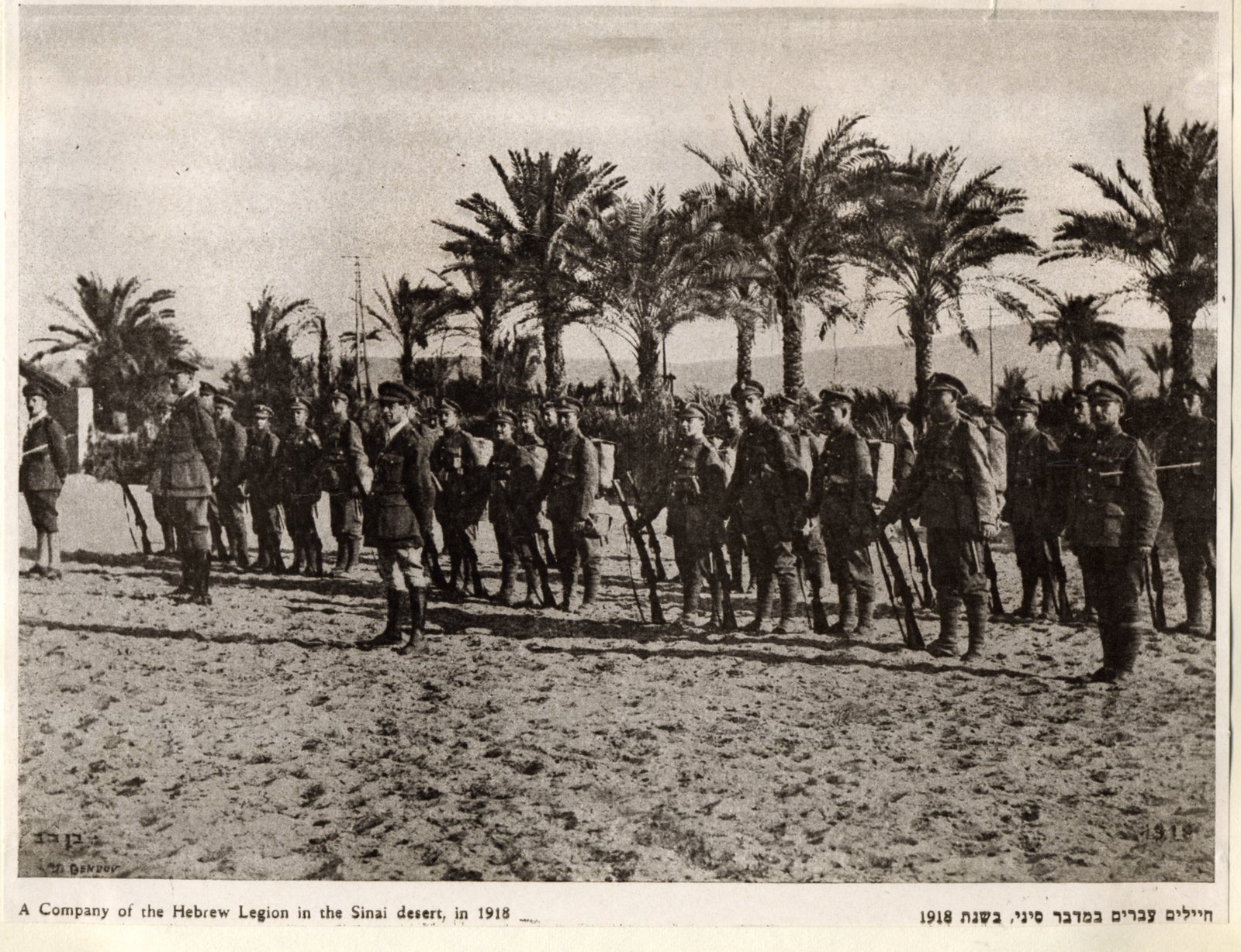
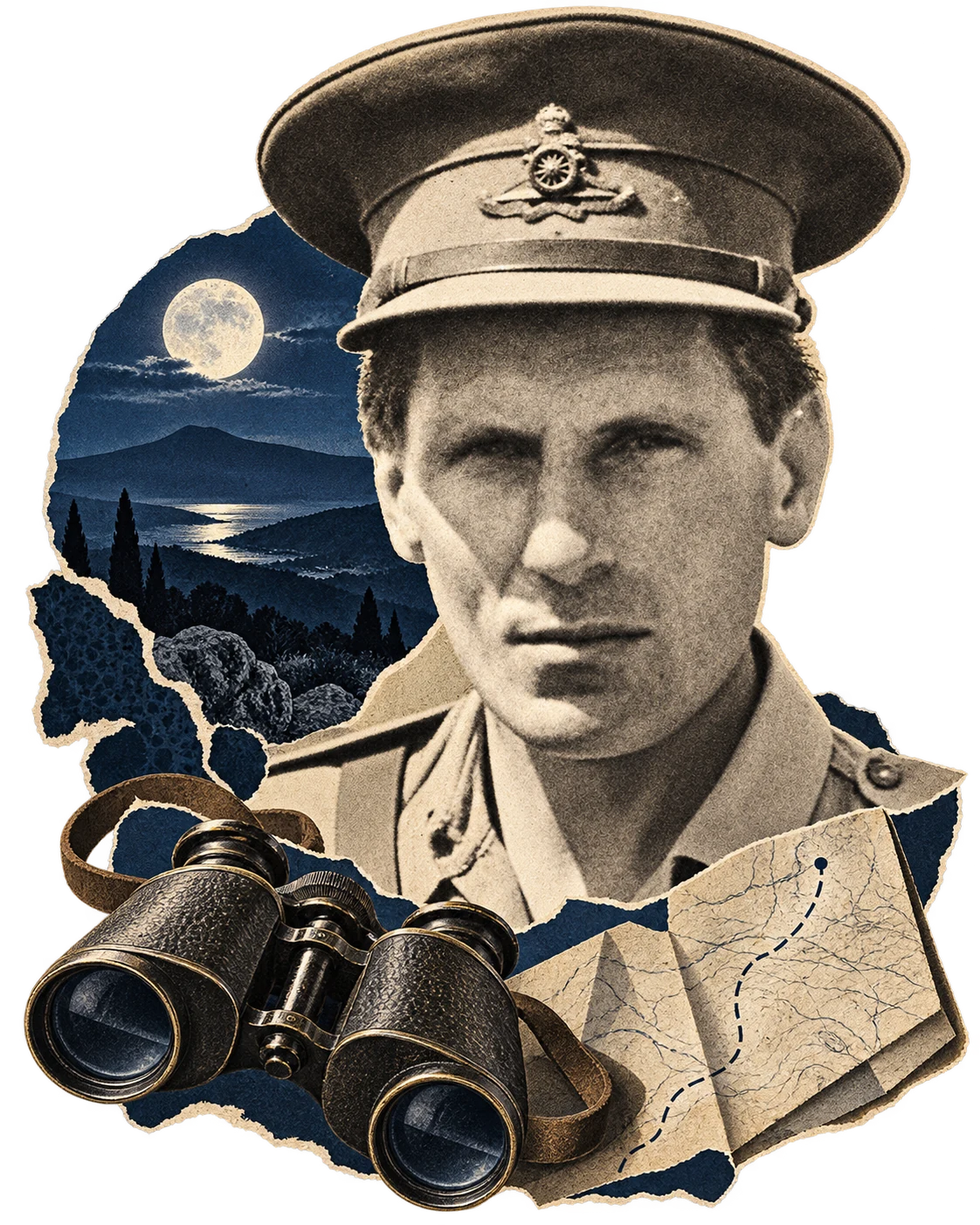
In 1914, with the outbreak of the First World War, Patterson offered his services to the British Army but was not given significant command of any unit. Salvation came in the form of the "Hebrew Battalions," which were beginning to take shape at the British War Office. In 1915, Patterson went on a tour of Egypt. At that time, Jabotinsky and Joseph Trumpeldor began working to establish a Jewish unit in the British Army. With the help of Joseph Trumpeldor, who was appointed his deputy, Patterson formed a military unit of 650 men, including 500 combatants. That same year, they were sent to the Gallipoli front in Turkey, along with 750 mules. Patterson chose a Star of David as the unit's insignia. The battalion was called the Mule Drivers' Battalion.
In May 1916, after the failure at Gallipoli, the battalion was disbanded. A year and three months later, in August 1917, a new Hebrew battalion was established - the 38th Battalion of the Royal Fusiliers (City of London Regiment). Patterson also commanded this battalion, and Jabotinsky was appointed an officer in it. The battalion arrived in the Land of Israel in April 1918 and took part in the battles that led to the conquest of the north of the country and the final expulsion of the Turkish forces.
Jabotinsky heaped praise on Patterson. First and foremost, he was impressed that Patterson, a Christian, had become a "Zionist," and wrote that he was "one of the few generous men of Nazareth with whom the Almighty has blessed the paths of our exile, from ancient times to the present." Jabotinsky also knew Patterson's other side: "Many friends, many enemies... His life is a novel."
A few years later, Ethel (Effie) Blyth married a wealthy merchant named Anderson and moved with him to New Zealand. Effie died in 1931. The cause of death was determined to be a heart attack, but a postmortem examination revealed various injuries on her body, prompting suspicion that Anderson had pushed her and made her fall down the stairs in their home.
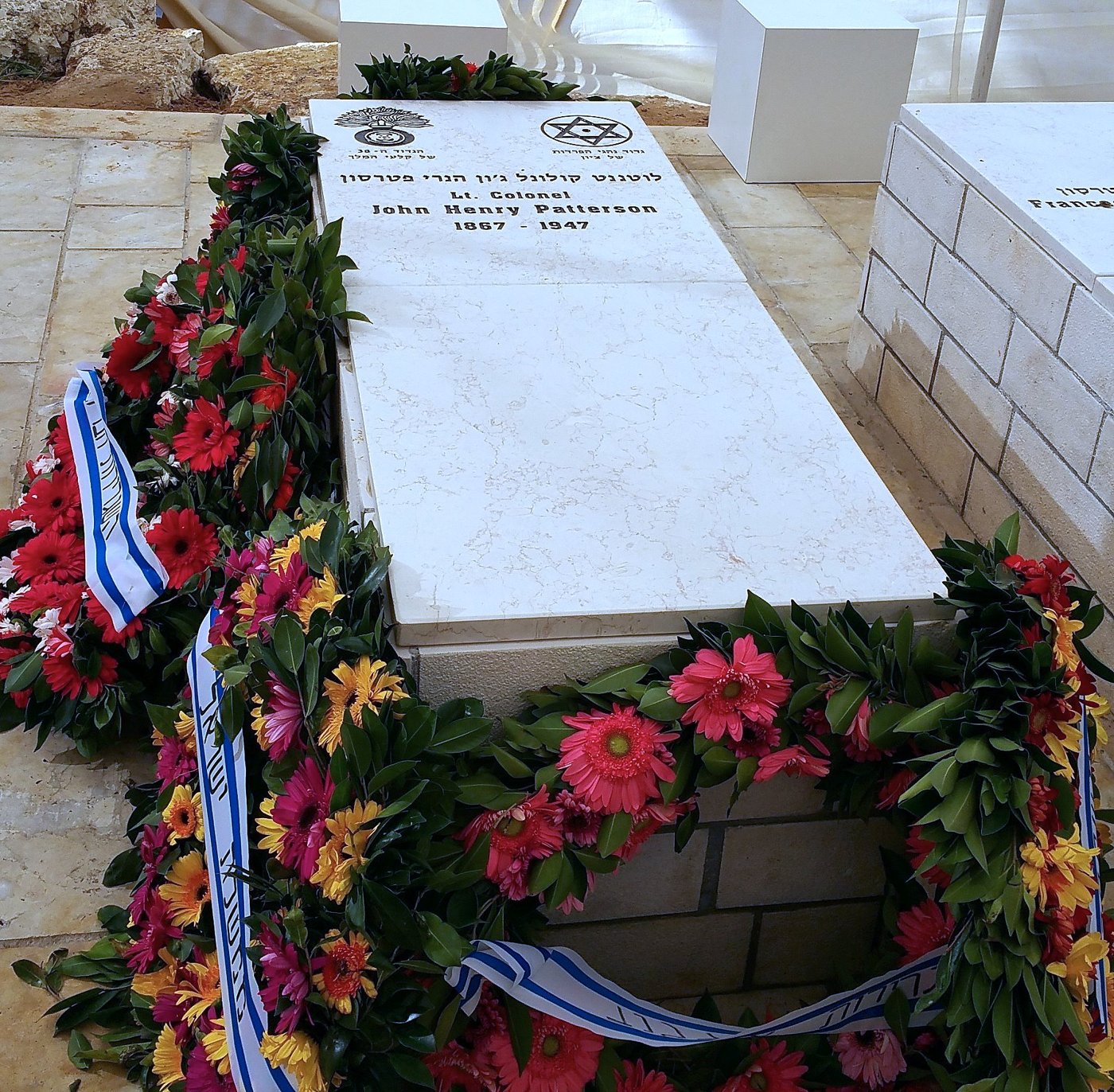
John Henry Patterson was married to Frances Helena Gray, one of the first women in Britain to study law. He died in Bel Air, Los Angeles, on June 18, 1947. In 2011, the colonel's grandson, Alan Patterson, approached Yossi Ahimeir, director of the Jabotinsky Institute, and asked to have the colonel's ashes brought to the Land of Israel, to rest alongside the fighters of the Hebrew battalions he had commanded. "This was my grandfather's wish, to rest for eternity beside the men who served under him. I very much want to make that dream come true and bring the urn with his ashes to the soil of Israel," the grandson wrote.
In October 2014, the urns containing the ashes were brought to Israel, and on Thursday, December 4, 2014, Patterson and his wife were buried in a special plot overlooking the military section and the Hebrew battalions section, in the cemetery of the moshav of Avihayil, near Netanya. Prime Minister Benjamin Netanyahu attended the funeral and spoke movingly in Patterson's memory, as there had been a longstanding connection between the Netanyahu family and Patterson. Netanyahu's father, Ben-Zion Netanyahu, was a friend of the colonel, and Ben-Zion's eldest son, Yonatan (Yoni), was named after John Patterson.
By bringing his ashes to the Land of Israel and burying him here alongside the fighters of the Hebrew battalions, a historical circle was closed, and great gratitude was shown to one of the heroes of our people, one of the greatest supporters of Zionism, the people of Israel, and the State of Israel.
"We salute you, John Henry Patterson," Netanyahu concluded at the burial ceremony in Avihayil.
תגובות
עדיין אין תגובות.