
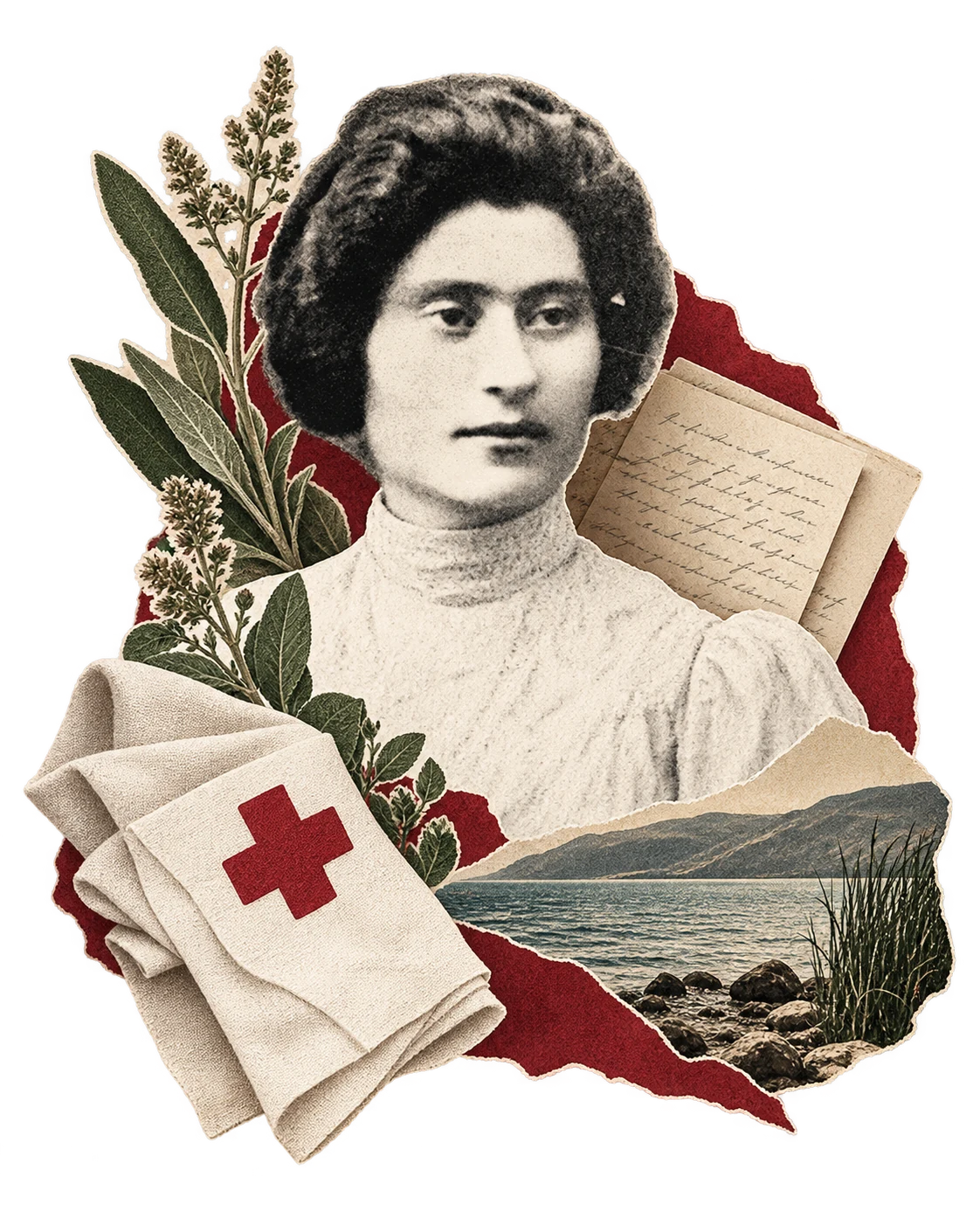
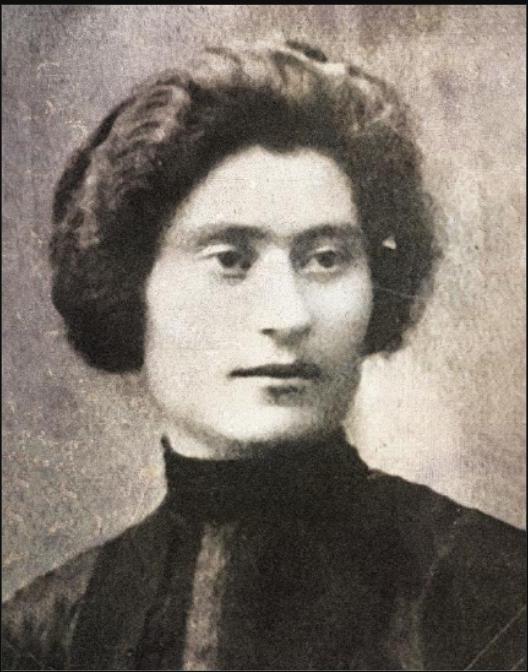
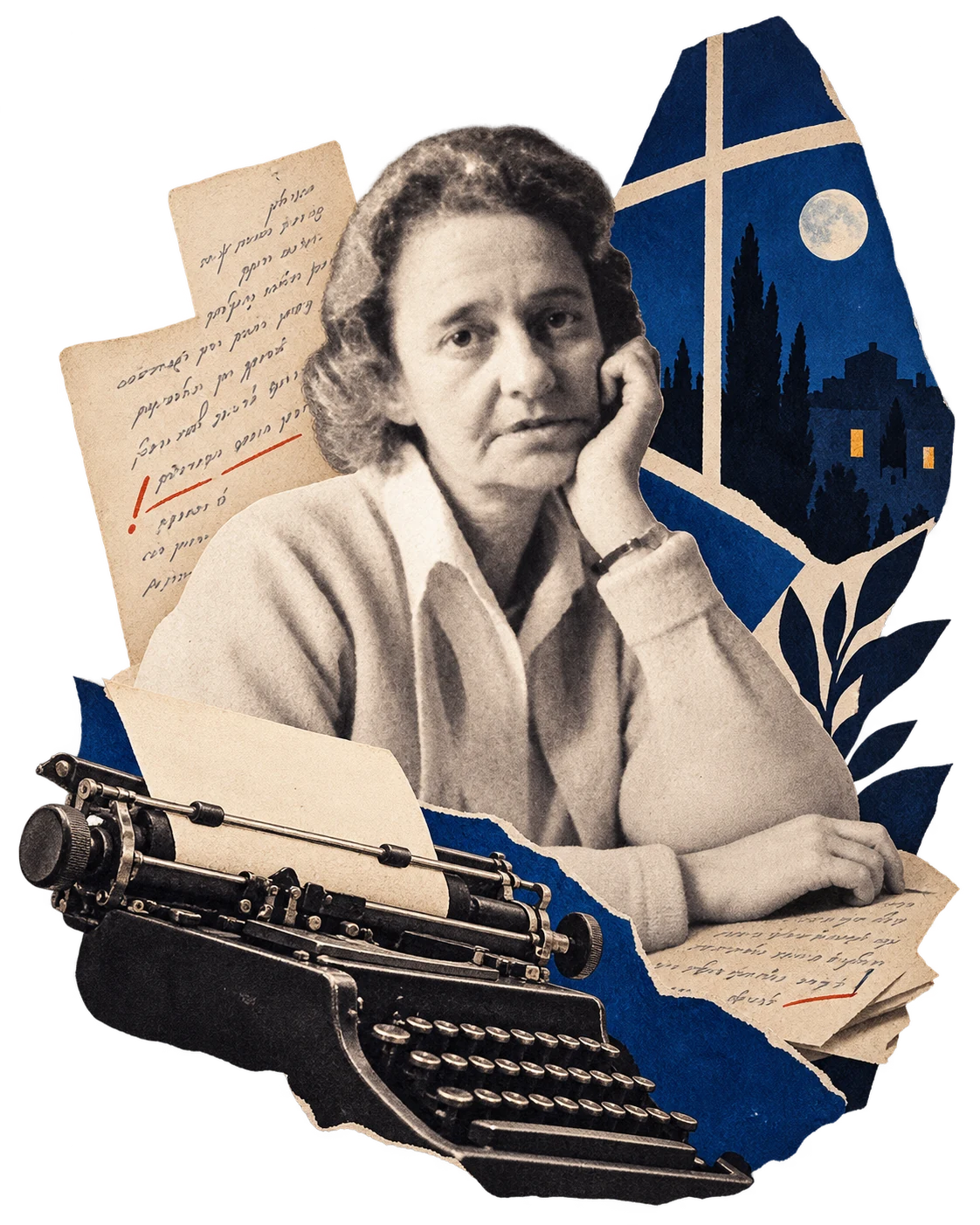
One was his beloved, the other his wife. One is buried to his right and the other to his left, with his wife's consent; she and his beloved were close friends. This is the story of the nurse Sarah Shmukler.
Sarah Shmukler in the Land of Israel
Sarah Shmukler was born in Kyiv in 1889. She graduated from nursing school with honors and even received a gold medal. Like many of her generation, Sarah was inspired by the Russian Revolution, but her heart was drawn to the Land of Israel, where she hoped to bring about her own revolution.
In 1913 she immigrated to the Land of Israel and joined the hospital of Dr. Hillel Yaffe in Zikhron Yaakov as a nurse, becoming his right-hand woman. Although some workers at the time owed her their lives, Sarah wanted to be a pioneer and work the land, so she joined the revolutionaries of the Kinneret group. There she worked in the fields and the kitchen, and also nursed groups of workers.
Later she moved to Yesud HaMa'ala, where she again worked with selfless devotion, and her care saved many from death. She won the trust of her patients and became attuned to the problems and hardships of every family.
While treating patients with yellow fever, she too contracted the disease. On May 3, 1919, her condition worsened and she was taken to Rothschild Hospital in Safed, where she burned with fever for three days. Sarah died on May 6 of that year, with her closest friend, Leah Miron, at her side. Sarah was buried in the cemetery of the Kinneret group, and many of her friends attended her funeral and paid tribute to her.
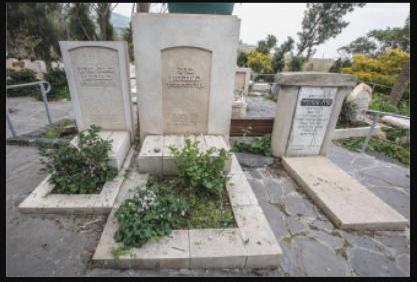
Dr. Hillel Yaffe wrote the eulogy for Sarah, gentle, golden-haired, blue-eyed, and full of loving compassion: "...In the annals of nations there are always a small number of hidden heroes, true heroes, gifted and energetic, learned and deep-thinking, modest and unassuming. They are the ones who work beyond their strength."
Berl Katznelson, overcome with grief as he stood before the grave into which Sarah, his beloved, had been lowered, felt as if the ground had given way beneath his feet. He collapsed into the deep, open grave and burst into tears. It was a heartbreaking sight. Some said that when she died, Sarah was carrying the child of her love for Berl.
When Berl died, Leah Miron, his wife and Sarah's friend, agreed that he should be buried beside his beloved.
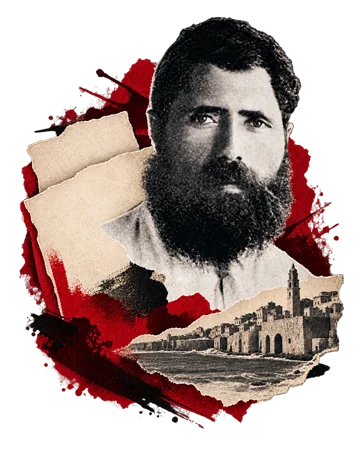
In her 796-page book Berl, Professor Anita Shapira chronicled the life of this leader. At the very beginning, she described him: "A handsome boy, with black curls and intelligent, cheerful eyes. In his intellectual development he was head and shoulders above his brothers and sisters, and an aura of a child prodigy, a genius, surrounded him."
Berl Katznelson immigrated to the Land of Israel in 1909, to the settlement of Atarot. He later moved to Jaffa, where he met the writer Yosef Haim Brenner. Brenner introduced him to A. D. Gordon, one of the leaders of the labor movement, who elevated manual labor to the status of a supreme value. Berl was captivated by Gordon's ideas and wandered throughout the Land of Israel as a laborer. He went up to the Galilee and became a familiar figure among the workers.
In 1914, with the outbreak of the First World War, a severe economic crisis struck the Jewish community in the Land of Israel. During those years, Katznelson was among the leaders of the workers and became a leader among his generation. It was he who came up with the idea of gathering the little food that could be obtained and distributing it among the Jewish community in the Land of Israel. This laid the foundation for HaMashbir, which later became HaMashbir Hamerkazi. At the agricultural conference held in 1917, Katznelson called for the unification of the workers' movements and even drafted the platform of the Ahdut HaAvoda movement.
On 29 Adar 5680, the front page of Kuntres, the newspaper of the Ahdut HaAvoda party, published a eulogy written by Katznelson for the people of Tel Hai who had fallen defending the place: "May the people of Israel remember the pure souls of its sons and daughters: Shneur Shposhnik, Aharon Sher, ... Sarah Chizik..., Yosef Trumpeldor, the loyal and courageous, people of labor and peace, who walked behind the plow and risked their lives for the honor of Israel and the land of Israel. May Israel remember, be blessed in its descendants, and mourn the splendor of youth."
This eulogy stirred great emotion among the Jewish community in the Land of Israel, and over the years became the Yizkor prayer for the fallen of the Israel Defense Forces and Israel's campaigns.
The Bond with Berl
During the period when Sarah Shmukler lived at Kinneret Farm, many unemployed people were staying on the shores of the Sea of Galilee, including Berl Katznelson. The "Bobruisk group," led by Leah Miron, suggested that Berl join the Kinneret group to work in the vegetable garden. "Berl liked the company of women and seems to have felt more at ease working among them than among men, who generally worked better than he did," Anita Shapira wrote.
This was when love blossomed between Sarah and Berl, and when they wanted privacy, Leah Miron agreed to give up the room she shared with Sarah. After attempts at living together and periods of separation, Sarah and Berl decided to leave the farm and moved to Jaffa. Before long, a crisis erupted in their personal lives: "Berl is a man they haven't finished making," Sarah concluded. She left him and returned north.
After Sarah's death, Leah was sent away from Kinneret for fear that she would become consumed by grief over Sarah's death. Leah, who was blessed with great emotional stability and physical health, followed Berl.
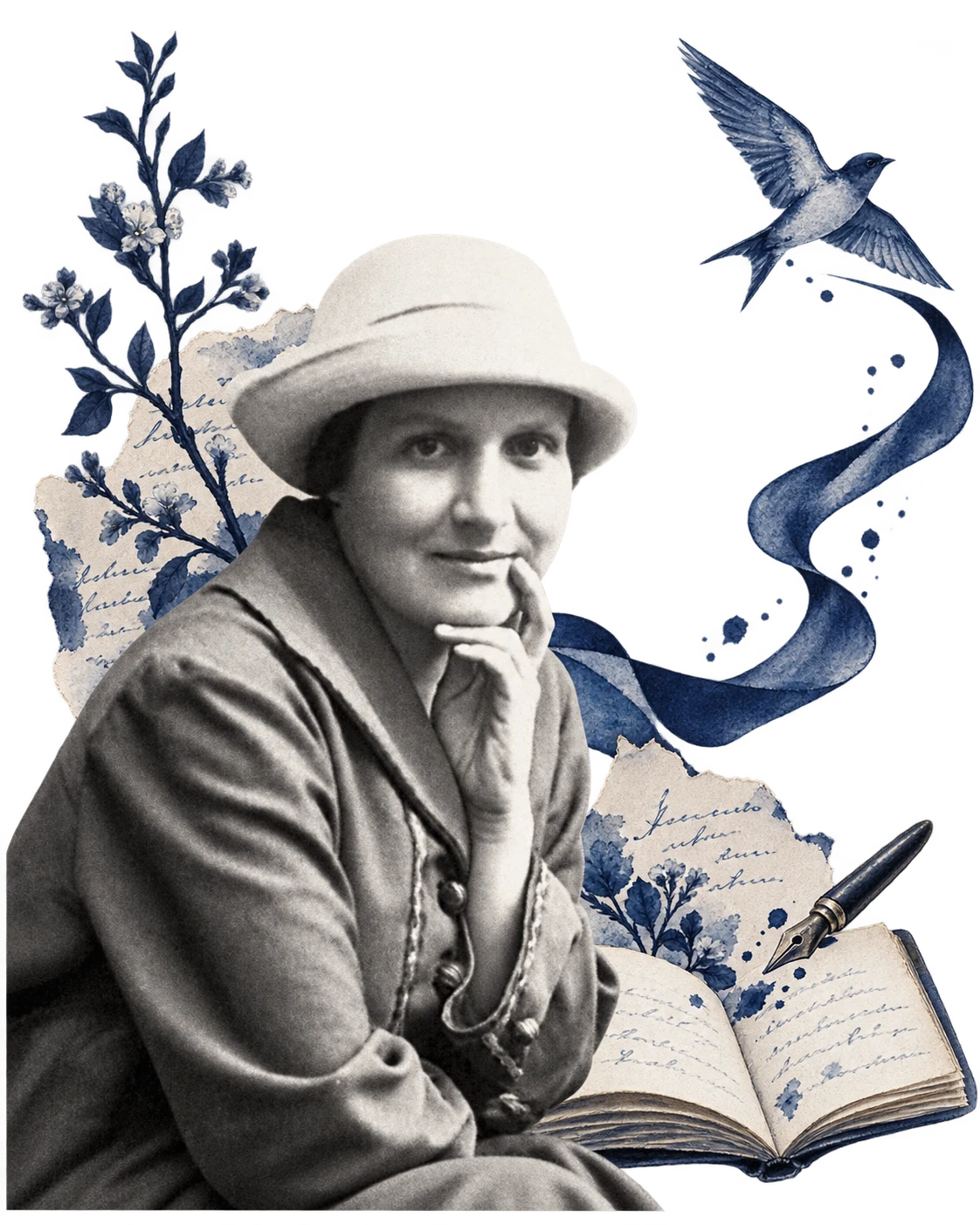
Berl and Leah never held a wedding ceremony or sealed their relationship with marriage. Two years after Sarah's death, when Leah needed a membership card for the Histadrut, Berl filled out an official form and, as required, stated that she was his wife. Thus Leah was registered on her card as Leah Miron Katznelson. Berl was about thirty-five and Leah about thirty-four "when they accepted their fate and settled into a permanent family life together."
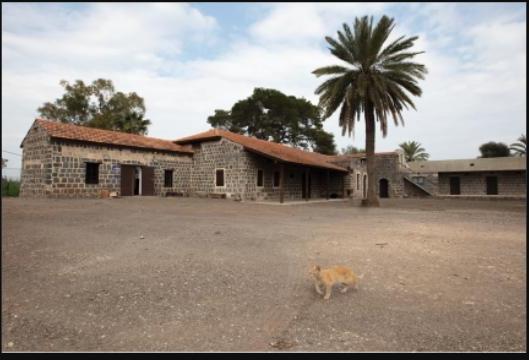
Berl Katznelson, known by the nickname "Be'eri," died in Jerusalem of a cerebral hemorrhage in 1944, at the age of 57. After Berl's death, Leah moved in with her sister Bluma in Ein Harod. She lived to an advanced age and died in 1967. Leah Miron Katznelson was also buried beside Berl.
תגובות
עדיין אין תגובות.