
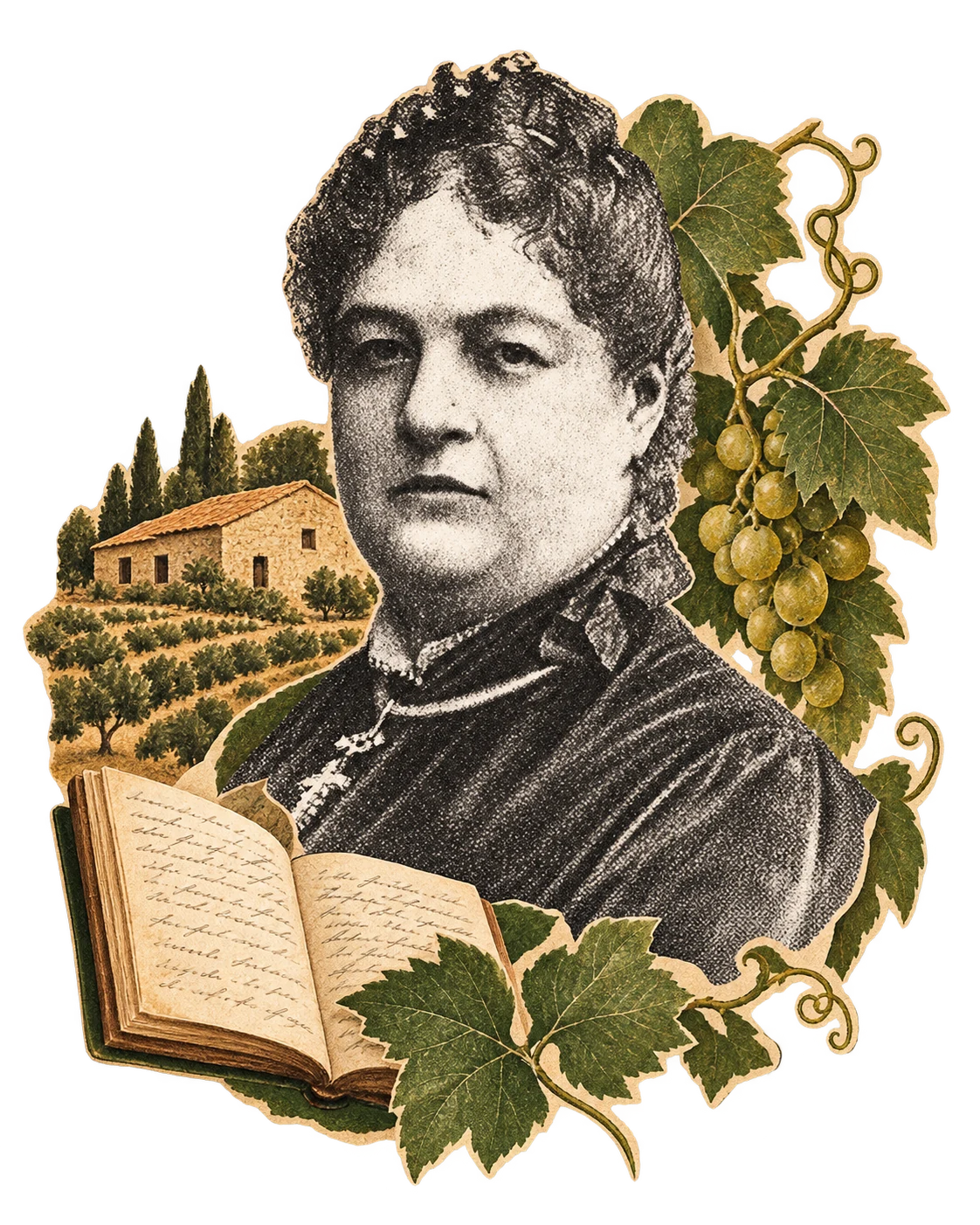
A leader of a Christian sect who believed that the coming of Jesus was bound up with the Jews' return to the Land of Israel. A pre-Zionist Zionist.
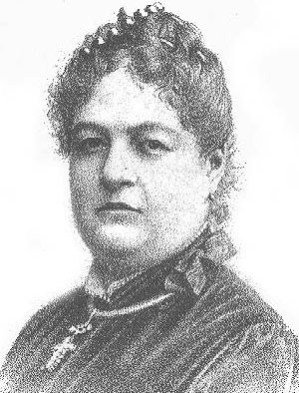
In the mid-19th century, various calculations were made in several Christian communities around the world, all leading to one conclusion: the Messiah's coming was imminent! He would appear in the Land of Israel, and those who made the proper preparations would make money in this world and secure their place in the next.
At the time, the Land of Israel was a remote, desolate province of the Ottoman Empire, to which Jewish immigrants and refugees had begun to arrive. Christians, mainly Protestants, began arriving on the shores of Jaffa from all over the world. Many were messianic, some were eccentric, and most were idealists who knew nothing of the conditions in the land and had come to prepare for the Messiah. They all shared the same hope.
William Miller was a Baptist minister who founded a new messianic movement within Protestant Christianity centered on eschatology, the doctrine of the end times. Miller prophesied that the world would end on October 25, 1843, at 6:30 p.m. But on the appointed day and at the appointed hour, nothing happened... Miller returned to his calculations and discovered that he had made a mistake: the world would finally be destroyed in October 1844, at 8:15 a.m. And the world kept turning...
These failed prophecies caused a profound crisis among the believers, one of whom was Clorinda Minor. Minor did not give up, and looked for another way to spread Christian ideas and faith in the coming of the Messiah.
Millerism and the Expectation of the Messiah
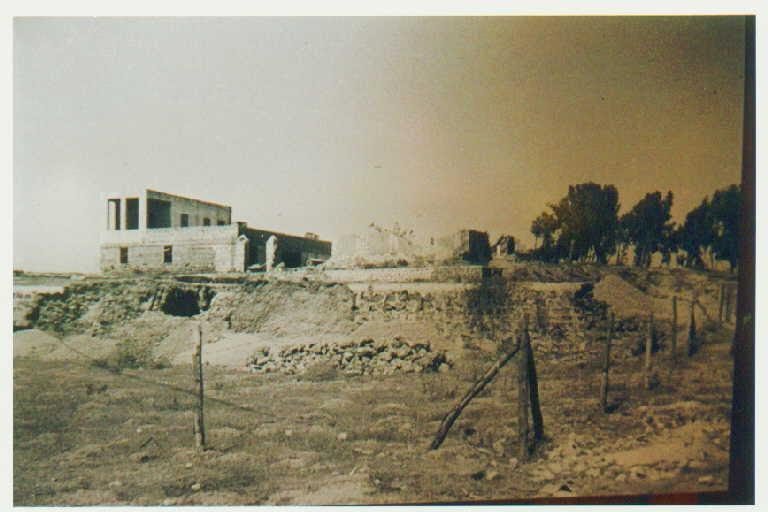
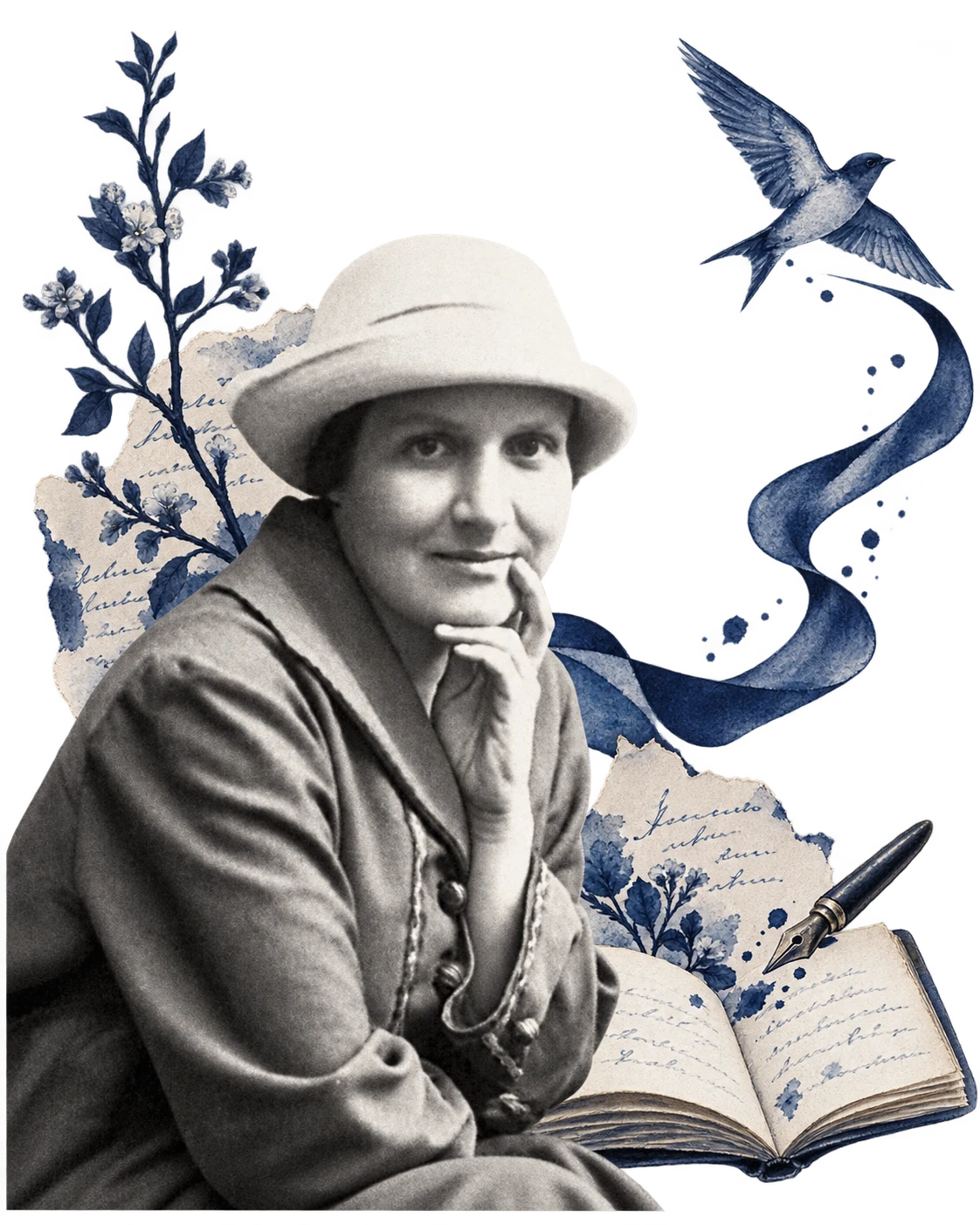
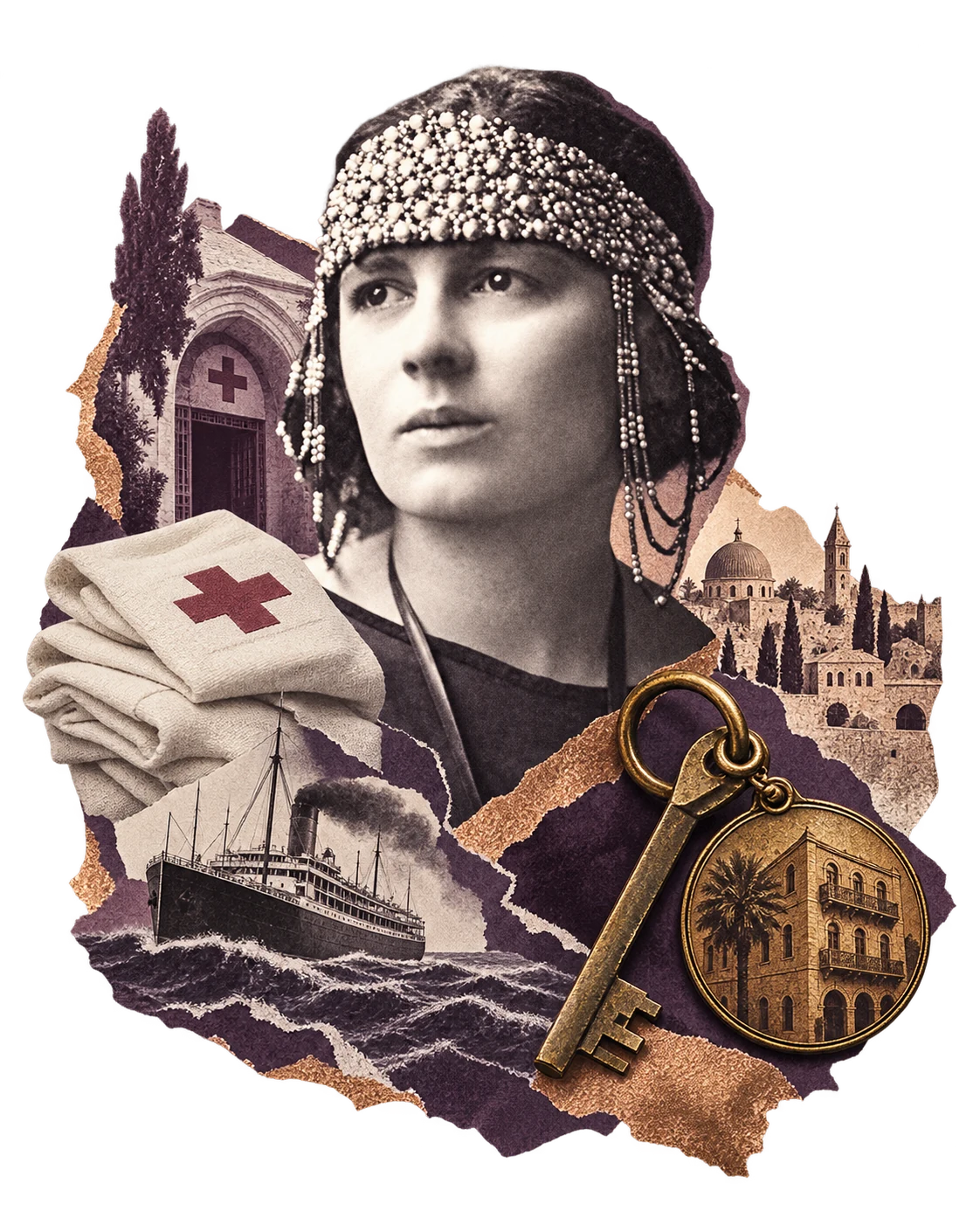
Clorinda Minor was born on May 11, 1807, in Philadelphia, USA. As a child, she would pray with her beloved mother Abigail, a devoutly religious woman, and together they sought to 'search for the living God.' Abigail died when Clorinda was 17.
At 21, Clorinda married William Peter Minor, a wealthy banker who supported some of her religious fervor. Their son Charles Albert was born a year after their marriage, followed by their second son, Frederick, who died in childhood.
Clorinda became a religious activist. She wrote articles and worked as a journalist, spoke at meetings, and went out into the streets of Philadelphia to persuade passersby that their cause was righteous. This is how she acquired the nickname 'the Prophetess.'
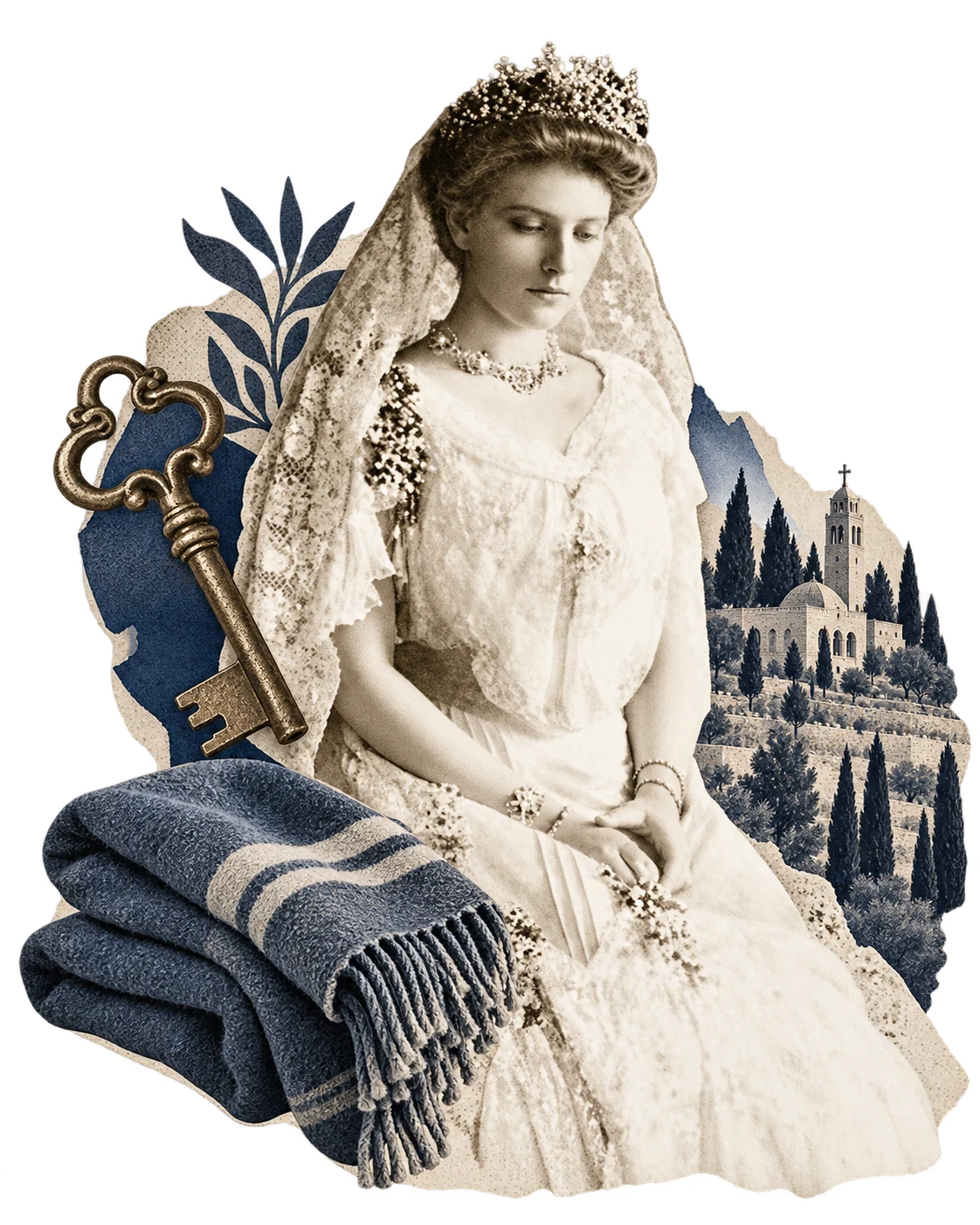
In time, she envisioned herself as 'Queen Esther' and received a command to set out for the Holy Land. 'After several weeks of intense prayer, in which I turned to God, He opened my understanding to receive His truth. I cannot elaborate here on the search for the sacred experience, the tears and the prayers in anticipation of meeting God. It is difficult to speak of the inner life, of the joy that springs from my faith in His imminent coming, which makes my case (and my journey) necessary' - she wrote in her diary.
Her husband was unwilling to contribute to the travel expenses and may even have opposed the idea, but her faith seems to have been stronger than anything else. 'Ever since I first looked forward to the coming of the Lord, my heart has passed through deep waters of trial, a sacrifice seared by fire. I can say that my only desire is to know and obey the Lord. This path has cost me much distress, grief for the pain I caused those I loved, and the loss of everything in this life.'
In 1841, at the age of 34, the wealthy merchant's wife was widowed. She managed to collect donations and set out on this journey with a friend. Her aim was to fulfill a mission, pray at the holy sites, and return to her homeland, to her friends and to her son, whom she longed for.
The Journey to the Holy Land
In the Land of Israel, Minor met John Meshullam, who had converted to Christianity while still in Britain. He arrived in the Land of Israel in 1845 and purchased the lands of the village of Artas, near Solomon's Pools, south of Bethlehem. At first, Meshullam cultivated only a small amount of land while continuing to live in Jerusalem. It was not until June 12, 1850, that he decided to move with his family to Artas. Before long, the farm became a success story. It became a tourist attraction for the many Christian immigrants who came to see with their own eyes the wonder in the wilderness - the successful experiment in European agricultural settlement. The farm and John Meshullam fired Clorinda's imagination, and she redefined her purpose in life.
In November 1849, about six months before Meshullam moved to Artas, the German Grosteinbeck family arrived at the port of Jaffa in Palestine: the three siblings Johann, Wilhelm Friedrich and Maria Katharina, along with her husband Gustiel and their children. Like Clorinda Minor, they too had come for religious reasons. The families initially lived in Jerusalem and later moved to Artas with Meshullam.
Clorinda Minor returned to Philadelphia to raise funds for John Meshullam's enterprise in Artas, where she intended to return and settle. John Meshullam, the Grosteinbeck family and Clorinda Minor aimed to teach Jewish workers and others agricultural work so they could earn a living from it and stop relying on donations sent from abroad.
She wrote: 'We arrived here in the hot season, when disease is prevalent, in obedience to our inner teacher and against our own better judgment. Other travelers do not risk exposing themselves at this time of year, and our decision cost us much suffering and the reproaches of religious people. Nevertheless, it proved to be the right step, since this was the only time Meshullam was free... His character and remarkable experience in agriculture, at this time of hopes for liberation, as Jews in every country awaken in the lands of their exile, are of great importance and lead us to seriously consider God's purpose in supporting us.'
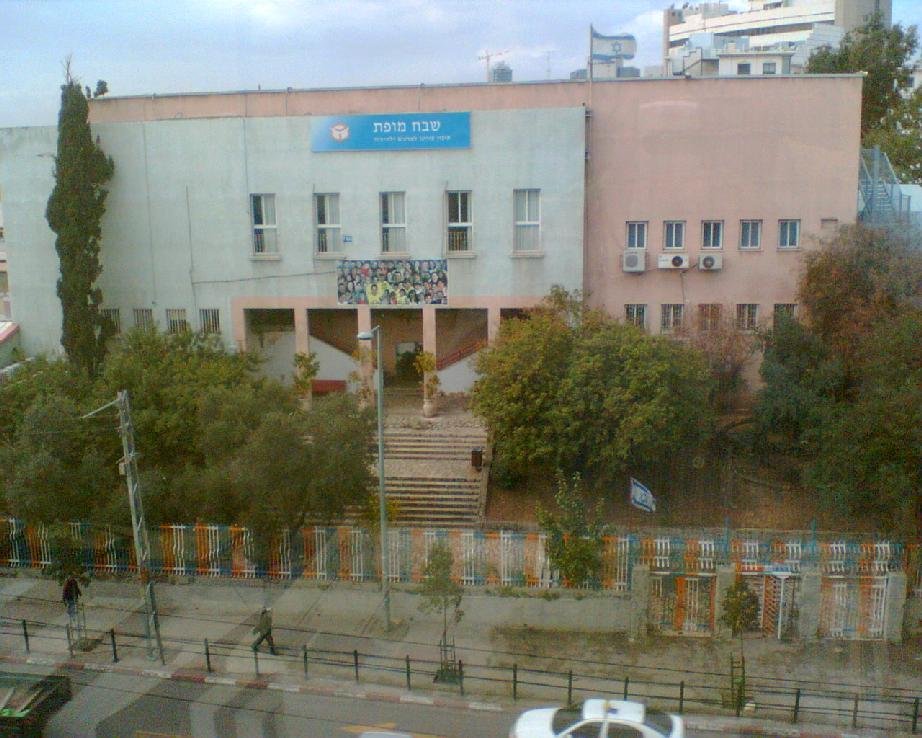
At the end of 1851, Clorinda returned to the Holy Land accompanied by a small group of believers, who invested the donations they had received in an effort to form a partnership with John Meshullam. The partnership dissolved after a short time, and in 1855 Clorinda, the group that had come with her and the Grosteinbeck family left the farm and established a new one north of Jaffa, called 'Mount Hope.' In time, the Shevach school would be built on this hill, at 7 Hamasger Street in Tel Aviv.
John Meshullam's farm in Artas suffered several years of poor harvests, and in 1863 the Arab neighbors attacked it and murdered his son Peter. The farm then fell apart.
At Mount Hope, Clorinda formed warm ties with Jaffa's rabbi, Rabbi Judah Halevi of Ragusa, and helped him purchase a plot of land adjacent to her farm and repair a water pump. There, the rabbi and his followers established an orchard, believing that redemption should not be awaited with folded arms: 'The Jews of the Land must earn their living through manual labor, not from the funds of the halukka,' the rabbi maintained. Thus, from the unlikely pairing of a devout Jewish rabbi from Bosnia and an American Christian missionary, the first Jewish orchard was born, earning the rabbi the title 'one of the first citrus growers.' The orchard included oranges, lemons and etrogs, as well as almond and date trees and grapevines.
Lack of agricultural and marketing knowledge made it difficult for Rabbi Judah Halevi of Ragusa's group to manage the orchard in Jaffa, so they leased it to Clorinda Minor, an experienced professional who employed Jewish workers there.
The Farm Crisis in Jaffa
In August 1855, the crisis worsened. The orchard was struggling to survive, and during his fourth visit to the country, Moses Montefiore purchased it. In time, the Montefiore neighborhood was established on the site, with Yehudit Boulevard at its heart, named after his wife.
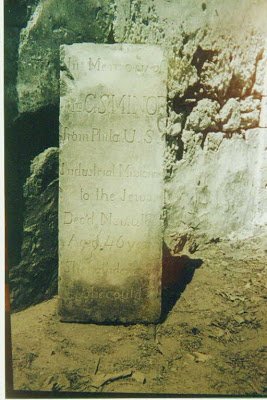
Clorinda Minor continued to manage the farm. At the age of 46, she developed cancer and died in 1855. She was buried at Mount Hope. The inscription on her gravestone read in English: 'In memory of Mrs. C.S. Minor of Philadelphia, United States, an emissary promoting industry and labor among the Jews. Died on the sixth of November 1855, aged 46 years. She did what she could.'
In an obituary by Rabbi Isaac Leeser, editor of the Jewish-American newspaper The Occident, it was written: 'She was a true friend of Israel and believed that converting them to Christianity would make us happy. Through her practical work on the land, she, a frail and solitary woman, wanted to prove that the country could be made to flourish through the work of farmers.'
Her son Charles continued to manage the farm for another two years, then left in 1857 and returned to the United States.
The German Grosteinbeck family and the American Dixon family remained at the site. The Dixon family had arrived from Massachusetts in 1854. After reading Minor's letter, the family patriarch, Walter Dixon, decided to immigrate to the Land of Israel with his family. Two of his daughters married two of the Grosteinbeck brothers, and everyone lived in neighboring buildings in the community. Both families suffered from fever and intense heat, and above all from repeated harassment by the Arab villages in the area, especially the village of Sualma and marauding Bedouin tribes passing through.
The American writer Herman Melville, author of Moby-Dick, visited the farm in Jaffa in January 1857 and met the members of Minor's American colony - the Grosteinbeck and Dixon families. He was unimpressed by their work on behalf of the Jews, which he described as 'this foolish Jewish craze,' and summed it up briefly: 'The whole thing is half melancholy, half farce.' Melville concluded: 'The idea of making Jews into farmers is a delusion. First, because the whole of Judea is desert. Second, because Jews hate agriculture. All those who cultivate the land in the Land of Israel are Arabs. Jews do not dare to live outside cities or walled towns for fear of the Arabs and Turks who persecute them maliciously. Moreover, the number of Jews in the Land of Israel is relatively small, and how could all their scattered multitudes in other countries come here? Only by a miracle.'
The community's success led to local tensions in the area. The Arabs did not look kindly on what they considered the West's theft of land. At the time, the number of robberies, rapes and murders reached a record high. Tensions peaked on the night of January 11, 1858. The events were documented in official diplomatic records, as recounted by Mary Grosteinbeck, wife of Wilhelm Friedrich: 'At around ten o'clock, the dogs began to bark. When my husband went to open the gate... three men told him they were looking for a lost cow... They ordered him to open the gate, or they would break it down; he went to load the revolver, and meanwhile we heard sounds of a break-in. Friedrich and my father went outside. Friedrich took the pistol, since the revolver was not loaded. We heard a gunshot and immediately afterward Friedrich opened the door and collapsed. The thieves entered the room where we were hiding. There were five men; the largest struck my father with a long stick, and he fell.' The thieves ransacked the home and property of the community members, raped Mary Grosteinbeck and her mother, Sarah Dixon, and murdered Wilhelm Friedrich Grosteinbeck, who did not survive his injuries.
The outrage in the United States over the incident was great, and an American warship sailed from Alexandria, Egypt, and approached the country's shores to pressure the Ottoman authorities to conduct a thorough investigation and bring the perpetrators to justice. This was the first military intervention by the American government in the Land of Israel.
In June 1858, the Grosteinbeck and Dixon families left the country and moved to the United States. Thus came the end of Mount Hope, which inspired the name of the neighborhood that would be built nearby, the Hatikva neighborhood.
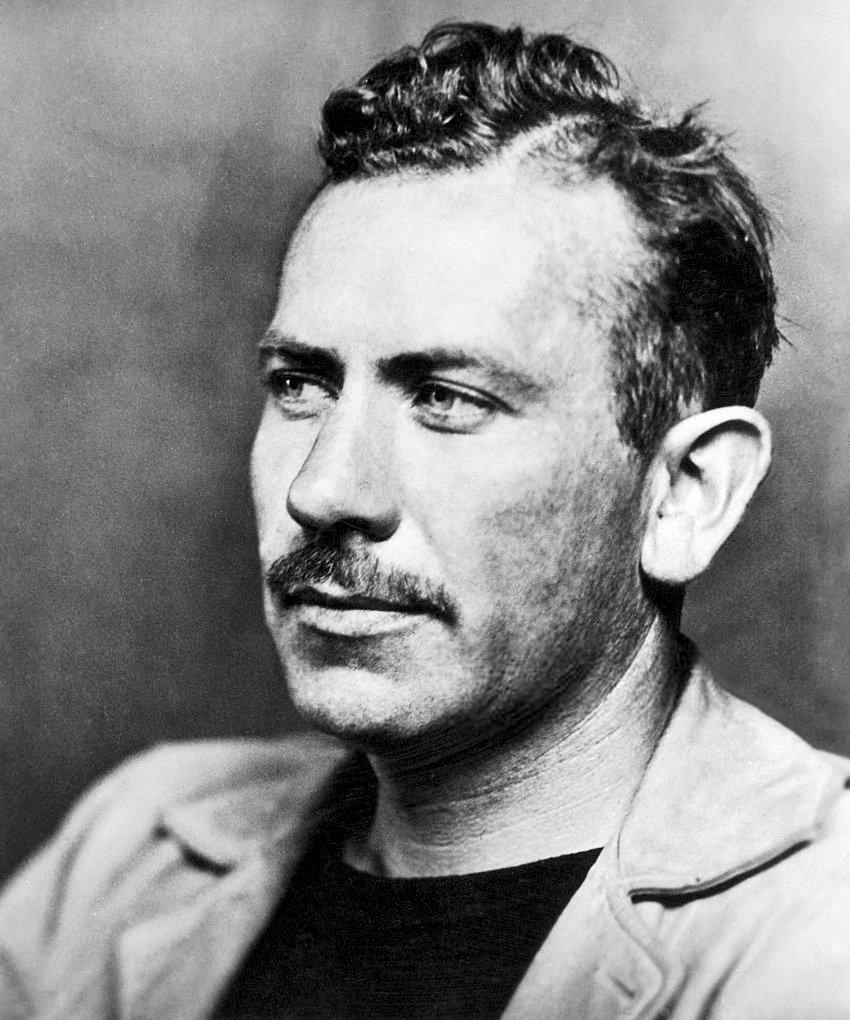
Johann Grosteinbeck settled with his family in Florida and changed their surname to Steinbeck. Shortly afterward, his eldest son, John Ernst Steinbeck, was born. He was the father of John Steinbeck, the famous American writer and winner of the Pulitzer Prize and the Nobel Prize in Literature, who wrote The Grapes of Wrath. Many literary scholars have studied the influence of Steinbeck's family history on his writing. Most argue that Steinbeck embedded his family tragedy in the work most important to him, East of Eden.
About two years before his death, in 1966, Steinbeck came to visit the country and the remains of the site where the Mount Hope community had lived.
Clorinda Minor's story can be read in Rina Peleg's book Clorinda: An American Pioneer in the Holy Land.
תגובות
עדיין אין תגובות.