
The common thread linking the opium trade, the immense wealth of Jewish families who transformed Shanghai and Hong Kong, and two schools with the same name.
Ellis Kadoorie and the Road to Success
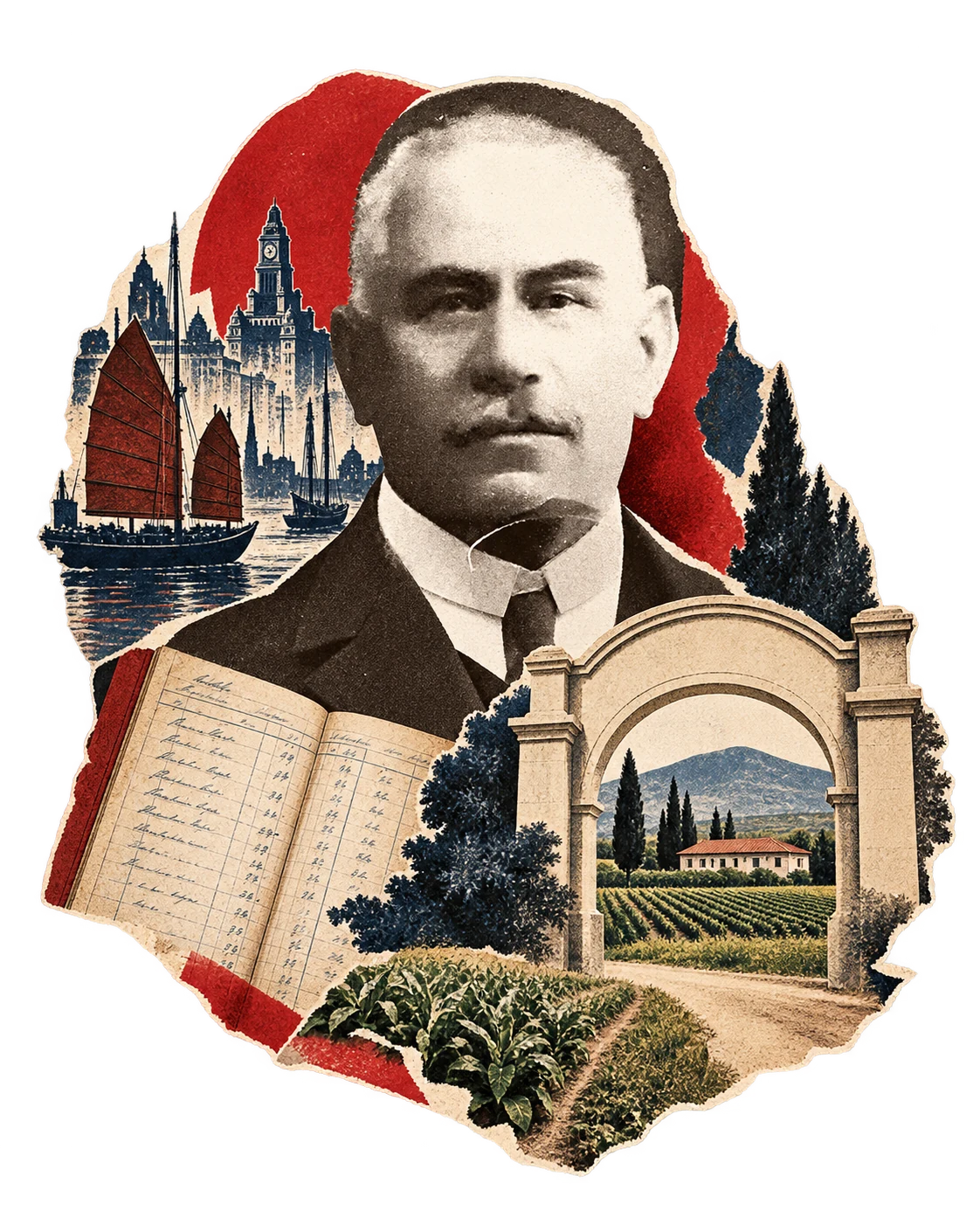
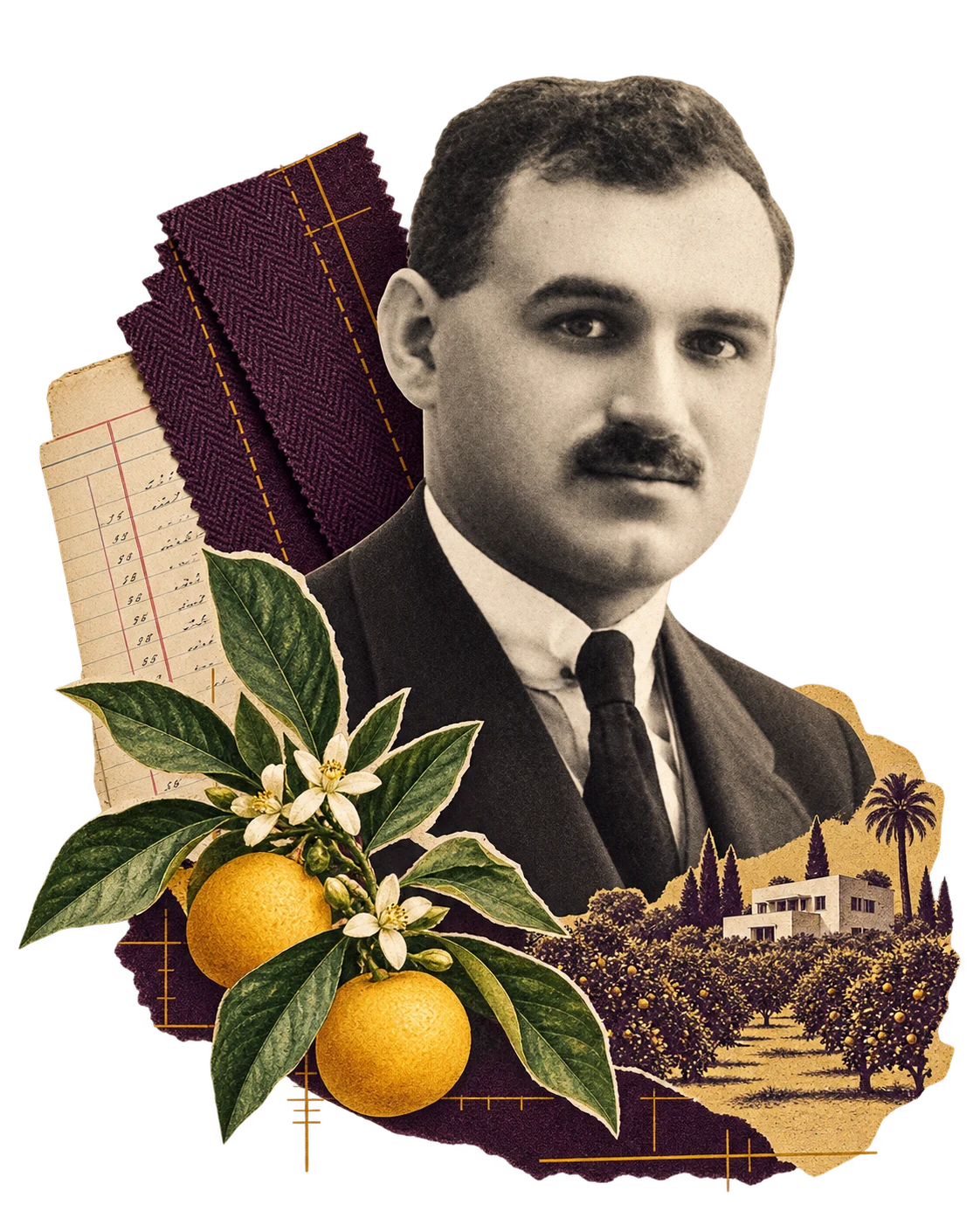
Ellis Kadoorie was born in Baghdad in 1865. At the age of 15, he moved to Shanghai and worked for a relative at the firm David Sassoon & Sons. In a short time, he amassed a huge fortune and, together with his brother Elly, opened businesses in Shanghai and Hong Kong. Among other ventures, they were involved in banking, rubber plantations, and a hotel chain in Hong Kong. Ellis and Elly made substantial contributions to the local community and built two schools. The Kadoorie family also owns the Peninsula hotel chain and CLP Holdings Ltd., founded in 1890, which supplies electricity to 75% of the vast, modern city of Hong Kong. Today, the family's fortune is estimated at more than $4 billion.
In 1917, Ellis was knighted by King George V of Britain. Five years later, at the age of 57, Ellis died childless in Hong Kong. This is where the strange story begins of two agricultural schools in the Land of Israel with the same name, one in Tulkarm and the other, the better known of the two, at the foot of Mount Tabor.
Family Roots in Baghdad and India
The story of the Kadoorie family begins in Baghdad. For 800 years, the most powerful family in the city was the Sassoon family. One of its sons, Ezekiel, was appointed Iraq's first finance minister in 1920. In 1829, the Turks kidnapped David, who had been trained to manage the entire family empire. After David was released for a large ransom, the family assessed the risks and decided to move to Mumbai, India, along with other aristocratic families. The Kadoorie family was among those who left Baghdad, and it was related by blood to the Sassoon family. Business in India expanded, and profits grew. Both families traded in cotton, wool, gold, silver, and gas, but their greatest profits came from the opium trade. At the time, 30% of Mumbai's total trade was connected to opium. One in ten Chinese people was addicted to opium, and by 1870 the Kadoorie and Sassoon families held 70% of this market. If this brings to mind an underworld of drug dealers and criminal organizations as we know them today, that was not the case then. In those days opium was legal, and all trade in the drug was legitimate. The Chinese, who understood the extent of the damage caused by opium, opposed it, leading to a war between China and Britain. China was defeated and forced to sign a humiliating and harsh agreement. It pledged to compensate Britain and hand over Hong Kong Island for a period of about 100 years.
The Sassoon family was the first to move from Mumbai to Shanghai. They established a Jewish community that had not existed before their arrival. David Sassoon built a school, a synagogue, a clinic, and a butcher shop for the community. He also brought in Jewish ritual slaughterers and made a point of employing Jews. As a result, Jews in China came to be known as "Sassoons." This was the situation when Ellis Kadoorie arrived in China. He went from working for the "Sassoons" to becoming their greatest business rival. He built his empire with a $500 loan from his older brother, using it to establish a stock-trading company called E.S. Kelly. At the age of 32, he made a major leap in business when he married Laura, a member of a well-established Jewish family from Britain. The marriage gave him entry into London's high society. The Kadoorie family believed in education and its power to help society develop in the future. In Shanghai, they therefore established a Jewish school that was advanced for its time, with a modern building and a sophisticated laboratory.
Shanghai, Education and Influence
Few schools have secured a place in Israeli culture and memory. The most prominent are undoubtedly Mikveh Israel, the Reali School in Haifa, the Gymnasia in Tel Aviv, and, of course, the Kadoorie agricultural school, which nurtured the iconic Sabra. Among its students were Haim Gouri, Yigal Allon, Yitzhak Rabin, and many others from the Palmach generation. "Kadoorie was more than simply an educational institution. It served as a formative and rigorous framework for life, shaping the character and spirit of its students... In time, many of these students formed the backbone of the IDF's command structure in its early days. Their manners, dress, way of speaking, and 'dugri' outlook supplied the store of associations and images from which the ideal of the 'Generation of 1948' was woven," Yigal Allon wrote in his memoirs.
Among the best-known members of the Kadoorie and Sassoon families were the parliamentarian Baron Albert (Abdullah) David Sassoon; the poet Siegfried Sassoon, known in Britain for the poems he wrote in the trenches of World War I; the historian and scholar of nationalism Elie Kedourie; and the journalist Rachel Sassoon Beer, the first woman in Britain to serve as editor of a national newspaper when she was appointed editor-in-chief of The Observer and The Sunday Times. These family members had an impact on Shanghai, Hong Kong, and London.
"The Sassoons and the Kadoories helped open China to the world and the world to China," Professor Jonathan Kaufman wrote in his book The Last Kings of Shanghai, about the story of the two families. "In the 1920s and 1930s, wealthy Chinese and members of the middle class flocked to Shanghai. They were drawn by the economic opportunities and a way of life unlike anything else in China: dazzling department stores, hotels, nightclubs, casinos. The city that the Sassoons and Kadoories helped shape inspired an entire generation of Chinese businesspeople who became successful capitalists and entrepreneurs. They helped create a successful entrepreneurial culture." He also wrote: "There is no doubt that without them, Hong Kong and other cities and capitals in Asia would not be among the world's leading economies today." The two families were known as "the Rothschilds of the East."
During World War II, ships arrived in Shanghai from Germany carrying hundreds of refugees. Elly Kadoorie approached his business rival Victor Sassoon and wrote to him: "Victor, there is a war going on... Stop being a playboy. You will lead, and we will stand behind you." Victor Sassoon understood the gravity of the moment and joined the effort. He drew on his connections in the film industry and contacted Charlie Chaplin, then the biggest star in American cinema, enlisting him for a fundraising event for the refugees in Shanghai. Chaplin agreed at once and went further, donating some of the proceeds from his film The Great Dictator to the cause. Their efforts went beyond donations. When the Japanese invaded China in 1937, the families joined forces. At the time, there were about 18,000 refugees from Germany in the city, and the Nazis approached the Japanese and demanded that they eliminate all the Jews. "Together, the Sassoons and Kadoories did something that the Jews of Europe, Palestine, and even the United States had failed to do: they protected every Jewish refugee who set foot in the city, including thousands of children," Kaufman wrote in his book.
The Will and the Schools in the Land of Israel
The families did not share the same fate. While the Sassoon family lost most of its fortune in the Communist Revolution, the Kadoorie family maintained its position and steered a careful course. Today, it is considered the wealthiest Western family in Hong Kong.
For twelve years, family members argued heatedly over the fate of the 140,000 pounds sterling, an enormous fortune at the time, that Ellis Kadoorie left in his estate and bequeathed for the establishment of schools. Did he intend the money to fund a school for Jews only, or for all the inhabitants of the Land of Israel, regardless of religion? Did the British, who took the money and built a school in Tulkarm named after Kadoorie, distort his intention, or did they fulfill his wishes? To answer this question, one must read the relevant passage in the will, which stated: "The estate is to be divided into three parts, and one such part is to be paid or transferred to the British Government, so that it may build a school or schools to be named after me in the Land of Israel or in Aram Naharayim (Mesopotamia), as the British Government may deem appropriate." A newspaper report published after his death omitted the name "Aram Naharayim." When Jerusalem's community leaders read the report, they hurried to send a letter to the Zionist Executive in London, asking it to address the matter because they feared that all the money would be handed over to the Government of Palestine. Thus began the contacts with Sir Elly Kadoorie, himself a Zionist activist and president of Keren Hayesod in Shanghai, who had been appointed trustee of his brother Ellis's will. Even before these discussions began, Elly had met with Dr. Chaim Weizmann in Rome and discussed the matter with him.
At first, Elly Kadoorie discussed the matter with Herbert Samuel, the British High Commissioner, and the money was transferred to the British. Weizmann asked the High Commissioner to meet also with Menachem Ussishkin, then chairman of the Zionist Executive in the Land of Israel, so that Ussishkin could present proposals for what to do with the money. Ussishkin laid out for Herbert Samuel a plan for 21 schools in various parts of the country that urgently needed buildings. Until then, some had been operating in huts and others in tents, including Nahalal, Ein Harod, and Kfar Yehezkel.
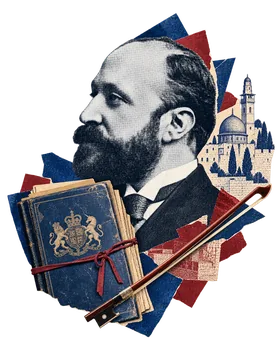
Herbert Samuel appointed a committee that included three government representatives: the director of the Department of Education, B. Baumann, and two Jews, the government's legal adviser, Norman Bentwich, and the inspector of Hebrew schools, Shlomo Ginzburg (Ginosar, Ahad Ha'am's son). After several meetings, it was agreed that most of the money would be invested in buildings for the Jerusalem Gymnasia, the Tahkemoni School in Jaffa, and the coeducational Hebrew school in Tiberias. Ussishkin approached the London leadership of Keren Hayesod with the detailed plan and asked it to sign the agreement with the British government. He urged them to act quickly, before other claims to the money emerged, a concern that proved justified. Sir John Shuckburgh of the Colonial Office sent Herbert Samuel a letter emphasizing that the estate had been left to His Majesty's Government, and that no use could be made of it before explicit approval was received from the Colonial Office. Later, the Colonial Office's legal adviser made a point of stating that the estate belonged not to the Government of Palestine but to His Majesty's Government, and that the Government of Palestine had no legal standing in the matter.
When the plan to direct the money exclusively to Jewish schools fell apart, Herbert Samuel proposed dedicating it to a joint school for Arabs and Jews. But time passed, and no decision was made. Meanwhile, the British High Commissioner in the Land of Israel was replaced. Herbert Plumer succeeded Herbert Samuel and decided to establish two separate agricultural schools, one for Arab students near Tulkarm and the other for Jewish students at the foot of Mount Tabor.
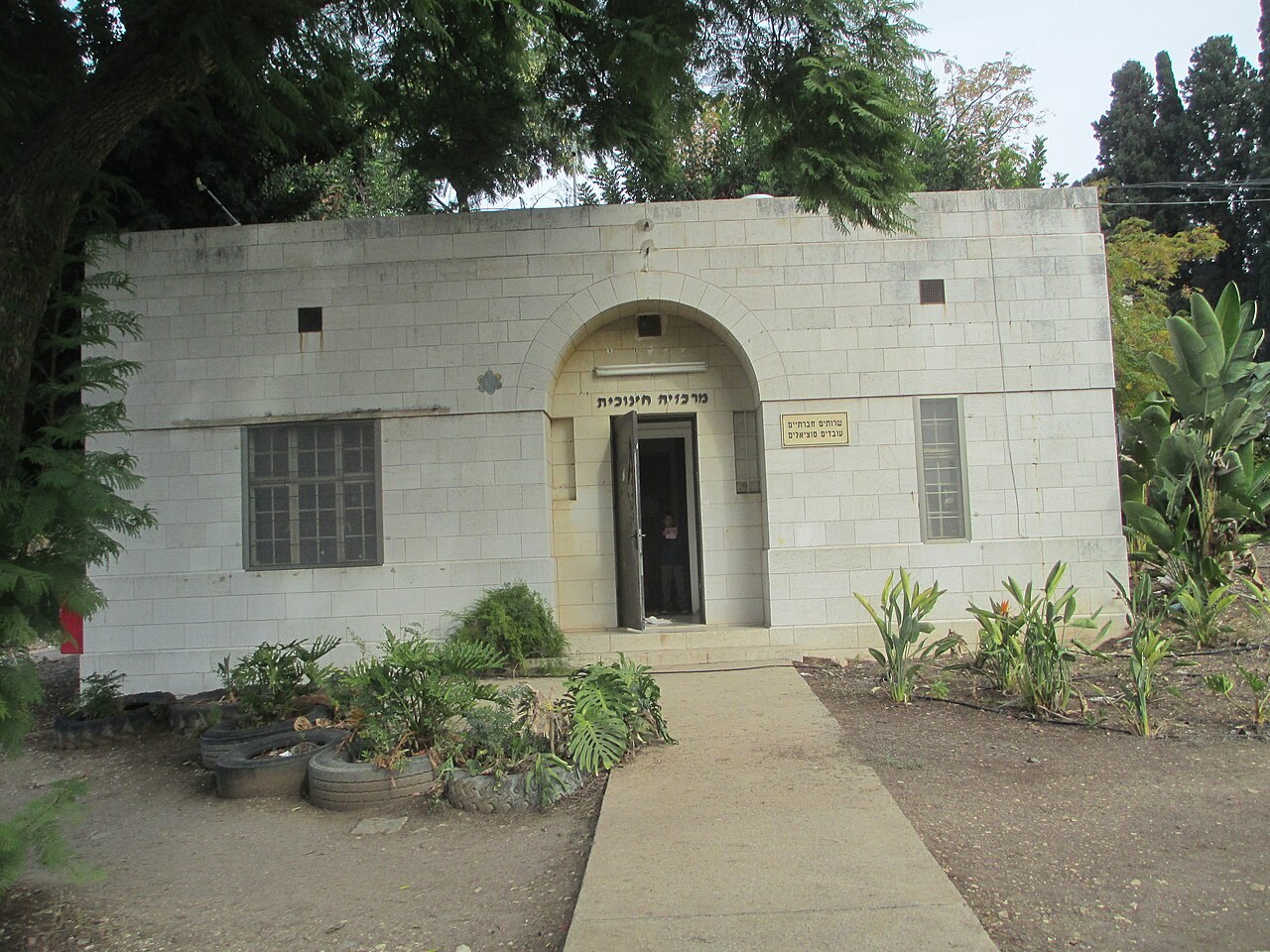
The first school to be established was Kadoorie in Tulkarm, in 1930. Three years later, Kadoorie School was established at the foot of Mount Tabor. The Arab school's geographic location was on fertile land that yielded abundant crops, hence the name of the city of Tulkarm, meaning "the long vineyard" in Hebrew. Both schools trained their students to become modern farmers. In this respect, the school in Tulkarm was no less important than the Jewish one. Both produced a local elite of agricultural experts who returned to their respective communities and led them toward agricultural and economic progress.
תגובות
עדיין אין תגובות.