
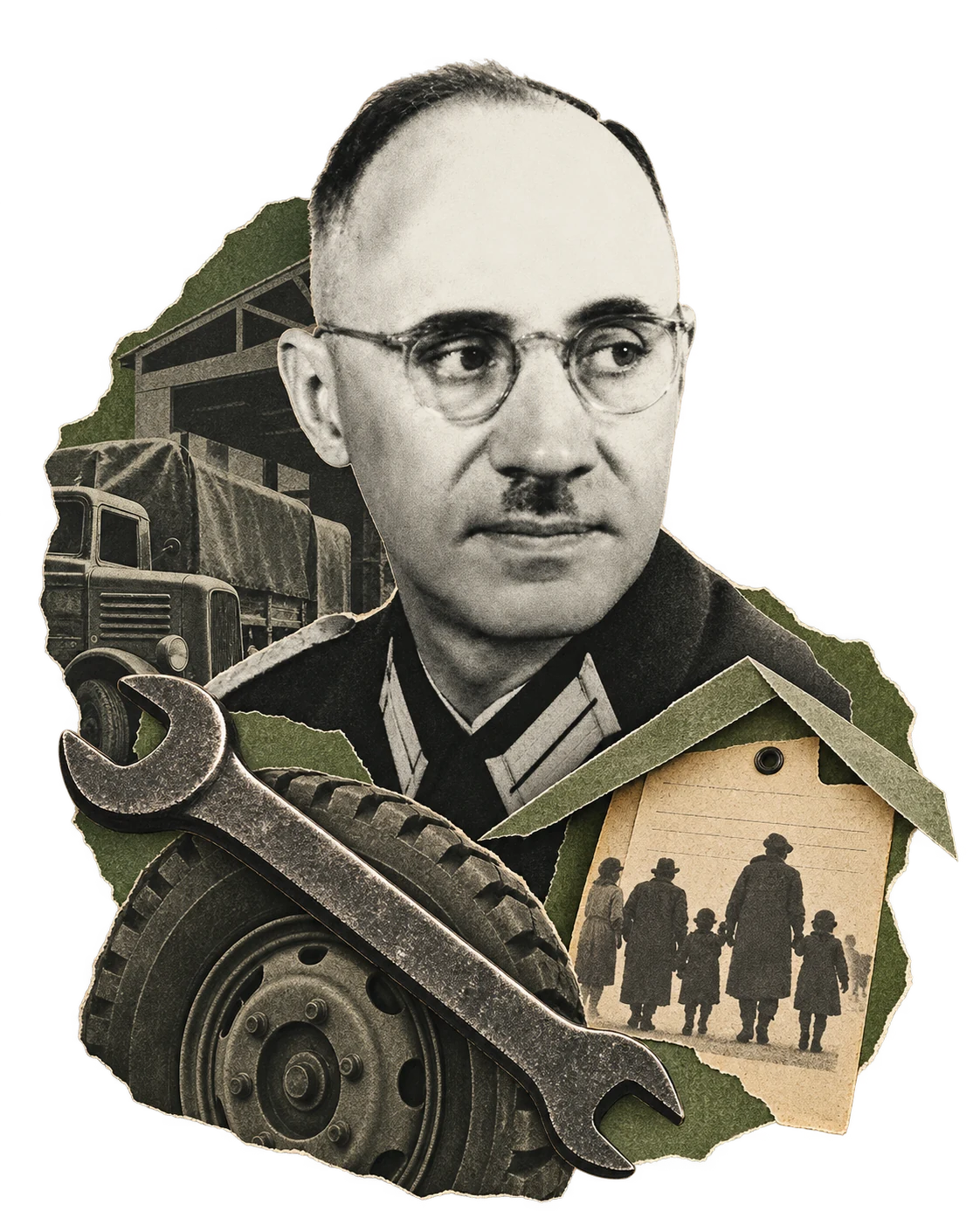
The story of a Righteous Among the Nations who was born into a family of Nazi Party members and was himself an officer in the Wehrmacht... until he was confronted with the atrocities.
Vilna and Karl Plagge's Camp
On March 27, 1944, German SS men entered the HKP562 camp in Vilna and carried out what they called a "Kinder Aktion" (Children's Operation). During this operation, the Nazis rounded up the vast majority of the camp's approximately 250 children and took them to Ponary, where they were murdered. The camp commandant was Karl Plagge, a member of the Nazi Party. In 2005, Yad Vashem awarded him the title of Righteous Among the Nations.
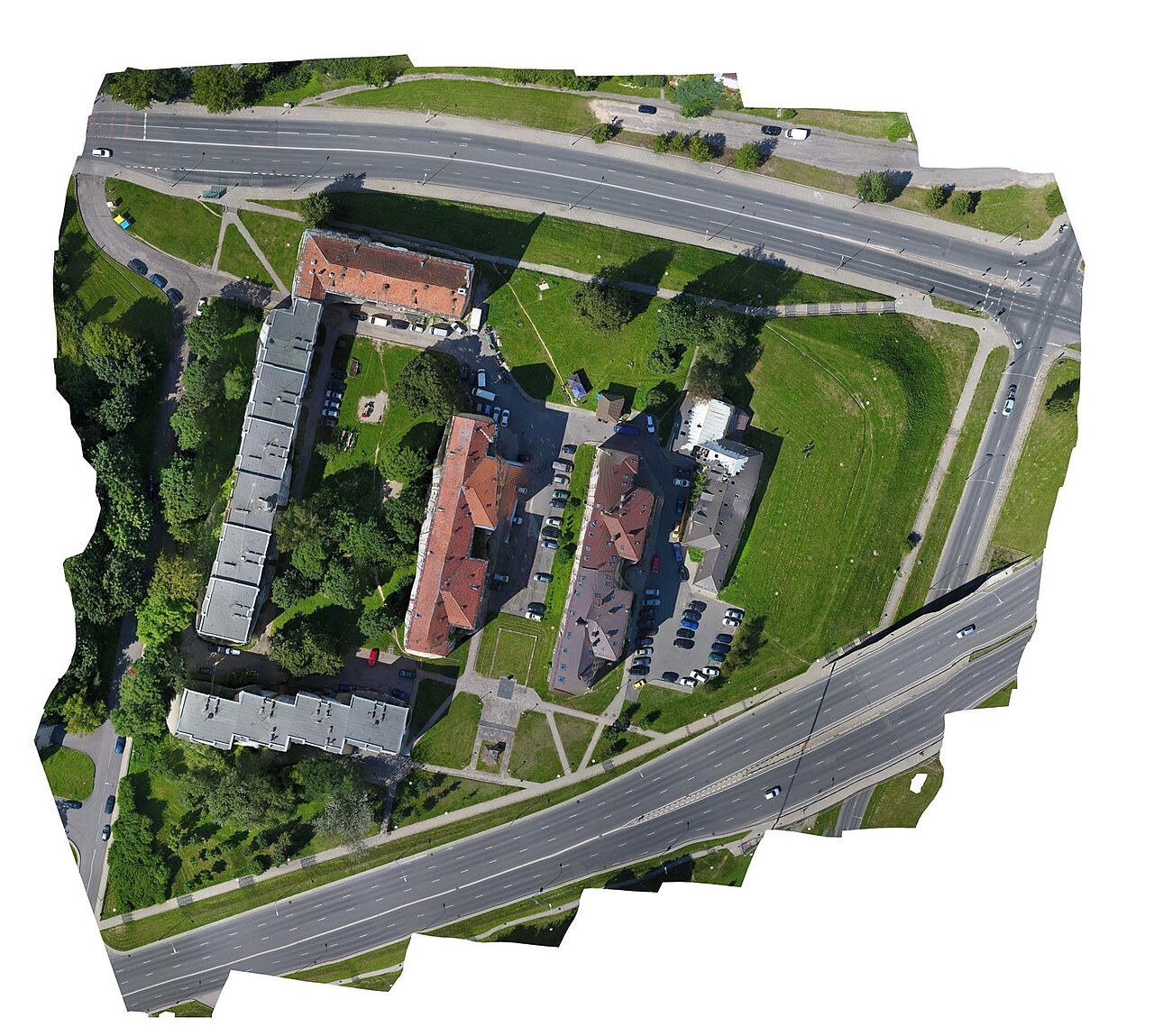
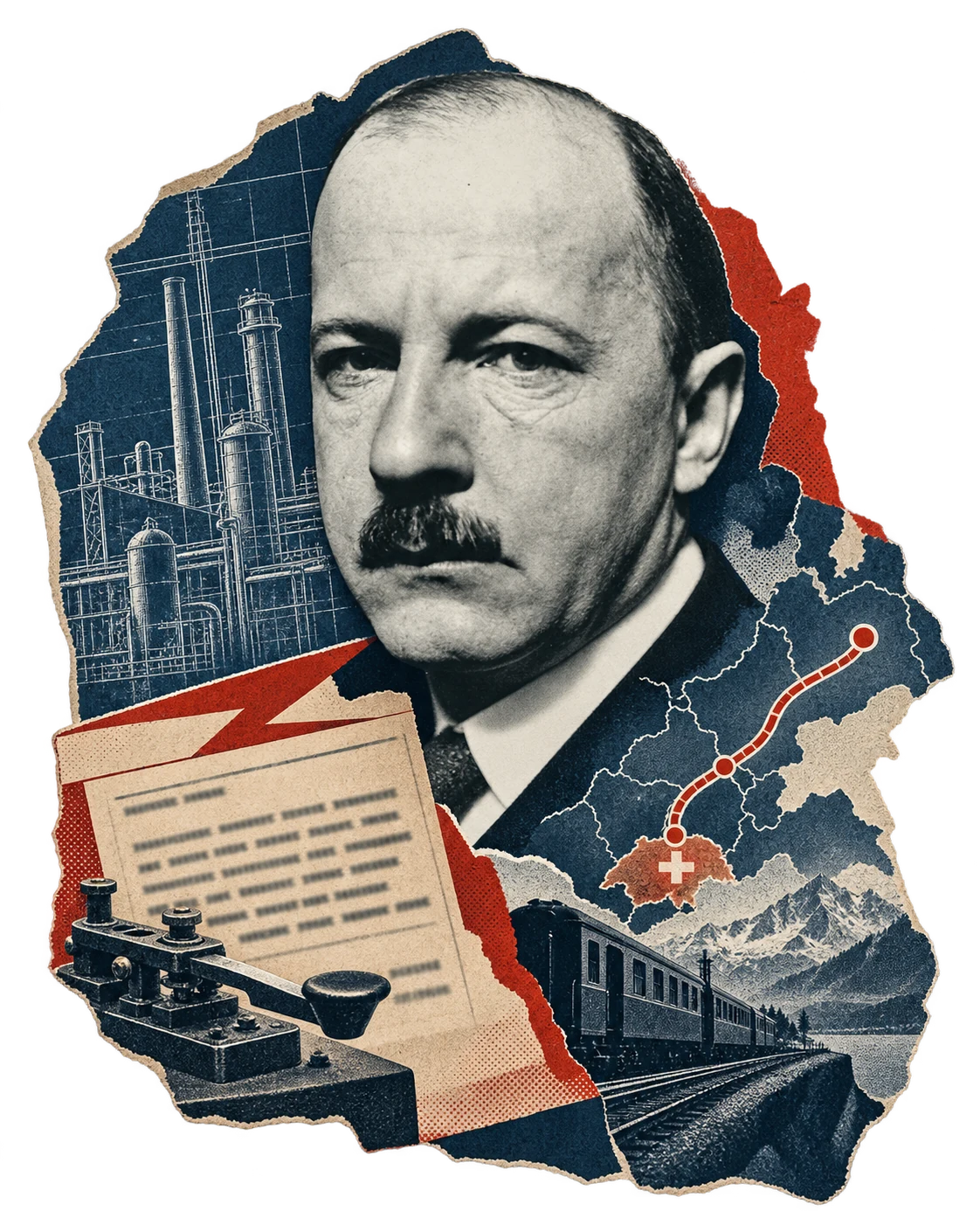
In mid-1940, shortly before the outbreak of World War II, Lithuania was occupied by the Soviet Union under the terms of the Molotov-Ribbentrop Pact. This was an agreement between the Soviet Union and Nazi Germany, signed in August 1939. The agreement included a secret protocol that divided Europe between the two parties. The signatories were German Foreign Minister Joachim von Ribbentrop and Soviet Foreign Minister Vyacheslav Molotov (after whom the well-known Molotov cocktail was named). After Vilna was occupied, a communist government under Soviet auspices was installed. The elite of teachers, scientists, and writers, who might have posed a threat to the government, were sent to camps in the Soviet Union; some were murdered, while others underwent "re-education."
Although there were Jewish members of the communist leadership, Jews were forbidden to teach Hebrew and were forced to switch to teaching Yiddish. The communists persecuted the yeshivas, and many of their students were exiled to Siberia.
Less than two years after the pact was signed, in June 1941, the Germans violated it and attacked the Soviet Union in Operation Barbarossa. In that operation, the Germans occupied Lithuania and were enthusiastically welcomed by Lithuanians, who saw them as saviors from the threat of the Russians and as allies in their hatred of Jews. With the Germans' arrival, a wave of murders of Jews began, carried out by Einsatzkommando 3 of Einsatzgruppe A, with extensive assistance from Lithuanian organizations. A month later, Karl Plagge and his unit were stationed in the capital, Vilna, where he witnessed the mass murder of the Jews.
Plagge held the rank of major in the HKP562 unit. It was a workshop for repairing German army vehicles, not far from the Vilna ghetto, where many Jews were forced to work. Under the orders he received, Plagge was supposed to select skilled vehicle-repair specialists, but it was clear to Karl that anyone who did not get to work in his workshop would be sent to the gas chambers, like most of Vilna's Jews in the early days of the occupation.
Karl Plagge was born on July 10, 1897, in Darmstadt. In 1924, he completed his studies at the city's technical university and received a degree in engineering. Plagge served as a soldier in World War I and witnessed Germany's defeat and the economic depression that followed its surrender agreements. Like many of his friends, he too saw Adolf Hitler as the leader who could rescue Germany from its dire situation and was an enthusiastic supporter even before the party came to power. For Plagge, Hitler's victory was the fulfillment of a dream. Two years earlier, in 1931, he had already joined the party and helped promote its aims, especially those related to restoring the economy and national pride. However, he refused to teach racial theory, since he could find no evidence to support its validity.
Plagge's Inner Conflict
The scenes he saw in Vilna deeply shocked him. Toward the end of the war, in mid-1944, Karl wrote to his wife Anke: "Again and again, a powerful sense of humanity wells up in me, standing in such stark contrast to the many forms of inhumanity around me. This is where my greatest conflict lies. As a National Socialist, I must say 'yes' to the mass murder, to seeing these people as an inferior class of human beings, and to many other things. As a human being, I recognize that this is madness, and that everything must end up as a heap of ruins, because all this must lead, time and again, to the most violent outbursts."
In 1947, Karl Plagge, a former commandant of a Nazi labor camp, stood trial for his part in the German occupation of Vilna, during which 100,000 Jews were murdered. At his trial, Plagge chose not to defend himself. But, to everyone's surprise, several camp survivors testified in his favor, and their testimony revealed for the first time details of a secret plan to save the last Jews of Vilna. Their testimonies led to his acquittal, but, unlike others, he never stopped feeling guilty.
When the Germans entered Vilna in late June 1941, the city's Jews were imprisoned in the ghetto. To exploit Jewish labor to the fullest, Jews were put to work in Karl Plagge's vehicle-repair unit. He provided forged work permits to get Jews out of prison and transfer them to work in his unit. Every day, the workers would leave the ghetto, walk to the nearby workshop, and return to sleep in the ghetto in the evening.
At first, Plagge worked at the Hesse factory. The factory owner was married to a Jewish woman. The Nazis demanded that he divorce his wife, but he refused. The factory was confiscated from its owner, and Plagge was appointed its manager. During the war, Plagge was promoted to major and sent to Vilna. When he arrived, the murder of Jews was at its peak, and the horrific scenes changed his views. He was ashamed of the German army's actions, and especially those of the SS. He understood that the workshop he had been given to manage was the means by which he could save Jews, just as Oskar Schindler had understood.
In August 1943, the Nazis decided to liquidate the Vilna ghetto. The 10,000 workers who remained in the ghetto, out of the 57,000 Jews who had lived there just two years earlier, were deported to Estonia. Karl arranged to get his workers out of the ghetto and move them to the factory grounds, which had by then become a closed area. Later, he sent a letter to his superiors explaining that, in addition to the men whose labor he needed in the workshop, he had to take in another 554 women and about 190 children.
He wrote: "After the liquidation of the Jewish ghettos in Vilna, it was decided that approximately 500 skilled Jewish workers would be retained for vehicle-repair duties. The condition was that they be employed in a closed concentration camp. Since the motivation and efficiency of the Jewish workers depended above all on not only the men but also their wives and children being able to remain in Vilna, the wives and children of the workers were also detained and transferred to the labor camp on Subocz Street. At present, there are 1,243 Jews in the labor camp: 499 men, 554 women, and 190 children. In order to put the unemployed women to productive work after the initial rush, they too were employed, in consultation with Captain Klipfel of the Vilna External Office of the War Economy. For this purpose, 311 women were assigned to work..." These actions enabled him to double the number of Jews he saved.
Survivors' Testimonies of the Rescue
Pearl Good's testimony sheds light on his willingness to stand up to officers in his army, even at the risk of his life: "My father (Dr. Michael Good) worked in the HKP workshop even before we were put in the ghetto, and his permit saved him from the 'kidnappers.' After we were put in the ghetto on September 6, 1941, my father was allowed to leave the ghetto every day and go to work at the HKP. The yellow permit identifying him as a skilled worker (although he was far from being a skilled worker) saved us and kept us alive until September 1943, when the 'Four Days' Aktion and the deportation to Estonia took place. Major Plagge went to the station and ordered his workers and their families to get off the train and enter the shale mines, but the senior officer there ordered them back onto the train. Plagge was determined to protect his remaining Jewish workers and their families. To do so, he had to establish a labor camp, because the ghetto was about to be liquidated. Rumors spread that, in order to achieve this, Plagge went to Berlin to convince the authorities that his skilled Jews were essential for repairing army vehicles - a lie that could have ended with his execution."
The tension between Karl and the SS units can be seen in the testimony of survivors Mark and Anna Balber: "During the Nazi occupation of Vilna, we, along with about 1,200 other Jews, were prisoners in a forced labor camp known as the HKP. We were under the control of both the Wehrmacht and the SS. Major Plagge was in charge on behalf of the Wehrmacht. We all knew that Major Plagge would do everything he could to help us and ease our suffering. Of the many incidents that took place, several stand out in our minds. One morning, as we were lining up for our daily roll call, the SS commander, Kittel, singled out some young, pretty girls and took them away. One of our Jewish leaders, Kulis, went to Major Plagge. The girls were released that same day. On another occasion, after we had been in the camp for about six months, an SS officer named Weiss took all the little children. They were taken to Ponary, where they were killed. We later learned that this happened only because Major Plagge was on leave in Germany and was not there to resist."
When it became known that the Red Army was on its way to Vilna and the end was near, the Jews prepared hiding places inside the camp, which they called "malines." In early July 1944, Karl gathered his workers and gave a speech in which he hinted at what lay ahead. SS officers were present. He told them that he was being reassigned to the west and explained that, despite his pleas, he had not been given permission to take the workers with him. In two days, they too would be transported west: "You know that the SS is undoubtedly an organization that protects refugees." Some understood the hint and went down into the malines. Most of the prisoners did not hide, and on July 3, 1944, the SS took them to Ponary, where they were murdered. When the Red Army entered the camp, only 250 of the 1,250 Jews had survived. Some of them later immigrated to Israel.
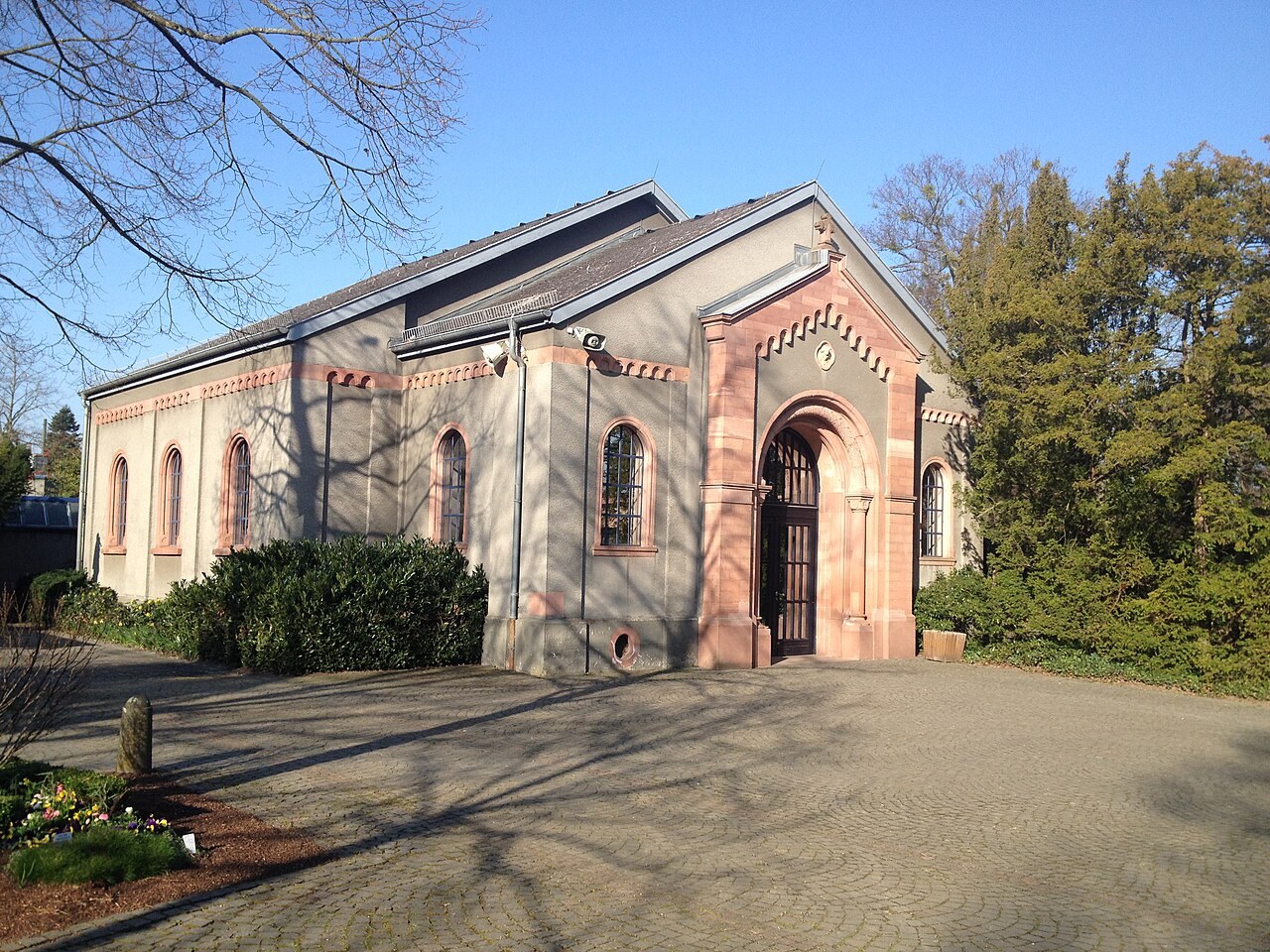
After the war, Plagge returned to his home in Darmstadt and died in 1957. In 2005, Yad Vashem awarded him the title of Righteous Among the Nations. In 2006, a German army base was named after him. An award in his name, supported by Lithuania's Ministry of Education and Science, is given to school students in Lithuania who research the history of Lithuanian Jews. In 2018, Simcha Jacobovici wrote a documentary about Plagge's life titled "The Good Nazi."
תגובות
עדיין אין תגובות.