
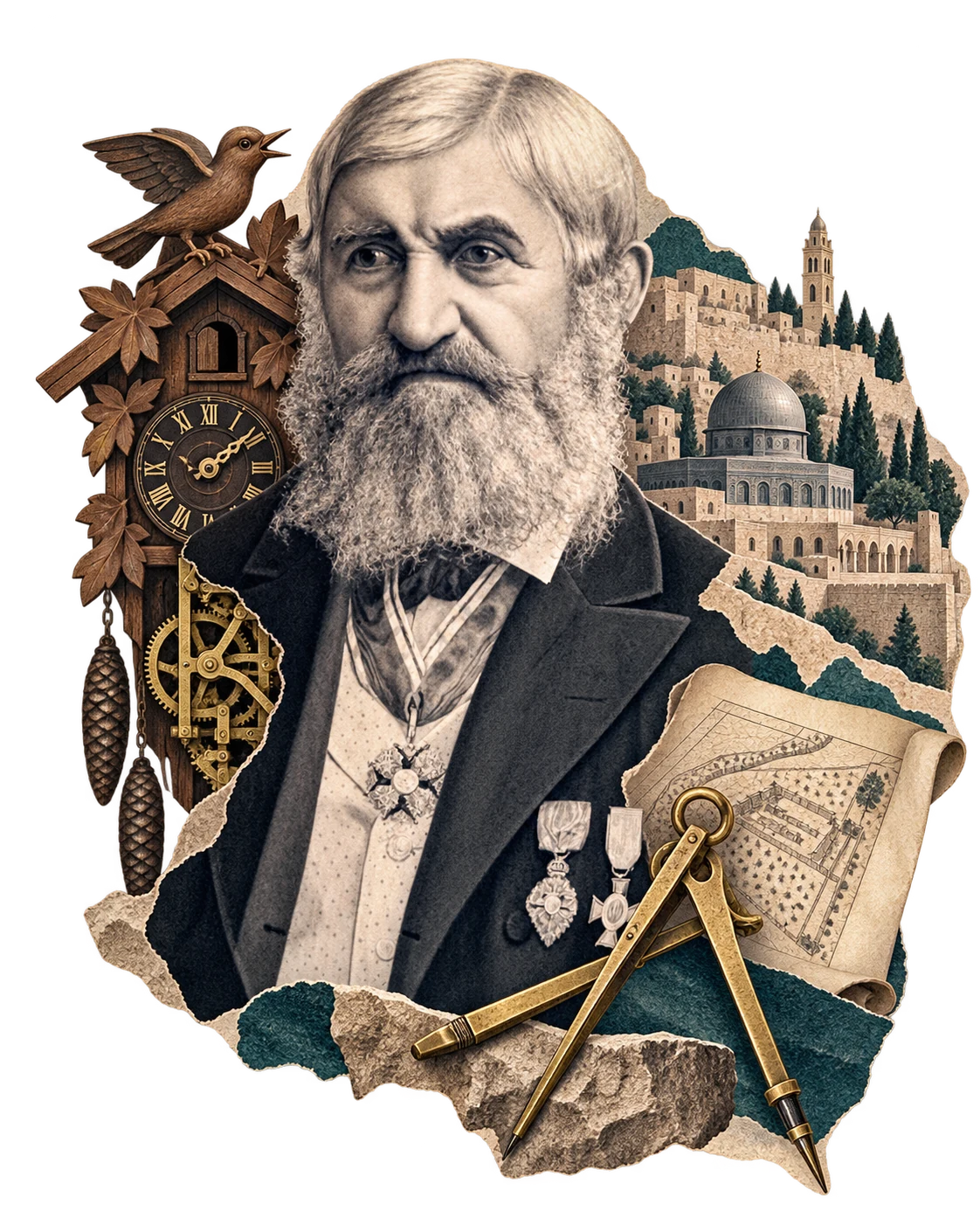
A German cuckoo-clock maker, architect, archaeologist, cartographer, and scholar of the Land of Israel, known for building beyond the walls of Jerusalem.
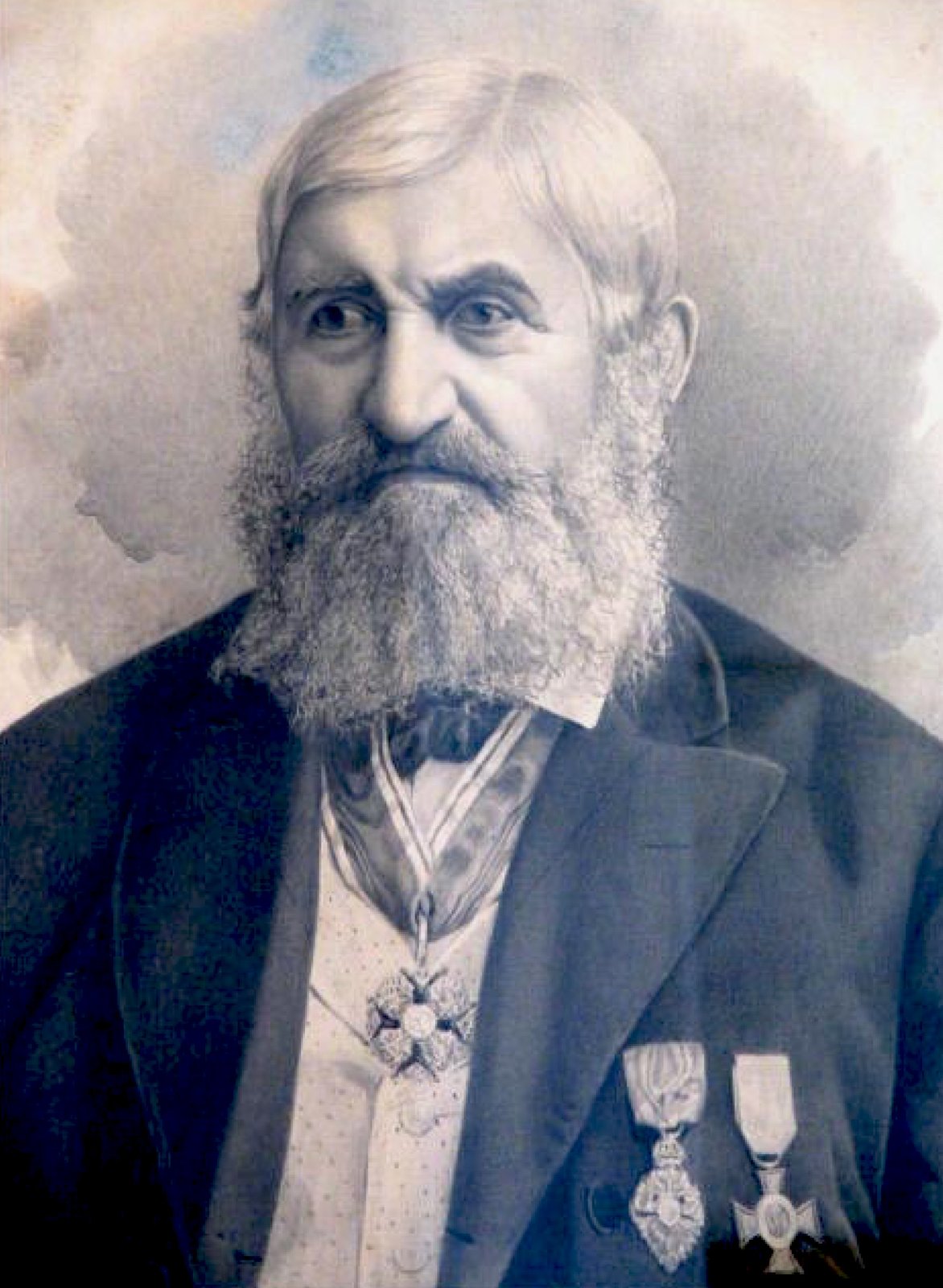
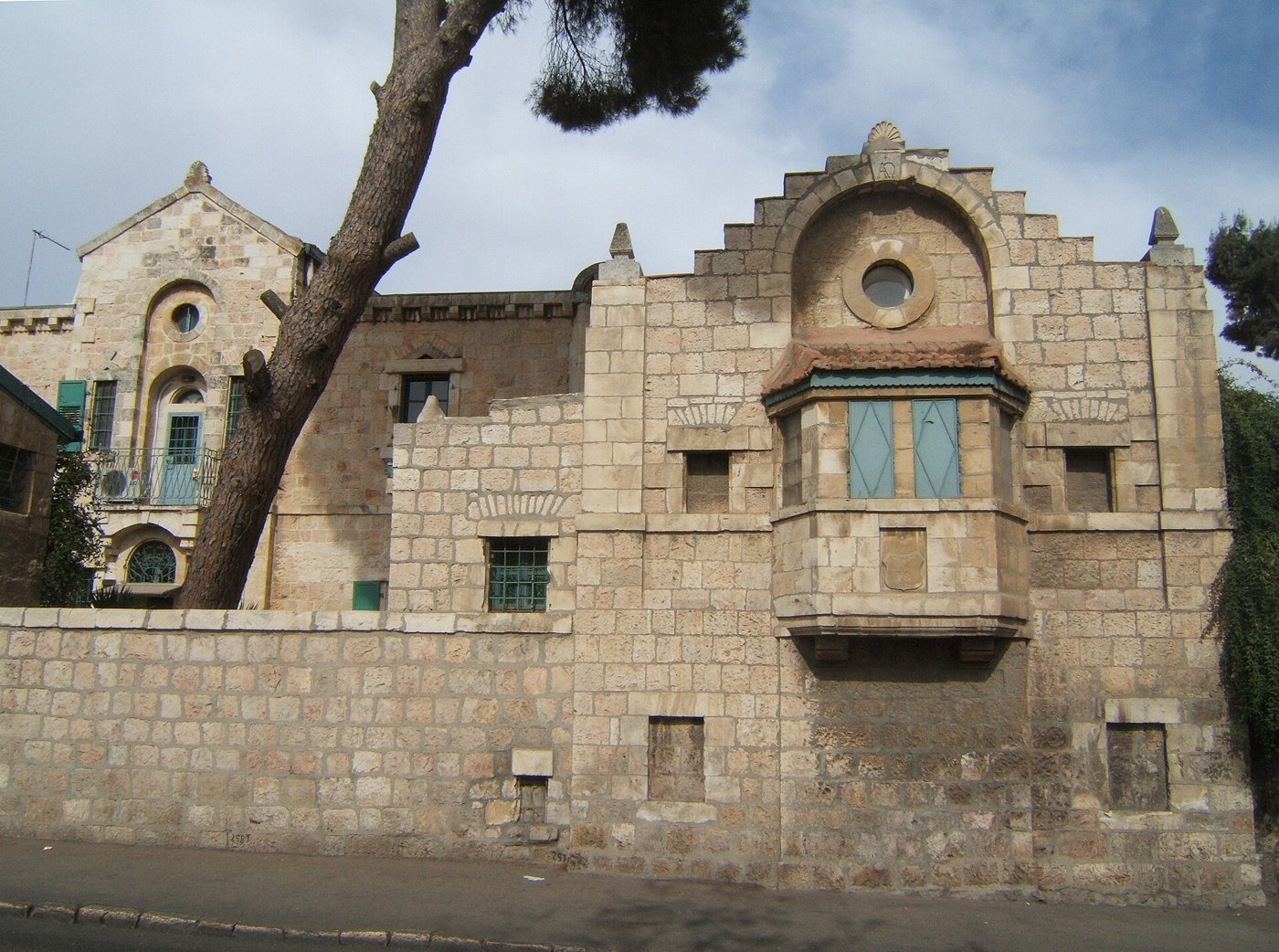
"If I had to choose a house to live in, this is the building I would choose," said Teddy Kollek, who served as mayor of Jerusalem for 28 years, about Tabor House - one of Jerusalem's most beautiful buildings, if not the most beautiful of all.
The owner of Tabor House became a legend. He was one of the few who left their mark on the study of Jerusalem and the Land of Israel. An archaeologist, cartographer, gifted model-maker, and one of the planners of the Mea Shearim neighborhood, the Talitha Kumi orphanage, the leper hospital, and more. A self-taught man who only toward the end of his life received an honorary doctorate. He named his home Tabor House, after the words in the Book of Psalms: "The north and the south, You created them; Tabor and Hermon rejoice in Your name" (Psalms 89:13).
His Childhood in Germany and the Talent for Sketching
Konrad Schick was born in 1822 in southwestern Germany, in a small village called Bitz, in a region where the Protestant branch of Christianity had been founded. In those days, people who lived in villages made their living through hard farm work, and education was of little use in this isolated village. The sixth child in a family of 11, Schick understood that, unlike his sturdy relatives, his frail physique was not suited to farm work, which demanded strong muscles and great physical endurance. Frustrated, he shut himself in his room and spent his days reading the few books in the house, most of them religious texts.
More than anything, Schick loved the stories of the Bible. In his imagination, he parted the sea with Moses and watched David defeat Goliath. Then he would sit down and sketch the structures described in the scriptures, such as the Tabernacle, Noah's Ark, and the Temple. One day, his mother gave him a few coins and sent him to the village shop to buy himself something. She expected that, like any child, he would buy a ball or a skipping rope to strengthen his weak body. To her surprise, he bought a notebook, pencils, paints and brushes, a ruler, and a compass, hurried to his room, and began sketching with delight.
As a frail child, he was a burden on the family, and they decided to send him to the town of Konteral, near Stuttgart, where he would study and work at the large carpentry factory, support himself, and become independent. Schick enjoyed his carpentry studies, where his talent for design came to the fore. But the harsh conditions were bad for his weak lungs, and he was sent to a hospital in Stuttgart to recover.
While recovering, he met missionaries and found common ground with them. They too were not robust; they too could not lift logs or tie up a bull; and they too dreamed of the stories of the Bible. Once he had recovered, he left Stuttgart, began wandering, and arrived in Basel, Switzerland, where he joined the Basel Pilgrim Mission. The mission's aim was to work in various countries through highly skilled tradespeople. In his memoirs, Konrad Schick recalled that in a chance conversation with Spittler, the head of the mission, the latter casually mentioned that he was looking for a candidate to go on a mission to Jerusalem. Schick replied, "Indeed, that is where I would gladly go." In preparation for his journey, he learned to repair cuckoo clocks - a useful trade that suited his frail build.
Teacher, Architect and Researcher in Jerusalem
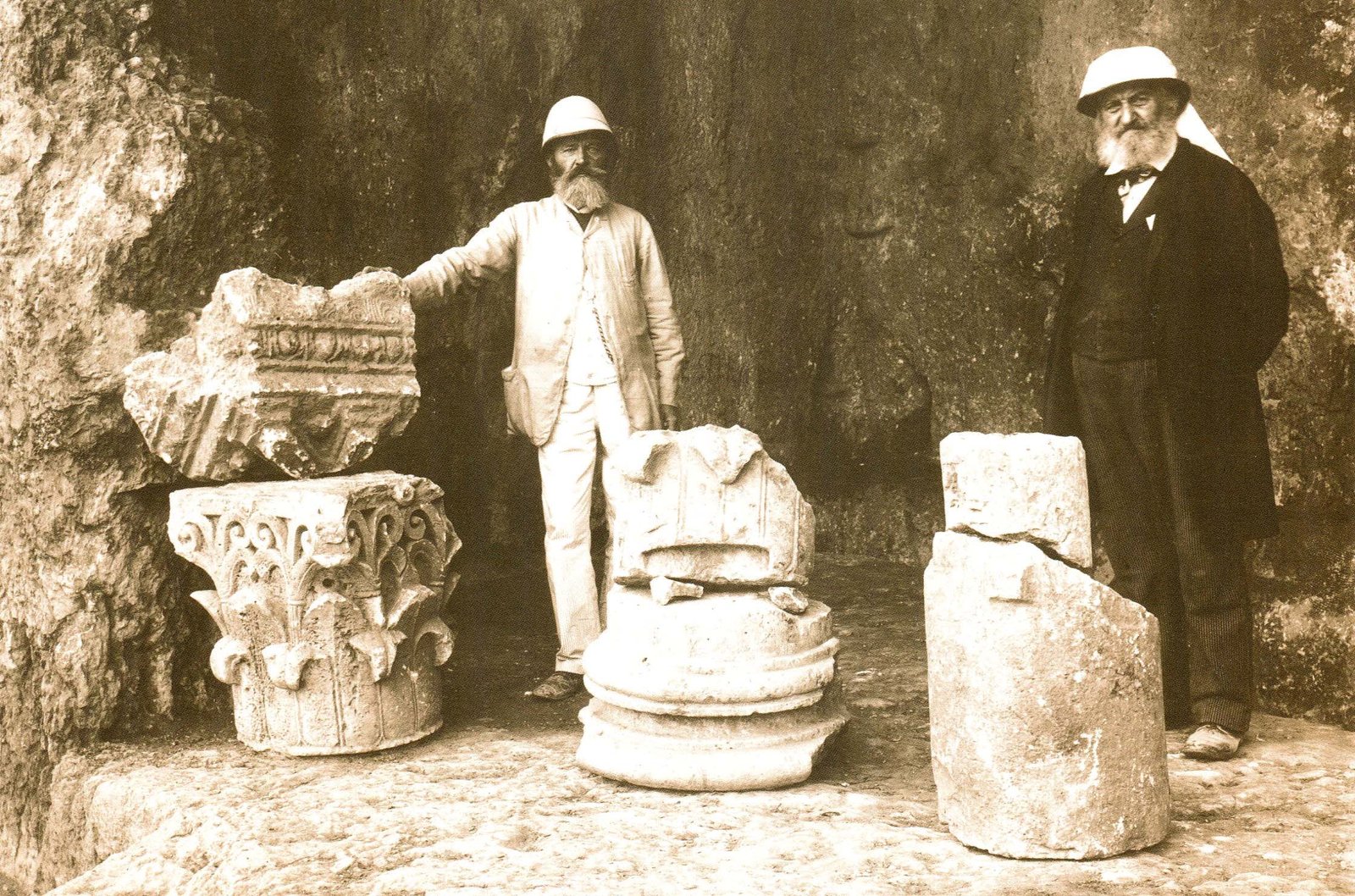
Konrad Schick first saw the city of Jerusalem in late 1846. Selling cuckoo clocks to the city's wealthy was his first source of income in Jerusalem. Later, together with his friend Christian Palmer, he established and ran an educational institution for Arab students of the Greek Orthodox community. From there, it was a short step to founding a vocational school where carpentry, woodturning, and printing were taught, and Schick ran the educational institution.
Konrad Schick was one of the few fortunate people permitted to enter the Temple Mount compound, which he did after the Turkish ruler asked him to renovate its buildings. He made use of his time there to write a detailed book about the compound. Schick and Palmer were the only Germans in the city, but they were left without money. They asked Spittler for financial assistance, but instead of money they received a package of cuckoo-clock parts and a letter: "Give a man a fish and he will eat for a day. Teach him to fish and he will eat for the rest of his life."
Konrad Schick began to "fish" for the wealthy and sell them expensive clocks. He told them about the city of Jerusalem, where they lived but which they did not really know. He was an honored guest among Jews, Catholics, and Muslims. He sold clocks to everyone until anyone who could afford one had a cuckoo clock. The clock business came to an end when the city's mufti approached him: "Dear Konrad, my son and his young friends are certainly good people, but they lack the education of a man of the world like you. Would you be willing to teach them in return for suitable payment, of course...?"
Konrad found himself embarking on a new career as a private tutor to the sons of the city's wealthy. He brought Europe to them, teaching them history and geography, and the next generation of leaders grew under his tutelage.
In 1851, Konrad Schick went to work for the Anglican Mission under the supervision of Bishop Gobat. This was a decisive step in Schick's life, one that shaped his future. During his service with the Anglican Mission, construction beyond the city walls began to flourish, and he discovered his talent for architecture. He designed schools, hospitals, churches, and monasteries. Among other projects, he took on the planning of the Mea Shearim neighborhood, synagogues, yeshivas, and the homes of wealthy residents, such as the home of the banker Valero. Schick became renowned as a great architect who applied innovative techniques to design and construction. The buildings he designed stood out for their beauty and distinctive character, and his style was marked by an inspired and thoughtful blend of European grandeur with Middle Eastern and Ottoman architecture.
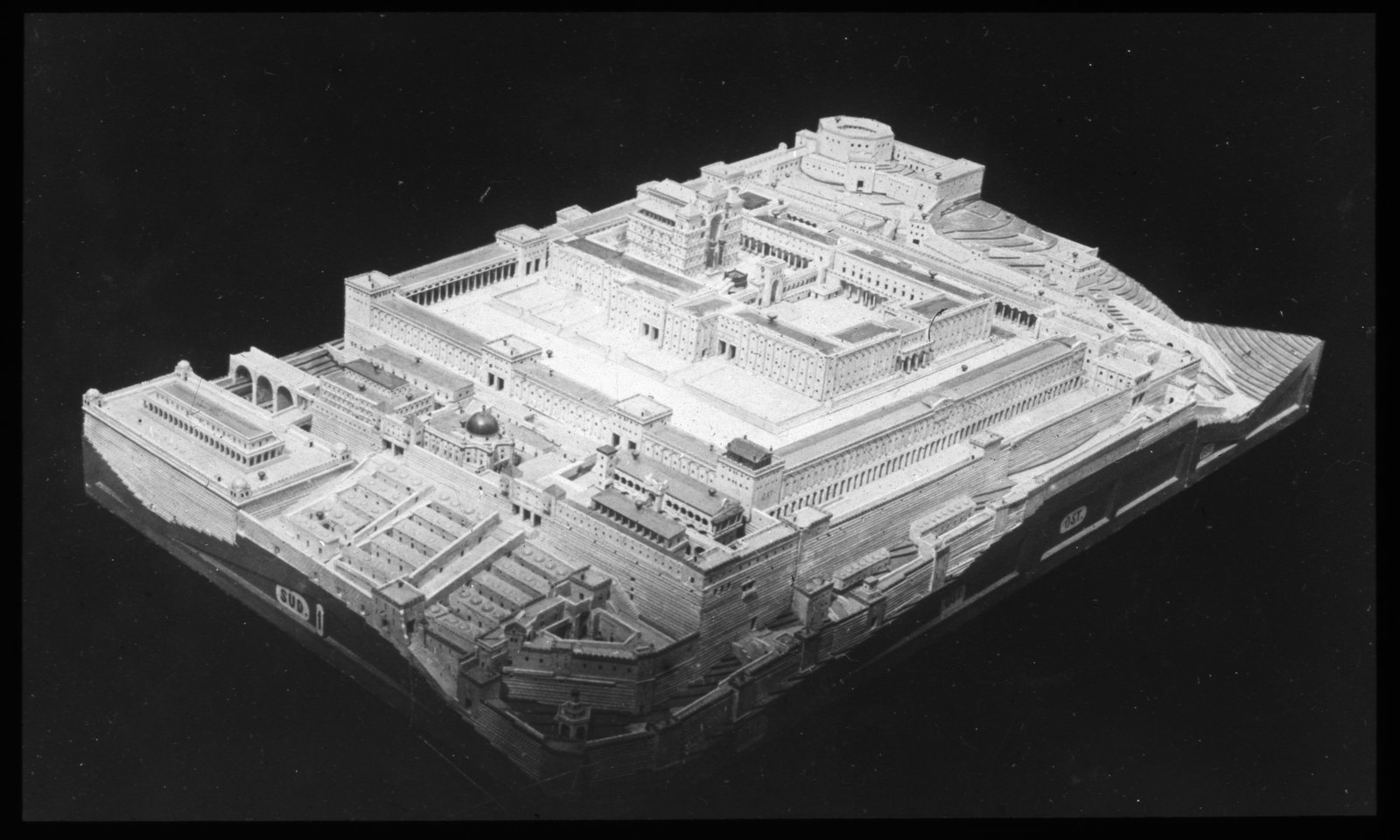
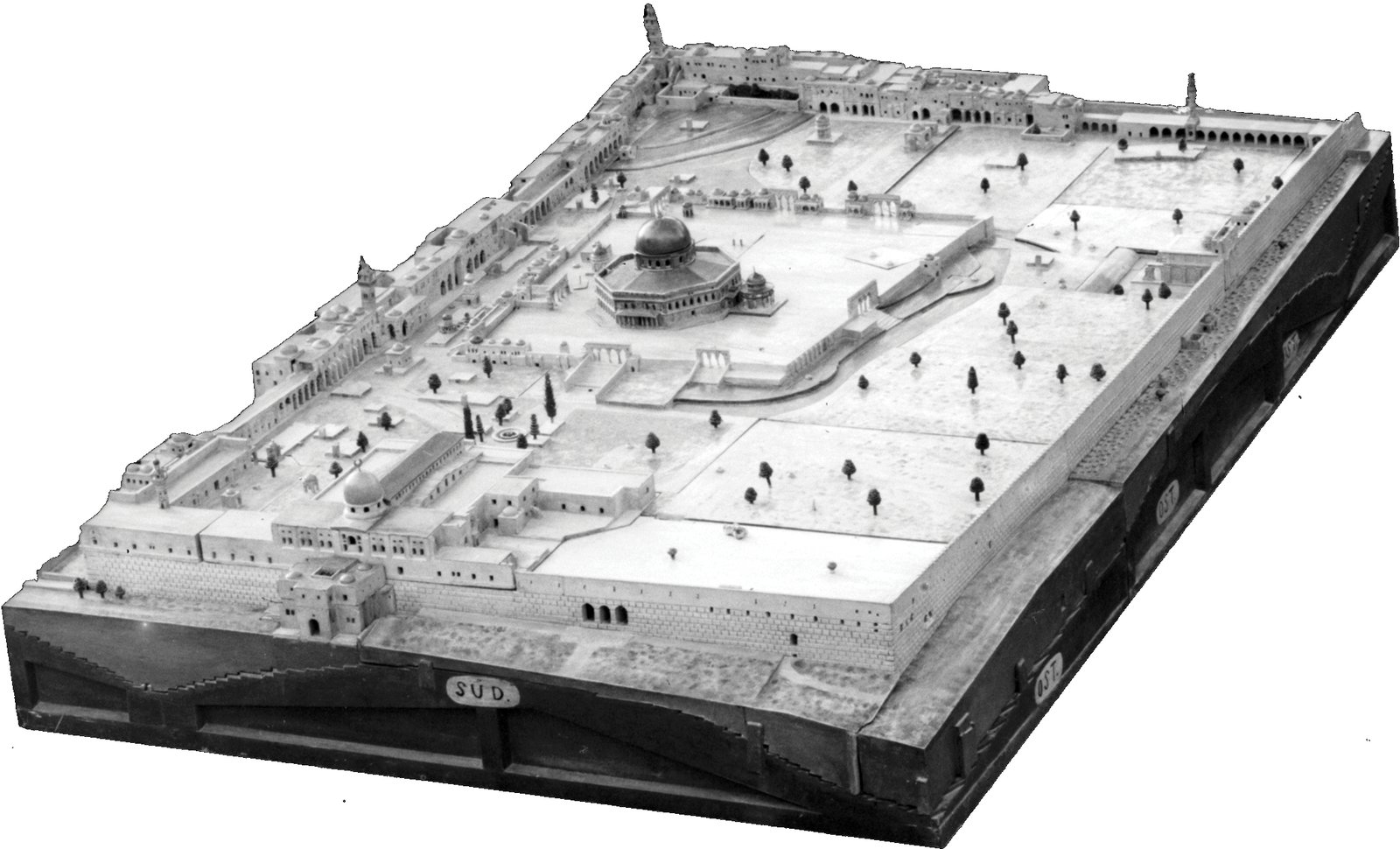
Konrad Schick also built beautiful and accurate models of the Temple Mount and the Temple. He worked in cartography, and his maps remain an important source for studying the condition and development of Jerusalem in the late 19th century.
In 1878, Schick published his first scholarly article in the journal of the German Society for the Exploration of the Land of Israel. A year later, he had already published an article in the more prestigious journal of the Palestine Exploration Fund. In 1880, Schick described his next discovery: "...When one of my students descended into the southern part of the tunnel near the Pool of Siloam, he stumbled over broken rocks and fell into the water. When he got back to his feet, he noticed marks resembling letters on the rock face. I went to the site with the necessary tools to examine the discovery... There is an inscription there on a flat surface, consisting of 8 or 10 lines... and as far as I could judge, the letters are Phoenician." Konrad Schick was the one who discovered the Siloam Inscription, one of the most important historical inscriptions from biblical times.
The Imperial Visit and Beit Tabor
In those days, relations between the Turkish rulers of the land and the Germans were close, and the German emperor Wilhelm II was due to visit the country. The mufti entrusted Konrad Schick with organizing the visit of his compatriot. As part of the preparations, Schick was responsible for paving the first street beyond the walls - Jaffa Street - which until then had ended at the wall, not at a gate. Schick was thus responsible for breaching the wall near Jaffa Gate, so the emperor could enter the city in his carriage. The visit in 1898 was a huge success... A camp with a giant tent was built for the emperor where Rehov HaNevi'im is today. Nine years earlier, Schick had built his home on that same street - Tabor House - which still stands today.
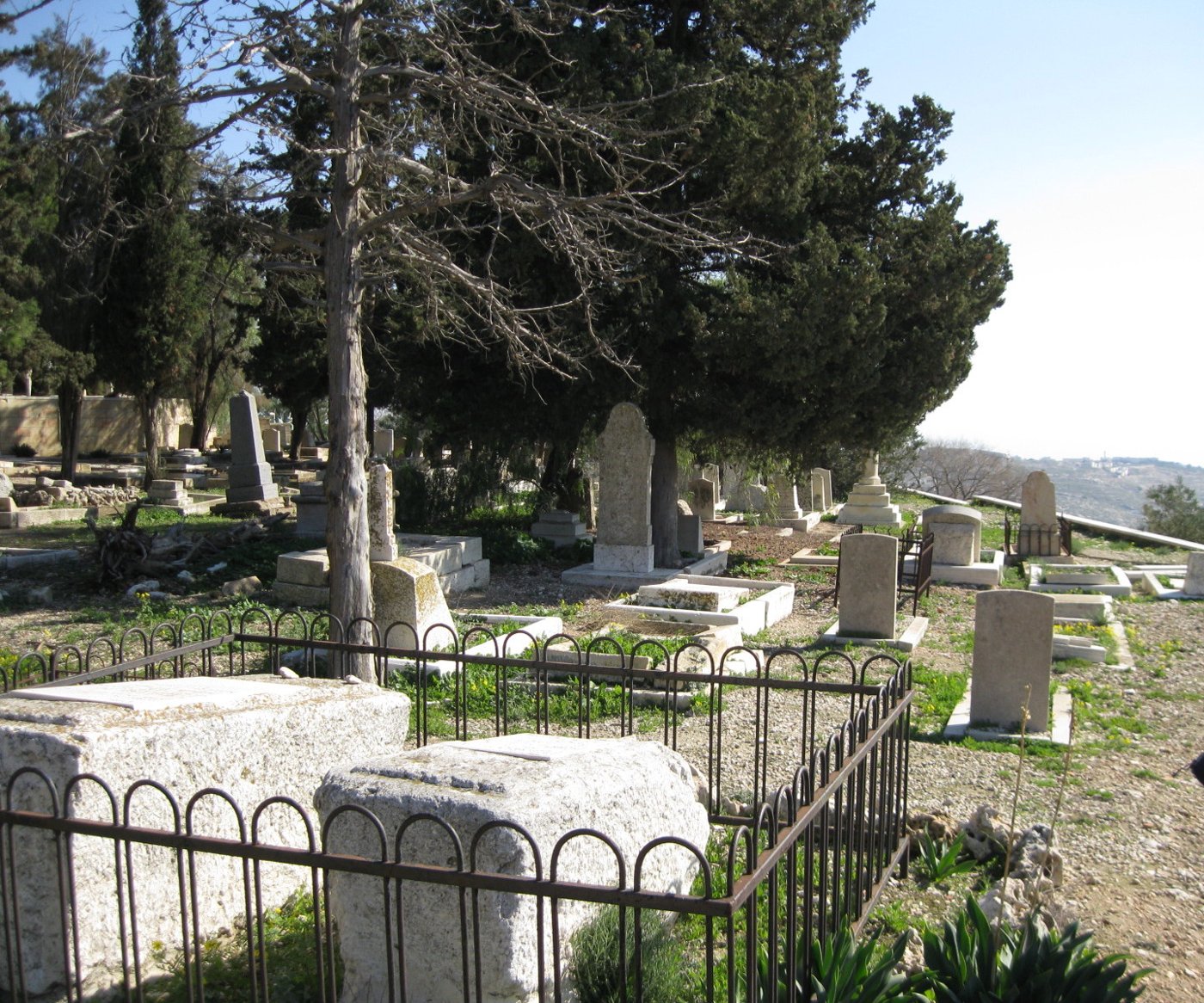
In 1901, after fifty years of work in Jerusalem, and just short of his eightieth birthday, Konrad Schick passed away. He was buried in the Protestant Cemetery on Mount Zion.
תגובות
עדיין אין תגובות.