
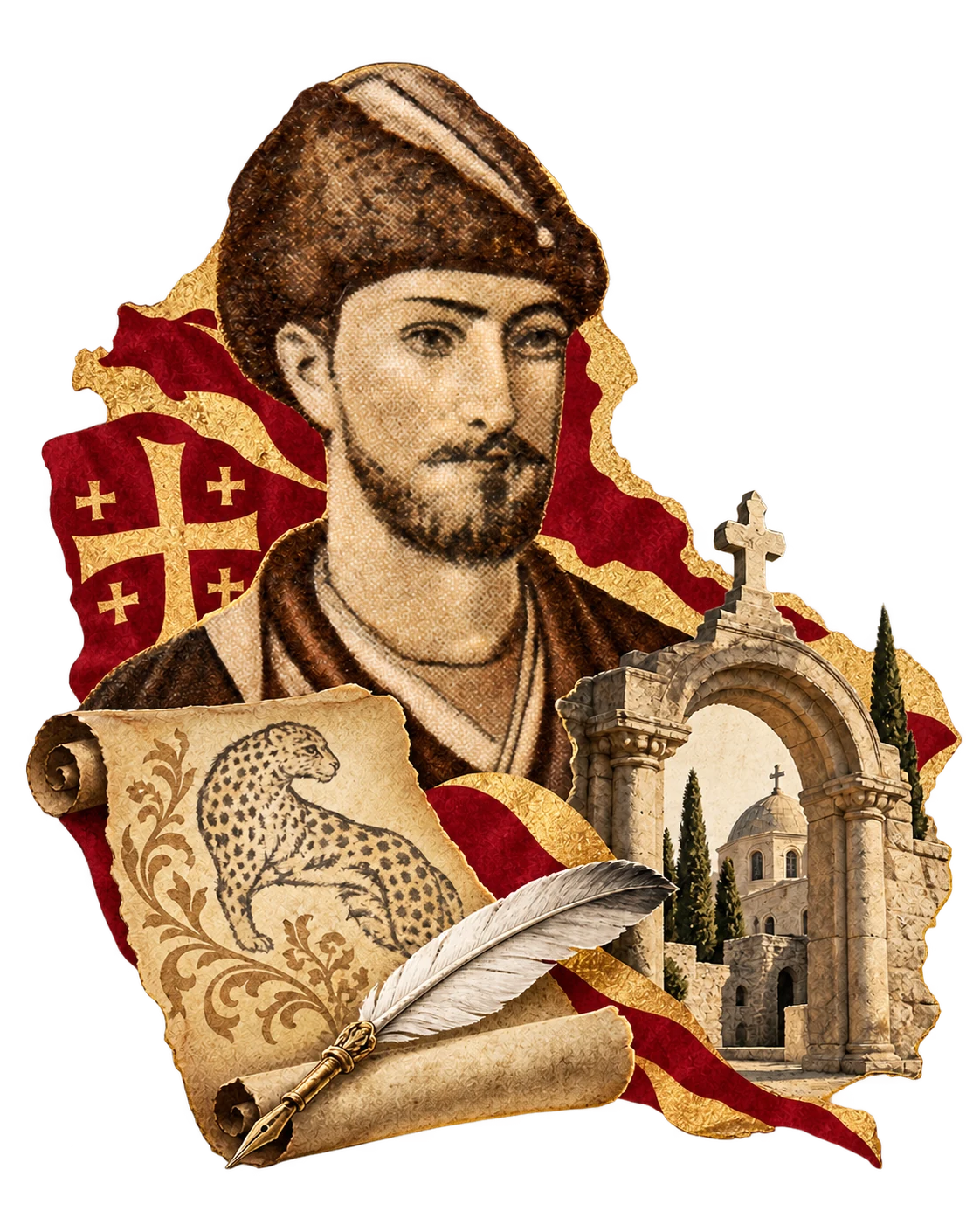
Georgia's national poet, who admired and loved Queen Tamar. At the Monastery of the Cross in Jerusalem, he wrote the famous poem The Knight in the Panther's Skin, which became a national treasure of Georgia.
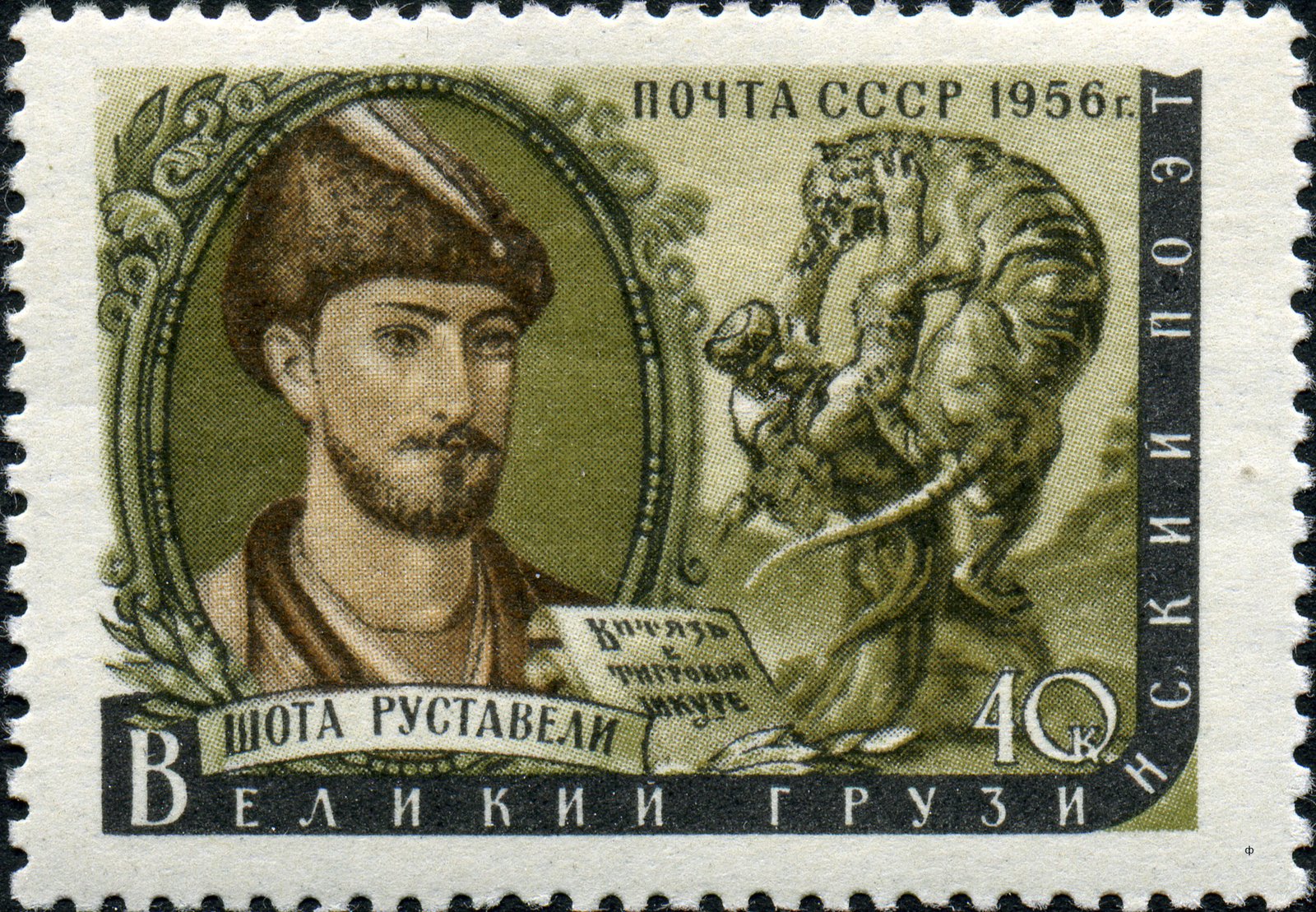
The Story of The Knight in the Panther's Skin
Rostevan was a famous Arab king who had no sons. His daughter Tinatin was a beautiful and wise young woman, destined to succeed her father. Tinatin was in love with the handsome and heroic Avtandil, Rostevan's commander-in-chief and a member of the royal court. One day, when Rostevan and Avtandil went hunting, they came upon a mysterious knight by the river, dressed in a panther's skin and wrapped in grief. They tried to speak to him and even capture him, but he responded violently and fled. The crown princess Tinatin announced that whoever found the knight would win her hand. Avtandil, who desired her greatly, decided to take on the task himself and set out to search the kingdom for the Knight in the Panther's Skin. After three years of searching, Avtandil found the knight in a cave, still dressed in a panther's skin and grieving.
The broken knight, Tariel, told Avtandil the moving story of his love. Tariel was the admiral of the Indian kingdom and had fallen in love with Princess Nestan-Darejan, daughter of the king of a neighboring kingdom. She returned his love, but her father planned to marry her to the Persian prince Khvarazm. To prevent the marriage, the knight Tariel killed Prince Khvarazm, but the princess was smuggled away and disappeared. Tariel searched the whole world for his beloved until he learned that she was being held captive far away. Realizing that his dream of living beside his beloved would never come true, he saw no point in living and went to live alone in a cave. He killed a lion and a tigress and wore the tigress’s skin: the lion symbolized the Persian prince he had killed, and the tigress his beloved. Avtandil was moved by the story and promised to help Tariel find his beloved. After an extensive search, they found her imprisoned in the castle of the king of demons, Kaji. With the help of a large army, they freed her and returned with her to her father, who eventually relented and agreed to give his daughter to Tariel. The two celebrated their wedding and then went to India, where they continued the wedding festivities.
This is the poem The Knight in the Panther's Skin (in Georgian, Vepkhistqaosani), written by Shota Rustaveli. Much of the story recounts the author's own love for Queen Tamar, who ruled Georgia at the time. The work is so important to the Georgian people that a copy of the manuscript was given as a bride price when daughters married, even when the brides could not read.
Tamar and the Monarchy in Georgia
Queen Tamar was born in 1166. She was the daughter of King George III, who, like Rostevan, was a king of Arabia. The story suggests that he, too, had no sons, only a daughter, Tamar, who, like Tinatin, was beautiful and wise and destined to succeed her father. King George III belonged to the Bagrationi dynasty, whose members believed they were descendants of the House of David. For this reason, she was named Tamar, after David's daughter.
George III knew that passing the crown to his daughter would not be easy, since Georgia had never been ruled by a queen. To accustom the nobility to the idea of a woman ruler, he decided to prepare her for the role during his lifetime and proclaimed her queen, ruling alongside him. George had to contend with several uprisings that challenged his right to rule, but he managed to suppress them and establish Tamar's rule.
Queen Tamar ruled alongside her father for six years, until his death. She was the first queen in Georgia's history and ruled from 1184 to 1213. Her reign is considered the kingdom's golden age, and it is said that her army would acclaim her with the words, "Long live King Tamar." Queen Tamar established strong Christian rule amid a sea of Muslim states and restored to the Georgians their lost honor and their sense of belonging to a country that had endured many conquests.
As soon as she ascended the throne, Tamar had to face strong opposition at home. The nobles demanded that she marry a man who would lead the army, prompting each noble house to put forward a suitable candidate for the role. To quiet the opposition and avoid internal divisions that would weaken the kingdom, Tamar married the Russian prince Yuri Bogolyubsky in 1185. She soon discovered that the prince was lazy, a drunkard, and not particularly intelligent. After two years, she divorced him after he was accused of sodomy and sent into exile in Constantinople. She chose her second husband, David Soslan, herself. Soslan was her childhood friend, and they knew each other well. Tamar and David had a son and a daughter: George IV, who would later succeed his mother, and Rusudan, who ruled after her brother.
One of the famous battles Tamar fought took place in 1202 against the army of Rukn al-Din, the Seljuk sultan of Asia Minor. Worried by the expansion of the Georgian kingdom, the sultan marched from eastern Turkey into Georgia at the head of an army of 300,000 men. On the way, the sultan sent the queen threatening and insulting messages, calling her a "foolish woman" and a "murderer of Muslims," while promising that if she apologized, he would forgive her and marry her. Tamar ignored the taunts and offers, and in what is known as the Battle of Basian, her army, which numbered only 80,000 soldiers, defeated the Seljuk army, and the borders of her kingdom expanded.
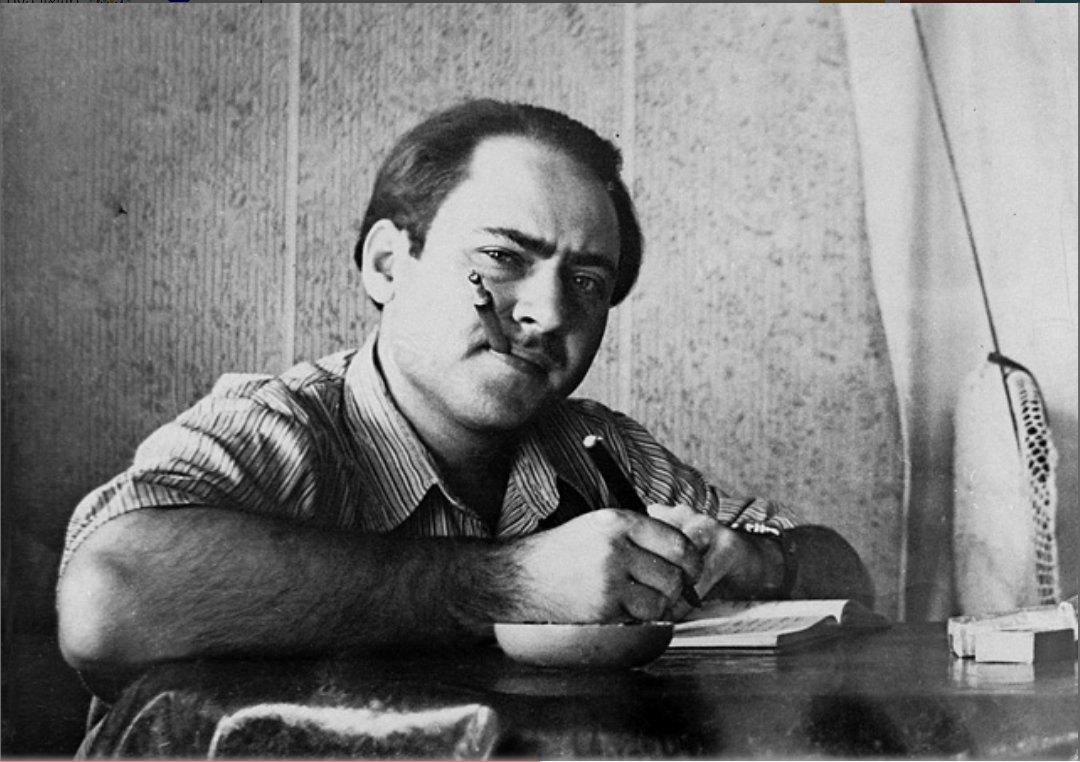
Queen Tamar is remembered with great affection as a kind and benevolent ruler, and legends and folk songs are associated with her name. "King of Kings and Queen of Queens"; "Tamar the Great"; "Queen of the Abkhazians, Georgians, Kakhetians, and Armenians"; "Lady of East and West"; "Light of the World and its Wealth" - these are just some of the titles bestowed upon the legendary Queen Tamar, who led the Georgian monarchy.
Rustaveli and Tamar
Shota fell in love with Tamar at first sight, like many of the nation's nobles, who were captivated by her beauty and power. He wrote poems about her, describing her beauty, nobility, and dark eyes. Some Georgians claim that The Knight in the Panther's Skin was written in Georgia, and that when Shota finished writing it, the queen invited him to a public reading, at the end of which everyone was left speechless. On that occasion, the queen gave him a precious ring she took from her finger, and her husband David gave him his personal sword.
The affair between Queen Tamar and Prince Shota, who was her treasurer, prompted Shota to leave Georgia and come to the Land of Israel. He joined the Monastery of the Cross in Jerusalem, where he lived until his death. Throughout his years of solitude, Shota atoned for his forbidden love by creating a masterpiece that would later become an epic. Unlike the story, in which the Knight in the Panther's Skin marries his beloved at the end, Shota never got to fulfill his own love.
In January 1213, while Queen Tamar was meeting with her ministers at a castle near the city of Gori, she fell ill and was taken to the capital, Tbilisi. On January 18, the queen died of a serious illness. Like her father, Tamar had crowned her son while she was still alive. On May 14, 1213, Queen Tamar was canonized and declared a saint by the Georgian Orthodox Church.
Shota Rustaveli is Georgia's most important cultural figure. The highest award for literature and art is named after him, the main street in the capital, Tbilisi, is called Rustaveli Avenue, and the city is home to the Rustaveli Theatre. His commemoration extends beyond Georgia to Armenia, Kyiv, and even Jerusalem. In 2001, Israel issued a stamp in his memory in cooperation with Georgia. At the Monastery of the Cross in Jerusalem, there was only one picture depicting what Shota looked like, with his name beneath it. But in 2004, unknown vandals defaced the painting in the monastery (suspicion fell on the Greek monks who currently hold the monastery). An inscription commemorating Rustaveli and his work was also damaged.
The Journey of the Translation into Hebrew
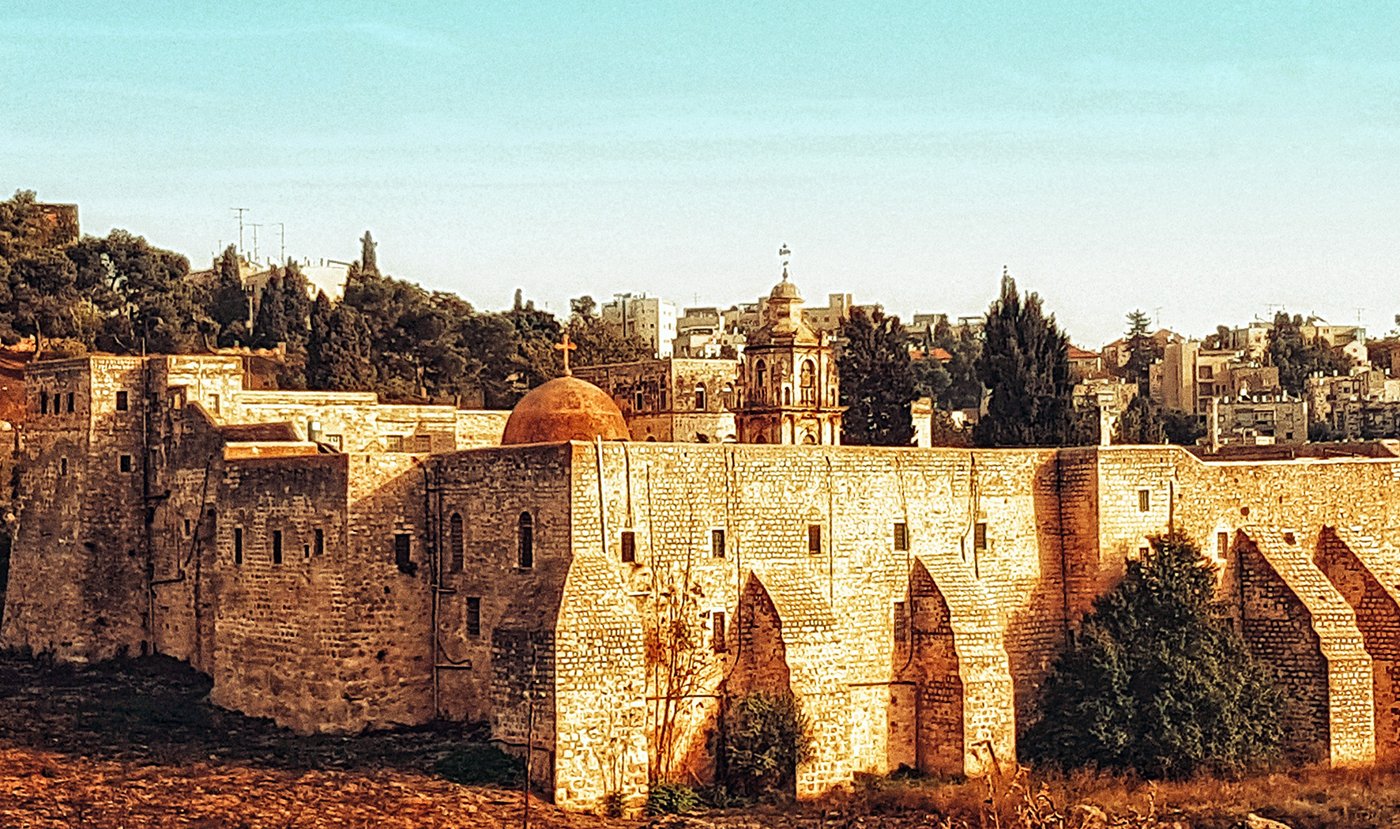
The Knight in the Panther's Skin has been translated into several languages, but this important work, written here in Jerusalem, was not available in Hebrew. The story of its translation into Hebrew is fascinating in its own right - it is the story of Dov (Boris) Gaponov. Gaponov was born in Ukraine in 1934, and from there his family wandered as refugees until they reached Kutaisi, Georgia. He learned the Hebrew he spoke as a child from his grandfather, who was a rabbi. In the years that followed, Gaponov continued to learn Hebrew solely by reading and listening to Voice of Israel, since at the time Hebrew studies were forbidden in the Soviet Union, where they were seen as an act of defiance against the regime. After many years of work, Gaponov sent his translation of the epic The Knight in the Panther's Skin to Israel, where it was published with the help of Avraham Shlonsky.
This translation is nothing short of a miracle. Gaponov was cut off from Israel's Hebrew literary circles, and he learned the language from sacred texts rather than as a living language. He had no linguistic or poetic models for writing poetry in modern Hebrew, but this was also an advantage, since Shota Rustaveli, who knew the Bible well, skillfully incorporated biblical characters and plots into his poem.
The entire work was originally written in Georgian. The poem consists of 1,702 stanzas in the form known as shairi, with 16 syllables in each line. Each stanza has four rhyming lines, with its own rhyme scheme, and all the lines in a stanza rhyme with one another. Gaponov's translation is astonishing because he was the only one to preserve the same meter and rhyme, something lacking in the Russian and English translations.
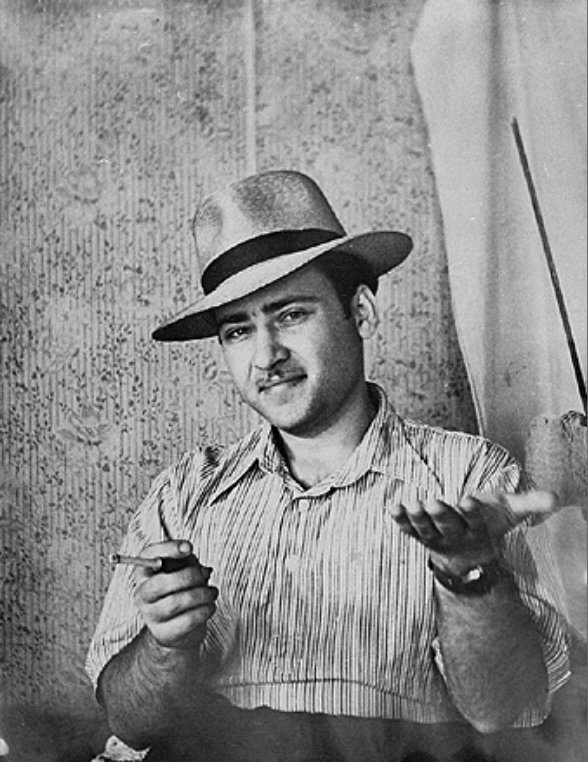
The translation was published both in Israel and in Georgia, and won Gaponov an award that he was unable to receive because he was not permitted to leave the Soviet Union. Gaponov was one of the drafters of the letter sent in 1969 by eighteen Georgian activists seeking to immigrate to Israel to Golda Meir and the UN Human Rights Commission, asking that Jews be allowed to move to Israel. The letter's publication around the world led the Soviet rulers to permit Georgian Jews to immigrate to Israel, marking the first crack in Soviet opposition to emigration.
Gaponov's health later deteriorated, and he was flown to Moscow and from there to Israel. He was hospitalized at Tel Hashomer Hospital, where he remained unable to move or speak for about a year. In the summer of 1972, he died. Dov (Boris) Gaponov was buried in the Writers' Section at Kiryat Shaul. Among those who paid tribute to him was the poet Haim Gouri, who said: "Gaponov is one of millions of unknown people, our brothers there in a land that outlawed his Hebrew and ours as though the language were an enemy. When we first learned the details of the story, we felt a breeze of good news. We knew that Gaponov was signaling to us, giving us a subtle hint, as if to say that everything is alive. The people are alive, their language is alive, because something cannot come from nothing. He was the one, solitary and miraculous, and he represented the many, an emissary of a great community."
תגובות
עדיין אין תגובות.