
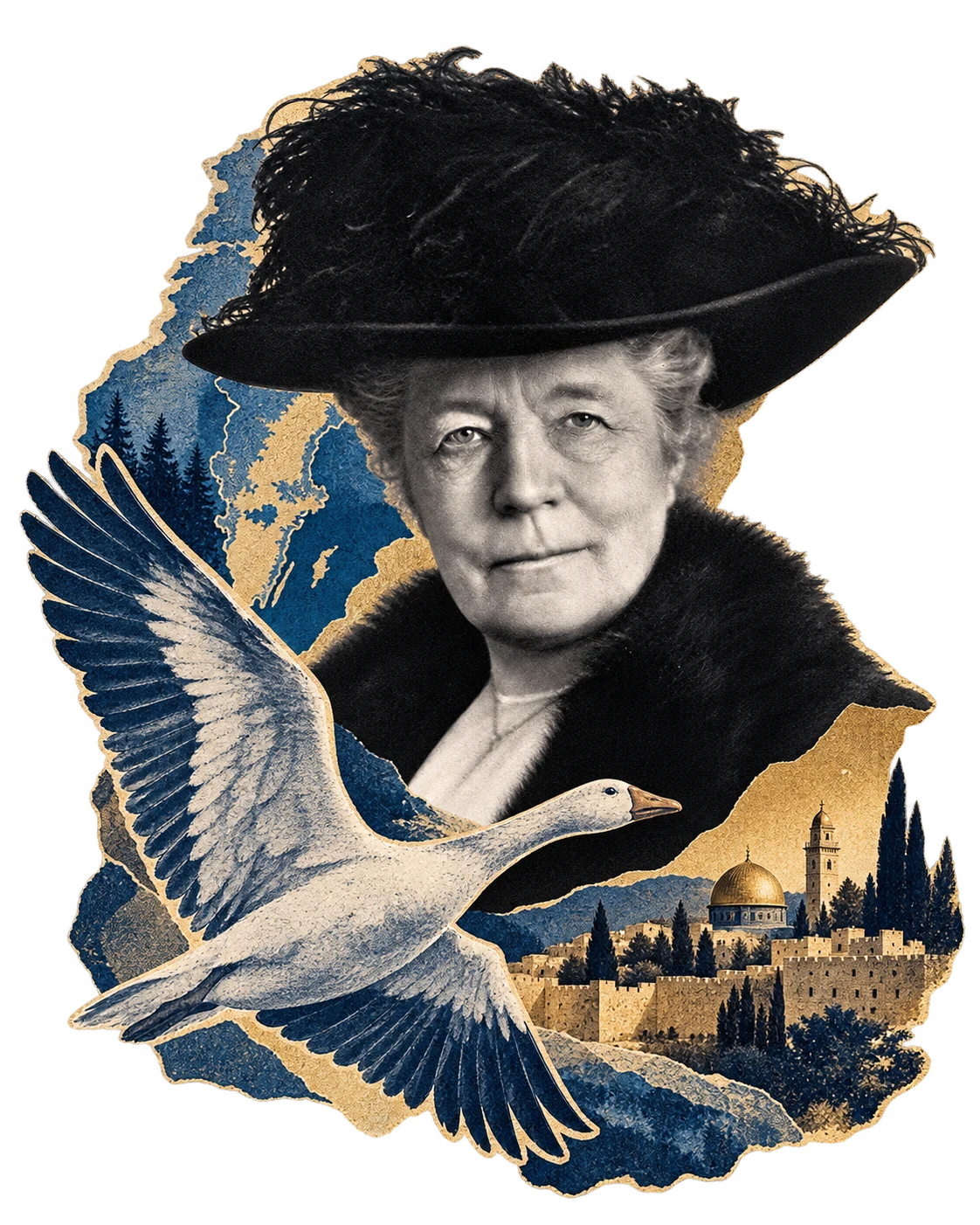
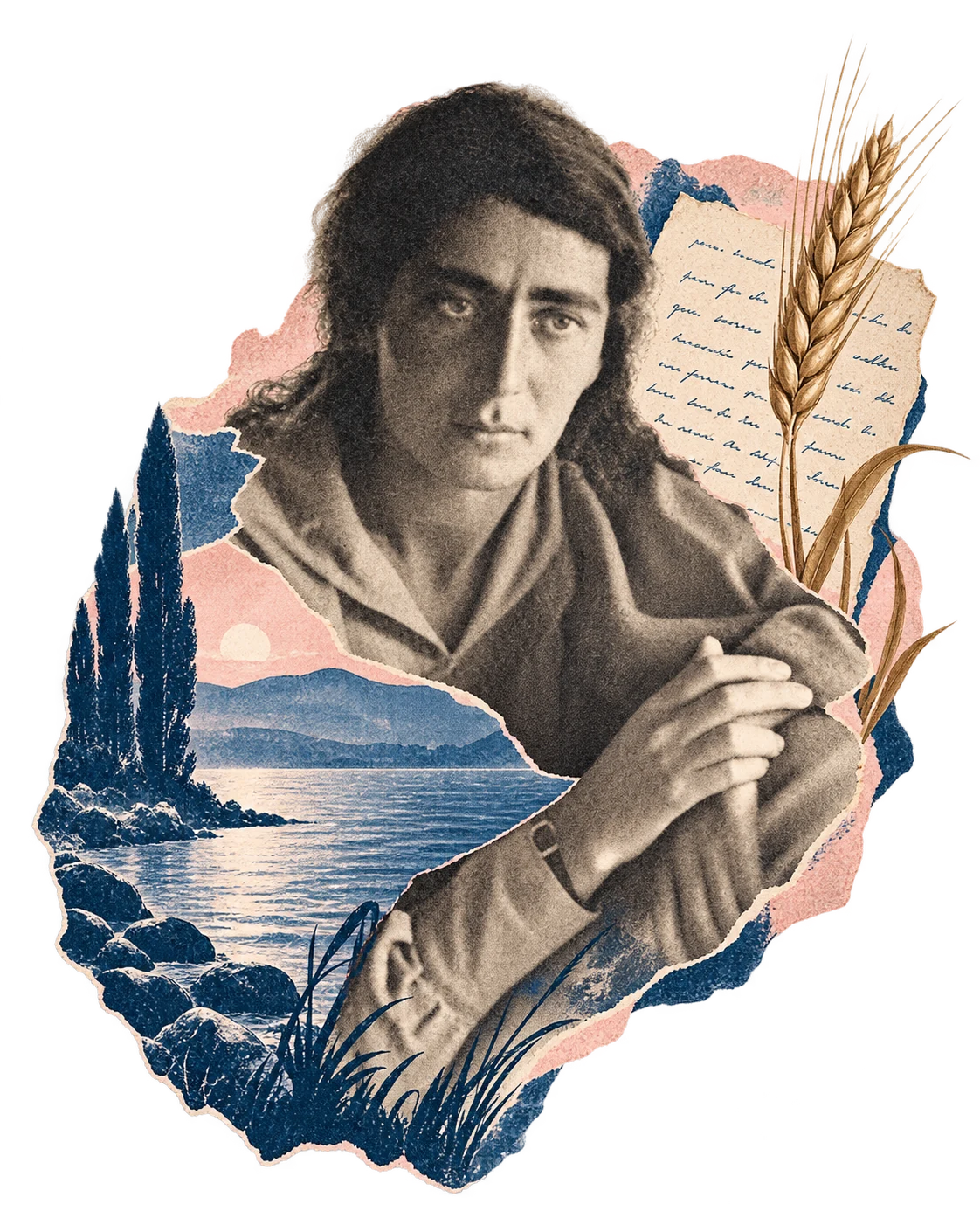
Selma Lagerlöf's The Wonderful Adventures of Nils began as an initiative by the Swedish Teachers' Association to teach geography, but soon became a bestseller in many countries.
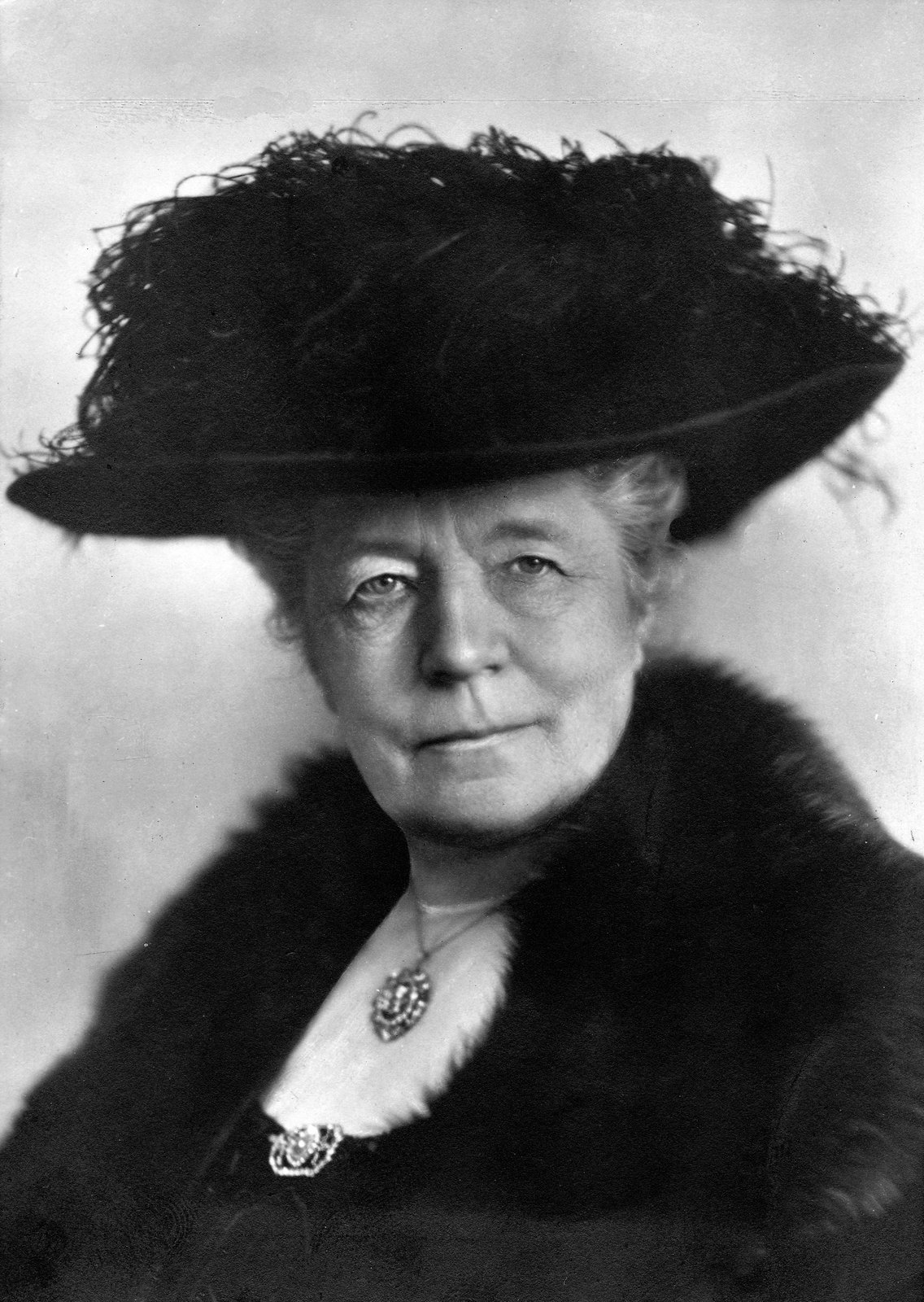
The Wonderful Journey of Nils
"Gil was a boy who turned into a dwarf and set off on a wonderful journey across our land. He rode on the back of a duck that joined a flock of storks. To become a boy again, he had to bring the duck safely home... How wonderful it was to fly once more on the duck's back and see the whole flock of storks all around. The land looked like a great carpet. To the west, the sea kissed the shore. In the Galilee, Mount Atzmon, the highest of all the mountains, raised its head, and to the east lay the Sea of Galilee. Suddenly a strong wind blew. It pushed the storks eastward again, toward the mountains of Upper Galilee. There were the houses of Safed clinging to the mountain, and there too was the tomb of Rabbi Shimon bar Yochai at Meron, at the foot of Mount Atzmon. And on the mountain ridges, kibbutzim could be seen."
Children in the 1960s read these passages, which appeared in the children's newspaper Etzba'oni, with bated breath. And if the story seems familiar, it's surely because you remember Nils's story from The Wonderful Adventures of Nils, in which Nils flies over the southern regions of Sweden.
The idea for Nils's flying journey began in 1906, when the National Council of the Swedish Teachers' Association realized that the existing geography textbooks were a little boring and that students had to memorize uninteresting facts tediously. The committee asked the author Selma Lagerlöf to write a fresh new textbook that would be so captivating to read that Swedish children would want to read it of their own free will. Selma Lagerlöf, who also worked as a teacher, was enthusiastic about the idea and gladly agreed to write the book. And so she set off on a three-year journey to learn about her homeland, Sweden. At the end of the journey, The Wonderful Adventures of Nils was born. Its plot tells of 14-year-old Nils, a mischievous boy who was put under a spell, climbed onto the back of a domestic goose, and set off with it on an exciting adventure across Sweden.
Swedish children loved the story, which was translated into many languages and made its author famous. Children in every country embraced it, and in some places, including Israel, similar stories were written on its model to teach the geography of the region. In 1909, she won the Nobel Prize in Literature for "the noble idealism, richness of imagination, and generosity and beauty of form that characterized her work." Selma Lagerlöf was the first woman to win the Nobel Prize in Literature.
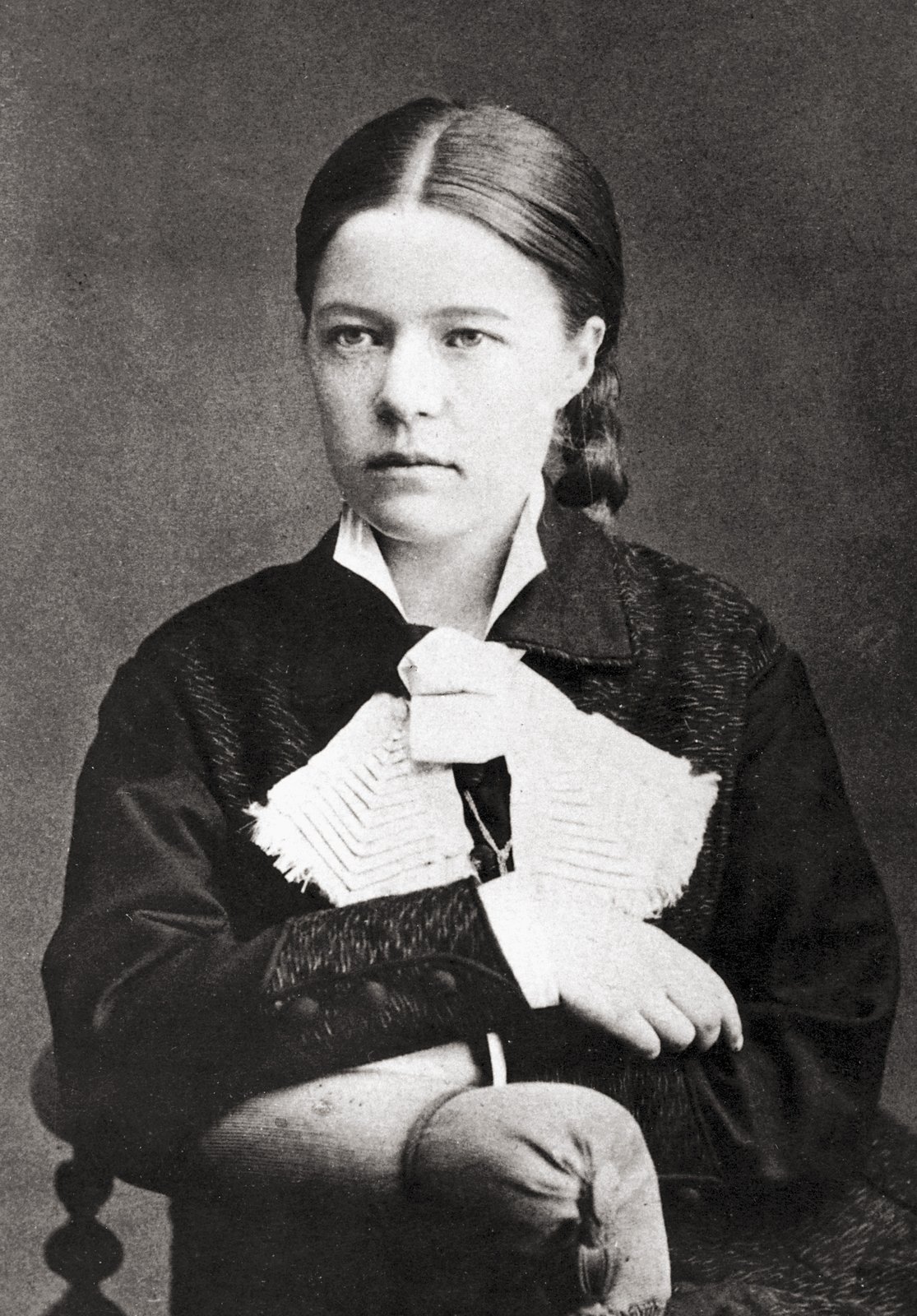
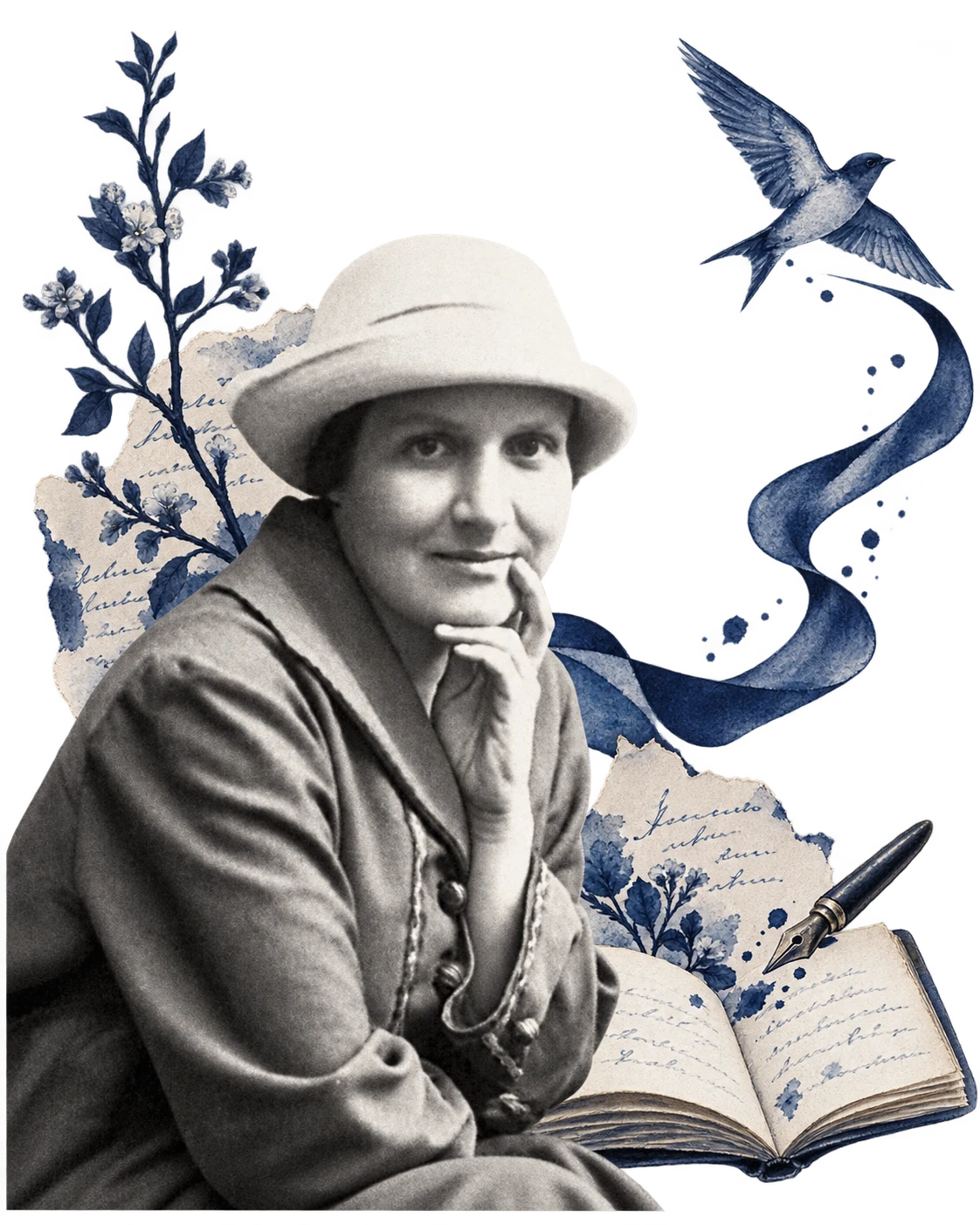
Selma Lagerlöf was born in 1858 on a farm in Värmland, in southern Sweden. Selma was unlike other girls. She did not go to school because she contracted polio at the age of three, and so spent her childhood studying on her own and reading books. In her imagination, Selma flew to all those places across Sweden that even her friends could not reach. When she was 20, her father died, and the family had to sell the farm and move to the capital, Stockholm, where she studied to become a teacher.
Selma wrote the first chapters of The Saga of Gösta Berling in 1889, based on a well-known legend set in the region where she was born and raised. She submitted the chapters to a short-story-writing competition and won. After completing her studies, she went to work as a teacher in northern Sweden, while also beginning to publish her work in periodicals. It was the King of Sweden who discovered her talent and was impressed by her book Invisible Links. The king arranged for Selma to receive a grant from the Swedish Academy, which enabled her to devote herself to writing.
The Chain of Disasters and the Road to Jerusalem
In October 1871, a fire broke out in downtown Chicago, destroying entire districts. About 300 residents perished, and a hundred thousand were left homeless. Among those affected were the wealthy lawyer Horatio Spafford and his wife, Anna. The Spaffords were devout Christians, and despite the damage they had suffered, they helped those affected by the fire. This was the first in a series of tragedies to befall the family. Three years later, Anna and her daughters sailed to Europe for a vacation. While they were at sea, the ship sank and the girls drowned, but Anna survived. Yet this was not the last tragedy. Their son, born after the girls' deaths and a source of comfort to Horatio and Anna, also died. Anna then began to wonder what was causing this chain of tragedies.
The Spaffords and those around them concluded that all their troubles were decrees from Heaven, and to them the message was clear: they had to go up to Jerusalem and atone for their sins there. Thirteen other adults and three children joined Horatio and Anna, and in 1881 they all arrived in Jerusalem. They settled near the Damascus Gate, lived modestly, made everything they needed themselves, and volunteered to help the community. Among other things, they took in Yemenite Jews who arrived in the city in 1882 and provided them with kosher food. In 1984, Swedish-Americans from Chicago joined them, followed later by families from Sweden.
Sophie Elkan (Solomon) was born in Sweden to a well-to-do, educated Jewish family. Unlike Selma, she had a pampered childhood, and when she grew up she, too, began publishing and translating books. As was customary in the Jewish community, she married young and had a daughter. At Christmas in 1879, she suffered a series of unbearable tragedies. Her husband died of an illness one day, her daughter died the next, and her father died a few days later. It was a terrible shock, and Sophie struggled to recover. A long time passed before she learned to live alone, without anyone to love her and without anyone to love.
In 1894, Sophie met Selma Lagerlöf. They shared similar qualities: both loved writing, both were brilliant and successful, and both were curious, talented, independent women. A deep friendship grew between Selma and Sophie, eventually becoming an intimate relationship that was considered sinful in those days. Despite this, the two decided to enjoy life and ignore the looks of those around them.
Sophie had traveled around Europe from a young age. In 1895, she and Selma went on a romantic trip to Italy, where they felt free. The possibility of loving and living while traveling continuously, all the while writing, seemed to them like a wonderful idea. They traveled around Europe and chose the Middle East as their next destination.
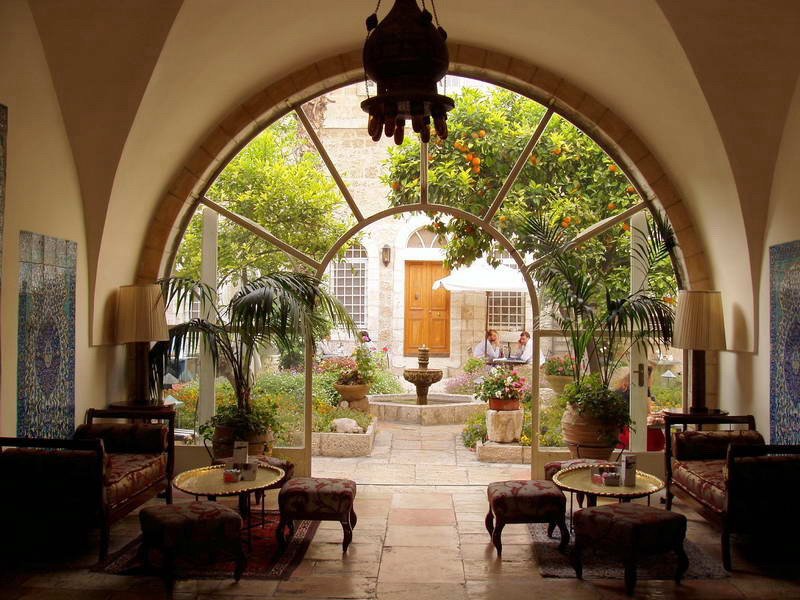
In 1900, Sophie Elkan and Selma Lagerlöf arrived in Jerusalem. Selma was then in her forties, and Elkan was a little older than her. Jerusalem was the highlight of their journey through the Middle East. They stayed in the city for a long time, and during that stay Lagerlöf became friends with Anna Spafford, one of the founders of the American-Swedish Colony. Lagerlöf drew on her memories of the city and the inspiration it gave her in her book Jerusalem, which she wrote after returning to Sweden.
Jerusalem is a novel in which Lagerlöf describes a group of prosperous Swedish farmers who left their villages, homes, farms, and the greenery of their homeland to join the American commune ("the first kibbutz" in the modern Land of Israel) in Jerusalem. In the book, Selma wondered why the Swedes had left their beloved homeland and gone up to Zion to await the Messiah. She described their lives in Jerusalem and tried to explain why their search for the Promised Land had not fulfilled their expectations.
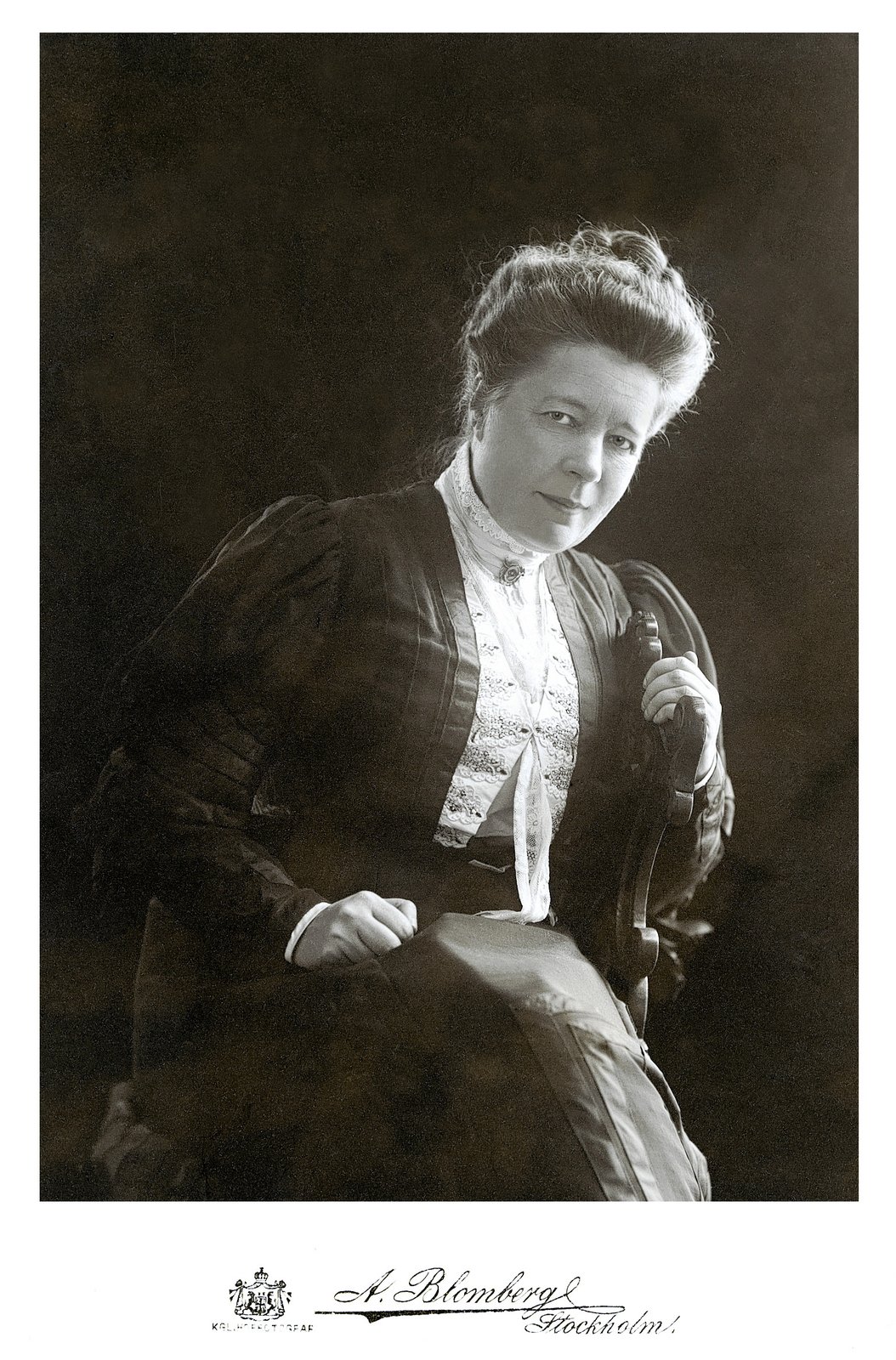
The book's two volumes were dedicated to her beloved Sophie Elkan, who, she said, was "her friend in life and literature." The book was translated into many languages, including Hebrew.
In the chapter titled "The Well of Paradise," Lagerlöf describes the shortage of water, illness, and death among the Swedes in Jerusalem, in contrast with the image of a paradise abundant in water and fertility in biblical times and in the expanses of Dalarna in Sweden: "It was a hot August in the Land of Israel. Every day the sun hovered high above people's heads. Not a cloud could be seen in the sky, and it had not rained since April. It was no worse than in any other year, and yet it was almost unbearably hard. No one knew what to do to endure the heat, or where to flee to escape it."
Her Public Activity and Rescue Work
In 1897, after parting from Sophie Elkan, Selma Lagerlöf moved to the Swedish city of Falun, where she met Valborg Olander, who became her literary assistant, friend, and partner. Valborg was a member of the suffragist movement, and through her, Selma also became active in the movement. She even spoke at the International Suffragist Congress in Stockholm in June 1911.
Lagerlöf was interested in Jewish folk legends and intended to write a comprehensive work about the life of Rabbi Akiva. She expressed sympathy for the Jewish people and wrote a tale for Jewish refugees who had found refuge in Sweden.
Lagerlöf abhorred violence and preached the unity of humankind, in no small part under Anna Spafford's influence. She lived until March 1940 and witnessed the outbreak of World War II. Unlike many Swedes, she did not adopt a policy of neutrality. In 1940, when the Soviet Union laid siege to Finland and invaded it, Lagerlöf donated her Nobel Prize gold medal to fund aid for the Finnish people.
Lagerlöf was also connected to Nelly Sachs, a Jewish author whom she saved. Sachs was born in Berlin, and in 1940 she was at risk of being sent to forced labor by the Nazis. Only Lagerlöf's intervention saved her life. Lagerlöf enlisted the Swedish royal family to help save Sachs, and brought her and her elderly, ill mother to Stockholm. In 1966, at the age of 75, Nelly Sachs won the Nobel Prize in Literature together with S. Y. Agnon. Not long afterward, in 1970, Sachs died at the age of 82 from a cerebral hemorrhage.
Selma Lagerlöf's portrait appears on the 20-krona Swedish banknote, and on the other side of the note is an illustration of Nils Holgersson riding a wild goose. A modern adaptation of the book Jerusalem was produced in 1996 by a Swedish film director and screened in 1997. In the 75th year after Lagerlöf's visit to Jerusalem, the Jerusalem Municipality named a street after her.
"Promise me one thing, Nils, and always remember it: the sky, the earth, the lakes, and the mountains were not given to human beings alone. They were given to animals too: to the birds and fish and to every creature that breathes. Never forget that, Nils!"

תגובות
עדיין אין תגובות.