
Only a few families lost many sons in the defense of the homeland. Some are better known, like the Chizik and Sturman families, and some less so, like the Grabovsky family.
The Founders' Families in Rosh Pina
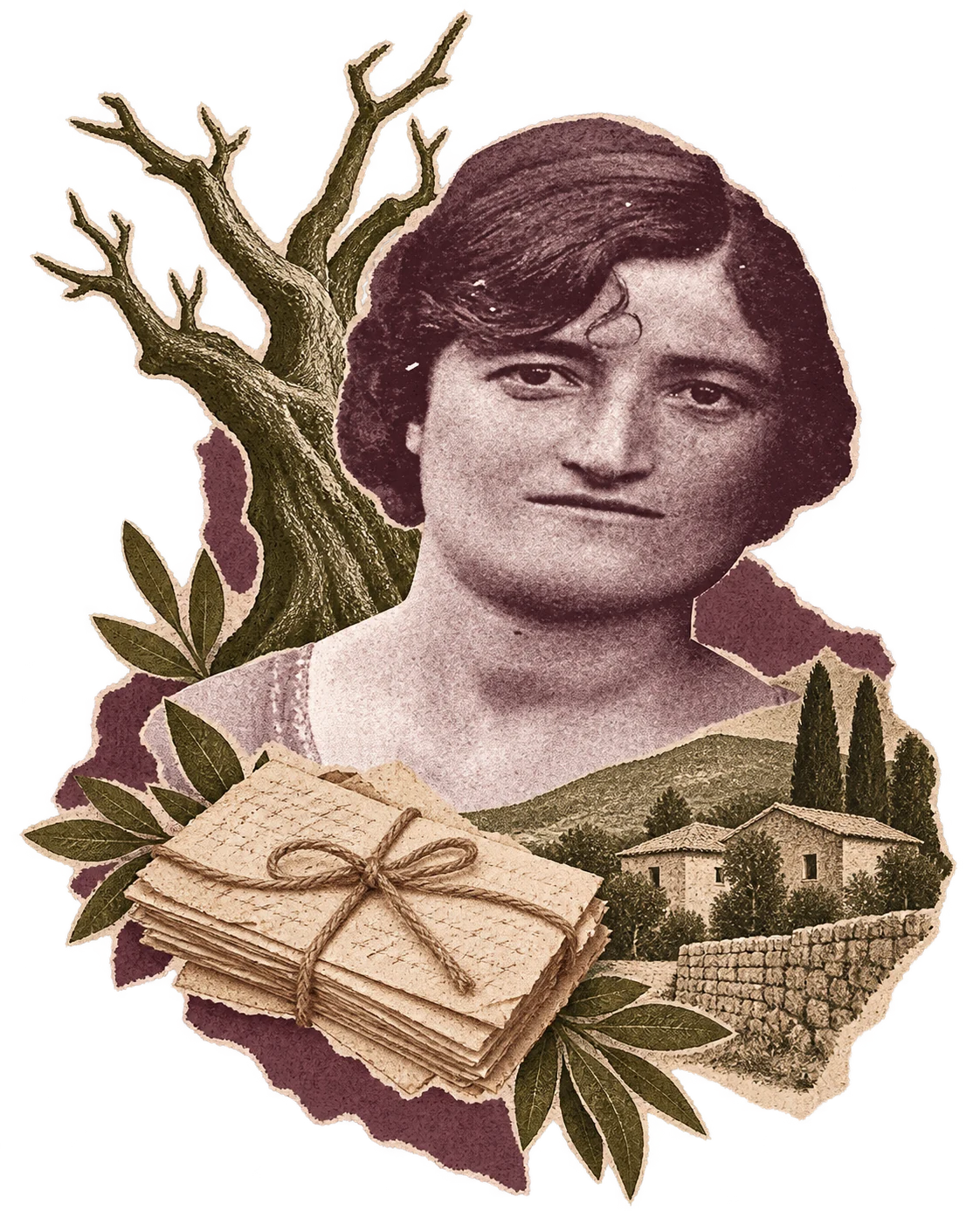
Rebecca was born in Rosh Pina, the daughter of the settlement's founders. That very same year, across the street, her future husband, Haim Grabovsky, was born. He, too, was the son of the settlement's founders.
Rebecca's father, Rabbi Aharon Dov Feinstein, was born in Dvinsk, Lithuania, and was considered a Torah prodigy in his city. At the age of 12, he was kidnapped and forced to serve in the Russian army, but managed to maintain his Jewish identity. During the Crimean War he was taken prisoner, and upon his release made his way to the Land of Israel. He first arrived in Syria, then moved to Tripoli in Lebanon, where he married Sarah, née Halfon, who belonged to the local Jewish community. Aharon and Sarah moved to Beirut and opened a textile business there. They lived in Beirut for about 20 years, and in 1880 Aharon fulfilled his dream and immigrated to the Land of Israel with his family. They first settled in Shefa-Amr, and when Rosh Pina was founded in 1882, they moved there and became among the settlement's founders.
Menahem Grabovsky, Haim's father, was born in Ukraine to a devoutly religious family. He immigrated to the Land of Israel as a child and earned a reputation as a tough, strong man. He built his home in Rosh Pina, where he settled his wife and ten children. They say he hid tefillin in one of the saddle pockets on his mare, so that if he died, people would know he was a religious Jew. His name was well known, and the Bedouin in the area respected his strength and courage, calling him Abu Musa. When a rumor spread that whoever caught Abu Musa's mare would be given the tribal chief's daughter as a wife, one of the tribesmen decided to show his friends how brave he was. He sneaked into Menahem's vineyard while Menahem was there alone. Menahem pretended to be asleep, and when the Bedouin mounted his mare, Menahem grabbed the man's leg, pounced on him, and dragged him into the chicken coop. The tribesmen, searching for the missing young man, found him tied up. Menahem Grabovsky had good relations with the Bedouin and would host them in his home. Once, a gang of robbers attacked his family, but when they realized who they were dealing with, they hurried to apologize and left the house. "My grandfather arrived in Rosh Pina when there were only a few Romanian families there, and he built his home some distance away from them. He wanted to convey confidence and independence to the people in the surrounding area, so he did not settle close to the group of settlers. He established a large farm in the settlement, and used to tell his ten children: 'What we need in Palestine is not professors, but simple farmhands whose food is coarse bread and olives and whose clothes are shirts made of Arab cloth,'" his grandson recounted. Menahem Grabovsky died at the age of 48 after contracting yellow fever.
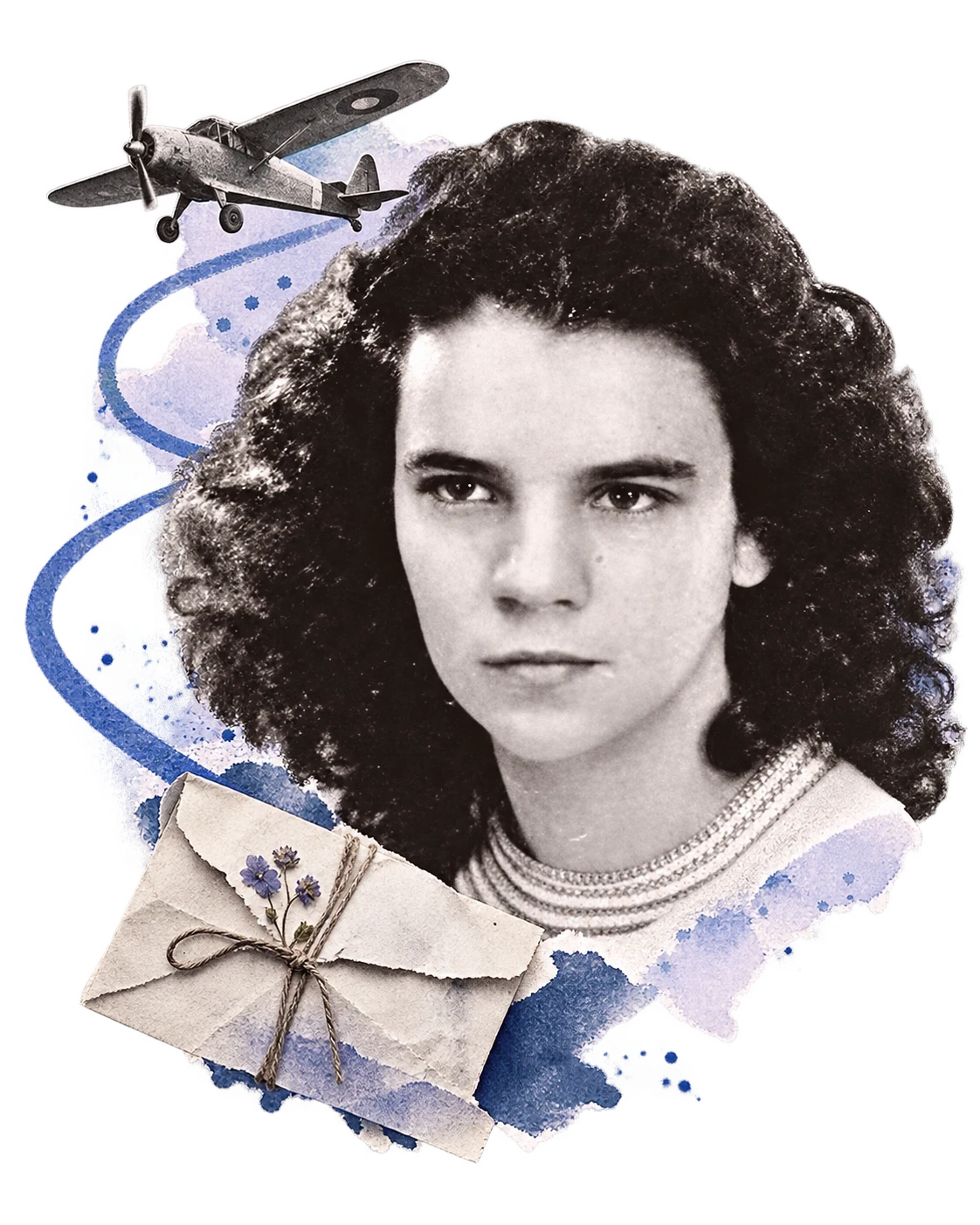
Rebecca was born in 1898 into a religious farming family and was the eighth of nine children. She attended the settlement's school, where her teachers included Israel Dushman and Simha Wilkomitz, pioneers of education in the Land of Israel. As a member of the first generation of her family born in the country, Rebecca loved the Hebrew language. She kept a notebook in which she wrote stories about life in the settlement and collected the songs of the period. Of her school days, she wrote: "After two years of study in fourth grade, the last grade at the school, we received our graduation certificates, and that was the end of our studies." In her book Rosh Pina - The Memoirs of Rebecca Grabovsky, she described how girls were discriminated against in favor of boys at school: instead of studying French like the boys, the girls were sent to learn sewing.
Studies, Poetry and a Notebook
During the First World War, the teachers decided to organize further studies, and each volunteered to teach a lesson. Once a week, the students sang in a choir that brought the boys and girls together and became a source of pride for them. Some said it could compete with the high school choir in Tel Aviv and even beat it. Singing was not limited to choir practice; it was the main evening pastime. "In the evenings, boys and girls would gather and go down to the vineyards... We spent hours at the watchmen's huts. We ate the famous Malaga grapes, and when we had eaten our fill, we would burst into song. The young people sang the songs of Zion from the little songbook Kinor Zion. The songs were very beautiful, and clear voices would rise to the heights of the settlement: 'How beautiful are the nights in Canaan'; in the distance you could hear 'Laugh, laugh at the dreams' or 'The spring sun leans westward,' and finally a love song: 'Oh, how much Mother warned me, how much she cautioned me not to bring boys to our vineyard in the evening,'" Rebecca recalled of that period.
Decades later, Haim Shani of Kiryat Shmona recounted: "I was a combat medic in the army. During the First Lebanon War, I served in the reserves and was assigned as a medic to an Air Force bomb-disposal unit... It was already several months after the war began. We were there in the last days before the IDF evacuated Beirut airport... One day we got a call that a bomb had fallen in a school courtyard near the wall of the old city of Sidon and needed to be defused. The unit's officer was Druze, and he told me there was a synagogue nearby. I said to him, 'Well, let's go in.' The synagogue was locked, and we were told that one Jewish family, the Levy family, had stayed in the area, and that their son had a key to the synagogue... The son opened it for us, and we went in. It was, of course, a very moving moment... He led us to a box containing various books: holy books, booklets, and a few books for learning Hebrew. Among them I saw a black notebook, written in fountain pen, with 'Rebecca Feinstein, Rosh Pina' written on it. The notebook contained famous songs from that period. That's how I discovered that our national anthem, 'Hatikvah,' actually has nine verses. I said that I lived near Rosh Pina, and that I could take it and try to find the writer, or her family." And so, in early 1983, during a sing-along evening, Haim Shani went up on stage and asked, "Who knows Rebecca Feinstein from Rosh Pina?" The notebook made its way to Tzipora, Rebecca's daughter. Years earlier, residents of Rosh Pina would visit the Jewish community in Sidon, and during one of Rebecca's visits, the community's young people asked her to leave them the notebook so they could learn their favorite songs from it. That was how the notebook ended up in Sidon and eventually returned to the Land of Israel. Today, it is held in the Music Collection and Sound Archive at the National Library.
Marriage and the Move to Mishmar HaYarden
At 23, Rebecca and Haim, who had grown up across the street from each other and shared their childhood, adolescence, and early adulthood, fell in love and married. Both had been toughened by hard work. Since Haim was among the youngest of the Grabovsky sons, there was no plot of land left for him in the settlement. The couple therefore moved with their eldest son, Menahem, to one of the huts on the distant Vokaz farm, far from Rosh Pina. Haim hired himself out as a laborer in Yavne'el, Migdal, and Netanya. "My father had an extraordinary capacity for work. All the orange-grove workers would come to see the 'jibli' (the mountaineer, the man from the Galilee) doing such astonishingly fast work. While they dug one hole, he dug twenty," his son recalled. The Arabs would say of him with awe: "When his hand grips the 'kabusa' (the plow handle), the oxen sleep on their backs at night, from exhaustion."
About ten years later, they moved to Mishmar Hayarden. One family's tragedy became another family's opportunity. One of the settlement's families had been wiped out after contracting malaria, and Rebecca and Menahem bought the farm that had become vacant. They worked the fields and raised poultry. Their daughter Tzipora and sons Aharon and Karmi were born there; Karmi got his name when they planted the vineyard. Life in the small settlement on the banks of the Jordan was very hard. Malaria ravaged them, the work was grueling, and the heat and humidity were oppressive. Gangs of robbers operated in the area, forcing them to stay awake and guard the farm after a hard day's work. On some nights, the couple also helped bring in immigrants from Iraq and Iran who arrived via Jordan. Haim was elected to the settlement committee and, when the 1936 riots broke out, took an active role in its defense and in training new guards.
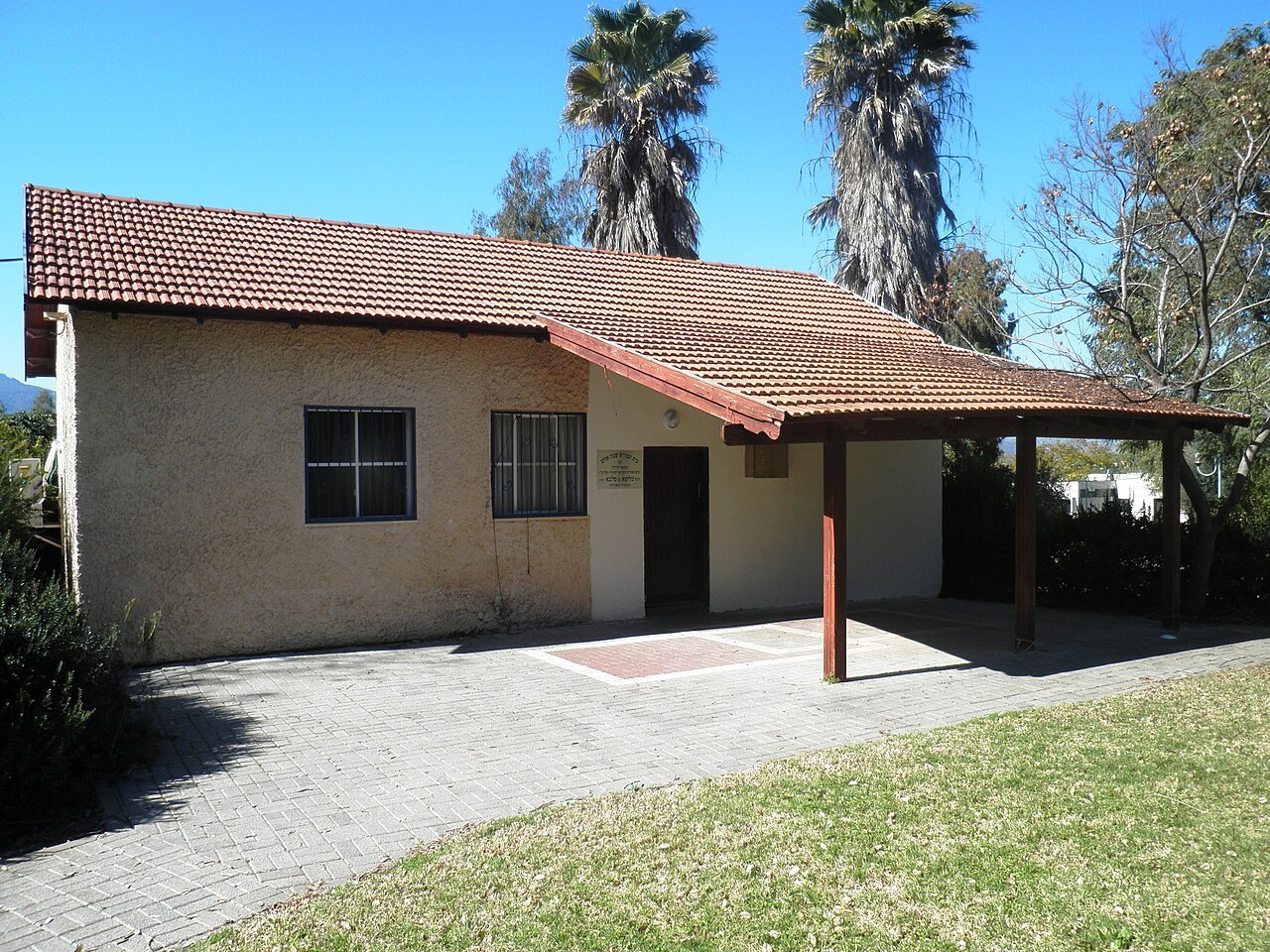
When the Arabs blew up the pumping station, the residents had to go down to the Jordan to fetch water in carts. Their son recounted what happened on that terrible day in the summer of 1938: "One day my father and my brother Menahem went to draw water from the Jordan. They were riding in a cart when, at one of the bends, they ran into an ambush and came under fire. My father was hit by four bullets. He pushed Menahem off the cart and shouted, 'Run!' while trying to cover him himself. Though wounded, he charged at the attackers; with his bare hands, unarmed, he managed to wrest a rifle from one of them and break it over his shoulder. But two more bullets hit him and brought him down. Menahem was hit and killed instantly, but Father, already dazed, didn't know it. He was taken back to the settlement, and on his deathbed he said, 'But I saved Menahem.' He died of his wounds that same day. My mother was left alone. I was born about three months later, and named after them." His name was Haim Menahem.
Father and son were buried in a single grave in the Mishmar Hayarden cemetery. Their shared headstone bore the words: 'Beloved in life and in death, they were not parted.'
Captivity and the Fight for the Farm
But Rebecca's hardships were not over. Left a widow without her husband and son, she continued working the farm. Her granddaughter recalled: "Despite the financial hardship, Rebecca made sure her children received an education. My mother, Tzipora, was sent to study at the agricultural school in Einot, and her brother Aharon studied at Mikveh Israel. An article about her published at the time said, 'Despite the tragedy, Rebecca continued to run an exemplary farm, and her home was known for its hospitality.' She also grew vegetables and made Safed cheese, which she sold in Safed, going from door to door."
The settlement of Mishmar Hayarden stood on the route from Syria to the Land of Israel. As the establishment of the State approached, tensions in the country grew, and the situation in the small, isolated settlement was even more serious. They could see the enemy up close. At the time, three members of the Grabovsky family were mobilized: sons Aharon and Karmi, and son-in-law Natan Adler, Tzipora's husband. Aharon was a Palmach fighter and took part in the bridge bombing on the Night of the Bridges. Karmi was a scout and communications man, and Natan was given command of the settlement's defense. Rebecca herself served as a liaison and assistant. Ten years after losing her husband and son, the Syrians bombed the water station, and the settlement decided to evacuate some of its residents. Haim Menahem moved to the Hadassim institution in central Israel, while Rebecca declared, "I'm not moving from here," and stayed with her fighting sons and 35 other fighters who remained to defend the settlement. The first attack took place on the night of June 6, 1948. A Syrian infantry battalion attacked the settlement from the south but retreated under the defenders' fire. Four days later, the second attack began - the hardest battle of them all. Rebecca encouraged the fighters, prepared hot drinks and handed them out, relayed messages between the positions, and on the final day ran between them wearing a helmet. During those days she saw Karmi, her youngest son, fighting bravely. In her book Three Days in Sivan, she wrote: "Karmi sat behind a balcony on a sheet of tin... The Syrians thought one of their own had taken up a position and began moving toward him. Then Karmi fired a burst at them and brought several down. I pleaded with him and said, 'Come on, let's get out of here. They'll catch you!' But he was adamant: 'I'm not moving until the reinforcements arrive...' I left him in anguish. Our boys are stubborn and know how to stand their ground. My Karmi, I thought of him as a child and spoiled him more than the others, and now the child had become a brave, towering man." Karmi was killed before his mother's eyes. Her beloved son was only 17 when he died.
Rebecca continued helping the fighters and filling their magazines. Fourteen fighters fell in the battle, 11 of them from the settlement, and the 39 survivors were taken prisoner. Karmi's body remained on the battlefield. On one of the days of fighting, Rebecca managed to hide. When she set out at night toward Rosh Pina, she accidentally came upon a Syrian position and was also taken prisoner. The Syrians halted their offensive after finding themselves powerless against the settlement's determined defense - Mishmar Hayarden had saved the Galilee.
The prisoners of war were held at al-Mazzeh Prison in Syria. "The people of Mishmar Hayarden were happy to see her among them, happy to discover she was still alive. She became the prisoners' mother. She encouraged and supported them, insisted on certain demands before the prison authorities, and even paid for it with torture. She was put in a cell so narrow she could only stand, and suffered greatly in the Syrian prison," her son Haim Menahem recalled. In captivity she proved herself a leader and earned the respect of her captors. After a year in captivity, the prisoners were released as part of the armistice agreement. Rebecca returned to what remained of Mishmar Hayarden. In 1950, she identified the remains of her son Karmi and brought him to be buried in Rosh Pina. A year later, at the beginning of 1951, her daughter Tzipora and her husband Natan Adler had a son, whom they named Karmi after his heroic uncle.
While Rebecca was in Syrian captivity, the abandoned lands of Mishmar Hayarden were handed over to Kibbutz Gadot. For eight years, Rebecca fought for her property against unresponsive bureaucratic systems that barely acknowledged the "forgotten" residents of Mishmar Hayarden. "We had a rich, magnificent farm, and what did we get?... A sum that was enough to buy a two-room apartment in a housing project in Netanya. When my mother calculated what she was owed, what she had owned on the farm, she felt the amount was too high. She didn't want to demand so much from the young state and decided to ask for a much smaller sum. Do you think she got that smaller sum? They dragged things out for eight years. The value of money fell so much that it became a paltry sum, and they still haggled over that," her son recalled. At the age of 52, having lost her husband and two sons, Rebecca lived with her daughter Tzipora in a tiny room in Netanya and worked as a cleaner.
Illness and the Family Legacy
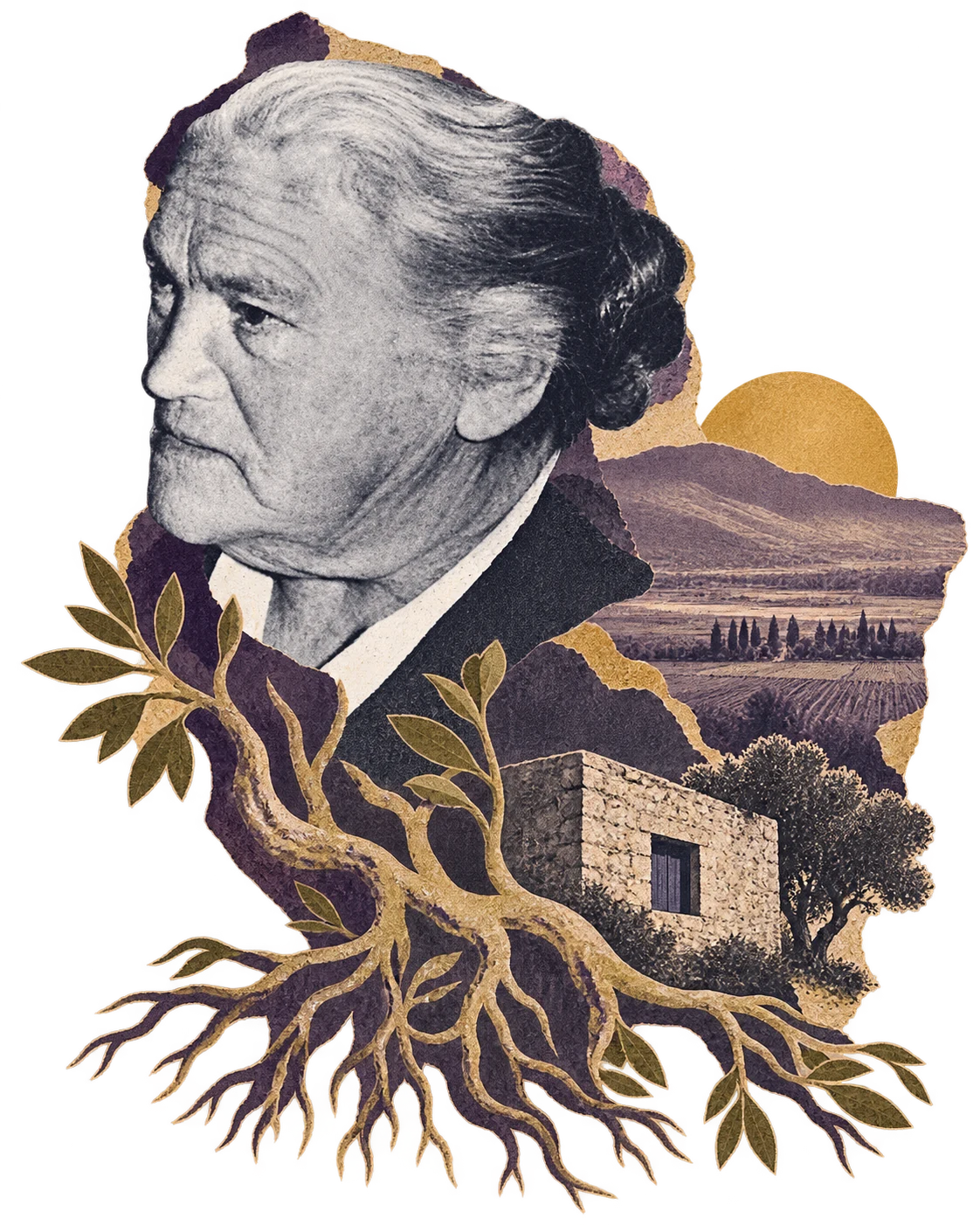
Rebecca developed leukemia. Her son described her well: "Mother loved life. She loved to read and broaden her horizons. She had unbelievable strength. She drew much of her strength from her love of the land and her love of people. She didn't dwell on the past; she simply carried on." But death continued to visit the family. In 1959, her son Aharon died of appendicitis. As her son recounted, the family legacy lived on: "The roots, the image of my parents, gave me strength. They were great people. My mother came from a race of giants. They said she was a rock, no ordinary woman."
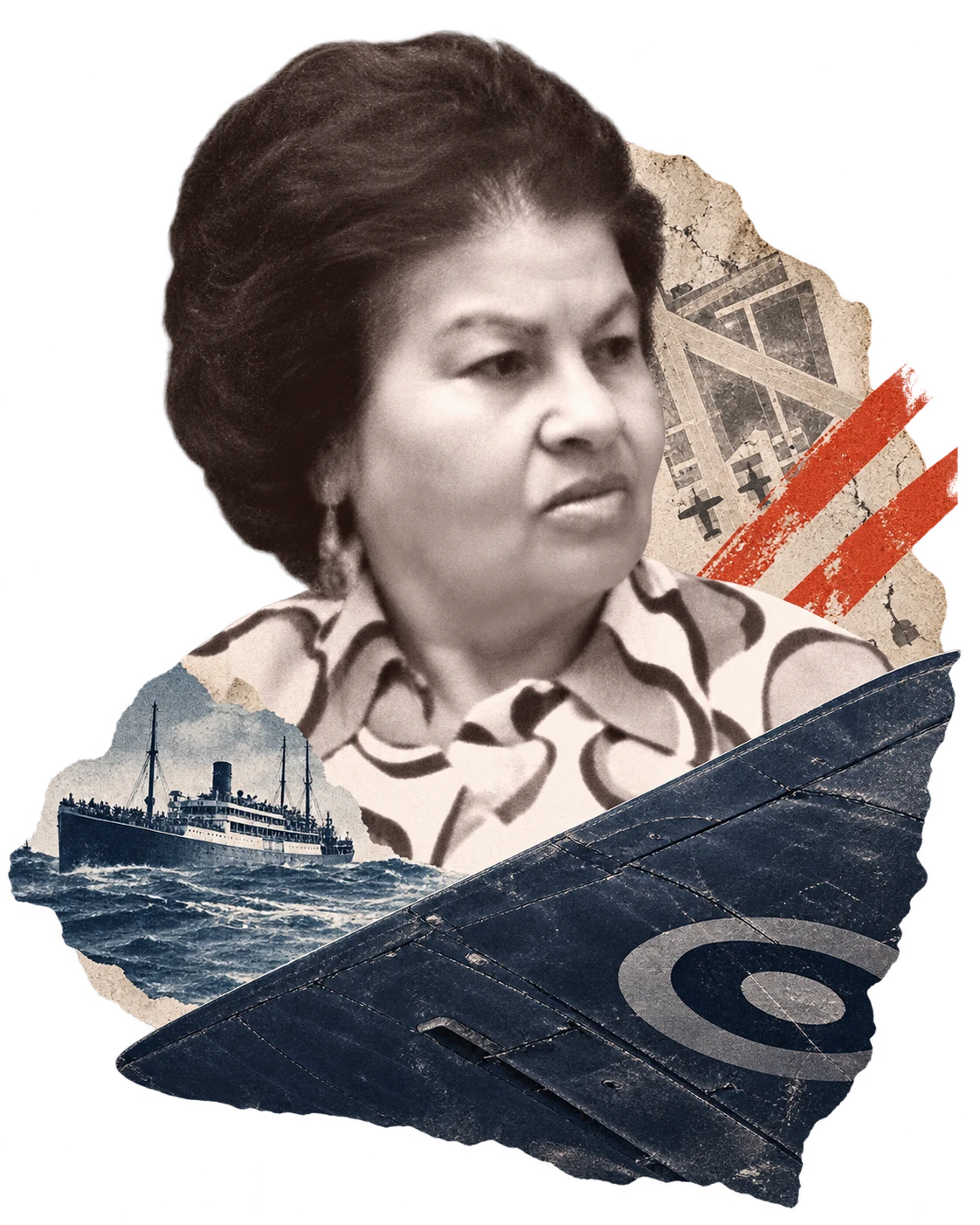
Rebecca's death "spared" her further sorrow and grief. Her grandson Karmi, named after the son who fell defending Mishmar Hayarden, enlisted in the Shaked Reconnaissance Unit in 1968. When the Yom Kippur War broke out in October 1973, he volunteered to rescue wounded comrades in the Egyptian city of Suez. He was considered missing for months, until his body was finally found and he was laid to rest in the military cemetery in Netanya.
תגובות
עדיין אין תגובות.