
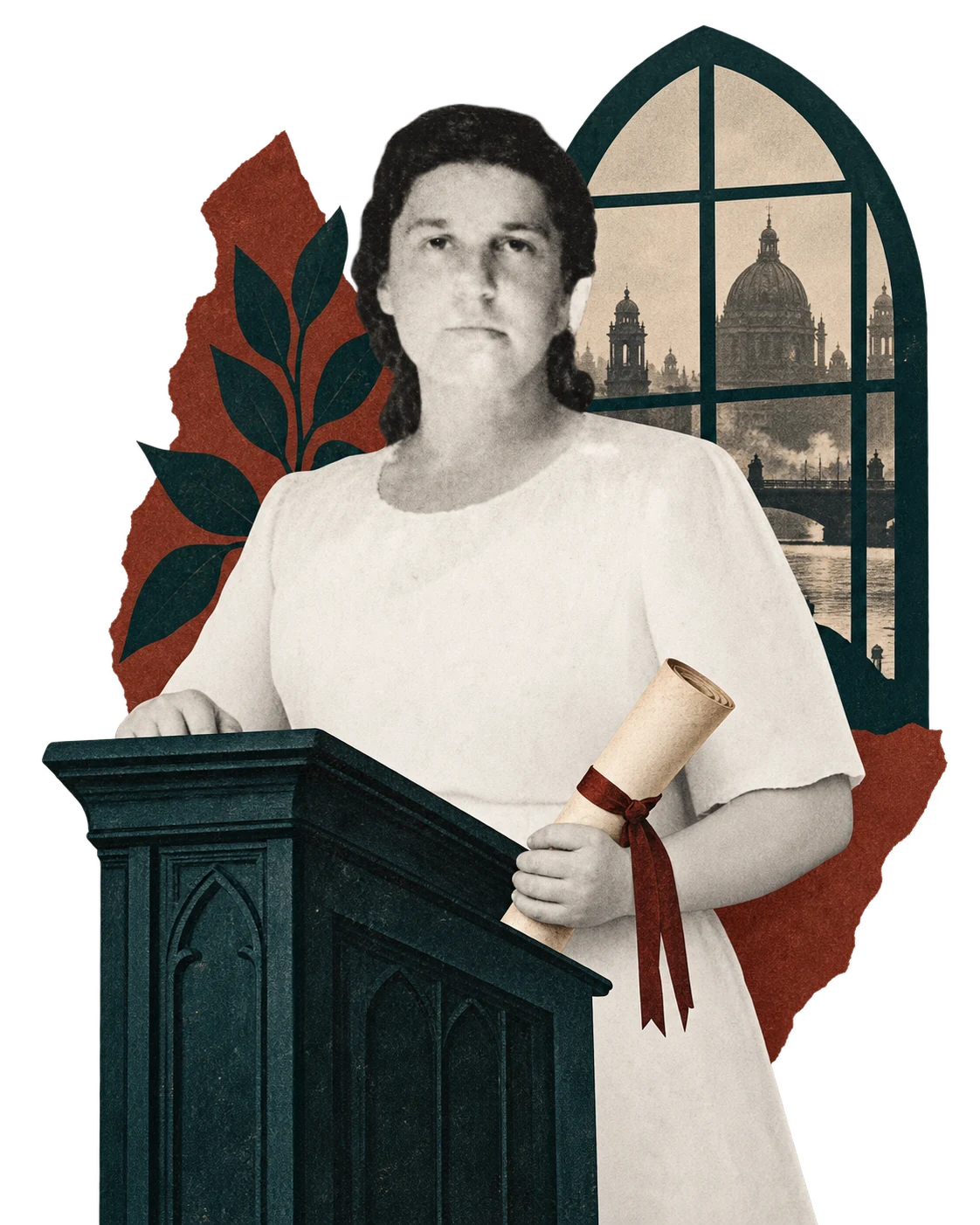
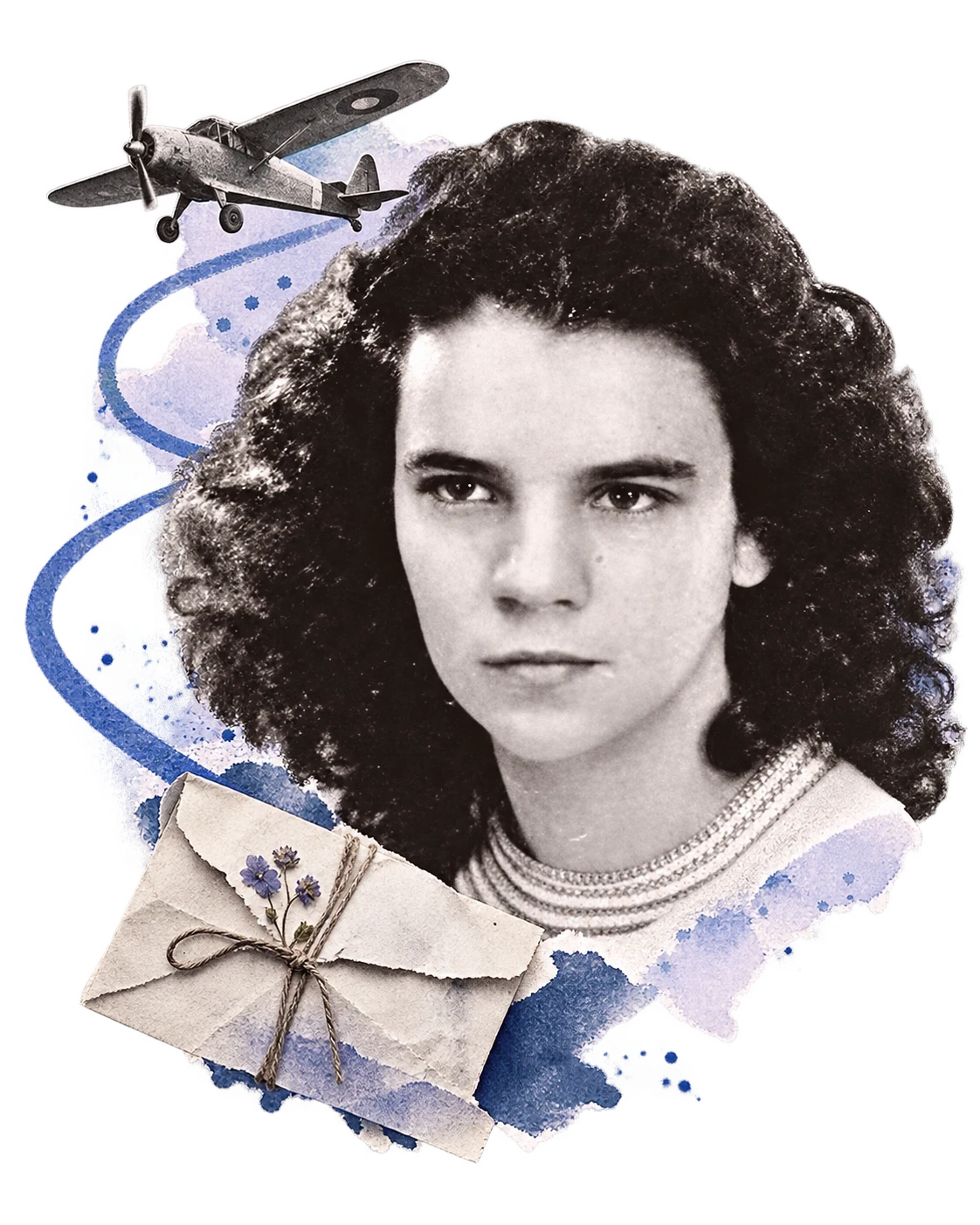
On December 12, 1944, the first woman to be ordained as a rabbi in Germany was murdered at the Auschwitz extermination camp. Her thesis addressed the question "Can a woman be a rabbi?"
Can a woman be a rabbi? Even in Berlin in 1935, this was a strange question, especially when asked by an Orthodox Jewish woman. There is no doubt that Regina was one of the most progressive women of her time. She fought for women's equal rights in a religious Jewish setting during World War II, when the extermination of the Jews was at its height.
Her Childhood and the Path to the Rabbinate
Regina Jonas was born in Berlin on August 3, 1902, to the merchant Wolf (Adolf) Ze'ev Jonas and Sarah, who were Orthodox Jews. The family lived in a poor neighborhood surrounded by criminals and prostitutes, but also by a large community of Jews who had fled Russia and Poland. The houses were close to collapsing, toilets were shared in the courtyard, and sewage flowed through the streets. Regina was 11 when her father died, and her mother had to go out into the street and beg for money to bury him.
Her father's death forced the family to move to a smaller, shabbier home in a worse neighborhood. Near their new home was a synagogue led by Rabbi Dr. Max Weil. The rabbi did much to advance the status of women and provide Jewish girls with a religious education. For Regina, studying with the rabbi offered an escape from the misery of her life. From an early age, she aspired to become a female rabbi - an extraordinary ambition for her time. She believed that one day women's emancipation would make her dream come true.
The first person to take her under his wing was Rabbi Max Weil, who admired her seriousness and quick understanding. He privately taught her Talmud and halakha, and they continued corresponding until he was murdered in Theresienstadt. In March 1924, Regina received her teaching certificate after passing all her exams with distinction at the teachers' seminary where she studied. Since she wanted to become a rabbi, she enrolled at the Higher Institute for Jewish Studies in Berlin, a respected institution founded in 1872 as an advanced rabbinical seminary. She studied Judaism for six years and supported herself by teaching Hebrew and religion.
In July 1930, after completing all her oral exams, she submitted her thesis with trembling hands on the subject, "Can a woman serve as a Rabbinerin?" (that is, as a woman rabbi, not a rabbi's wife). This is how she began: "The question of whether a Jewish woman can be a 'Rabbinerin' is so broad that it cannot be fully addressed in this thesis. To undertake such a task, one would have to consider the overall approach to the problem of the Jewish woman as reflected in the entirety of our Jewish writings. I therefore had to limit myself to discussing only the most important points. In addition, halakhic sources cannot be found for every aspect of this profession. This brings us to the main difficulty: the concept of 'Rabbinerin,' which is new in our time, and all the more so in the period of our Jewish writings. Since I personally love this profession [...] I will try to shed some light on this problem to the best of my modest abilities." In her conclusion, she determined that it was indeed possible.
Regina's advisor was the Talmud professor Edward Yehezkel. He approved her research, but unfortunately died on August 7, 1930, shortly before he was due to ordain her. His successor, Professor Hanoch Albeck, refused to examine her because he opposed ordaining a woman as a rabbi. Regina approached Rabbi Dr. Leo Baeck, with whom she had studied, but he too refused to ordain her. Since she was not ordained, Regina Jonas received only a diploma as an "academic teacher of religion" at the graduation ceremony that year.
Five years later, on December 26, 1935, Regina took an oral examination before Rabbi Max Dienemann. The exam lasted many hours, after which the rabbi granted her "heter Torah" - rabbinical ordination. Regina became the first woman in the world to be ordained as a rabbi. Rabbi Leo Baeck congratulated her: "You may feel satisfied that you have fulfilled your hopes [...] I was pleased to hear from Dr. Dienemann that he examined you seriously and that you passed the exam."
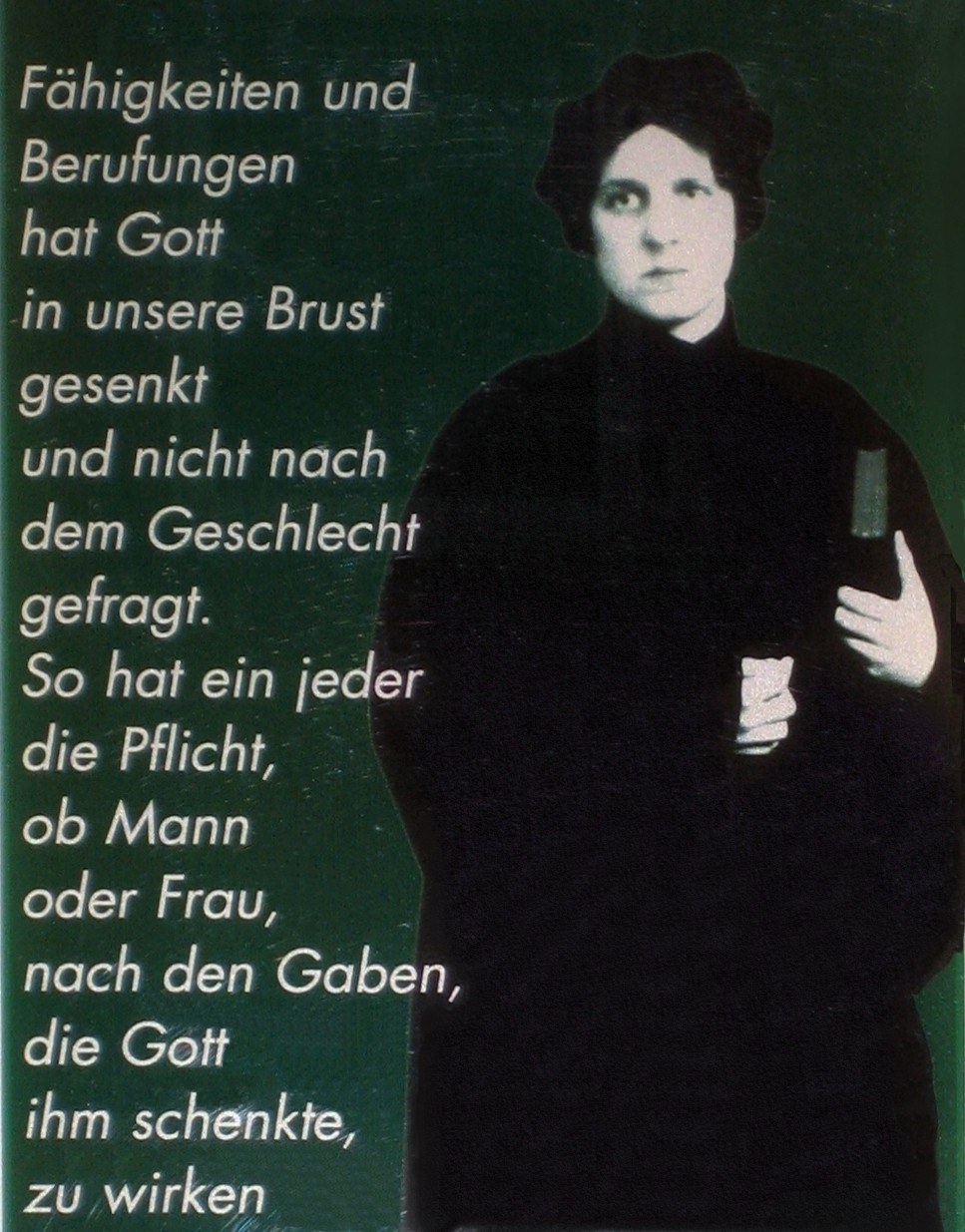
In June 1938, the newspaper of the Central Association of Jews in Germany published these words: "Two things moved me, as a woman, to become a rabbi: faith in my profession and love for human beings. God gave us abilities and a calling regardless of sex, so both men and women have a duty to work and create according to the abilities God has given them."
Regina often thought about immigrating to the Land of Israel. One such time was in November 1938, in the days after Kristallnacht. About a month after the pogroms, she wrote to the scholar and philosopher Martin Buber: "[...] And now, when I must think about emigrating with my mother, and even inquire about my mother's employment prospects in the Land, do you think I could first provide emotional support to the women and girls who have come from Germany [...] until they become accustomed to a woman serving as a rabbi?"
Regina set aside her desire to immigrate to the Land and save herself because she did not want to abandon her family and the community in which she lived. By then, her reputation had spread far and wide. Her lectures on "Women in the Bible and Talmud," "Jewish Customs in Jewish Life," and "The Meaning of the Revelation at Mount Sinai - Reflections for Shavuot" were in demand, and the halls were packed. Her modest way of life and her service to the community made her a revered figure. In 1940, Regina was appointed rabbi of the community of Waltersdorf by the National Association of Jews in Germany, and later served in other cities as well.
By this time, Nazi decrees were already being enforced. The deportation of rabbis and demands that Jews leave Germany reduced the number of rabbis available, and Regina had to appear before many communities left without a religious leader. She served in Frankfurt, Bremen, Braunschweig, Berlin, and elsewhere, and her rabbinical authority grew.
Persecution, Death and Commemoration
The Nazis forced Regina to work in a cardboard factory, but she continued her rabbinical work after hours. In early November 1942, Regina was sent to the Theresienstadt concentration camp. Despite witnessing death, she continued to preach and encourage those who remained. Richard Ehrlich, who survived Theresienstadt, mentioned her in his diary: "On June 4 (1943), we heard Jonas's lecture in the attic of the House for the Blind... on the subject 'From Egypt to Sinai.' The subject was handled in a most interesting way."
Before she was sent to Auschwitz, Regina Jonas wrote: "Our Jewish people were planted by God in history as a blessed people. To be 'blessed' by God means to bestow blessing, grace, and faithfulness wherever we go, in every situation in life. Humility before God and altruistic, devoted love for His creatures sustain the world. Israel's task was and still is to establish these pillars of the world. Men and women, women and men, have taken on this duty with the same Jewish faithfulness. Our hard work, full of trials, in Theresienstadt, too, serves this ideal: to be God's servants, and as such to leave the earthly sphere for the spheres of eternity. May all our work be a blessing for the future of Israel (and of humanity)."
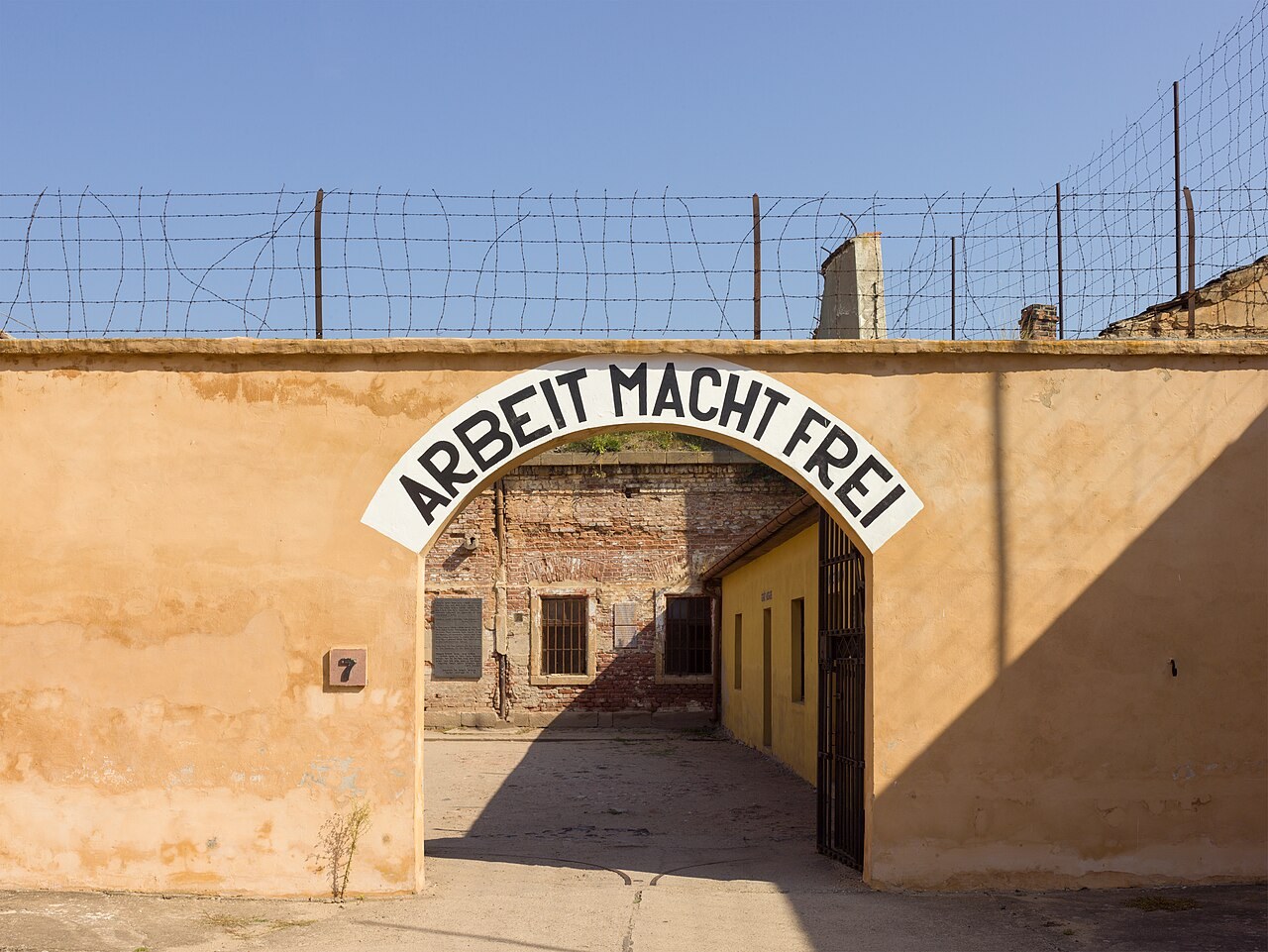
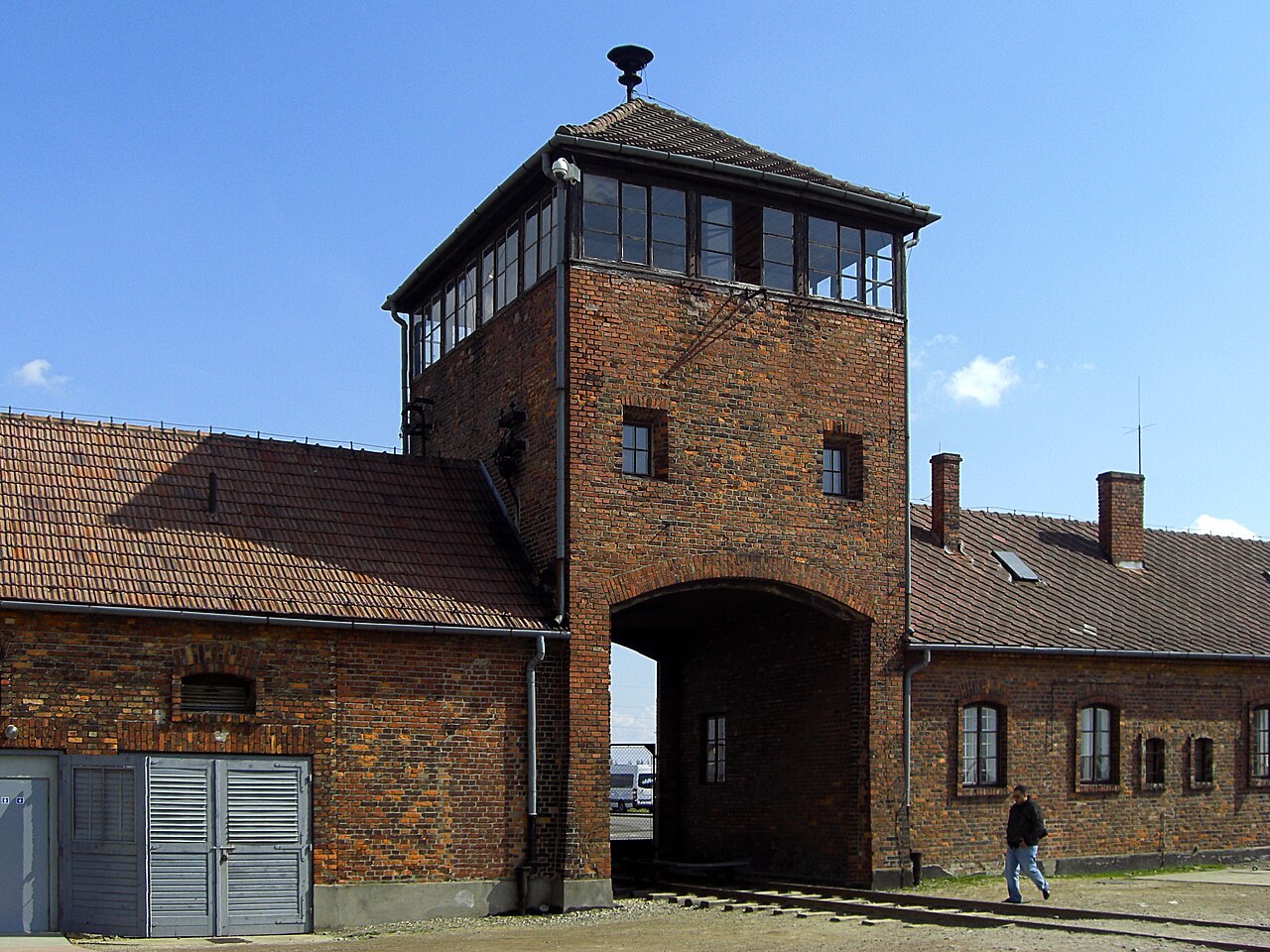
On October 12, 1944, Regina and her mother were sent to the Auschwitz extermination camp. She was murdered two months after arriving at the camp. She was forty-two years old.
In 1999, the Reform rabbi Elisa Klapheck published a biography of Regina Jonas, and in 2013 the film "Regina," documenting her life, was made. In 2001, during a conference of European women rabbis in Berlin, a memorial plaque was unveiled at her former home in Berlin. Sadly, to this day, no street, school, or even square has been named in her memory.


תגובות
עדיין אין תגובות.