
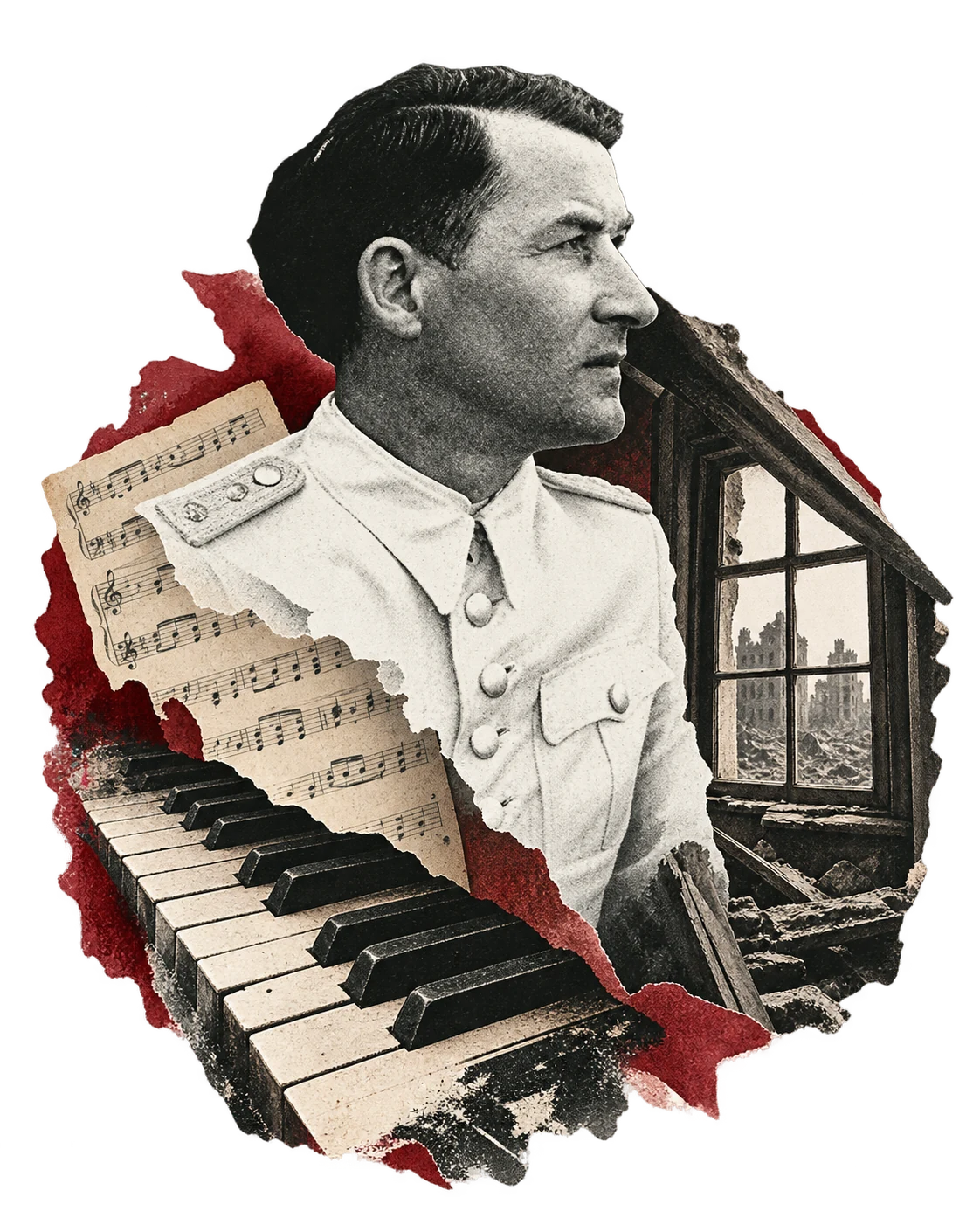
In November 2021, I published the remarkable story of Helmut Kleinicke, one of only two members of the Nazi Party to be awarded the title of Righteous Among the Nations (https://bit.ly/3znP4CO). This time, we will tell the story of the other officer, who went from being an ardent admirer of Hitler to a rescuer of Jews. Most of us know of his deeds, but few of us recognize his name.
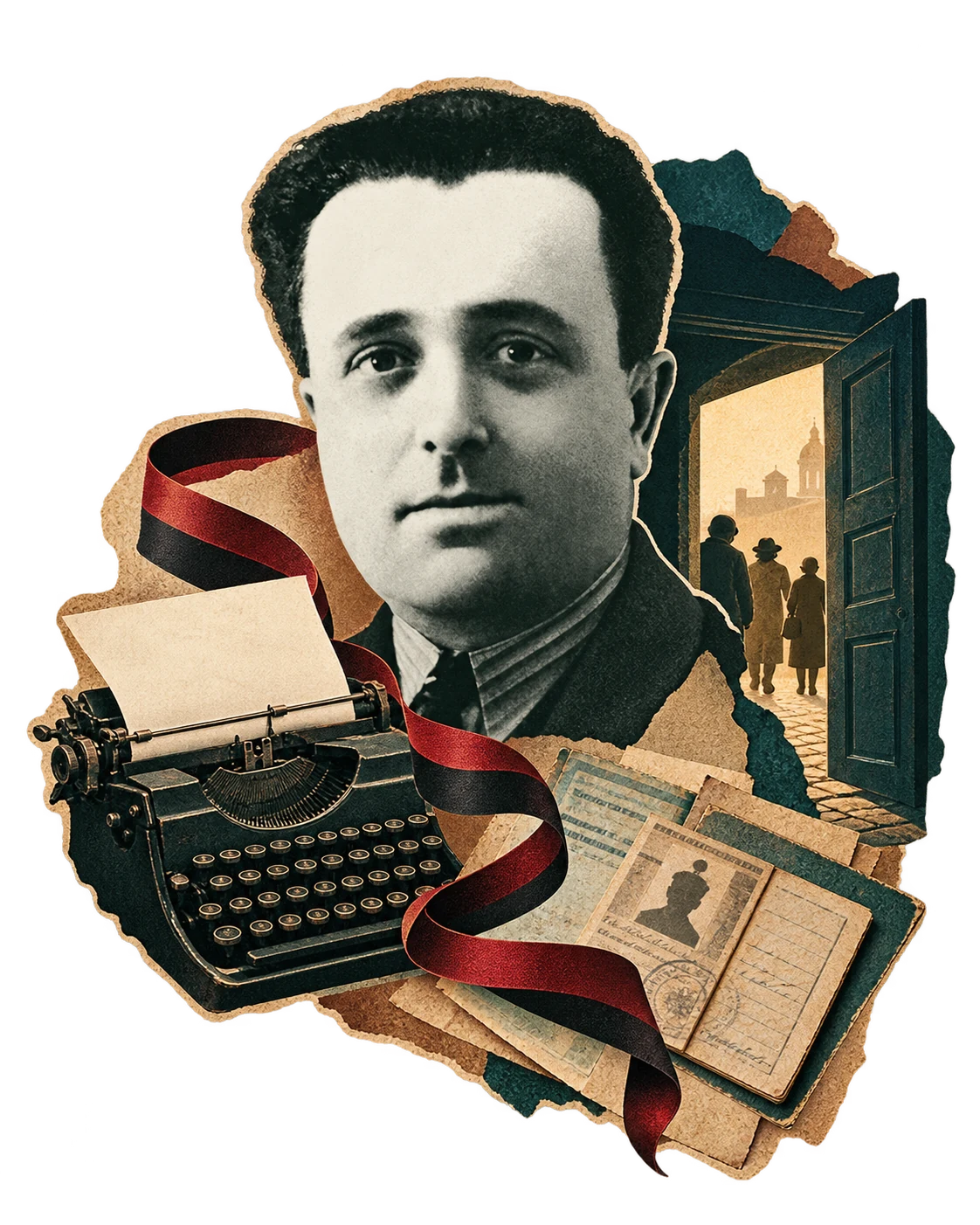
Wilm Hosenfeld
The Officer Who Saved Jews
The woman running down the road in the small Polish town was gasping for breath. When the German officer stopped beside her, she was terrified. "Where are you running?" he asked. "I'm about to give birth, and my husband is a prisoner in the nearby concentration camp," she replied. "I'm going to beg the guards to release him so he can be with me when I give birth." When the officer reached for his waist, where his pistol was holstered, she realized her end was near. But his hand continued into his pocket, and he pulled out a small notebook and a pencil. Then he asked her husband's name and said, "Go home. Within three days, your husband will be home." And so it happened.
By November 17, 1944, the Warsaw Ghetto had been destroyed for about two months. Władysław Szpilman, a Jew, was close to death from hunger and bone-chilling cold. He wandered through the ruins of the ghetto, looking for something to ease his hunger. As he began eating with great relish from tins he had found in an old, ruined villa, he did not notice the tall figure who entered the room. "What are you looking for here?" asked the man in a Nazi officer's uniform. "Do whatever you want to me," the exhausted Szpilman replied. The officer asked what he did for a living, and Szpilman answered, "I'm a pianist." The officer pointed to the piano in the next room and ordered him, "Play something!" Szpilman played Chopin's Nocturne in C minor, a piece he had performed five years earlier at the Polish Radio studio when the first German bombs struck Warsaw. As the music faded, the two men stared at each other. The German officer broke the silence: "Are you Jewish?" "Yes," said Szpilman. "Are you German?" Szpilman asked. "Yes! I'm German!" the man in uniform shouted. "And after everything that's happened, I'm ashamed of it." Over the following weeks, the officer made sure that food and warm clothes were brought to the pianist's hiding place, until the Wehrmacht evacuated Warsaw. This was the same officer who had saved the pregnant woman's husband.
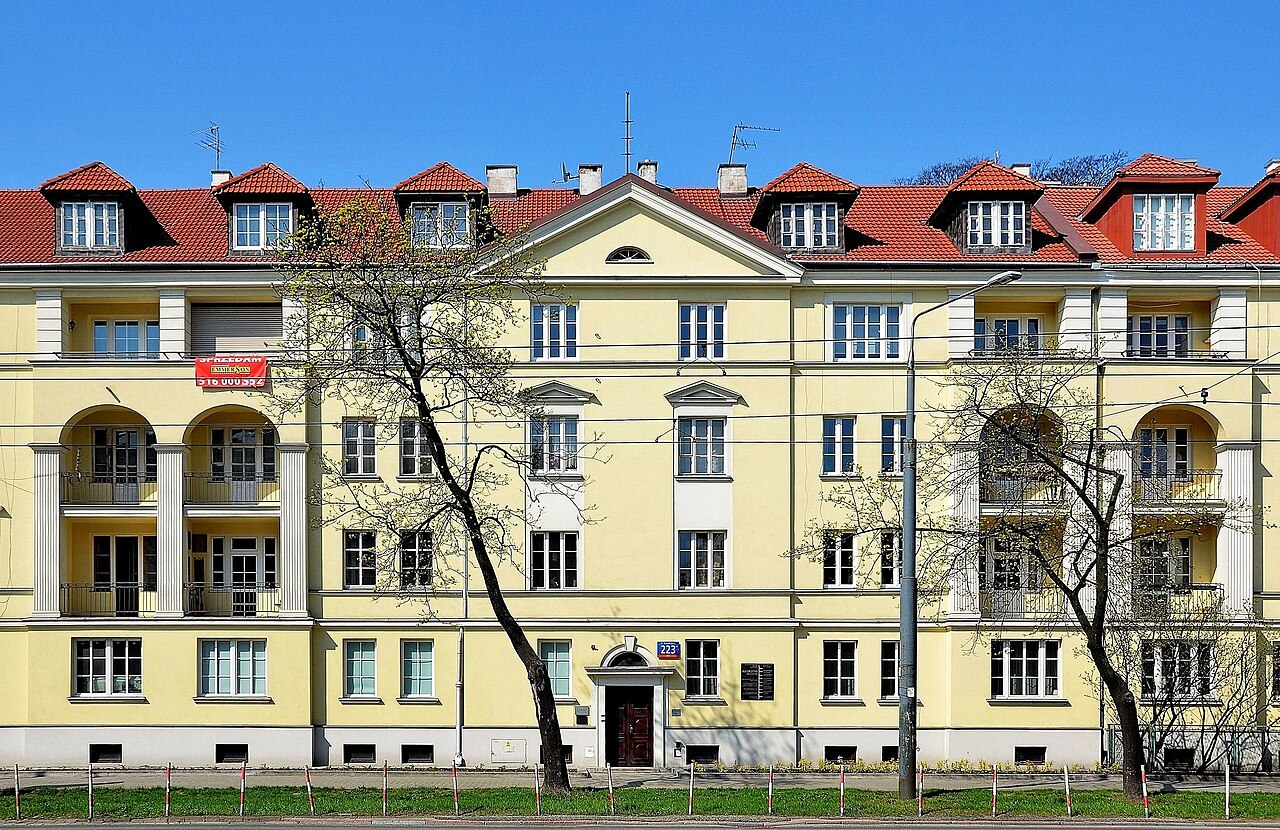
Two years earlier, Leon Worm, a Jew, had managed to escape from the train to Treblinka. When the same officer spotted him, instead of shooting him as Nazi soldiers had been ordered to do, he arranged a false identity and a job for Worm at one of the sports facilities under his command, thus saving his life. It was the first time the Nazi officer had saved a Jew.
In 1945, shortly after the war ended, Władysław Szpilman, the pianist, wrote his memoirs in a book titled The Death of a City. About 60 years later, director Roman Polanski brought these experiences to the screen in The Pianist, the moving film that won three Academy Awards. The officer was Wilm Hosenfeld.
From Teacher to Nazi and Savior
Hosenfeld was born in 1895 to a Catholic family in Germany. His father was a school principal, and his son followed in his footsteps and chose to become a teacher. As a young man, Hosenfeld joined the Wandervogel youth movement, which championed individual freedom, a return to nature, and environmental protection. He later became its leader. During World War I, he was wounded, ending his dream of a military career. He was awarded the Iron Cross for his bravery in the war.
Between the two world wars, Hosenfeld worked as a teacher. His educational outlook was characterized by a humanistic and progressive approach, far removed from what was then accepted in German society. In 1935, he joined the Nazi Party, and a year later he was already marching with tens of thousands of Nazis in the streets of Nuremberg, enthusiastically singing the party anthem. "A new weapon was presented in today's parade. Tanks and anti-tank weapons, fighter planes. The spectacle moved me," he wrote in his diary. At the end of August 1939, a week before the German attack on Poland, 43-year-old Hosenfeld was drafted into the Wehrmacht.
Journalist Hermann Vinke wrote Wilm Hosenfeld's biography in a book translated into Hebrew under the title A Sound of Humanity. It tells the story of the Nazi officer who went from being a National Socialist to a savior of the Nazis' victims.
"Hitler is a great genius," Hosenfeld told his wife, Annemarie, the mother of his five children. It was 1940, when the German armies defeated France. Hosenfeld relished the sweet revenge for Germany's defeat in World War I and the humiliation of its surrender at Versailles. Annemarie, a pacifist, was not as moved as he was.
As he witnessed more and more horrors, Hosenfeld's enthusiasm for the war and National Socialism quickly waned. "Everyone today should feel ashamed for giving even the slightest approval to this system," he wrote in his diary in 1943. Hosenfeld had been stationed in Poland since the beginning of the war. After the conquest of Poland, the Germans imposed a regime of terror. They rounded up Polish intellectuals and clergy and imprisoned them in camps or shot them. Poland's Jews were crowded into ghettos, part of what the Nazis called the "Final Solution to the Jewish Question."
Hosenfeld, a devout Catholic, witnessed German crimes. At first, he was tasked with setting up a prisoner-of-war camp near Łódź, where Poles and Jews were imprisoned and subjected to forced labor. Hosenfeld tried to help as much as he could. Among other things, he allowed Polish women to enter the camp so they could look for their husbands, and he released a man so he could help his wife on their farm and keep her from starving. The inhuman racism of many of his countrymen was alien to him. "Sometimes I hold the Polish children and think of my little girls," he wrote to his daughter Uta.
He considered himself responsible for the civilians under his command. He learned their language so he could communicate with them and help them feel at ease, while at the same time hearing about deportations and executions. "You want to make these people sick, miserable, helpless... Where did this diabolical plan come from?" he wrote in his diary.
In 1941, Hosenfeld was supposed to set up a sports school for the Wehrmacht in Warsaw. He used his new position to protect the persecuted from the Gestapo. Under an assumed name, he employed the Polish priest Antoni Cieciura, who was active in the resistance. His Polish employees described him as "a good, caring father."
In 1943, after witnessing the suppression of the Warsaw Ghetto Uprising, he wrote in his diary: "These beasts. With the mass murder of the Jews, we have lost the war. We have brought an eternal curse upon ourselves, and we will bear this stain forever. We deserve neither compassion nor mercy. We are all complicit. I am ashamed to walk through the city..."
In the summer of 1944, when members of the Polish Home Army rose up against the German occupiers in Warsaw, Hosenfeld was forced to interrogate prisoners. Sometimes resistance fighters were brought before him covered in blood. "I took them in for treatment," he wrote, but he treated them in accordance with the Geneva Convention, not as Heinrich Himmler had ordered - shooting them as bandits and insurgents.
Captivity, Death and Belated Recognition
Wilm Hosenfeld and Władysław Szpilman last saw each other on December 12, 1944, during the German retreat. About a month later, in January 1945, Hosenfeld was captured by the Soviet army and sentenced to 25 years in prison for war crimes. He was sent to a prison in Stalingrad and endured severe torture along with hard labor. After a month in the labor camp, the Polish violinist Zygmunt Lednicki passed by on the other side of the fence. Hosenfeld asked him if he knew the pianist Szpilman, and he said yes. "He has to save me," Hosenfeld told him, and the violinist passed on the message.
A year later, Annemarie received a letter from her husband in which he listed the names of all the Jews he had helped and asked her to work for his release. Szpilman and other Jews took up the cause and sent letters to the Soviet authorities, but to no avail. In 1952, after seven years in prison, Hosenfeld, aged 57, was found dead by the guards. The official diagnosis stated that he had died from a ruptured aorta, probably caused by the torture. Władysław Szpilman learned the name of his rescuer only in 1950. He tried to save him, but to no avail. He told his story of rescue to the widow, Annemarie.
Szpilman worked to have Wilm Hosenfeld recognized as Righteous Among the Nations, but Yad Vashem hesitated because the Soviets had convicted him of war crimes. Six years after the premiere of The Pianist, Hosenfeld was declared Righteous Among the Nations. In his letter to Yad Vashem, Szpilman wrote: "This officer personally helped me hide in the attic of the German headquarters in Warsaw. He also gave me a blanket, a coat, and food for an extended period, as well as emotional and personal support, until his escape from Warsaw in mid-December 1944. Any assistance to Jews at that time carried the death penalty. Without his help, I would not have survived... Later, I learned from letters and from various people he had saved, and their families, that Wilm Hosenfeld had helped others too... especially Leon Worm, who jumped from a train bound for Treblinka... Hosenfeld gave similar help to several members of the Cieciura family, as well as to other people and small Jewish children throughout the war. Captain Hosenfeld was a brave and heroic man who fought fascism and deserves to receive recognition."
Andrzej, Szpilman's son, and Wilm Hosenfeld's family established the Szpilman-Hosenfeld Prize, worth 5,000 euros, which they award every two years for research on the Holocaust and Jewish culture during World War II.
Władysław Szpilman returned to Polish Radio and served as director of its music department. He died in 2000, aged 88. Two years after Yad Vashem recognized Wilm Hosenfeld as Righteous Among the Nations, Polish Radio announced that Studio 1 would be named after Władysław Szpilman.
In May 2019, the documentary The Diary of a Nazi was released. Produced and broadcast by Kan 11, it documents Hosenfeld's grandchildren's journey to the village of Thalau in Germany, together with a group of local residents who wanted to commemorate the deeds of the Nazi officer Wilm Hosenfeld.
תגובות
עדיין אין תגובות.