
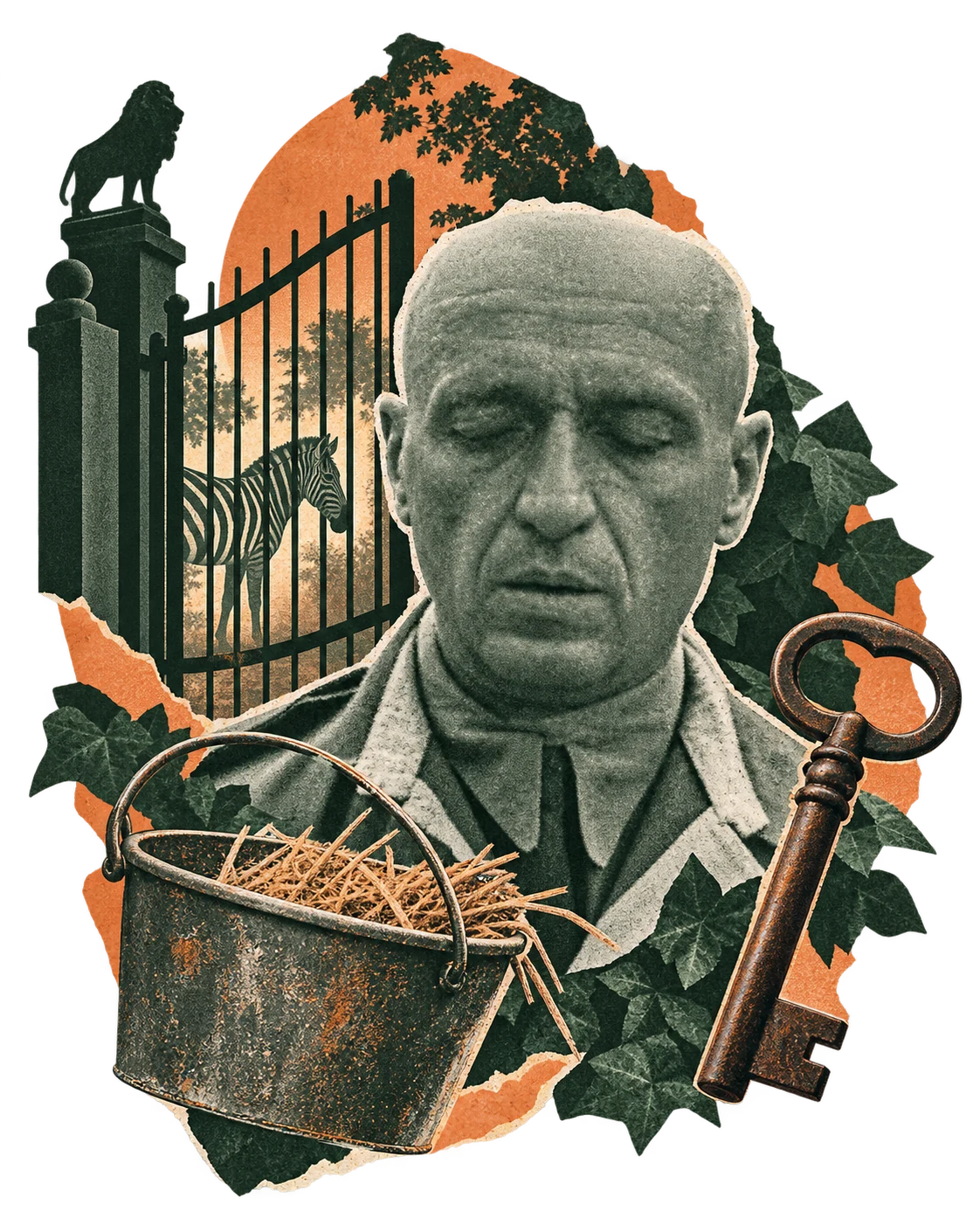
He ran the Warsaw Zoo and, together with his wife, saved about 300 Jews during the darkest period of moral collapse in human history. A story that became a film...
Some historians consider the day Germany invaded Poland, 1 September 1939, to be the start of World War II. Within five weeks, Poland was divided between Nazi Germany and the Soviet Union, in accordance with an earlier secret agreement known as the Molotov-Ribbentrop Pact. Signed on 23 August 1939 by the Russian and German foreign ministers, the pact also included appendices, one of which set out the two countries' agreement to divide Polish territory between them. And indeed, on 17 September, the Soviet Union invaded Poland. In response to this invasion, Britain and France declared war on Germany.
The Warsaw Zoo
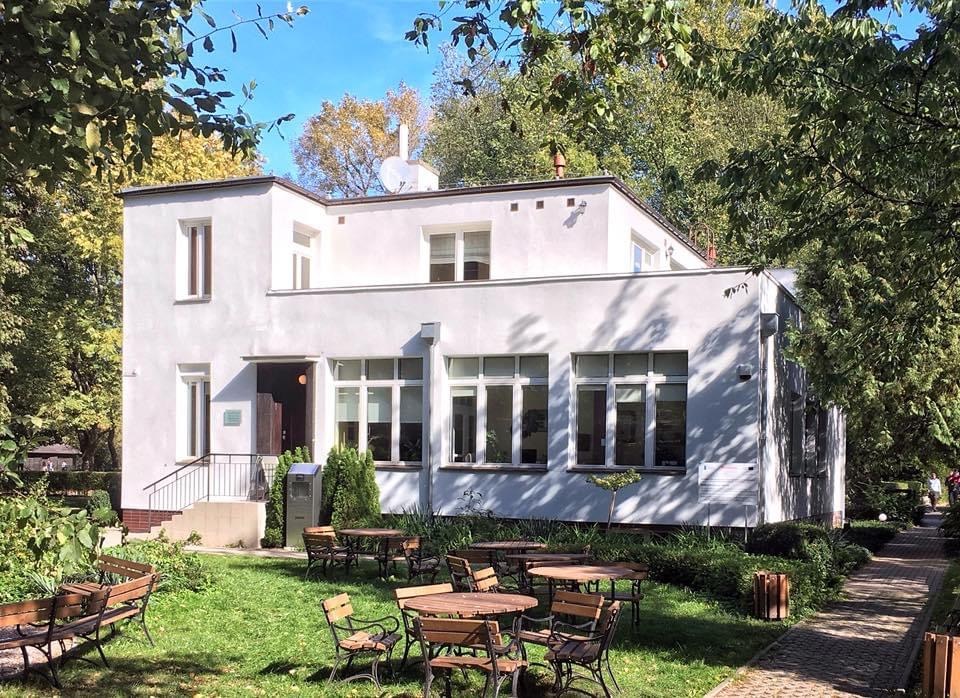
When the Warsaw Zoo opened to the public in 1928, it was considered one of the most modern zoos in the world. The zoo covered about 300 dunams and was run for a decade by Jan Żabiński, who devoted all his energy to it and turned it into one of Europe's most successful zoos, drawing thousands of visitors every day. Żabiński tried to remove fences and barriers between visitors and the animals, creating a sense of freedom rather than sad prison cages. Instead of fences, he built ditches, pools, and water channels, a design later adopted by the planners of the Ramat Gan Safari. In 1931, a villa was built in the center of the zoo for Jan Żabiński and his wife, Antonina. Designed by architect Jan Rogójski in the Bauhaus style, the villa was functional and modest, like its residents. Today, visitors can tour the house, which has been preserved over the years with some of its original furnishings, including items from the Żabińskis' zoological collection. The famous piano on which Antonina played when the Germans approached still stands in the house. Its music was a signal to the Jewish residents to hide and prepare for a visit that could have ended with their deaths. The most moving part of the villa is the story of the heroic rescue carried out during the darkest period in human history: the story of the Żabińskis, who made the bold decision to risk their own lives and those of their loved ones to save Jews from the Nazi oppressor. At first, they hid Jews within the walls of their home, but when it filled up and no space remained, they began hiding them in the zoo's animal cages, all under the noses of dozens of Nazi soldiers.
The Żabiński Couple
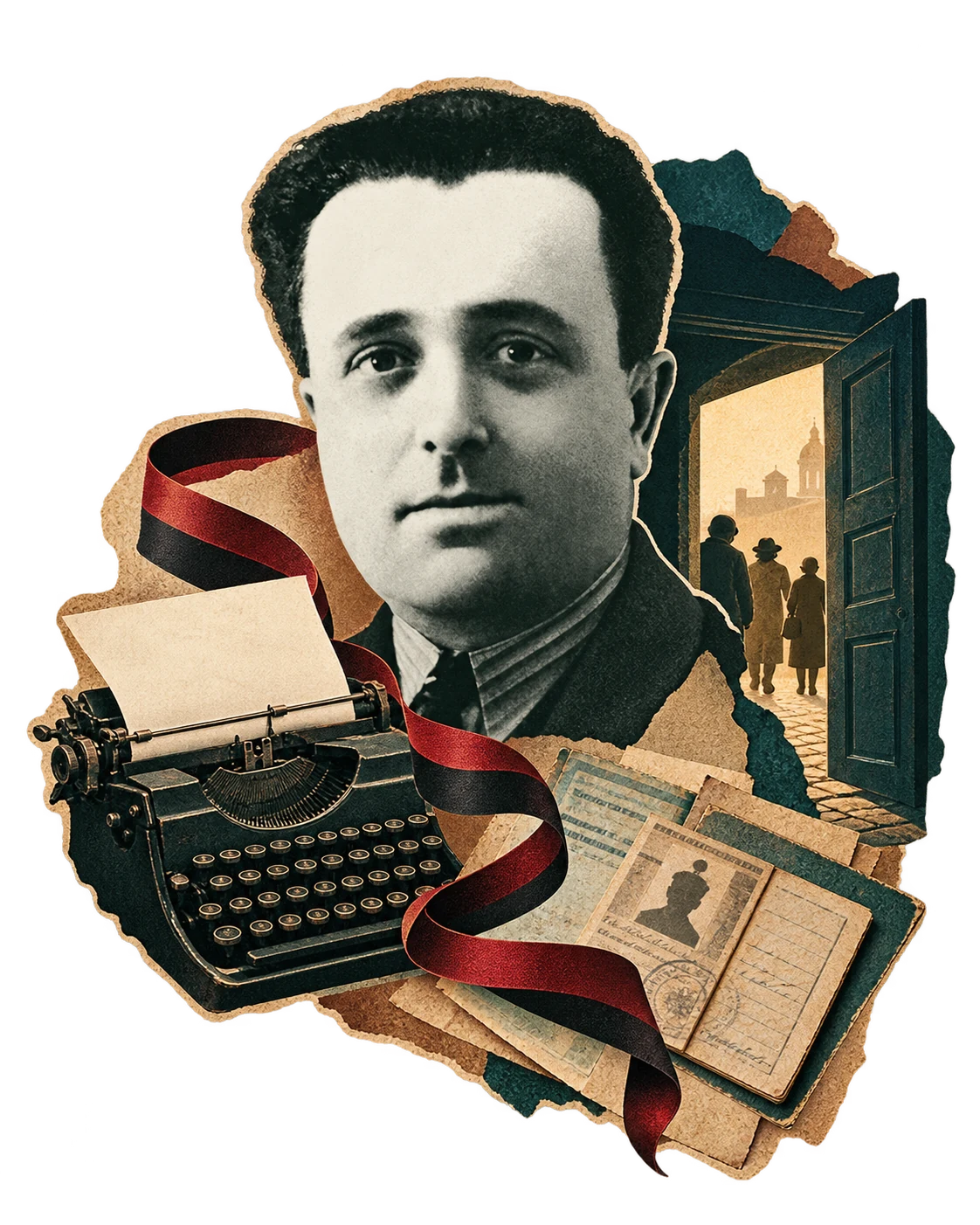
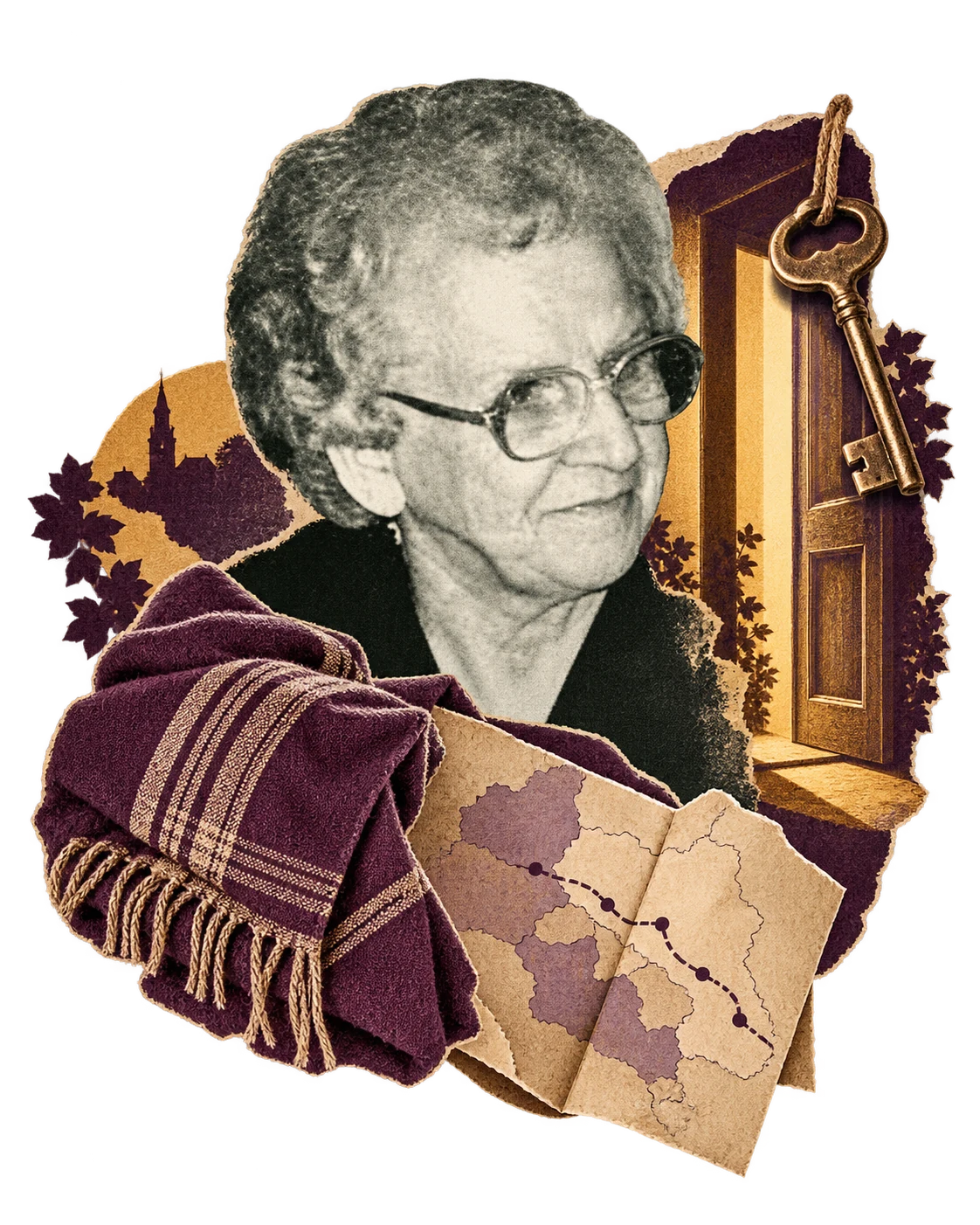
Jan Żabiński was born in 1897 into a wealthy Christian family. The family’s wealth came from his mother, who owned extensive tracts of land. Regardless of their social standing, they lived in a Jewish neighborhood in Warsaw. Jan's friends were Jews who studied with him at a secular high school, and their friendship grew stronger during their military service in World War I. He went on to university with some of them, earned a doctorate in philosophy, and then studied at the Higher School of Agriculture, where he specialized in zoology. Antonina was born in St. Petersburg, Russia, to a Polish family. After being orphaned by her mother's death at a young age, she was raised by her aunt. When she grew up, she went to Uzbekistan to join her father, who worked as a railway engineer in Tashkent. After her father and his second wife were murdered by revolutionaries, Antonina moved to Poland and worked as a secretary at the Higher School of Agriculture. There she met the sought-after lecturer Jan Żabiński, and they married less than a year later. Antonina kept a diary throughout the war. In her memoir, On People and Animals, she described the house and the zoo as "my paradise" and "my green kingdom." Jan Żabiński also studied at the Academy of Fine Arts, painted, played the piano, and wrote many books. "He was a man with very broad horizons, a Renaissance man," his son said of him. Antonina was also a writer and authored children's books about animals. In 1932, a year after they moved into the villa, their first son was born, and they named him Rys (Polish for wildcat). "My mother had always been surrounded by animals and loved them very much," their daughter Teresa, born in 1944, said. "When she was pregnant, she cared for a pair of wildcats, and when Rys was born, it was obvious that was what she would name him."
When the bombardments of Warsaw began, the zoo was bombed too. The Żabińskis and their children left their home. Some of the animals were killed, while others escaped into the city. Camels, llamas, and deer wandered along the banks of the Vistula River; the bodies of donkeys and ponies lay along the road. The silver foxes, badgers, chimpanzee, and exotic birds disappeared. Kasia the elephant was killed by a shell, and not far away lay the body of a giraffe that had been shot dead, along with several monkeys and antelopes. Only various wildcats, small birds, pheasants, peacocks, a few monkeys, and silver foxes remained in the zoo. Antonina was not allowed back into the zoo for two weeks. "My green kingdom" had become a smoking ruin.
Two months after the Germans entered Warsaw, Lutz Heck, director of the Berlin Zoo, arrived with an order to transfer all the surviving animals to Germany: "The animals will be very well cared for by us, and as soon as the war is over, you will get them back." The Żabińskis had no choice but to comply with the Germans' demand, but Jan Żabiński, who wanted to continue controlling the now-empty zoo grounds, persuaded Lutz Heck to turn it into a pig farm that would supply meat to soldiers of the Third Reich stationed in Warsaw. A few days later, the animals were loaded onto trucks and distributed among zoos in Germany. Heck's drunken friends shot the animals that remained in the zoo. Antonina described it this way: "It was a bright, beautiful winter day, and Rys wanted to go outside to play, but I made him stay indoors. I sat in his room and read Robinson Crusoe aloud to him. 'Mom, look what a beautiful day it is,' he said. 'Why won't you let me go outside?' Then we heard the shots. 'Mom, Mom, what is that? Who's shooting?' I stared at the open book and couldn't get a word out. At the time, I had no idea how many people would face a similar fate."
The Rescue Plan
In March 1940, a pig farm was established on the zoo grounds. The pigs were fed leftover food from restaurants and hospitals, as well as garbage that Jan Żabiński collected from the Jewish ghetto. Jan carried a permit to enter the ghetto, thanks to the new position he had received from the city authorities. This permit enabled the Żabińskis to devise a plan to smuggle out and save many Jews. That summer, they began hiding Jews and non-Jews in their home at the zoo and throughout the empty animal cages. To avoid arousing suspicion, Antonina made it seem as if visitors and guests were coming to the zoo, music was playing, and the whole house was full of cheer.
In addition to hiding Jews in their home, Jan and Antonina were also actively involved in rescuing them, as the following story illustrates: One of Jan Żabiński's friends was Dr. Szymon Tenenbaum, a renowned entomologist. A few days before moving with his family into the ghetto, he gave Jan his collection, which included about 2,500 different insect species. "In the summer of 1941, a limousine stopped in front of our house, and a German in civilian clothes got out." Antonina went into the living room and began playing the agreed-upon piece from The Beautiful Helena. It was the signal for everyone to be careful not to say a word: Nazis were nearby. The maid brought in the German, who looked around in amazement and said, "It's cheerful here." He introduced himself as Ziegler, the man in charge of labor assignments in the ghetto and an insect enthusiast. "Tenenbaum sent me," he said. "He asked that you let me have a look at his collection, which you have here." Jan Żabiński showed Ziegler the collection. He was moved to tears and said, "Tenenbaum asks you to come visit him." Jan Żabiński seized the opportunity and suggested that Ziegler go with him to the ghetto right away to visit Tenenbaum. That trip saved many lives. Ziegler's office could be reached through a building entrance outside the ghetto, guarded by a Polish guard. When Jan Żabiński entered the building, he deliberately lingered beside the guard, chatting loudly with Ziegler so the guard would notice how close he was to the German. The next day, Jan returned to the ghetto and called to the guard from a distance to open the gate for him. He walked around for a while and left the same way. Gradually, he got the guard used to seeing him come and go, and began bringing Jews out of the ghetto. In one of these operations, he saved Tenenbaum's wife, Lonia, a dentist. As they came through the gate, the Polish guard had been replaced by his wife, who refused to let them out. Jan Żabiński raised his voice, Antonina recalled, and shouted, "Do you want me to go upstairs and bother Pan Ziegler by asking him to come down? That could cost you dearly." The woman was frightened and opened the gate at once. Across the road, right by the exit, stood two German soldiers. Lonia froze and was about to run, but Jan Żabiński grabbed her, calmly bent down, picked up a cigarette butt from the ground, casually linked his arm with hers, and began walking very slowly in the opposite direction. Years later, his daughter told the story. "Lonia told me years later that she was scared to death when Dad deliberately stopped and lit a cigarette right in front of the German soldier. You had to be a great psychologist to understand the enemy's way of thinking. They simply couldn't imagine that someone who was fleeing would do such a thing."
Moshe Tirosh (Mietek Konigswein) of Karmiel, one of the survivors, was five years old when his family was smuggled into the villa: "We got there at the end of 1942, after we were smuggled out of the ghetto and had to hide. My sister Stefcia and I lived in the villa's basement, where their offices were, while my mother and father hid in the pheasant and monkey cages. Their son, Rys, would bring us food. He competed with his mother to see who could bring us more." Years later, Rys told the story of the Tirosh family, whom he remembered: "We called them squirrels. My mother didn’t want them to stand out, so she decided to dye their hair blonde. She shut the whole family in the bathroom and spread lightening cream on their hair, but what could you do? Their hair came out bright red, and I said to my mother, 'Oh, they look like squirrels!' From then on, that was our code: 'Bring food for the squirrels,' 'We need to move the squirrels.'" In this way, everyone hiding in the villa was given an animal name.
The Fox Farm
In the winter of 1942-43, the Germans decided that it would be better to raise foxes for fur on the zoo grounds than to keep pigs. The pelts would keep them warm at the front against the Soviet Union. To run the operation, they appointed Witold Wróblewski, who became known as "the fox man." Witold lived in a hut beside the foxes and proved supportive of the Żabińskis' work. By the end of the war, the couple had saved about 300 Jews.
Jan Żabiński joined the ‘Free Polish Army’ and, when the Warsaw Ghetto Uprising broke out, joined the insurgents and was wounded. He survived by a miracle and was taken to a German prisoner-of-war camp, from which he returned only in October 1945. Toward the end of the war, the zoo was closed, and Antonina and her children were deported to Germany along with Wróblewski, "the fox man." They managed to escape and reached a village, where Antonina and her children remained until the end of the war. The money she had with her soon ran out, and somehow word of this reached the National Jewish Committee. Rachel Auerbach, who had hidden in Jan and Antonina's home, was sent by the committee to help her.
After the War
After the war, the Żabińskis decided to rebuild the zoo. They renovated the zoo and the villa and gathered new animals. The official reopening took place in 1949. Jan Żabiński got his old job back and again became the zoo director, but in 1951 he resigned. "His sense of honor wouldn't allow him to continue," his daughter said. "All sorts of party officials wanted to install their own people as staff at the zoo, and he couldn't agree to that. For another two years, he was an inspector of public gardens, and we continued to live at the zoo until 1953. Then we left for good."
In October 1965, Jan and Antonina Żabiński were invited to Israel. At a modest ceremony at Yad Vashem, in the presence of some of the Jews they had saved, they received the gold medal awarded to the Righteous Among the Nations. A tree was also planted in their honor on the Mount of Remembrance, commemorating their rescue efforts during the Holocaust. In an interview conducted by Yaron Becker, Jan Żabiński was asked what had motivated his acts of courage: "It wasn't heroism... It was simply a human duty, nothing more... [I saved Jews] because they were persecuted mercilessly, to the point of death. I helped them not specifically because they were Jewish, but because they were people like me, whose terrible situation touched me deeply." Of his wife, he said: "The real heroine of this story was my wife. The traditional Catholic upbringing she received at home did not hinder her; on the contrary, it strengthened her integrity and self-sacrifice. She devoted these qualities to helping her residents... Her observations of animals gave her an instinct that made her fearless in defending members of her own species. Her confidence disarmed even the most hostile people. I wasn't the hero. She was."
In 2007, author Diane Ackerman published Jan and Antonina's story in the book The Zookeeper's Wife. The book became a bestseller and was also made into a film of the same name. The zoo became popular, and many people came to visit the zoo and the villa. The Warsaw city government decided to turn the site into a tourist attraction and restore the building's original appearance. Today, the Warsaw Zoo is named after Jan and Antonina Żabiński.
In 2008, Israel Gal (Pintchevsky) met with the Żabińskis' children and acquired the rights to the original diary from them. In 2011, he published it under the title The Garden of Life: On People and Animals. The documentary film A Place of Refuge: The Warsaw Zoo was produced following the book.
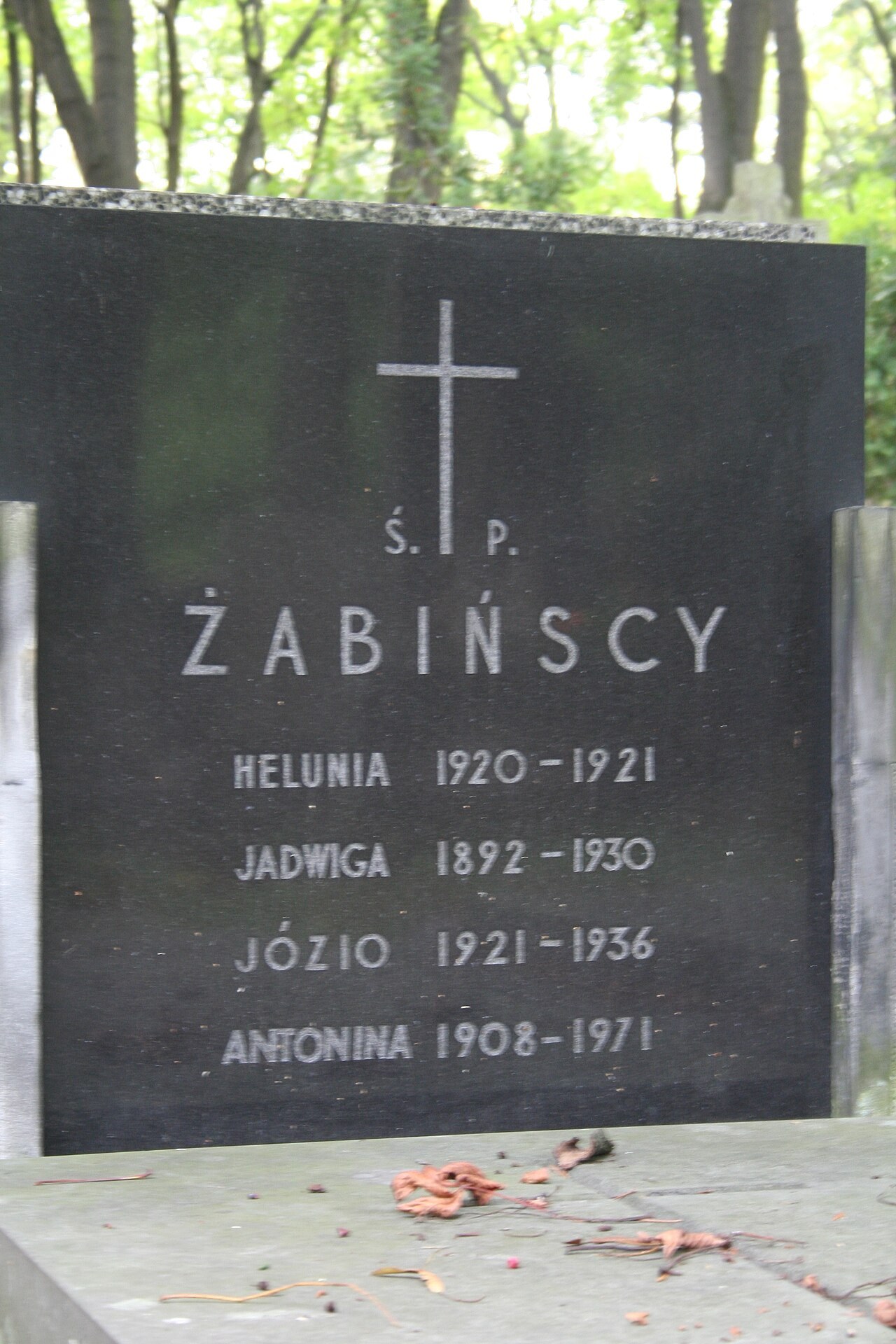
Jan Żabiński continued working in education, wrote more than 50 books, and hosted a regular, popular radio program about animals. Antonina Żabińska died of a heart attack in 1971, at the age of 63. Jan Żabiński died in 1974, aged 77.
תגובות
עדיין אין תגובות.