
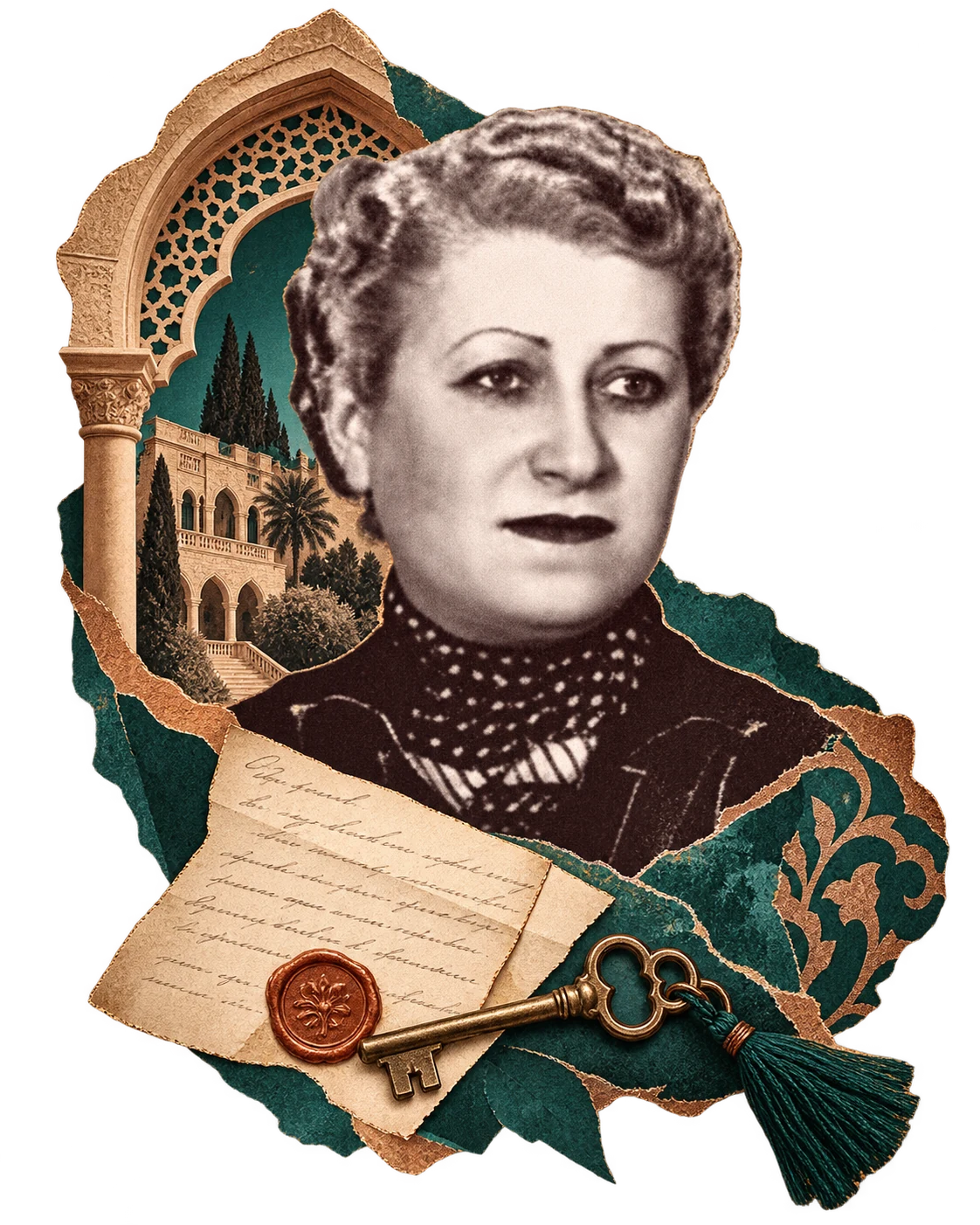
A beautiful young woman from an ultra-Orthodox family who was the lover, and also the wife, of powerful Muslim, Christian, and Jewish men... and a palace that stands as a monument to love.
Villa Leah and the Jerusalem Affair
The beautiful building from the early twentieth century, standing at the entrance to Jerusalem's Rehavia neighborhood, is a monument to Leah's extraordinary love story. She was a young woman at the center of more than a few scandals.
To understand the uproar caused by Leah's affair with Ahmed Jamal Pasha, it is necessary to understand who Ahmed was. As the son of a military doctor, Ahmed Jamal Pasha was destined for a military career from a young age. In 1898, at the age of 26, he served as an officer in the Third Army and joined the Young Turks movement, whose members were army officers, intellectuals, and administrators who wanted to depose Sultan Abdul Hamid II. In 1908, the movement succeeded in carrying out a coup, and five years later a group known as the 'Triumvirate of the Three Pashas' seized power: Enver Pasha, Talaat Pasha, and Jamal Pasha. Turkey at the time was an empire that ruled over much of the Middle East, including the Land of Israel. In addition to being part of the ruling triumvirate and governor of Turkey, Ahmed Jamal was appointed commander of the First Army, stationed in Istanbul, and governor of the city. Ahmed Jamal Pasha was responsible for the massacre of the Armenian population in Syria as part of the Armenian genocide, and he paid for it with his life: in 1922, as part of Operation Nemesis, he was assassinated by two Armenian assassins in Tbilisi, the capital of Georgia.
Now let us go back in time. At the end of May 1915, the Spanish consul in Jerusalem, Antonio de Biouvar, wrote: "The month is ending, but not the more or less playful remarks about the expected marriage of Djemal Pasha to a beautiful Jewish woman named Leah Tannenbaum. The news seemed so improbable to me that I gave it very little credence, but it persists, and there is no one in the city who does not comment on it." De Biouvar, who was the son of a Jewish mother, called Jamal Pasha "a scoundrel, but a good fellow."
In January 1915, Ahmed Jamal Pasha moved his headquarters from Damascus to Jerusalem to get closer to the Sinai front, where the British were poised to invade the country. He and his staff took up residence at the Augusta Victoria compound on the Mount of Olives.
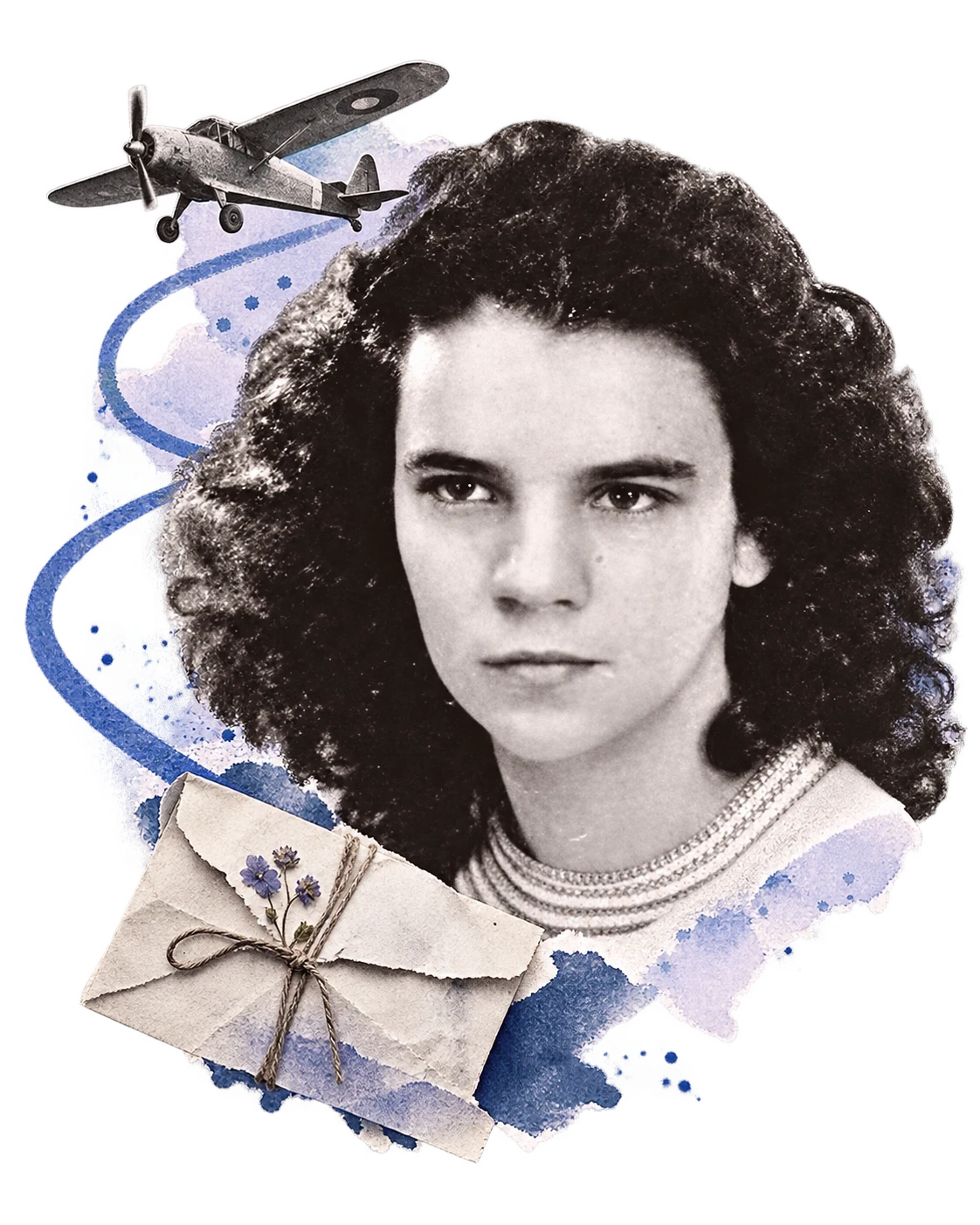
Ahmed Jamal Pasha was often described as a handsome man who pursued beautiful women, and the beautiful Leah was called "Bint Allah" (daughter of God). She worked for the Red Crescent, and before she had even turned 16, rumors were already circulating that she was the Pasha's mistress. In May 1915, a rumor spread through Jerusalem that Ahmed Jamal Pasha was about to marry her. As the Spanish consul wrote, the idea sounded improbable and unbelievable to most people because of her religion. But the rumor persisted. Another source for the story was a local soldier named Ihsan Turjman, who criticized the 'well-known' relationship between the two. On September 7, 1915, Consul de Biouvar, who was on good terms with Ahmed Jamal Pasha, wrote that the latter had asked him: "Do you know that I married an Austrian Jewish woman?" The consul also wrote that all of Syria already knew the news, and that even the French newspaper Le Temps had reported it. In any case, after Jamal Pasha was assassinated in 1922, the buzz about his relationship with Leah faded, but Leah continued to have other passionate love affairs that became the focus of gossip in the holy city.
The Tannenbaum Family in Jerusalem
Leah (Lisa) Tannenbaum was born in September 1889 (she later claimed a later birth date) and was the eldest daughter. Her parents arrived in Jerusalem in 1861, when her great-grandfather, Rabbi Abraham Isaac Tannenbaum, came to the Land of Israel from the town of Stropkov in Slovakia. Family lore has it that the family acquired the name Tannenbaum when the Austrian authorities required every family to choose a surname, and they chose the name 'Erez,' which appears in the Book of Psalms. In Yiddish, Erez sounds almost like Tannenbaum (tsederboym). Abraham settled in Jerusalem, where he married and had two children. His son Elhanan was one of the founders of the Nahalat Yitzhak neighborhood, which was then on the outskirts of Jaffa. Together with his brother-in-law Aaron Uziel Rokach and Moshe Lilienthal, he was among the first to establish printing houses in Israel.
Leah's father, Israel Mordechai, the son of Elhanan, was ultra-Orthodox but held liberal views. As a real estate agent, he was responsible for purchasing the land for the Ahuzat Bayit neighborhood, which would later become the city of Tel Aviv. Israel Mordechai befriended his Arab neighbors, spoke their language, and did business with them. One of his friends was the historian and politician Aref al-Aref, through whom he established ties with the Ottoman authorities. So close were these ties that when the British conquered Jerusalem in December 1917, they exiled him and his entire family to Egypt - a punishment usually reserved for the Germans of Jerusalem and Jaffa who had supported the Turkish side.
After World War I and the flurry of rumors about her affair with Ahmed Jamal Pasha, Leah's life once again began filling the pages of Jerusalem's gossip columns. In 1921, Leah married an officer in the British army named Israel Yaffe, who was 11 years older than her. Yaffe was born in Belfast to a family of Jewish immigrants from Russia. Before the war, he moved to Rhodesia and worked in agriculture there. Rumor had it that he was deeply in love with Leah, but that the love was one-sided. Leah and Israel Yaffe married in Lausanne, where he was awarded the Cross of the Legion of Honour. In December 1922, their son Leon (Len) was born. The marriage did not last, and after the divorce Leah returned to Jerusalem with their son while Israel went back to Africa. There he married Carol Ann Bolton, and they had three children. Israel Yaffe died in 1978 and was buried in Salisbury, Zimbabwe.
Leah's father knew that a divorced young woman with a child would have difficulty finding a partner, and despite being ultra-Orthodox, he agreed to the marriage proposal from Nassib Abkarious Bey, a well-known Arab Christian lawyer in the city who had business ties with his family.
Hagop (Jacob) Abkarian, Nassib's grandfather, was born in Turkey in 1781. The family name is attributed to King Abgar V, whom Armenians regard as the first Christian king. As a young man, he joined the Armenian Monastery of St. James in Jerusalem and was ordained a bishop in 1818. Shortly afterward, Hagop gave up his priesthood, became a Protestant, and moved to Lebanon. In 1824, he married Khawwa Massaad, a Maronite from Beirut, and they had seven children. He died in 1845 at the age of 64.
Shortly after the Mount Lebanon rebellion of 1860, Johannes, Hagop's son and Nassib's father, moved to Egypt with his family. When the turmoil subsided, the family returned to Beirut. Johannes, who had studied for two years as a child at a diplomatic school in Britain, worked as an interpreter at the British consulate and, at the same time, joined the Americans in missionary work. In 1871, he married Afifa Kanawati, and the couple had eight children. Nassib, born in 1875, was their third child.
Nassib studied pharmacology at the Syrian Protestant College (later the American University of Beirut), continued his law studies in Paris, and in 1898 traveled to Egypt, where he joined the British forces as a pharmacist and took part in British campaigns in Egypt and Sudan. In December 1903, at the age of 29, Nassib joined Sir Wingate in Khartoum, became an officer, and was appointed a judge. King Fuad of Egypt and Sudan awarded him the honorary title of 'Bey' in recognition of his work.
After World War I, Nassib was sent to the Land of Israel to work in the Mandate's legal department. At some point, he left his government position and began a career as a private lawyer. He opened an office at 10 St. Paul's Street (today's Shivtei Israel Street) in western Jerusalem, specializing in criminal law and property contracts. Thanks to his success in quite a few cases, he became well known and highly respected.
Nassib was a man of many talents: a successful lawyer, fluent in Arabic, English, French, and Hebrew, with some German, and an excellent violinist. His standing, qualities, and family background probably helped Leah's father, Israel Mordechai, overlook the age difference (Nassib was 54 and Leah was 30) and the difference in religion. The couple married in a civil ceremony in Paris in 1929, and shortly after their wedding they had two daughters: Tina Leontine Dora (1929) and Helena Sarah Ruth (1930). Nassib and Leah lived in Jerusalem and spent weekends and summer days at their summer home in Abu Ghosh.
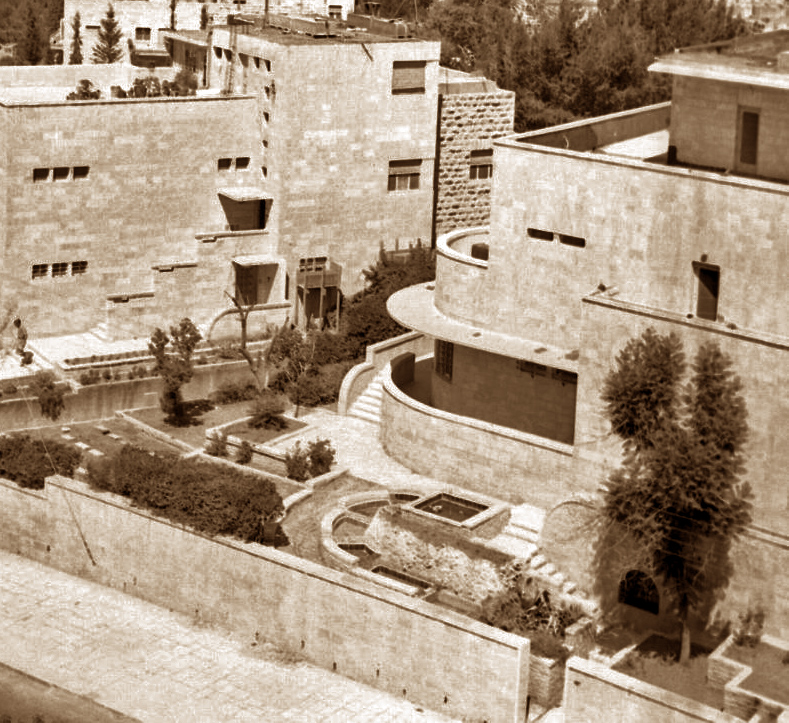
On May 1, 1934, Nassib and Leah inaugurated their new and splendid residence, Villa Leah (on that same day, Nassib's mother, Afifa, died). Villa Leah, built in the Bauhaus style, is located at 6 Ben Maimon Boulevard, at the entrance to Jerusalem's Rehavia neighborhood, and commemorated Nassib's passionate love for Leah (some claim that Nassib even converted to Judaism for her). Nassib built another house next to the villa, also registered in Leah's name, which he rented out. The villa's staff included uniformed drivers, servants, cooks, and nannies for their daughters.
The Villa Empties Out
Shortly after the house was completed, Nassib's financial situation began to deteriorate.
Tired of Nassib's adoration and the villa, Leah packed up the furniture and sent it to Egypt, then went with her daughters to join her sister Rebecca (Bella), who had married Edward Thomas Guy, a Jewish British officer serving in Egypt (Guy later left Bella without divorcing her and lived with a close female friend).
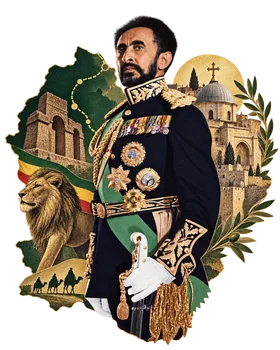
In 1936, when Italy conquered Ethiopia, Emperor Haile Selassie and his family went into exile. On their way to Geneva, they stopped in Jerusalem. Nassib, who was living at the King David Hotel at the time, met the emperor there and invited him to stay in his modern home. The emperor's family lived at Villa Leah until April 1937.
In Cairo, while still married to Nassib, Leah fell in love with General Hassan Abdul Wahab, a wealthy and influential Egyptian officer and close friend of King Farouk. In 1938, apparently in an effort to sever all ties with her former life, Leah sent the furniture back to Jerusalem, and the following year she sold the small house next to the villa.
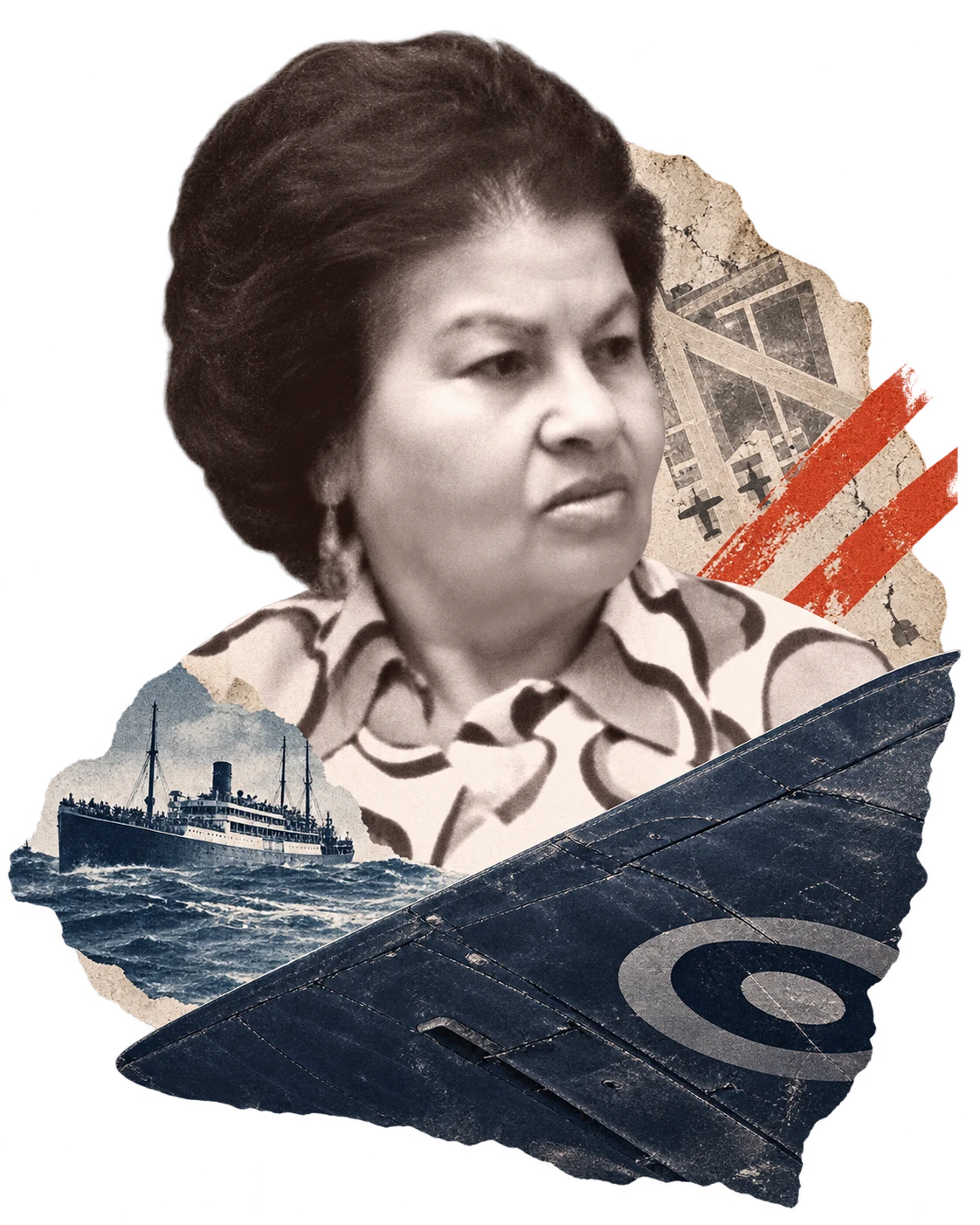
Leon, Leah's eldest son from her marriage to Israel Yaffe, attended flight school in Egypt and became a pilot in 1940. In his late twenties, after the establishment of the State of Israel, Leon immigrated to Israel and worked as a pilot for El Al. In 1945, Leah divorced Nassib, and in 1950 their daughter Ruth married Alexander (Iskander) Nasif in Egypt. They moved to France and Canada. Ruth later moved to Florida, where she lived until her death in 2009. Their daughter Tina lived in Cuernavaca, Mexico, and died at the age of 92.
Leah herself lived with Abdul Wahab until 1952. After they separated, Abdul married the famous Czech opera singer Jarmila Krivá, and that same year Leah married Thassos Ermo in London, a Greek man who lived in Egypt. Leah died in 1967 and was buried in the Baron de Hirsch Cemetery in Montreal under the name Leah Eden. A year later, her son Leon died of leukemia and was buried beside his mother.
The Villa After the War
While Leah and her sister Bella lived in Egypt, their parents and brothers remained in Jerusalem and maintained close ties with Nassib. Nassib kept the empty villa as his official address, but moved into the fashionable Darouti Hotel (today a Jerusalem municipality office building), not far from his law office. He developed a close relationship with the hotel's owner, a widow named Frida Darouti, who cared for him in his final days. Nassib Abkarious Bey died in September 1946 and was buried on Mount Zion.
After the War of Independence, Nassib's properties in Jerusalem and Abu Ghosh were considered 'abandoned properties' and transferred to the Custodian General. Among those who lived in Villa Leah were Professor Hermann Zondek and Daniel Auster, Jerusalem's first Jewish mayor. Later, Moshe Dayan also lived in the villa when he was the military commander of Jerusalem. Years later, in her book My Father, His Daughter, his daughter Yael, who was ten at the time, described the house: "It was a palace that seemed to have been taken from the pages of a novel. A pink stone castle, a princely estate from St. Petersburg or an enchanted fortress from a fairy tale. Each room was painted a different color. There was a pink room, a green room, a bathroom with green tiles, a bathroom with blue tiles to match a blue room, and two enormous guest rooms. There were also arched windows that jutted out beyond the wall, a basement floor with a huge kitchen and two more rooms. There were long corridors and balconies, a walled garden with a well and several fruit trees." Yael added in her memoirs: "The fact that the spacious residence was not permanently ours added to the excitement. Somewhere there was a woman to whom the house belonged, and one day she might return and claim her property."
But Leah never appeared...
The Dayan family lived in the house for about five years, during which time it became known as 'Moshe Dayan's open house.' "On Friday afternoons, representatives of the wider world gathered in our home: Franciscan monks, UN observers, foreign consuls, and many journalists. They were all regular and welcome guests at Villa Leah, a gathering place that became the center of Jerusalem's social life," Yael wrote. In 1950, the wedding of Reuma, Ruth Dayan's sister, and Ezer Weizman was held on the house's balcony.
The house was also home to the commanders of the Jerusalem district and to Chaim Herzog. Prominent residents of the government-owned apartments bought them over the years; the first was Brigadier General David Hagoel. The widow of Eliezer Kaplan, the first finance minister of the State of Israel, who had lived in one of the apartments, bought it after his death. Another apartment in the house was purchased by Dr. Yosef Burg.
תגובות
עדיין אין תגובות.