
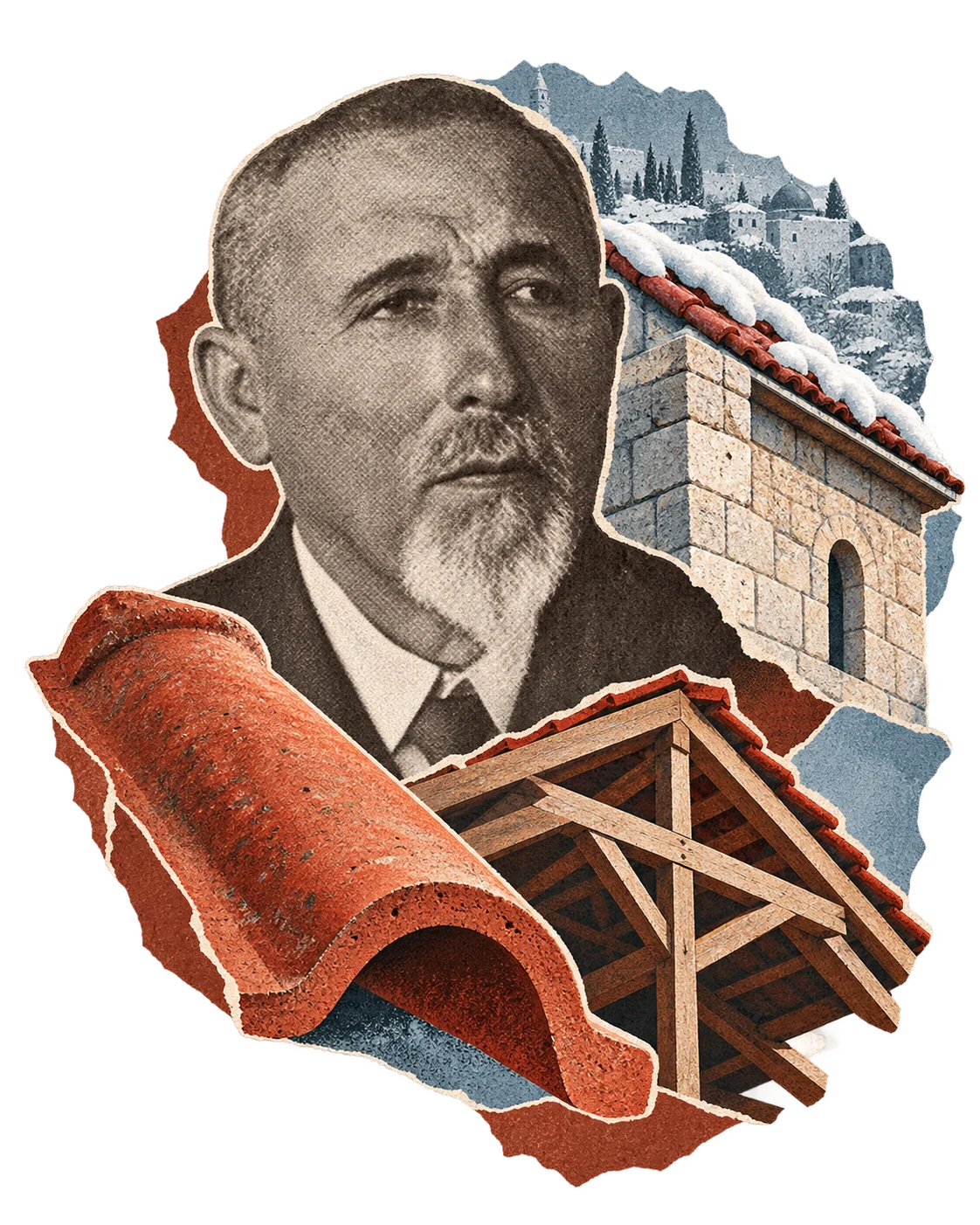
The winter of 1847 brought down many houses after snow piled up on their flat roofs. It was the Templer builders who brought sloping tiled roofs with them from Europe. The high cost of the tiles led to the establishment of three factories in the country, including the Steinberg factory in Motza.
Motza and the Roof-Tile Factory
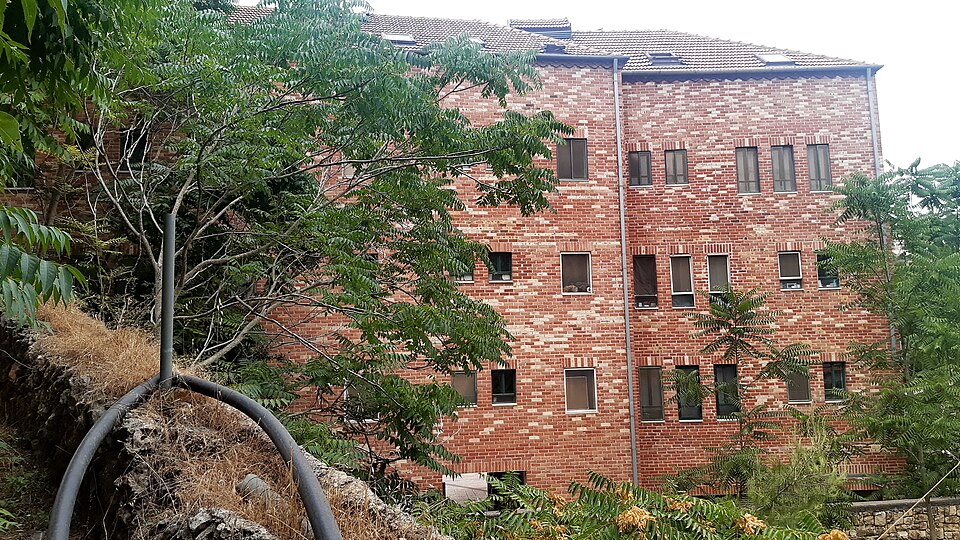
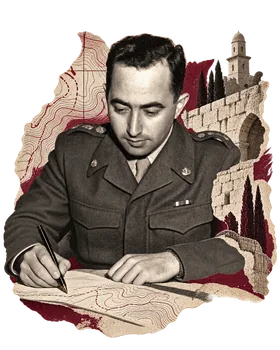
The first plot of land on which the settlement of Motza was established was purchased in 1860 by David Yellin, who was born in Poland, and Rabbi Shlomo Yehezkel Yehuda, who was of Iraqi origin. Both families were very well established, and Yehoshua, David Yellin's son, married Serah (yes, Serah, not Sarah), Rabbi Shlomo Yehezkel Yehuda's daughter. The settlement, founded in 1894, lay on the road to Jerusalem, and most of its founding families were well known. The book The Settlers on the Mountain (by Rivka Alper) was written about the Cohen family; Mordechai, the son of the Makleff family, would later become chief of staff; and Herzl was a guest of the Broza family, planting the famous cedar on their land. In 1905, Yechiel Michel Steinberg bought a plot of land in the settlement. Seven years later, he discovered that his plot had clay soil suitable for making roof tiles, and after the First World War he established a tile factory in the settlement (later known as 'the Red House'). The factory was financed through shares sold on the London Stock Exchange under the name 'The Jerusalem Brick & Tile Company Ltd. Motza, Near Jerusalem.' The tiles proudly bore the name 'M. Steinberg, Motza.'
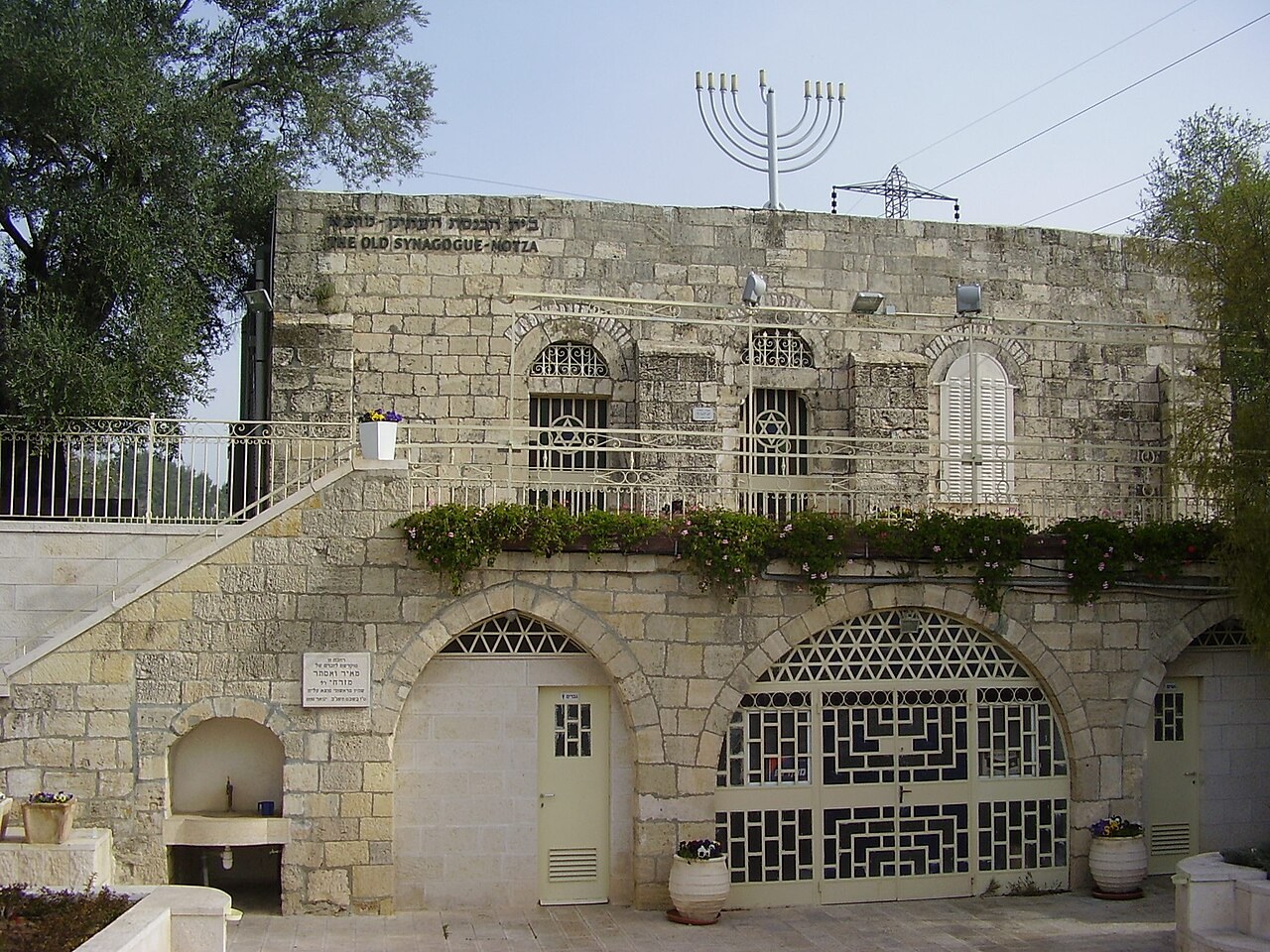
During the 1929 riots, Arabs from Qalunya, some of whom worked in Motza and some of whom had even received care from the nurse from the Makleff family, attacked the Jews of Motza, murdered Mordechai Makleff's family, and burned down the tile factory. When the unrest subsided, Michel Steinberg rebuilt the factory, but it burned down again in 1938 under unknown circumstances. Steinberg declared that he would leave the factory only on a stretcher, and indeed he worked there until the last day of his life in 1949. The factory continued operating until 1959, and later, on its ruins, the renowned reconnaissance-unit fighter Eli Gil established the Red House restaurant.
Yechiel Michel Steinberg and His Family
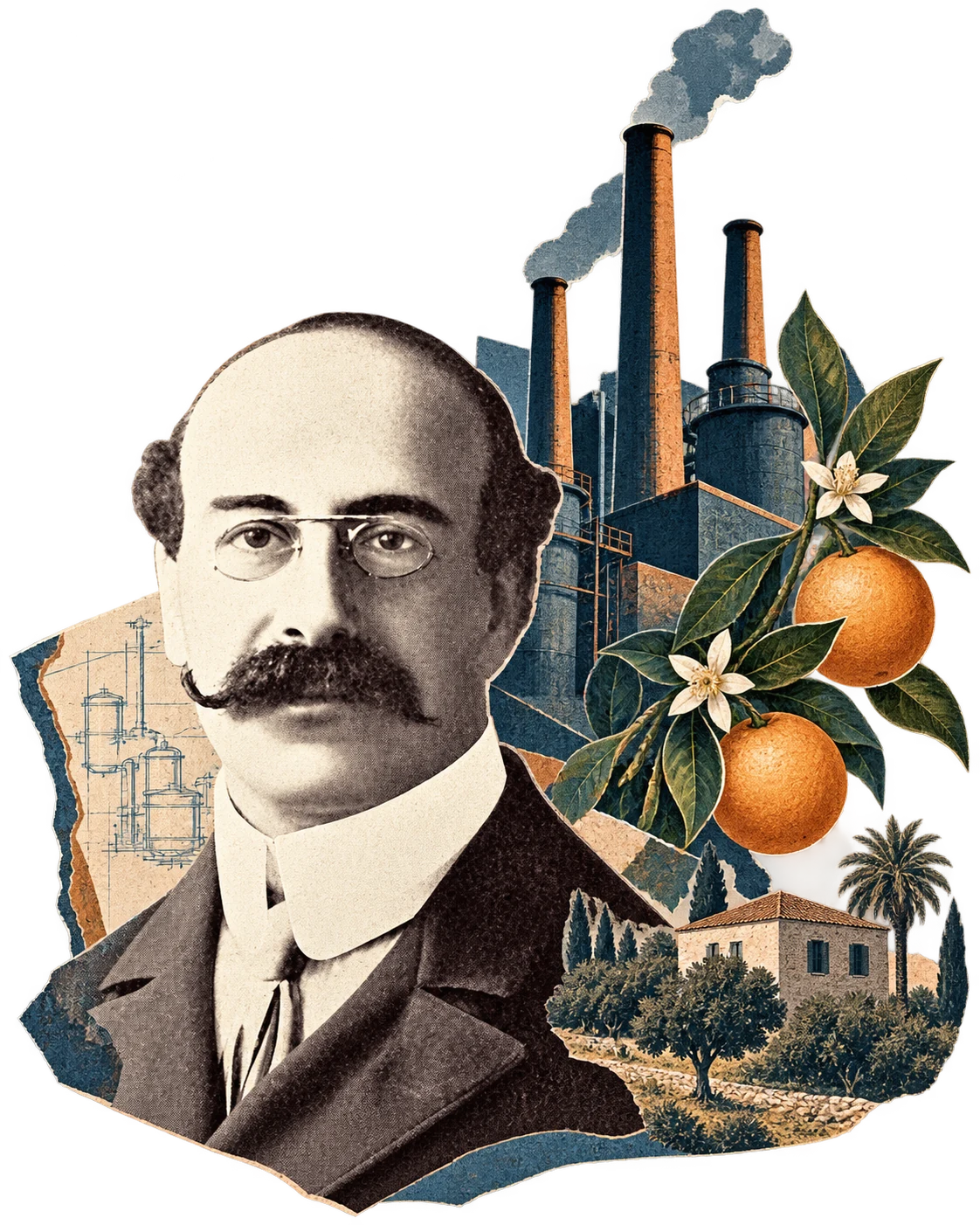
Yechiel Michel Steinberg was born in Russia in 1864. At a young age, he became acquainted with members of BILU and decided that he, too, would immigrate to the Land of Israel, work the land, and help build the country. To that end, he studied carpentry, and at 17 set out on his journey. About a year later, he arrived in the country and immediately wrote to his father that his dream had come true. His excited father ran around the town telling everyone that his son had reached the Land of Israel, but sadly died that very night. Yechiel Michel had known his wife Gittel, daughter of Rabbi Eliyahu, since their hometown days. She was about to sail to America, but traveled to Palestine after the man she loved. Upon arriving in the country, he opened a carpentry shop on Jaffa Street in Jerusalem. He was the first carpenter in Jerusalem to build European-style furniture for the city's consuls. He was also among the founders of Hadera and the first neighborhoods outside Jaffa (Neve Shalom and Neve Tzedek). The couple later moved to Motza and established the tile factory.
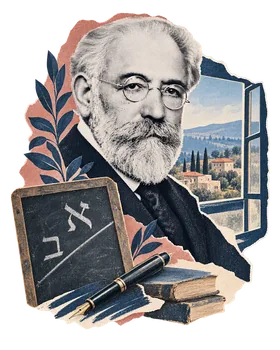
Yechiel and Gita had three sons and three daughters. Some chose to Hebraize their family name to Haraven, while others adopted an English name (Stonehill), depending on where they lived. Their middle daughter, Rivka Gilad, is the mother of Ella Yafeth, the former wife of Ernest Japhet, the legendary CEO of Bank Leumi and a member of a long-established banking family in the country. Their youngest daughter was Lady Rachel Lauterpacht, wife of Sir Hersch Lauterpacht, an expert in international law, a lecturer in law at Cambridge, and a member of the International Court of Justice in The Hague, who represented the British government at the Nuremberg trials. David, Yechiel and Michel's eldest son, married the pianist Tehiyah, née Epstein, and they had two sons: Eran, a psychologist at the Shiloah Institute, and Aluf Haraven, whose unusual name was given to him by his grandfather, Yitzhak Epstein, a teacher and one of the revivers of the Hebrew language. Aluf Haraven married the writer and journalist Shulamit Haraven. He joined the Mossad and was also the one who suggested to Claude Lanzmann the idea of making the film Shoah.
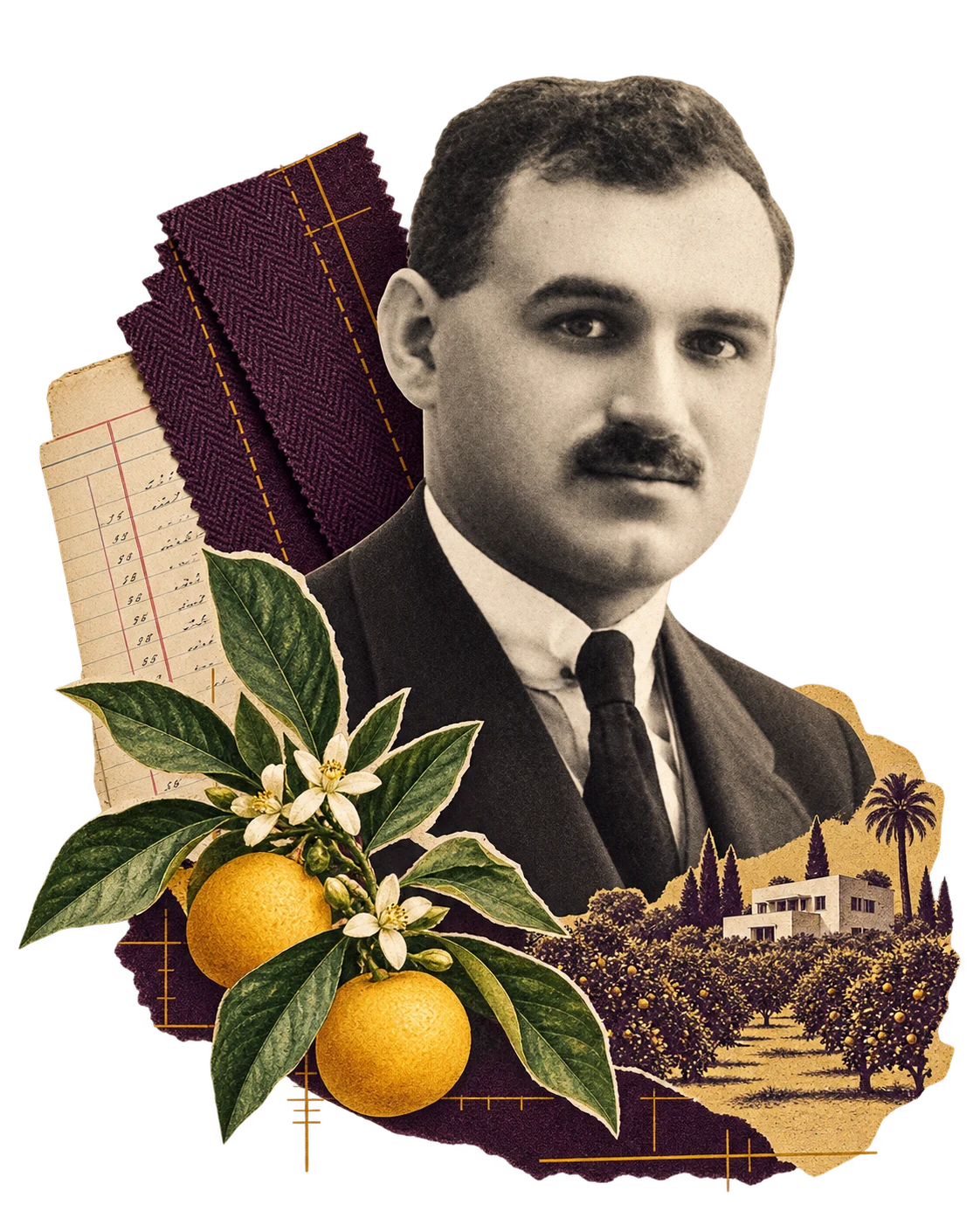
Leah, Yechiel and Gita's eldest daughter, married the engineer Simcha Ambash ('I believe with complete faith'). Simcha Ambash was born in 1892 in Neve Tzedek and, when he grew up, was sent to study engineering in France. When he returned, he was appointed director of the electricity and water company in Ismailia, and in 1936 the couple moved to Cairo. When they returned to the country, they built their home in Tel Aviv, at 18 Yohanan HaSandlar Street, and Simcha worked in industrial and citrus-farming development.
The Ambash couple had four children. The eldest, Nahman, was a physiologist and researcher. He married Stella, who was also a doctor, and they made their home in London. Their eldest son was killed when he stepped on a land mine in Biafra, where he had volunteered to help the country in its war. The Ambashes' second daughter was Suzy (Shoshana), who later married Abba Eban (Aubrey Eban), who rose to the rank of major in the British Army. After their marriage, they came to the country and made their home in Jerusalem. After the establishment of the state, he joined the Israeli Foreign Service and held many positions, including ambassador to the United Nations and foreign minister. Their third daughter, Tzila Katal, was a psychologist who specialized in helping children overcome reading difficulties. She lived in Geneva with her husband, a researcher in industrial psychology. The Ambashes' youngest daughter was Ora, who married Chaim Herzog, later president of the state.
The Herzog Family and the Ambache Family
Chaim Herzog was born in Belfast. His father, Rabbi Yitzhak Isaac Halevi Herzog, was chief rabbi of the Jews of Ireland and, from 1936 until his death, Ashkenazi chief rabbi of the Land of Israel. Rabbi Herzog was one of the most learned rabbis. He studied mathematics and classical and Semitic languages at the universities of Leeds and the Sorbonne. He held a doctorate in literature, researched the origin of the blue dye used for the tzitzit, and was fluent in many languages, including Arabic. When the Neturei Karta wanted to taunt him, they dropped the title Rabbi and called him Dr. Herzog, but the entire nation was proud of its chief rabbi, who knew how to combine Torah and knowledge. His wife, Rebbetzin Sarah Herzog, was born in Russia. Her father was Rabbi Shmuel Yitzhak Hillman, who served as chief rabbi of Glasgow and headed the rabbinical court in London. Her cousin Sidney Hillman was one of the labor leaders in the United States and a confidant of President Roosevelt. Her brother David Hillman was a stained-glass artist whose work adorns many synagogues, including the Renanim Synagogue in Jerusalem. David was married to Dr. Annie Hillman, a general practitioner from the Rabinowitz family. Sarah's older sister was the wife of Rabbi Yehuda (Yudel) Newman, rabbi of the Notting Hill neighborhood in London. Their grandchildren were Eliezer Simcha Weiss, rabbi of Kfar Haroeh and the Hefer Valley Regional Council, and Professor David Newman, former dean of the Faculty of Humanities and Social Sciences at Ben-Gurion University of the Negev. Sarah's brother was Rabbi Levi Isaac Rabinowitz, deputy mayor of Jerusalem. Another sister, Hannah, married Baruch Ben Tovim, one of Israel's first bankers.
When Chaim Herzog immigrated to the country in 1935, he studied at Rabbi Kook's yeshiva and at Hebron Yeshiva. After completing his yeshiva studies, he pursued a general education and served in the Haganah. He studied law in England, joined the British Army, helped establish the IDF's Intelligence Directorate, and rose to the rank of major general. Like Abba Eban, he was Israel's ambassador to the United Nations; he later became a member of the Knesset and the sixth president of the State of Israel.
The families of Abba Eban and Chaim Herzog had been friends in London, but the two became friends while studying at the University of Cambridge. When Eban's term as chair of the university's Jewish students' association ended, Chaim Herzog succeeded him. While in the country, Chaim Herzog happened to visit the home of Suzy and Abba Eban, who were then living in Jerusalem. Chaim said that on his way back to his unit he would pass through Cairo, and mentioned that Leah Ambash had invited him to visit their home in Egypt. There he met Ora, Suzy's sister, and later said it was love at first sight. In October 1946, after completing her studies, Ora immigrated to the Land of Israel. That same year, she was selected to join the first class of the diplomatic school established by the Jewish Agency.
Yaakov Herzog, Chaim's younger brother, served as director general of the Prime Minister's Office and was a political adviser. Many called him 'the brains behind the scenes.' Yaakov was married to Penina, a member of the Shachor family. She was a pharmacist by profession, served as worldwide president of Emunah, the National Religious Women's Movement, and also held the position of senior deputy director general at the Ministry of Health.
Ora and Chaim Herzog married in Gedera in 1947 in a small, modest family wedding because, as she put it, 'There was a curfew everywhere in those days. We were looking for a quiet place.'
Ora and Chaim Herzog had four children: attorney Yoel Herzog, who married Margaret, daughter of Nissim Gaon, a Swiss Jewish businessman and philanthropist born in Sudan who served as president of the Sephardic Federation and head of the Jewish community in Switzerland. He was known as a personal friend of Menachem Begin, who even included him in a meeting with Sadat in Ismailia. Another son is Brigadier General (res.) Michael (Mike) Herzog, former Israeli ambassador to the United States. Their third son is President Isaac (Bougie) Herzog, and their daughter Ronit is a clinical psychologist.
תגובות
עדיין אין תגובות.