
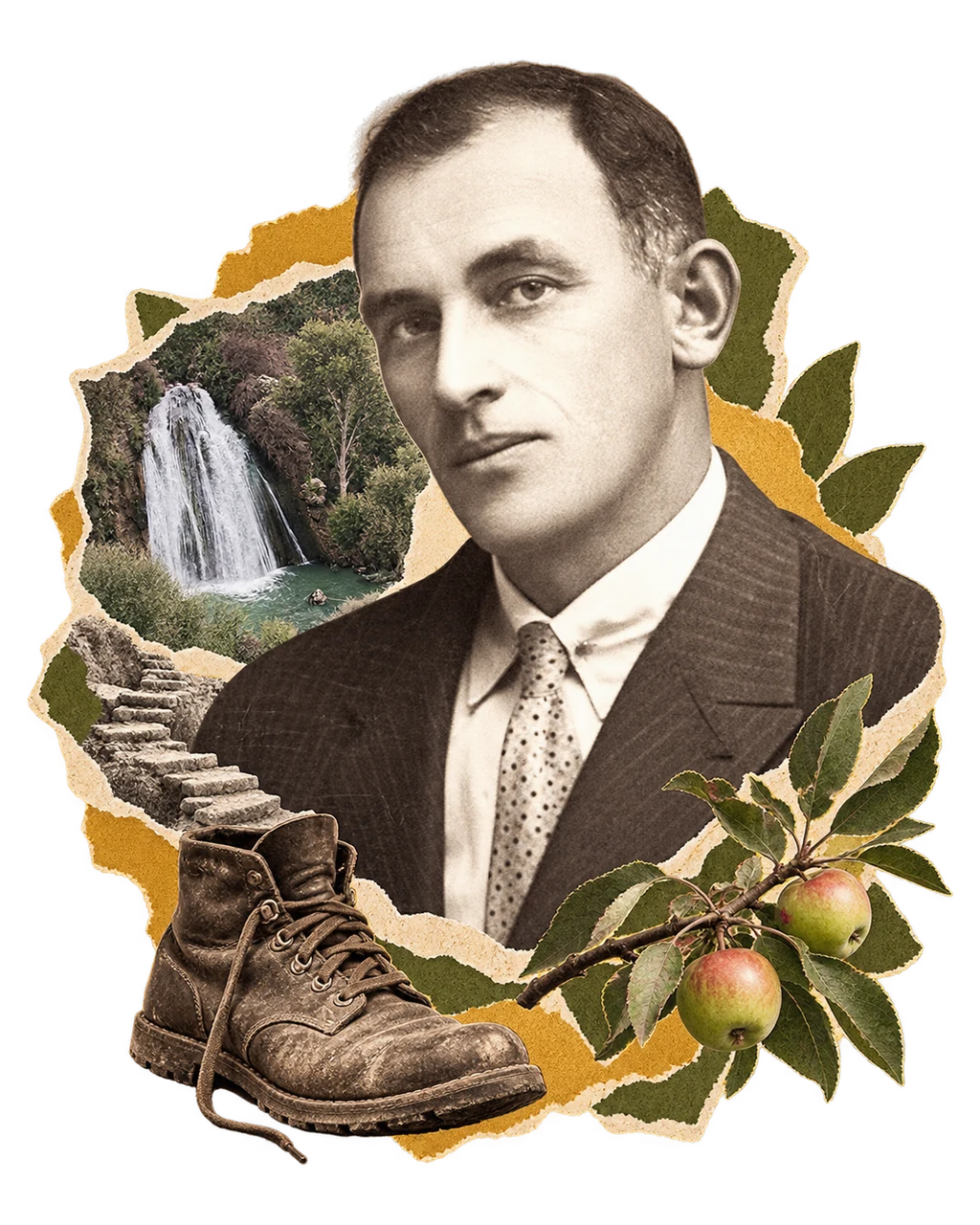
There is no doubt that this is one of the stories that belongs in the pantheon of Israeli legends from the era of immigration and the pioneers. It is the little-known story of a strange Dutchman who fell in love with the land and bound his fate to the rebirth of the state. His proud descendants cherish his legacy and take pride in telling the story of Franz van der Horn.
The Journey of Ideas Sets Off
It all began in July 1911: three good friends, idealists who shared the same values and would not compromise, decided to leave behind the comfortable lives in which they had been cocooned, along with their promising futures, and set out on a journey around the world. This was no post-army trip for young people, but a journey on foot intended to advance an ideology in which they believed. The three were Abraham Mossel, a young Jewish painter and the son of a cantor; Gerard Perfoors, accompanied by his beloved Marie Zwaarts, who had slipped away from her parents' home when she turned 21; and Franciscus (Franz) Jacobus Marinus van der Horn, a strong, tall, broad-shouldered young man born in The Hague to a family of eight children. His father was a vegetable merchant, and Franz is the hero of our story. They were more than just friends; they shared an ideology that defined a vision and, in turn, a way of life that shaped their day-to-day existence. They were enthusiastic members of the Esperanto movement (which promoted Esperanto, an "international language" devised by Eliezer Ludwig Zamenhof in 1887. It was intended to become every person's second language, alongside their mother tongue). They fervently believed that a single international language could break down barriers, bring peoples together and prevent wars. They belonged to the "pure life" movement, were strict vegetarians, abstained from alcohol, championed radical pacifism and anti-militarism, and worked within socialist organizations, where they gave speeches, sang and raised money for a more just and moral world.
They prepared for the journey: they trained in wrestling, survival in harsh conditions and more. Pacifism is a noble principle, but they were practical, too, and prepared for the worst. And so, in the summer of 1911, they set out on foot. They called themselves Wereldwandelaars, "World Walkers." Their long, arduous trek crossed Central Europe and the Balkan Mountains, continued to Romania, and from there they sailed to Istanbul. They walked through Egypt, wandered across Sudan and traveled deep into Syria. For part of the way they wore sandals, and for part they went barefoot, carrying heavy packs on their backs and a heavy glass-plate camera in their hands. They made a living in an original way: they printed their photographs as postcards, wrote their ideas on the back in the local language wherever they went, and sold them in cafes. They also sent newspaper articles and gave talks to local audiences. As Franz himself wrote: "We are strange birds: in the morning we have no money, by evening we are our own masters again."
The group stayed in Damascus for about a week, and in late March 1913 they set out on foot to the southwest. They headed toward Banias, walking for three consecutive days through torrential rain that flooded the Jordan River's course. On April 2, 1913, they walked into the holy city of Safed, which was then poor and miserable. From Safed they continued to Nazareth, Jenin and Nablus, reaching Jerusalem on April 10, where their paths began to diverge. Gerard found work at a local orphanage (and later traveled with Marie to Beirut, where they married; in 1914 they returned to Amsterdam).
From Jerusalem to the Judean Foothills
Abraham Mossel and Franz headed toward the Judean foothills and the Jewish settlements. They covered about sixty kilometers on foot through harsh, sun-scorched, exposed terrain. Mossel described the journey in his diary: "A desolate, sparsely populated land, its roads a jumble of stones that wear out your soles... The landscape is bleak and dreary... rocky hills and expanses without a scrap of shade." But when they came down from the hills and reached Rehovot and Ness Ziona, they were astonished by the whitewashed houses and the cleanliness, which stood out in contrast to the nearby mud villages. Here in the land, they spent five months living and working as agricultural laborers in every respect. They rose at 4:30 in the morning and worked in the scorching heat until sunset, with only a broad keffiyeh to protect their heads and necks. In the evenings, they collapsed, with bleeding palms and aching backs, onto sacks of straw beneath a rickety wooden shelter, hungry and exhausted to the bone. They lived on a basic, meager diet of bread, onions, olives and oranges. Here in the land, they found an ideological community - not one that shared their values, perhaps, but one that shared their fervor. Their hearts were captured by the pioneering spirit. Among the young people of the Second Aliyah, they found an ardor unlike anything they had seen before. Franz and Mossel were impressed that, alongside their backbreaking labor, the workers maintained lending libraries, sports clubs and communal kitchens (and they themselves helped establish a communal kitchen in Ness Ziona); despite their exhaustion at the end of each day, they still found time to dance until the middle of the night.
Mossel traveled to the Ben Shemen farm, then to Kinneret and Degania, and fell in love with Tel Aviv in its infancy. But in the summer of 1914, as the smell of gunpowder from the First World War hung in the air, Mossel realized he had to leave. Before they parted in Wadi Hunayn, Franz looked at his friend and confessed with poetic bitterness: "The world is ugly, prosaic, and if you want to see something beautiful in life and not suffocate in spiritual filth, you would do well to blind yourself every now and then." Mossel replied with clear-eyed affection: "Your thoughts and feelings are too soft for this world." Mossel returned to Holland (and during the Second World War he would meet his tragic end at Auschwitz).
Franz planned to continue on foot to Spain and Tunisia, but his body let him down. A severe bout of fever confined him to bed. Seeking a cure and rest, he went to Be'er Ya'akov, a small settlement, and stayed with the hospitable Yitzker family, where he found shelter and work - and where he also fell desperately in love with their daughter, Rivka Yitzker. Rivka was a captivating young woman, gentle and reserved, and Franz was completely under her spell. In the evenings they would walk together along the settlement's paths, singing songs in Russian and Hebrew, and Franz was torn between reverence and passion: "So cold, and yet some passion shines in her eyes, something I have never felt in her before; and how sweet the touch of her hand." Then the First World War broke out. The Turks, who ruled the land at the time, imposed compulsory conscription. Franz, a pacifist, detested the war and Ottoman oppression. He urged the workers not to become Ottoman subjects or lend a hand to the war machine. At the end of 1914, he himself tried to leave the land and return to Holland. He said goodbye to the Yitzker family with his heart shattered to pieces: "It seemed as if I were fleeing the battlefield, base and cowardly, as I left those pure souls behind, and especially the soul dearest to me beyond all measure."
At Jaffa port, the blow fell: an urgent military order prohibited foreign nationals from leaving the empire. From the shore, he watched the ship sail without him: "I heard the ship's departure whistle, looked at it and bit my lip until it bled. The ship mocked me and abandoned me." On the one hand, he was distressed that he could not leave; on the other, deep inside, he was also agitated and happy. He walked back to Be'er Ya'akov. Night fell over the settlement, and his heart pounded like a hammer as he stood in the shadow of a tree beside the Yitzker house: "And there is Rivka, singing a Russian song, full of longing, full of passion. Who will be the lucky one to kiss those lips? Go, someone inside me says... I am happy."
Be'er Ya'akov and Rivka Yitzkar
There in Be'er Ya'akov, he decided to learn Hebrew, the 14th language he would master. He fought the terrible locust invasion of 1915, which devastated the land's crops, battled malaria and epidemics, and wrote impassioned journals. In a letter to his beloved Jeanne in Holland that he never sent, he wrote of Rivka: "She is like the Rebecca of the Bible!... One cannot understand why such a cultured people is persecuted."
But his happiness with Rivka did not last. The writer and thinker Zvi Schatz entered the picture, a man from the Migdal farm and one of the founders of the "intimate group." Schatz won Rivka's heart. Franz watched their courtship in silent pain beneath the enormous fig tree at Migdal. When one of the friends remarked mockingly in Russian that Franz was a "goy," the word burned into his heart: "Am I a stranger among you, my friends? Do you blame me for a sin I did not commit? How painful!" Schatz and Rivka married in 1917. Franz stepped aside with painful nobility, but cherished his love for Rivka until his dying day, and continued to write her moving letters even after Schatz was murdered alongside Yosef Haim Brenner during the 1921 riots.
Tzila Rozhansky, whom Franz had met at Migdal, filled the emptiness in his heart. Tzila was a determined 21-year-old from Metula, the sister of Yehudit Horowitz (one of the founders of Kfar Giladi). At first, Tzila hesitated to marry a non-Jew. The hurt Franz even went as far as Beirut, but longing got the better of them, and the two bound their fates together. In those days, 1919-1920, the Upper Galilee was a wild frontier, without sovereignty and drenched in blood, caught between the British and French mandates. It was here that one of the most dramatic and fascinating transformations in Franz van der Horn's character took place. The gentle vegetarian who hated war and abhorred all violent coercion found himself swept into an existential struggle. Even before then, he had admired the members of Hashomer, especially Alexander Zaid, who became his closest friend. On March 1, 1920, when the fateful attack on the Tel Hai courtyard began, Franz did not hesitate - he headed north into the inferno to defend the place, shoulder to shoulder with Yosef Trumpeldor and his comrades. In a long, trembling letter he sent his friend Mossel afterward, Franz revealed the immense inner rupture he had undergone: "There I became a real man, far away in the Upper Galilee, on the hard rocks, bareheaded, without shoes, wearing only a torn undershirt and dirty trousers... It's a pity you didn't see my eyes, or rather, my eye. For you close one and with the other take aim at a belly, a head, and a horse's belly! You feel the shock, hear the explosion, and swiftly and calmly reload the instrument of death. And look, there is a man falling, a horse stumbling! And it gives you satisfaction. Your dead, wounded, blood-soaked friends flash through your mind, and you keep shooting, again and again, with satisfaction... Distress breaks the rules: the vegetarian took up a rifle, killed people and even thought of revenge because they had destroyed our pastoral place."
He fought fiercely, survived the difficult nighttime retreat in pouring rain from burning Tel Hai toward Kfar Giladi and Metula, and faced the new reality. Theoretical pacifism had shattered against the rocks of the Galilee. Franz understood that without a determined defense force, the dream of settlement could not survive.
Tel Hai and Franz's Transformation
When the fighting subsided and people returned to the Galilee settlements, Franz became a pioneering agricultural innovator. Alongside Alexander Zaid, he drained swamps in Kfar Giladi, quarried stones, built water cisterns and established a huge nursery where he grew tens of thousands of eucalyptus saplings to drain the swamps. Franz had an exceptionally keen eye for agriculture. Unlike his friends, he understood that the Galilee's soil was suited to orchards, not "only to wheat and fodder," as they claimed. He proposed writing to Baron Rothschild to ask for help. His friends looked at him with disdain: "Who do you think you are, expecting the baron to answer you?" Franz ignored them and took the initiative to contact Baron Edmond de Rothschild directly in Paris, presenting a detailed plan for an experimental orchard. Some time later, an impressive camel caravan arrived in the Galilee, carrying hundreds of select saplings from France via the ports of Lebanon. In this way Franz established the famous "French Garden" in Kfar Giladi, a splendid orchard where deciduous fruit trees were grown in Israel for the first time: select apples, pears, plums, peaches and cherries. He opened the way for the thriving orchard industry of the Finger of the Galilee.
But his contributions did not end there. In 1923 he traveled to Holland on behalf of the farm and personally selected fine cows from the Groningen region to improve the country's dairy industry. On that trip he also brought back dahlia tubers, and was the first to plant and cultivate the flower in the soil of the Land of Israel.
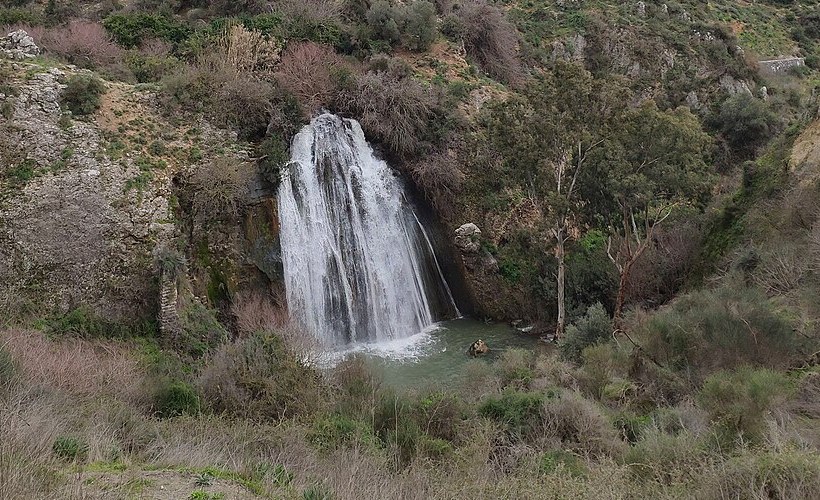
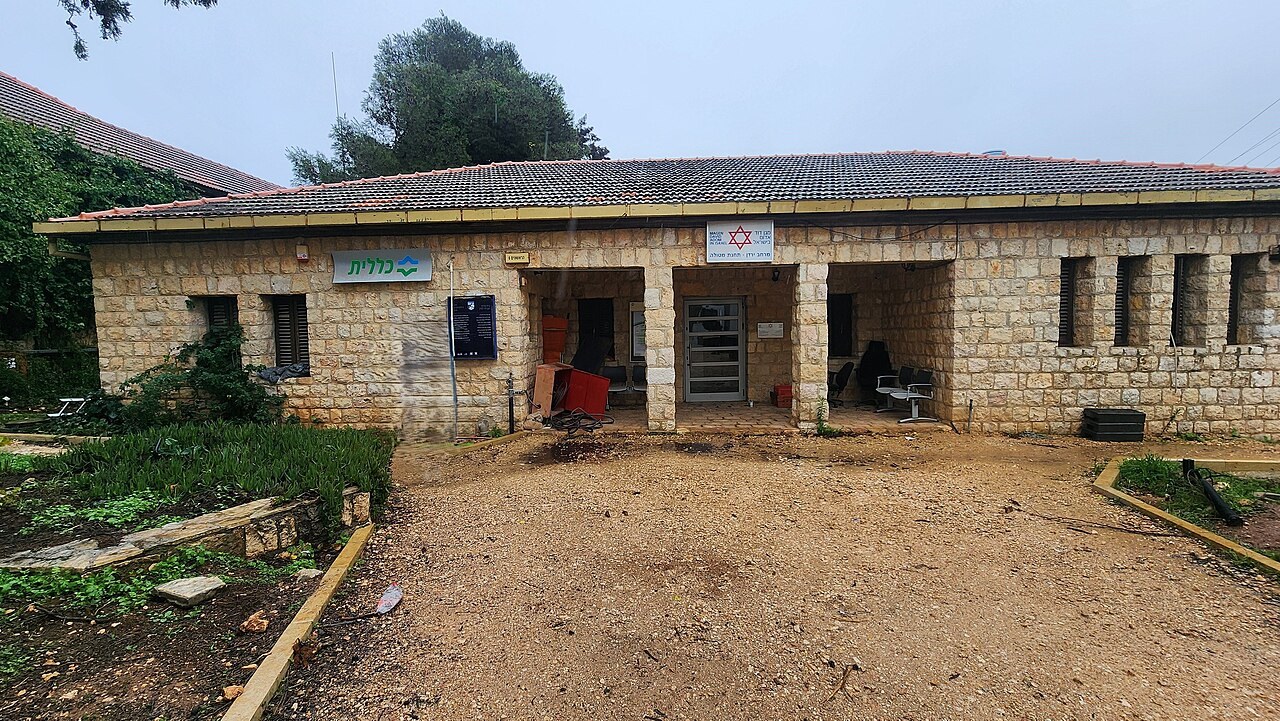
Franz was enchanted by the wild beauty of Tanur Falls in the Iyon Stream near Metula. In the late 1920s, he founded the "Waterfall Association" with young people from the settlement, recruited workers, carved steps and a 70-meter path to the waterfall with his own hands, and persuaded PICA officials to plant hundreds of poplar trees there. Land of Israel scholars consider this project the beginning of the Society for the Protection of Nature. For all these reasons, the council for heritage-site preservation recognized his house as a building to be preserved, and for years it has served as a Magen David Adom station and a Clalit clinic.
Life in the collective did not suit his temperament. His Dutch perfectionism repeatedly clashed with the "it'll be all right" attitude, the irresponsible improvisation and the lack of financial planning that characterized the kibbutz in its early days. In 1924, after his friend Alexander Zaid left, Franz too left Kfar Giladi and moved to Metula.
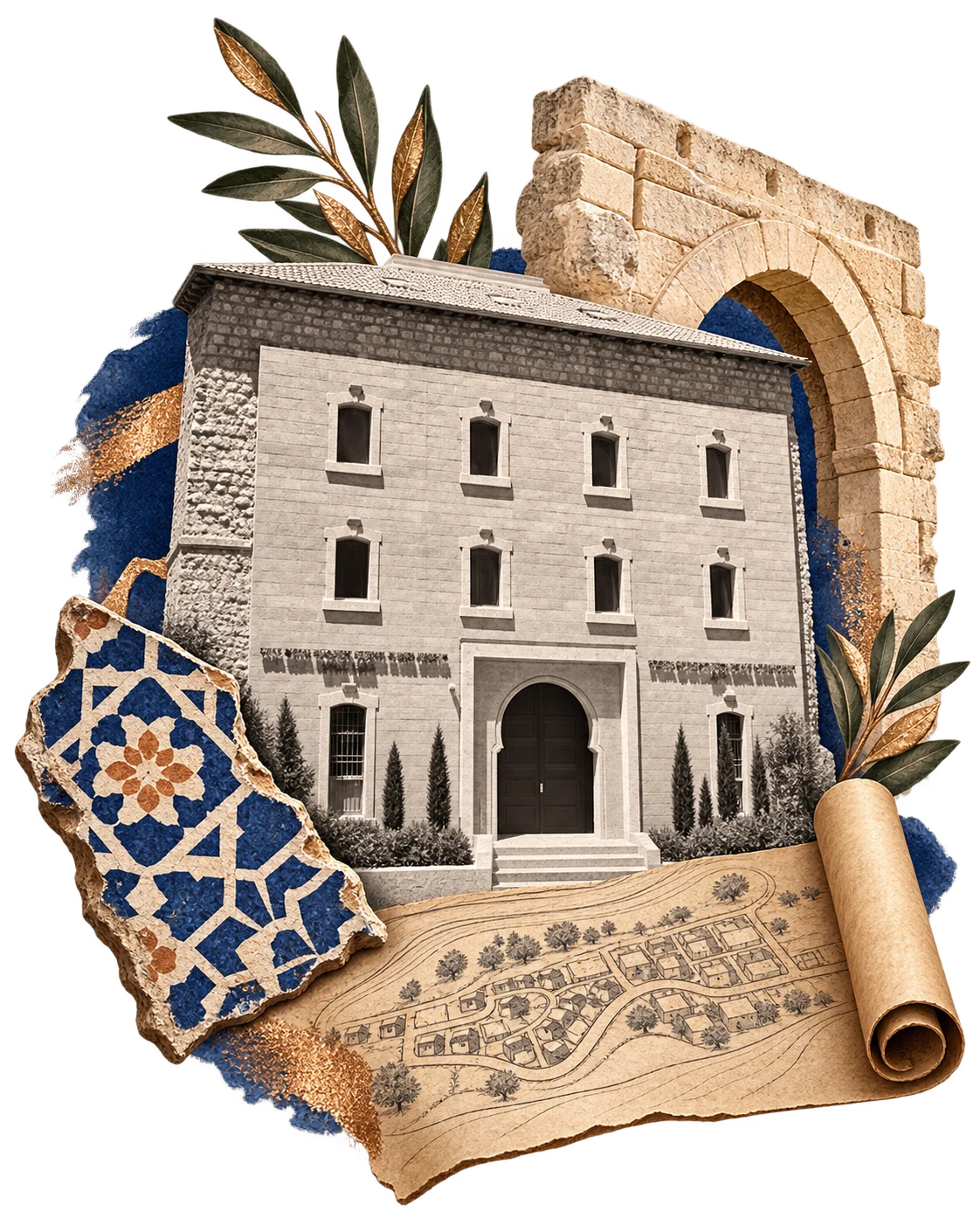
At 6 HaRishonim Street in Metula, he built a beautiful stone house with his own hands, complete with a red-tiled roof and in a carefully executed European style. The house was always alive with culture: it had a hand-cranked gramophone, music drifted from its windows, and many young people and other residents of the settlement would gather there to dance. At the same time, he was appointed agricultural adviser and chief instructor for the PICA company in the Galilee, a beloved teacher who taught generations of farmers the secrets of grafting, planting and pruning.
Family, Identity and Legacy
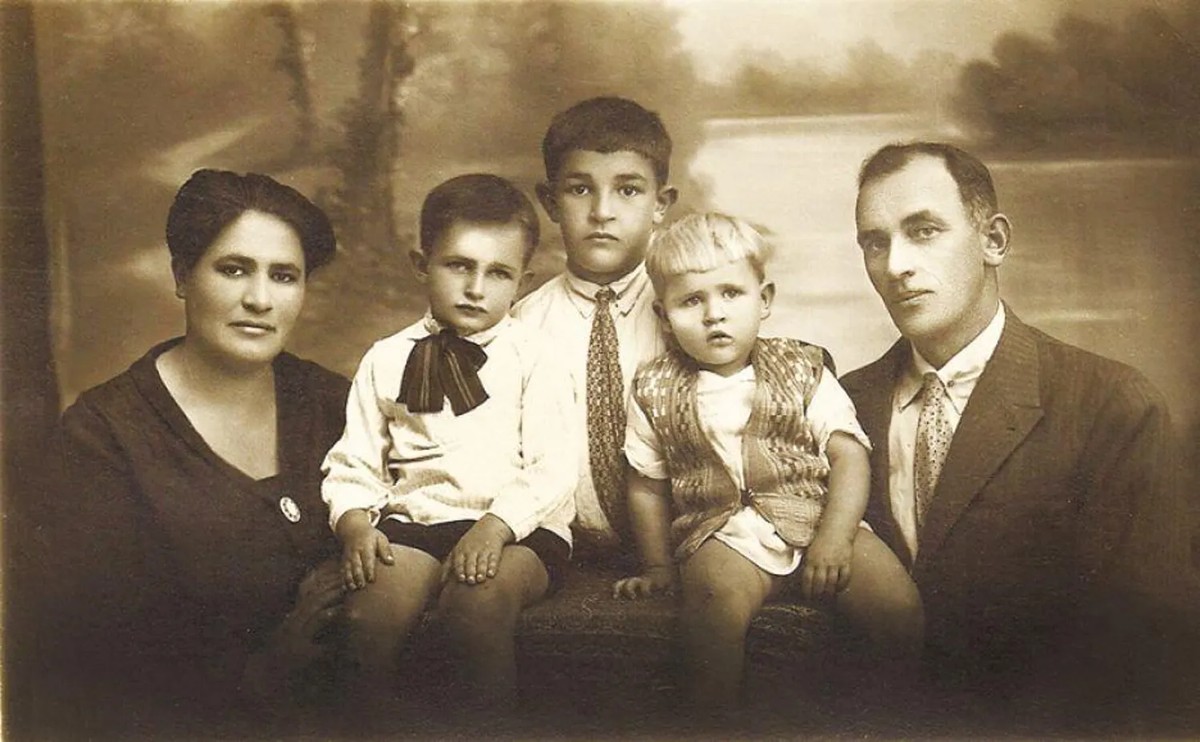
Franz and Tzila had five children, four of whom survived: their eldest daughter (whom Franz wanted to name Jeanne, after the love of his youth) died just hours after birth. Then Jonathan, their eldest son, was born. After his birth, Franz went to rabbis in Safed intending to convert, but in the end he abandoned the idea; he did not need an official stamp to prove his deep connection to this land and its people. After Jonathan came Zvi and Nitsa, and later their son Yifdeh, born in August 1929 in the midst of the severe riots in Safed.
For many years, the mystery of his identity followed him. In the Galilee, throughout his life, he was affectionately called "the Dutch goy." But decades after his death, the granddaughter of his traveling companions uncovered a startling finding in The Hague's population registry: Franz's mother, Maria Magdalena, had been born Sarah van Delden and was a Jew who had been baptized into Christianity. Franz van der Horn, the Tel Hai fighter and Galilean farmer, was Jewish according to Jewish law, without ever knowing it. Perhaps this is the answer to the moving words he wrote to his parents when he was young about "the mystery of my life, the mystery of my love for the Land of Israel."
The late 1930s brought deep sorrow. In July 1938, his dear friend and brother in spirit, Alexander Zaid, was murdered by Arab assailants at Sheikh Abreik. Franz sank into deep mourning and wrote in his diary: "I didn't sleep again last night... That is why Cohen finished the hoeing." Then, out of his grief, he got up, went down to the vineyard and continued teaching the workers of Kfar Giladi how to harvest and pack grapes. Work, the land and planting were a shield for his soul.
In May 1946, on the exact day of his 55th birthday, Franz van der Horn's heart stopped in his sleep at his home in Metula. He was laid to rest in the Kfar Giladi cemetery, facing Mount Hermon and the landscapes that he had transformed with his own hands from barren, rocky terrain into green orchards. Fourteen years later, his wife Tzila died and was buried beside him.
A few years before his death, Franz wrote a clear-eyed, stirring letter to his boyhood friend Mossel, with words that today sound like a lucid, prophetic vision: "We will not reap the fruits of the Zionist enterprise, and perhaps neither will our children, but our children's children may have a chance at a more orderly and peaceful life in the future Jewish state, which will surely be one of the most beautiful little countries on our planet!"
His historic home on HaRishonim Street in Metula still stands today. It has been declared a heritage site for preservation; its red roof still looks out over the Iyon Valley, and the story of the "Flying Dutchman" who landed in the Galilee continues to echo among the apple and cherry trees, beside the waters of Tanur Falls, and in the yellowing pages of the love letters and diaries he left behind.
תגובות
עדיין אין תגובות.