
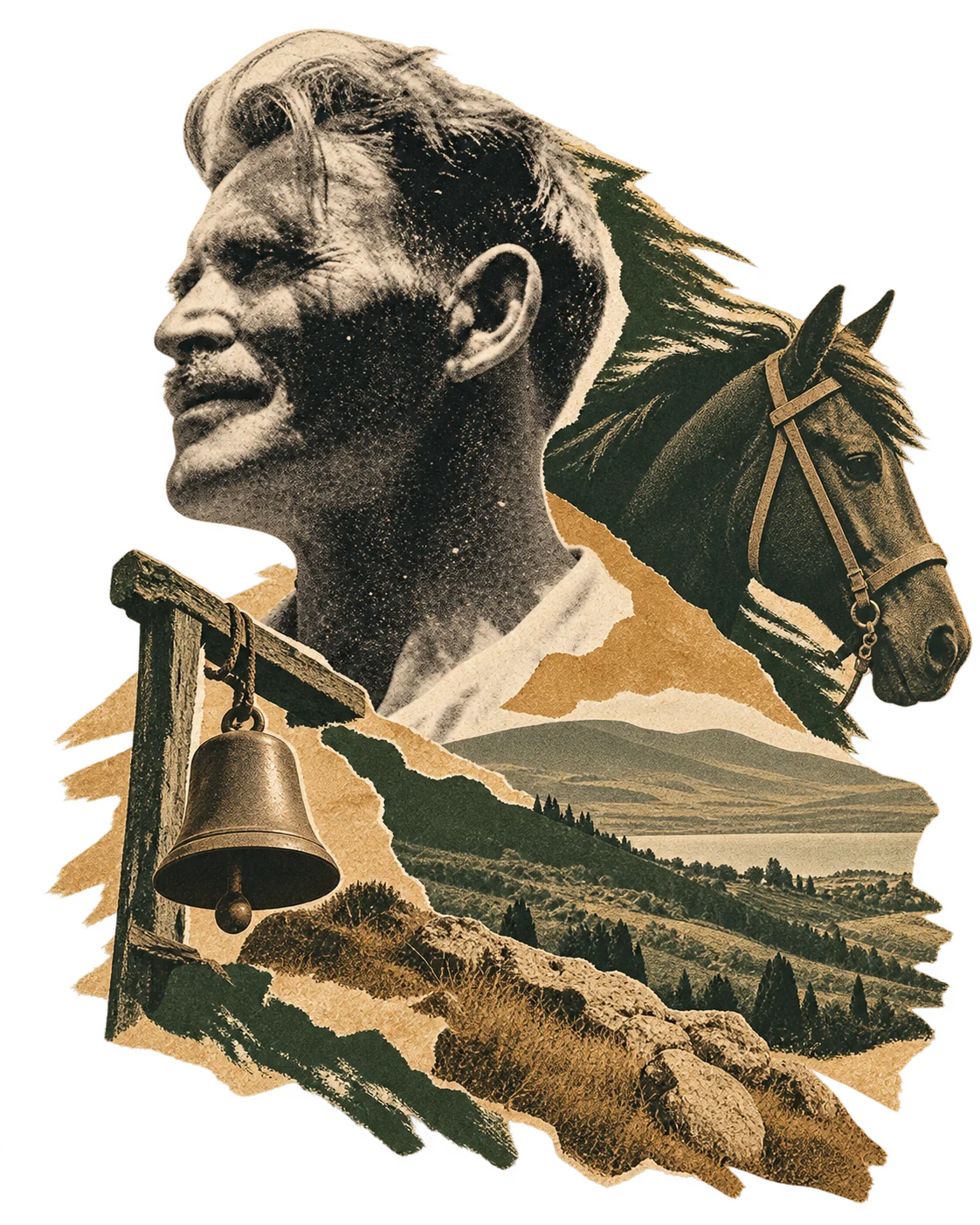
On a hot day in July 1938, the bell summoned the members of Kibbutz Alonim to a meeting. Alexander Zaid, one of the kibbutz's founders and its spiritual and practical guide, wiped the sweat from his brow, mounted his mare, and set out for the kibbutz. A few minutes later, a single shot rang out... Alexander Zaid, 51, was shot in the back and died.
From Childhood in Siberia to Commemoration
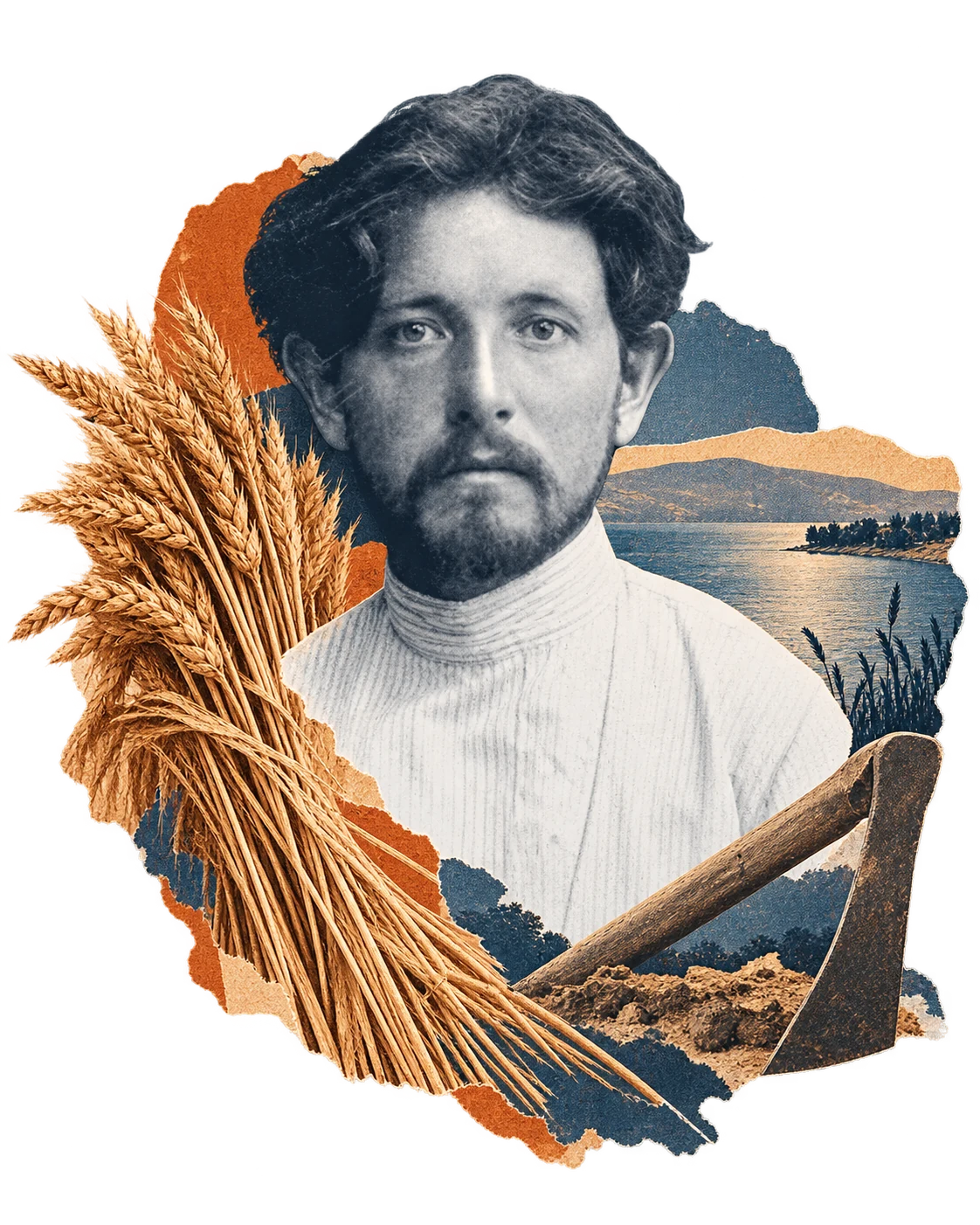
Alexander was born in Siberia in 1886. His father, Isaac Elijah, who worked as a metal caster in Vilna, was exiled to Siberia for 25 years after being accused in court of revolutionary activities. While the family was still in Vilna, his wife and children were murdered by one of the workers at his foundry. After being widowed, Isaac Elijah married Rebecca, Alexander's mother, who came from a Subbotnik family - a family of Russian Christians who had converted to Judaism. Alexander was born strong and stubborn, with sharp features like a Russian peasant, and, like one, grew a magnificent mustache.
When Alexander was four, his mother died of an illness, and his father married for the third time. His new wife adopted Alexander as her son, and the family returned to Vilna (now in Lithuania). When he was 15, he was orphaned by his father's death. As the new head of the family, responsible for its livelihood, he began running his father's foundry.
On the hill, not far from Sheikh Abreik's tomb, hundreds of mourners gathered in the heavy July heat. Galilee farmers in khaki hats, members of moshavim from the valley in blue overalls, members of the Hashomer Association, and many young people who saw him as a hero and found inspiration in him. The leaders of the Jewish community at the time were also among the mourners: David Ben-Gurion, Berl Katznelson, Yitzhak Ben-Zvi, Mania Shohat, Dov Hoz, and Eliyahu Golomb. They passed the coffin, which had been placed in the large room of the house, then made their way to the grove on the hill to pay their final respects to a man who had become, even in his lifetime, a symbol of courage, honesty, love of the land, and national pride.
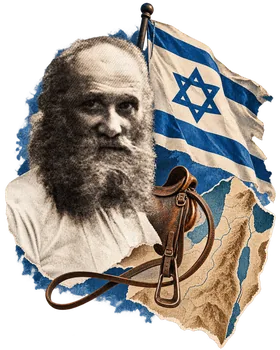
In 1901, Michael Halperin, with his great beard and blazing eyes, came from the Land of Israel to Vilna. He described his dreams to Vilna's spellbound young people: dreams of heroism, courage, and the creation of an army of brave men in the Land of Israel. From among the members of Hapoel Hatzair, Halperin selected a group of thirty strong young men, including Alexander Zaid. On Saturdays, the group went into the forests for physical training, but they also learned how to defend and attack. When training ended, they sat in a circle and Halperin urged them to abandon the customs of Jews in exile, change their clothes, hairstyles, and language, and immigrate to the Land of Israel. Inspired by Michael Halperin's words, Alexander Zaid decided to immigrate to the Land of Israel.
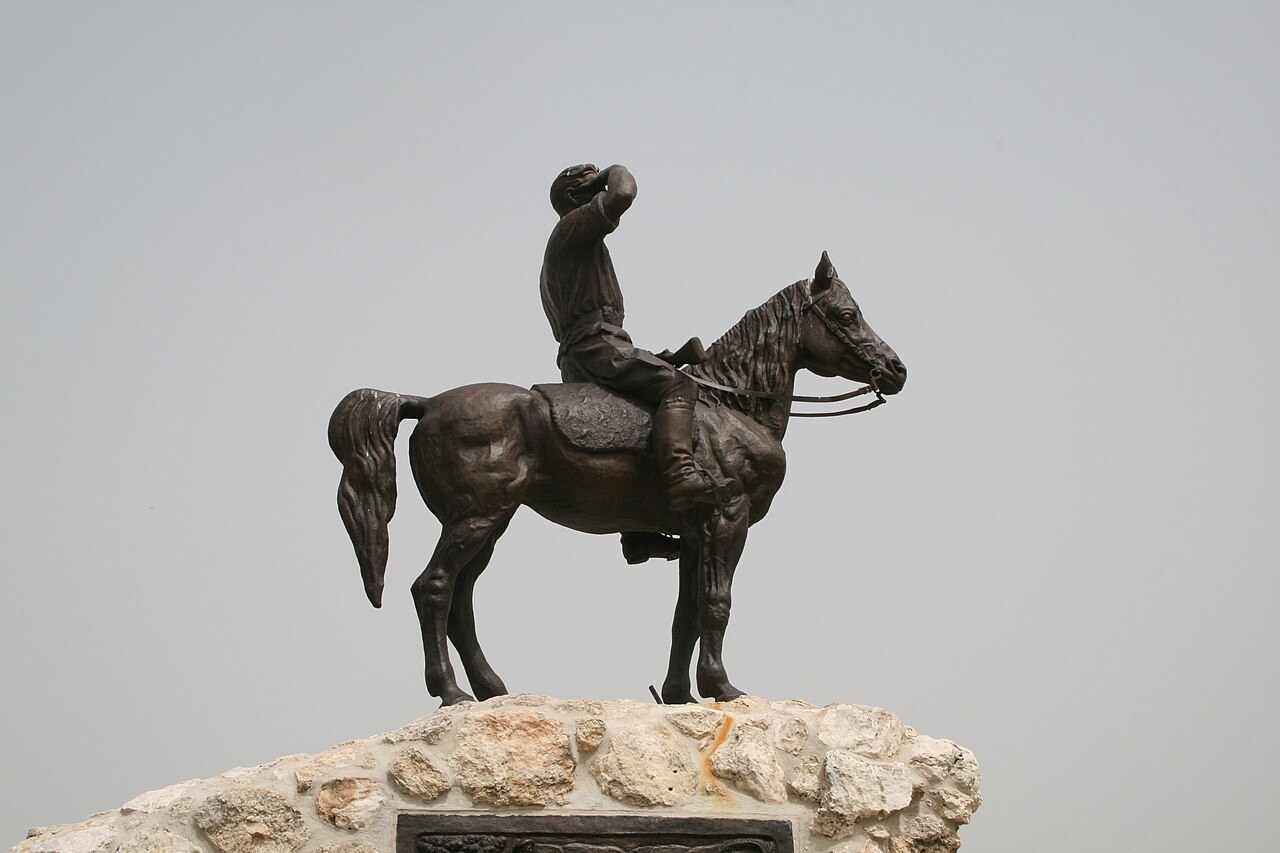
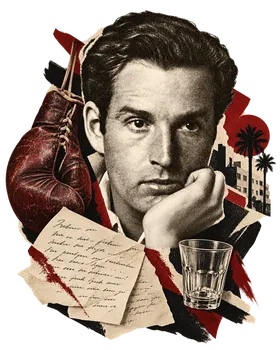
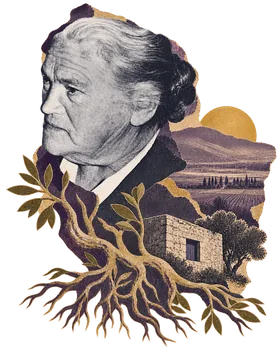
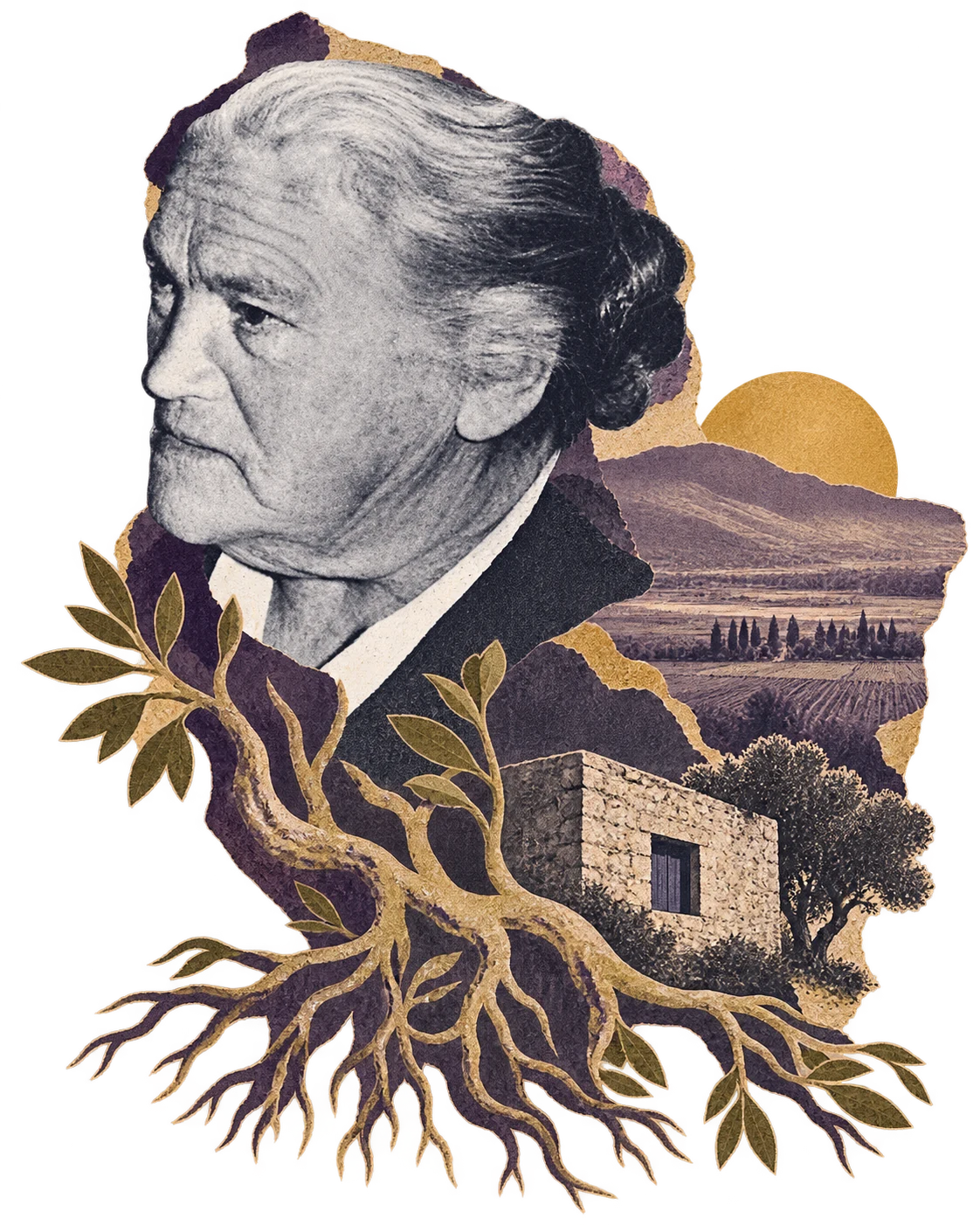
Thirteen years after the funeral, a statue of Alexander Zaid on his mare stood atop the Sheikh Abreik hills, looking out over the valley he loved and had guarded. A ceremony was held at the foot of the statue. A small woman with her white hair tied back fired her pistol into the air and asked who was named after Alexander and celebrating his bar mitzvah that day. "That's Tzipora Zaid," the boys whispered. Dozens of them, in blue shirts, came over to her and received a copy of Eliezer Smali's book Anshei Bereshit, telling the legend of Alexander Zaid, as a gift. At the end of the ceremony, the boys sang Alexander Penn's song "On the Hills of Sheikh Abreik": "My earth, my own earth, / Tender until my dying day, / A great wind set your parched land seething, / A great wind set it seething. / I was betrothed to you in blood, / Blood that reddened and fell silent, / On the hills of Sheikh Abreik and Hartiya!"
Aliyah and the Meeting with Tzipora
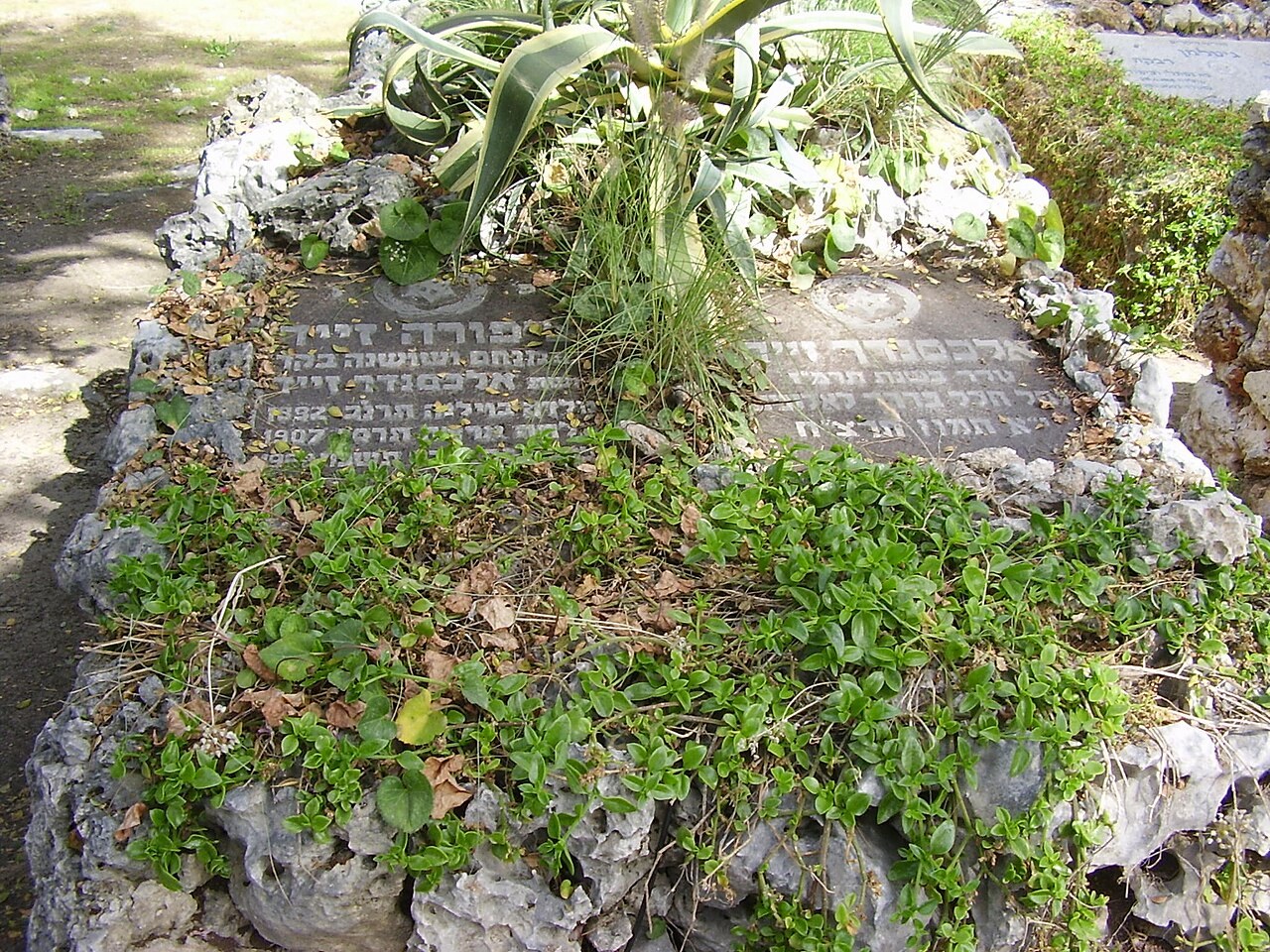
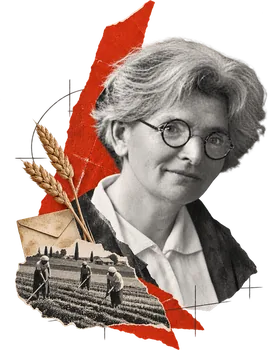
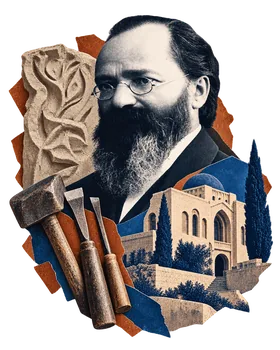
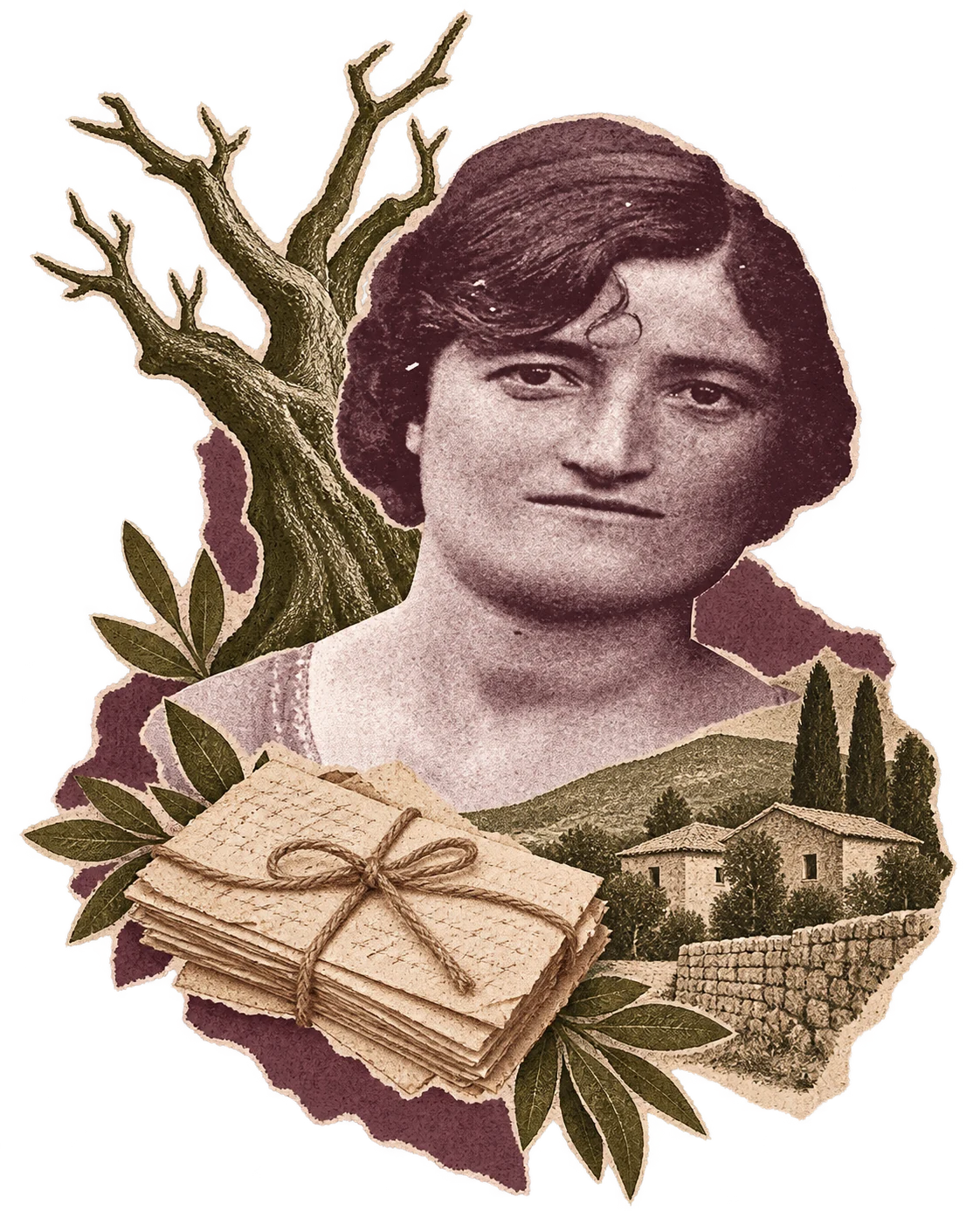
Alexander Zaid immigrated to the Land of Israel alone in 1904, at the age of 18. Immediately upon arrival, he was arrested because he did not have the proper documents. He was released after paying a bribe and went to work at the winery in Rishon LeZion, where he met Israel Shohat. Like Michael Halperin, who dreamed of shaping the Jewish fighter, Shohat wanted to establish a group of Jewish watchmen to guard the Jewish colonies. From Rishon LeZion, Alexander went to work guarding the vineyards of Zikhron Ya'akov with his friend Yehezkel Hankin. From there, they went to work in Ben Shemen at the Atid soap factory, established by Nahum Wilbusch, Mania Shohat's brother. After leaving Ben Shemen, the two moved to Jerusalem and met Boris Schatz, who had founded the Bezalel art school. There, they learned stone carving and posed nude for the students. In Jerusalem, Alexander joined Yitzhak Ben-Zvi's commune, where he met his future wife, Tzipora, who had arrived in the country from Vilna with her sister Kayla. Years later, he would write in his diary: "On the evening of the lecture, I met Tzipora and formed a friendship with her. I didn't dare hope that she would stay in the Land of Israel. She supported Jewish autonomy in the Diaspora. The next day, the sisters (Tzipora and Kayla) came to visit our shared apartment, where a group of stonecutters lived. They tasted our 'beyblach' (beans), and liked the way we lived... The thought of her returning to Russia saddened us both. In the end, the Land of Israel and I won her over - and she decided to stay." Her sister Kayla married Israel Giladi.
After it was established beyond any doubt that Qassem al-Tabash was the murderer, a decision was made to avenge Alexander Zaid's death. In 1942, the Haganah sent a squad of fighters to the tribe's encampment to carry out the revenge. The squad was led by Yitzhak Hankin, son of Yehezkel Hankin, Alexander Zaid's close friend. When they reached the tent, Hankin asked in fluent Arabic, "Who is Qassem al-Tabash?" When Qassem raised his hand, Hankin drew Alexander Zaid's pistol, shot him, and killed him.
On Simchat Torah in 1907, Israel Shohat, Israel Giladi, Yehezkel Nisanov, Yehezkel Hankin, Zvi Becker, and Alexander Zaid gathered in Yitzhak Ben-Zvi's room in Jaffa and decided to establish the Bar Giora organization, whose aim was to take responsibility for guarding the Jewish settlements. The organization adopted the slogan, "Judah fell by blood and fire; by blood and fire Judah shall rise." Its members joined the first collective established by Mania Shohat in Sejera (Ilania). Two years later, they founded Hashomer in Mas'ha (Kfar Tavor). Alexander Zaid worked as a watchman in Karkur and Sejera, then went on to guard at Milhamia (Menahemia), Yavne'el, Hadera, Rehovot, and Rishon LeZion. In 1913, he moved to Tel Adashim.
Between the founding of Bar Giora and Hashomer, Alexander Zaid began keeping a diary: "For the first time, I am beginning to write my diary. Keeping a diary has become a need for me. I want to consider my thoughts and the day's impressions in it. To write them down, and perhaps someday in the future to look over these notes, the days gone by... I am embarrassed at the thought of someone reading these notes, but I don't understand what there is to be embarrassed about. Tzipora is working in the vineyard today, and of course she'll bring me grapes." The romantic Alexander Zaid loved Tzipora passionately and saw her as his soulmate: strong and courageous, a skilled horsewoman and a woman of action. At the same time, he saw her as his opposite, steady and practical: "I miss Tzipora. She never leaves my thoughts... Many times I dream that Tzipora leaves me forever, abandons me. I wake with a heavy heart, wishing at least that I could see my beloved at once. Love is the most delicate feeling in a person."
After 15 years of marriage, he wrote: "Tzipora appeared like a dove, a warm, caressing sun, without a word." Alexander was also proud of Tzipora's friends: "Krauze considered our girls the best. They did every kind of work, plowed with oxen... Through their own will and energy, they made their way in this new profession. They left the stifling kitchen for the fields and saw the difference between domestic work and the freedom of working in the fields." In some passages, he signed his name A. Mashi (Zaid in Yiddish); elsewhere, he called himself Abu Giora, after his eldest son, who was named for the Bar Giora organization.
Bar-Giora, Hashomer and Tel Hai
In 1913, about a year before the outbreak of the First World War, the village of Tel Adashim was established for members of Hashomer. Famine spread through the country, and a dispute broke out among the group. One faction argued that Tel Adashim should be a home for all the watchmen. The other, led by Shmuel Hafter, Haim Sturman and his sisters, and Eliezer Karol, argued that the farm could support only the permanent workers, and no more. Alexander Zaid sided with his friend and brother-in-law Israel Giladi. By a majority of one vote, it was decided that Shmuel Hafter's group would leave Tel Adashim.
The group was offered the chance to settle the Hamara lands, south of Metula. "We always dreamed of a settlement established on high, elevated ground," Zaid wrote in his diary at the time, "and now we can make our dream come true." This nucleus founded the settlement of Bar Giora. Life at the northern outpost was very hard. Israel Giladi appealed to the institutions for funding, equipment, and help, but when he was exhausted and his strength failed him, he died. "After Giladi's death, I had not a single close friend left," Alexander wrote sadly in his diary. The village of Bar Giora was renamed Kfar Giladi.
Kfar Giladi was made up of three groups of families: former members of Hashomer, the widows of watchmen, and young members of the Labor Battalion who had joined the settlement after the Tel Hai events. The young people brought a different spirit. They flouted convention and, according to Alexander, neglected their work and lived by the principles of free love. "Shohat found Kfar Giladi an intelligentsia of its own: high school graduates, some of them drunken Turkish officers, nearly all lazy, a degenerate element. They introduced licentiousness in Kfar Giladi, and Shohat himself supported them in this. Family life in Kfar Giladi was almost completely destroyed; family dramas began when the chivalrous high school graduates stole their friends' wives."
At that time, the Jerusalem teacher Eliezer Smali arrived in Kfar Giladi and lived there for about two years, until conflicts began among the members and he left. Years later, Smali won the Bialik Institute Prize for Children's Literature for his book Anshei Bereshit, which recounts Alexander Zaid's life.
An underground group called the Secret Kibbutz began operating in Kfar Giladi. It supported Russia and began organizing security matters without coordinating with the Haganah at all. Alexander Zaid disapproved of the communal education system, which Kfar Giladi was among the first to adopt, and the family was "pushed out" of Kfar Giladi, the settlement founded by Alexander and Tzipora and named after his brother-in-law.
In 1924, the family moved to Tel Hai. Alexander Zaid plowed, sowed, and grew a special variety of hull-less barley (still known as "Shibolet Zaid"), but he found no peace there either. The settlement was small and poorly resourced, and Kfar Giladi was working to annex it. Alexander Zaid tried to prevent the merger, and when the people of Kfar Giladi tried to take it over by force, a violent fight broke out between Zaid and his former comrades. After appealing to Ben-Gurion to intervene and prevent the merger, Ben-Gurion arrived in Kfar Giladi and ruled that the Secret Kibbutz was an underground organization. Its members were expelled from the Histadrut. To calm things down, the Zaid family was required to leave Tel Hai. At the age of 40, a father of four, after 22 years of guarding and labor, Alexander Zaid was left with nothing - no home, possessions, or friends.
In August 1926, the Zaid family moved into a shack near Haifa. Then salvation came in the form of an offer to join the shepherds and guard the lands of Sheikh Abreik. Alexander wrote in his diary: "I don't know whether Tzipora will agree to live with the shepherds, once again in Arab huts, huts like the ones in Karkur before. The ceiling is always crumbling; in winter it is damp, water drips from above, there are no windows, and everything is dusty and smoky. There are holes everywhere, full of all kinds of little flies. There is no water on the site." The family went through difficult years in the hills, where they endured no small amount of harassment from the Bedouin. But just as life began to settle into a routine, a delegation of friends from Kfar Giladi arrived and asked them to return. Alexander refused: "To my dying day, I will not forget what you took from me. But now, great dangers are hanging over our people, and our personal interests are nothing."
The Stone House and Commemoration
In 1931, construction of the stone house at Sheikh Abreik was completed. Some members of the family still live in the building today. Friends from all over the country took part in its construction, including the Hevre Trask group from Tel Aviv, former members of Hashomer and their sons, writers, and poets. The housewarming ceremony was a well-attended event and was covered in the press. Alexander Penn wrote at the time: "This house is nothing but a symbol, like a flag rising above this hill toward the youth who dare to climb... Here the idea of labor and conquest is woven with threads of beauty and the charm of nature." Not far from the house, Alexander Zaid discovered archaeological remains indicating the presence of a Jewish settlement, and his joy knew no bounds - he was the one who began the excavations at Beit She'arim.
On July 10, 1938, his faithful mare returned alone to the family home at Sheikh Abreik. They then understood that a great disaster had occurred. When Tzipora's children asked what they would do now, she answered: "We will continue along Father's path. We will stay on the hill and not leave it."
תגובות
עדיין אין תגובות.