
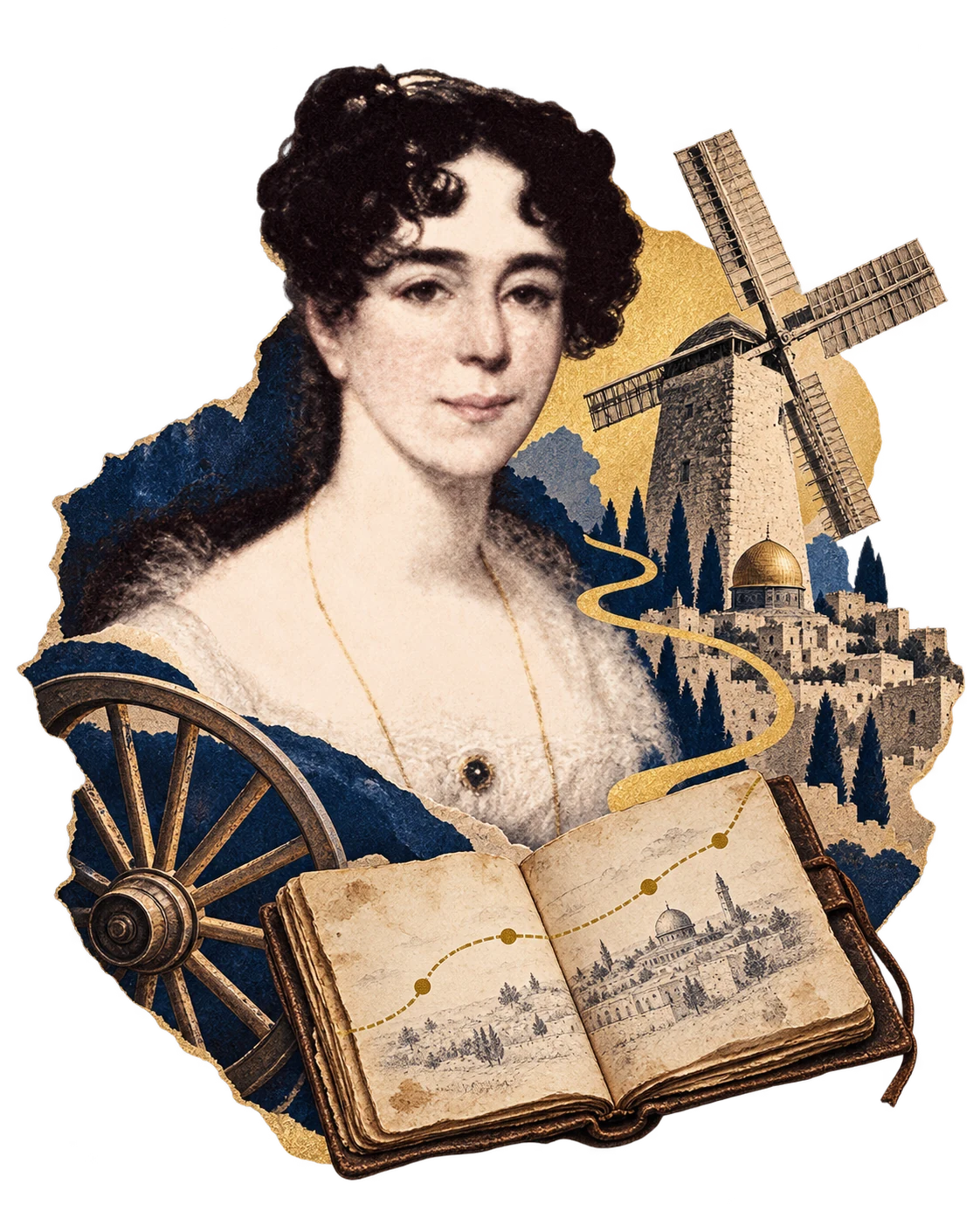
She was a privileged young woman who could have spent her life in comfort, but nevertheless chose to risk her life for the Land of Israel.
They were considered a glittering couple: the renowned Moses Montefiore and his wife, Judith. It may be a mistake to call her his "wife"; perhaps it would be more accurate to call him her husband, since she brought the great wealth to their marriage, along with her composure, boldness, courage, and great wisdom. Judith was a British lady who knew how to adapt to the sweltering Middle Eastern summer. She knew how to ride horses and handle a pistol; she met with kings and the pope, and, as a woman, was allowed to sit in the men's section of the synagogue and even brought in a Torah scroll.
The Cohen Family and the Montefiore Marriage
Judith was born in 1784 into one of the wealthiest families in England. Her life and her husband's can be traced in a two-volume book published in London in a limited edition under the title Diaries of Sir Moses and Lady Montefiore. The biography was written by the couple's confidant and adviser, Dr. Eliezer Halevi, who accompanied them for some forty years and joined them on thirteen different journeys around the world.
The book's first chapter opens with Judith's distinguished family background: "There was a Jewish man in London, named Levi Barent Cohen. He was a wealthy merchant from Amsterdam by birth, who came to settle in London on account of his business. Success smiled upon him in his new country of residence, until he became one of the wealthiest Jews in England... and clung with all his heart and soul to the laws of his faith. His temperament was gentle and kind; he loved people and drew them close... His first wife, Fanny, daughter of Joseph Diamantshleper of Amsterdam, bore him two sons and one daughter, who established great households among the Jews of England and Holland. After his first wife died in her prime, he married her sister, Lydia, who bore him two sons and five daughters. (One son, Isaac, later became the father-in-law of Baron Mayer Rothschild.) All five of his daughters married men of great standing among England's Jews: the eldest, Hannah, married N. M. Rothschild (founder of the Rothschild house in London), and the second, Judith, married Moses Montefiore."
He described Judith: "Even in childhood, she distinguished herself through her admirable qualities, one of which was moderation and composure. When everyone in the household was shaken and frightened by an impending calamity or a sudden fear, Judith remained calm and serene, and her courage never left her... From her earliest childhood, Judith was given an excellent education, and she excelled particularly in the study of foreign languages. She soon learned to speak French, German, and Italian fluently; she also acquired a sufficient knowledge of Hebrew to understand the prayers and most of the portions read on Sabbaths and festivals."
At that time, women were considered emotional and incapable of making weighty decisions. Against this backdrop, Judith was regarded as a calm, brave, and decisive woman. Her being unmarried at the age of 29 was also unusual for her time, when girls married at 14-16. Some attribute her single status to a slight disability in her leg, while others attribute it to her strong-minded nature. Just when it seemed that this was to be her fate, Moses Montefiore arrived from Italy.
Unlike Judith, who came from the upper class, Moses was from a middle-class family. He finished his education at the age of 10 and was far removed from religion. Nevertheless, they complemented one another, and they married in 1812. Their marriage caused a great stir in the world at the time, since Moses came from a Sephardic family, while Judith came from an Ashkenazi family, and marriages between the communities were not customary then. Perhaps that was precisely why theirs was such a successful marriage. This is what Moses wrote in his diary on their 32nd wedding anniversary: "Today, 32 years have passed since the day on which the Almighty, the God of Israel, in His great goodness, granted me dear Judith as my wife. I must thank the Lord for this great kindness, which has been the source of my happiness in life. From the first day of our union until this day, I have always found new reasons to love and honor my wife more and more."
Judith wrote of his growing religious observance: "I had no idea how happy I would be when I discovered that my dear Monty was inclined toward piety." Every evening the two studied Hebrew, and Judith was careful to speak Hebrew even in England. With dozens of journeys around the world and a wealth of shared experiences, their relationship grew even closer.
Moses and Judith made their home in Ramsgate, on the southeastern coast of England. The house was bought mainly because of the greenhouse beside it, which was considered the most beautiful in England. Even Queen Victoria, while still a princess and a child, had a key to the Montefiores' greenhouse.
The Journeys to the Land of Israel
The first journey to the Land of Israel, in October 1827, was Judith's idea. They traveled on horseback, as the roads were not suitable for carriages, and the journey lasted about ten months. They spent only about a week in the country, with Jerusalem as their final destination. When they arrived in the city, they found neglect, filth, and poverty. Nevertheless, Jerusalem took hold of the Montefiores' hearts, and the two became devoted to the city. Judith, who was infertile, visited Rachel's Tomb many times and felt a kinship with Rachel. She made a point of restoring the tomb, which was a place of pilgrimage for many, and her own tomb was also built in the likeness of Rachel's Tomb. After their first journey, the couple adopted a strictly Jewish way of life and took a ritual slaughterer along on their journeys around the world, so their second journey was already an improvement in culinary terms.
Their second visit took place in the scorching summer of 1839, when cholera was raging everywhere. Judith and Moses set out on this journey with a plan for settlement that had taken shape under the influence of Dr. Eliezer Halevi, Moses's secretary, who had already visited the country. In her diary of this journey, Judith wrote the word "quarantine" 38 times. They left London on November 1, 1838. When they reached Malta, then a major international port, they heard from travelers arriving from Israel that cholera had spread through Jerusalem and Jaffa and killed many people. This information led Judith and Moses into a heated argument over whether it would be right to continue the journey together. Moses wanted to continue alone so as not to put Judith at risk, but she refused, reminding him of the biblical Ruth, who did not leave her mother-in-law Naomi.
Armed with a medical certificate they had obtained in Malta, the Montefiores continued their journey eastward. But when they reached Jaffa, they could not disembark because the port had been closed due to the epidemic, and they had to continue north. In 1839 they arrived in Beirut. Before setting out south for Jerusalem, they bought four tents for themselves and their entourage. They set off in a large caravan on horses and mules, and in May 1839 they reached Safed. They found Safed in ruins. In 1837, the city was destroyed and more than 2,000 Jews there were killed in an earthquake; in 1834, the city was devastated by Arab rioters.
The Jews of Safed asked not only for money, but also for a future. They presented Montefiore with a plan to buy land, which they would lease, cultivate, and live off its produce. Montefiore was enthusiastic about the plan and met with Muhammad Ali, the ruler of Egypt, in Alexandria, where he discussed the possibility of leasing land. This was the first political negotiation for Jewish settlement in the Land of Israel. The negotiations bore no fruit, since the Egyptians left the Land of Israel a year later.
On this journey, Judith was nicknamed "the General" because she rode sidesaddle and carried a pistol. The descriptions in the travel diary reveal their discovery of the country's beauty. Just as people do today, they took advantage of their visit to Safed to visit the graves of the righteous: "We went to see the tomb of Hillel the Elder. This tomb is one of the most delightful sights I have seen in the Holy Land. The tomb is a cave within a cave, and a spring of clear water flows between the two caves. Near the tomb we saw very beautiful marble pillars rising from the ruins of an ancient synagogue. The ashlar stones are very beautiful and very large." Moses described the city this way: "From all the information I have gathered, I have concluded that the surroundings of Safed are extremely well suited to the establishment of Hebrew colonies, for there are ancient olive groves, vineyards, pastureland, many springs and good water; also figs, walnuts, almonds, mulberries, and so on, as well as fields of grain: wheat, barley, and lentils. In short, this is land that will yield an abundant harvest." On the way south from Tiberias, they had already realized that the country was nothing less than paradise: "This stretch of land is densely populated, and its inhabitants are industrious farmers, with many horses, sheep, and cattle. There are also many ancient mulberry trees in this place. I have never seen land so fertile and beautiful, and we may rightly call this place paradise."
One day, Moses Montefiore was invited to honor the dedication of a synagogue and the introduction of a Torah scroll. But since he was ill, he sent his wife Judith in his place. Her arrival surprised those present, since a woman would now stand before the Holy Ark. The gesture moved Judith: "We were asked to attend the dedication of the new synagogue this evening, on the eve of the festival of Shavuot. My dear Montefiore asked me to go there... I was glad when they told me to come to the house of the Lord... The synagogue shone with a splendid light and was adorned with wreaths of blossoms and flowers; a seat had been prepared for me facing the Holy Ark." Judith traveled around the Land of Israel in the scorching heat of June. Apart from complaints about the flies, she was enchanted by it. The author Mark Twain (writer of Tom Sawyer and Huckleberry Finn) was also traveling in the country at the time, and, unlike Judith, described it as desolate and ruined.
On their second journey, too, Judith made a point of visiting Rachel's Tomb: "With heavy hearts we left the Mount of Olives to go to Hebron, and three hours later we came to Rachel's Tomb. When Judith saw that the tomb was unstable and in danger of collapsing, she ordered a new canopy to be built over it at her own expense."
The community in the country valued the donations of Judith and Moses Montefiore, and the newspaper HaMagid published this notice: "I sing of Sir Moses Montefiore and his wife, who gave generously; you sowed boundless wealth, the seed of charity. May you eat the fruit of the tree you planted here in life, this tree. Though it grows old, its fruit will still appear from the rain of your generosity. Blessed are you, Moses and Judith, virtuous woman, blessed are you, seekers of goodness, kindness, and truth day and night. May your plantings bear fruit like a fruitful vine; blessings from heaven upon your head, Judith, crowned with heaven's bounty and dew. Pure of soul, and may the Creator, who blessed Moses like the sun, bless you. When its shadows lengthen, may it still spread light and healing in the congregation."
In 1846, the first Jewish cookbook in England was published under the title The Jewish Manual: Practical Information in Jewish and Modern Cookery. The author's name is unknown, but the book notes that the writer was a lady, and in England at the time few Jewish women held the title of Lady... In addition to being a Jewish cookbook that made it possible to prepare high-quality, delicious food while observing strict kosher rules, it was a guide for the middle-class Jewish housewife, who had at least one maid to help manage the kitchen, the household, and her personal grooming. According to the book, anyone who followed it was guaranteed domestic happiness and successful social interactions. The book included one recipe that revealed the author's identity: "Soup from the Land of Israel in Palestine." And Judith was the only British Jewish lady to have visited the country at that time (the recipe for Soup from the Land of Israel in Palestine is included for those interested).
Initiatives and Donations in the Land
The Montefiores visited the Land of Israel seven times. These were expensive and even dangerous journeys, but despite the risks involved, Moses and Judith chose to make them because a romantic and messianic spirit stirred in the couple's hearts. The plans they made together for the country's future were far-reaching. They wanted to make the country a magnet for immigrants from all over the world, who would make the wilderness bloom and write a new chapter in the history of the people and the land.
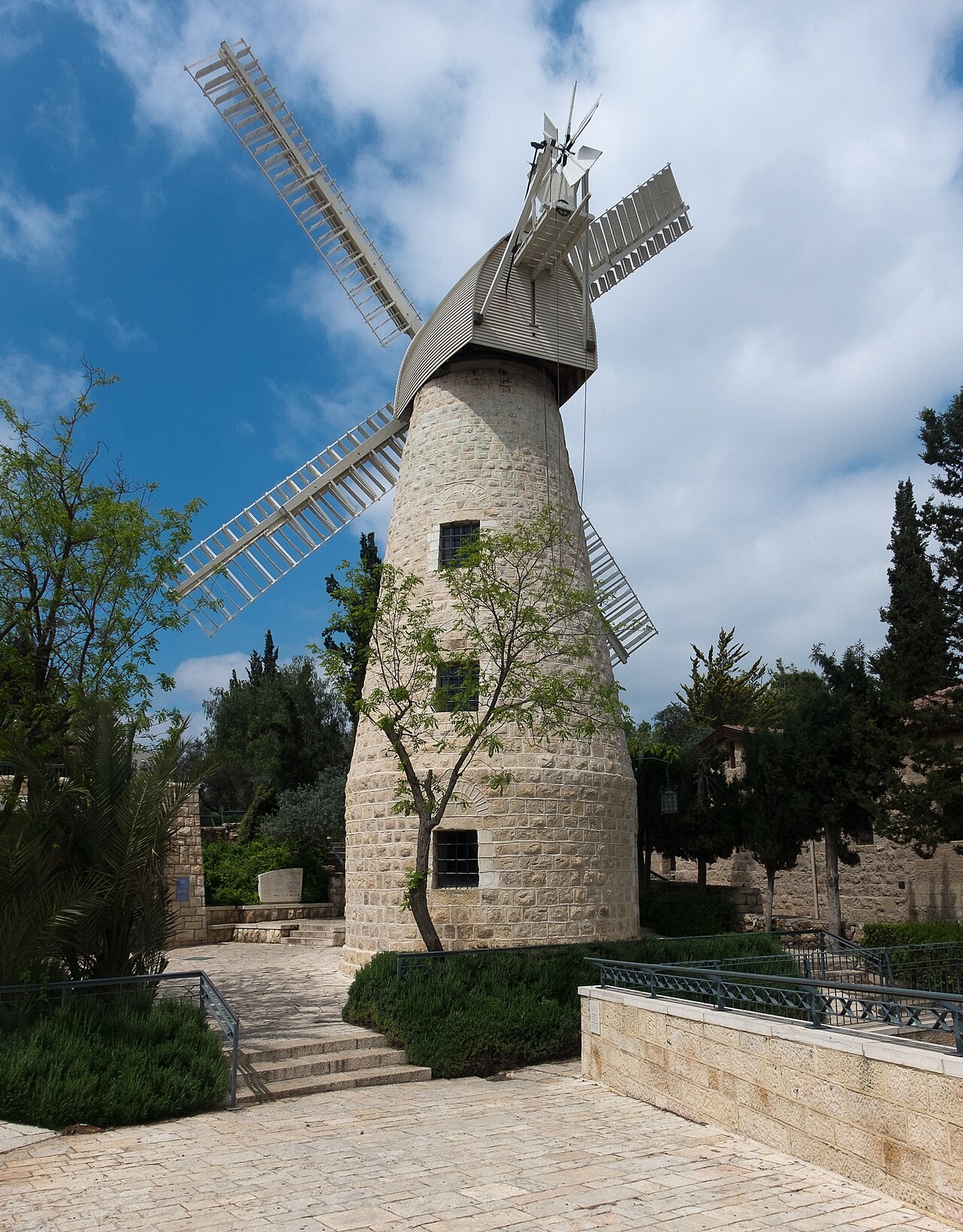
At a time when the Jewish community in Jerusalem lived on funds from the halukka, some thought differently. Rabbi David Ben-Shimon, known as the Tzuf Dvash and the leader of the Moroccan community at the time, was the first to establish a Jewish neighborhood outside the walls: Mahane Israel. Like Rabbi David, Moses and Judith Montefiore were also "firsts." They brought Jerusalem its first pharmacist, Yehoshua Wolfenson, to provide medicine for the community, and established an educational institution in the city. They founded a neighborhood outside the walls and set up a flour mill there, operated by Ze'ev Wolfenson (builder of the Hurva Synagogue), a relative of Yehoshua Wolfenson the pharmacist. They encouraged production, work, agriculture, and industry, and anything else that would prevent dependence on halukka funds.
Judith's Final Years
Judith's final days in the summer of 1862 are described with immense sorrow: "Montefiore celebrated his silver wedding anniversary with his wife, and, of course, linked the occasion to a celebration marking the completion of a Torah scroll. Despite her weakness, Judith rose from her bed to see the final letters of the Torah scroll being written. In September, Judith's illness worsened. Prayers were held for her in all the synagogues, and Montefiore gave much charity to the poor. 'She bore her suffering with the patience of an angel of the Lord,' Montefiore wrote in his memoirs. When Moses returned from the synagogue on the eve of Rosh Hashanah, he approached the ailing Judith to bless her, and she too laid her hands on his head to bless him, then sent him to the dining room to recite the blessing over the wine. But he had scarcely finished saying the Kiddush when the doctor, who had sat beside the sick woman day and night, came to tell him that the end had come. Montefiore and all those present hurried to the sick woman's room to say the Vidui with her, and Judith's pure, generous, pious soul ascended to heaven."
When Judith died at the age of 78 and was laid to rest in Ramsgate, all the ships in the harbor lowered their flags to half-mast. Her death and funeral were covered in all the newspapers in Europe and the Land of Israel: "On Sunday this week, all the shops were closed. There was profound mourning among all the city's residents [meaning London]. Even in Christian places of worship, the priests mentioned the name of this beloved woman, worthy of blessing, in their sermons. Who could take in and contain the sum of her admirable qualities?"
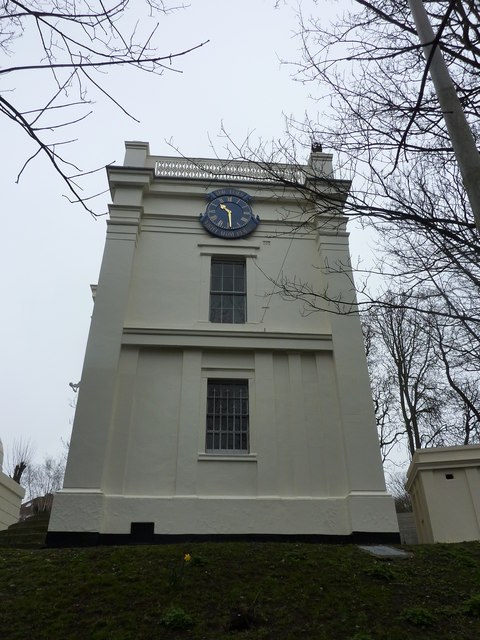
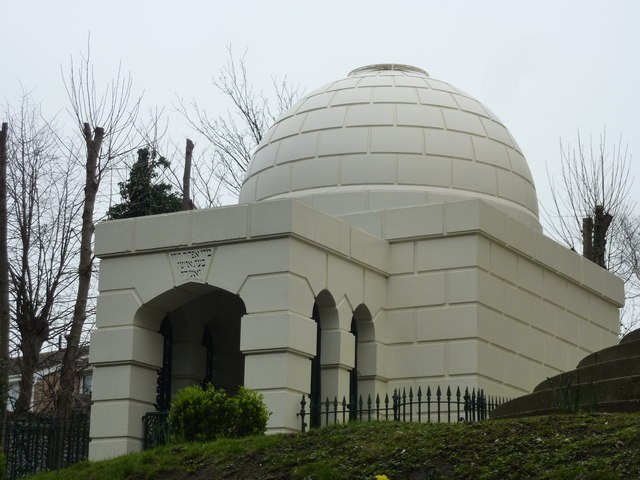
Moses Montefiore carried out his late wife's wishes, as the book relates: "To fulfill the wishes of the deceased, Montefiore sent more than three hundred and sixty gifts and donations to her relatives and acquaintances, to synagogues and schools, and to various charitable institutions in England and abroad. He also asked Hebrew poets to compose an inscription for her gravestone. Five months after her death, her husband erected a large canopy over her grave, with a dome on top, modeled on the canopy over Rachel's Tomb on the road to Bethlehem."
Judith's death plunged Moses into depression, and he said, "All the time I try to think what she would have said to do." Moses continued his work, drawing on Judith's strength and influence. In her memory, he established a study hall and a fund to help girls and boys in Jerusalem, the "Moses and Judith Memorial Fund." As time passed, Moses understood that building up the country and giving charity would bring comfort to the soul of his beloved late wife, and despite his depression, he continued his journeys to the Land of Israel.
Moses died in 1885 in Ramsgate, where he lived and was buried. The Montefiore neighborhood was established on one of the orchards planted by Judith and Moses in Tel Aviv, with Judith Boulevard at its heart.
תגובות
עדיין אין תגובות.