
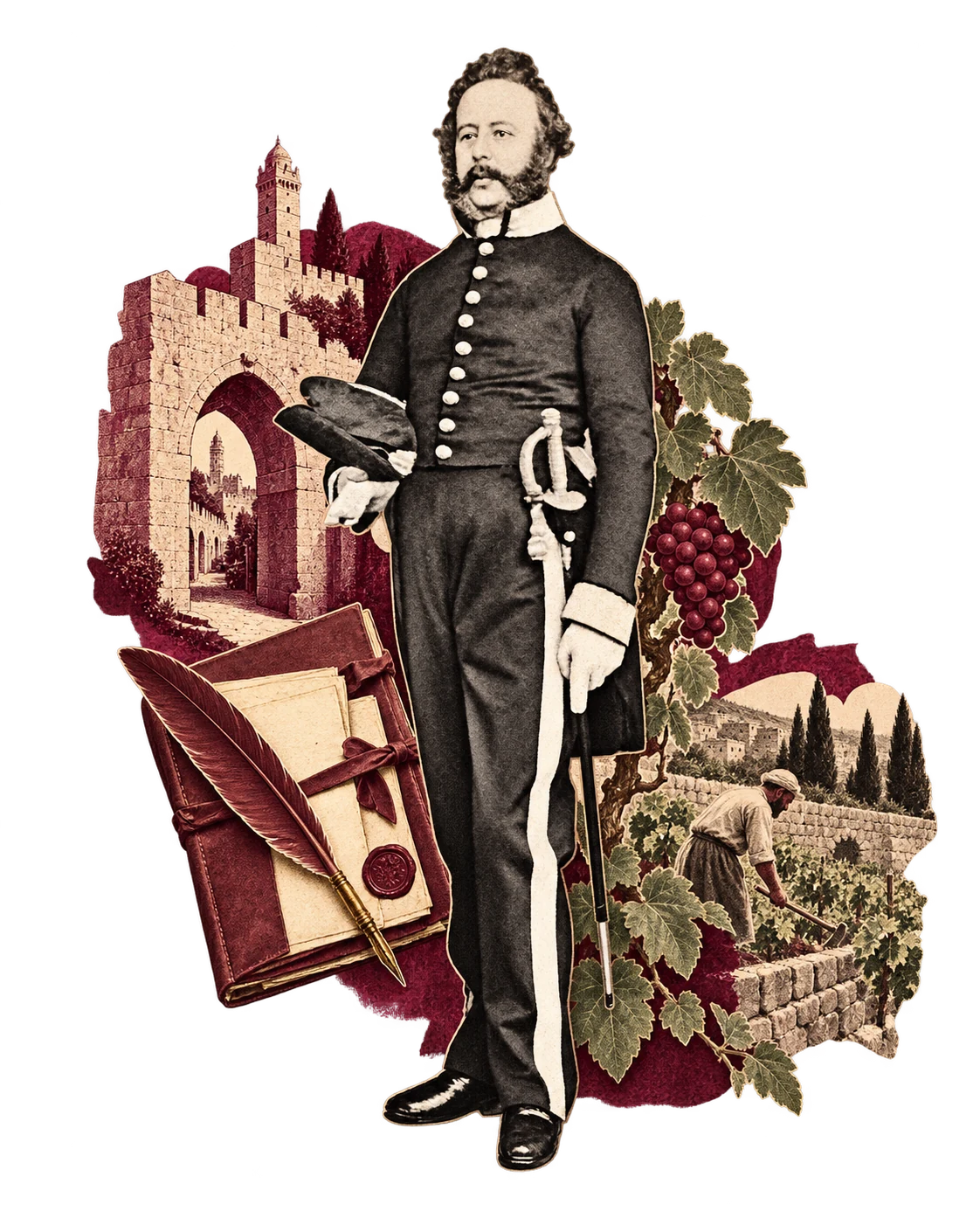
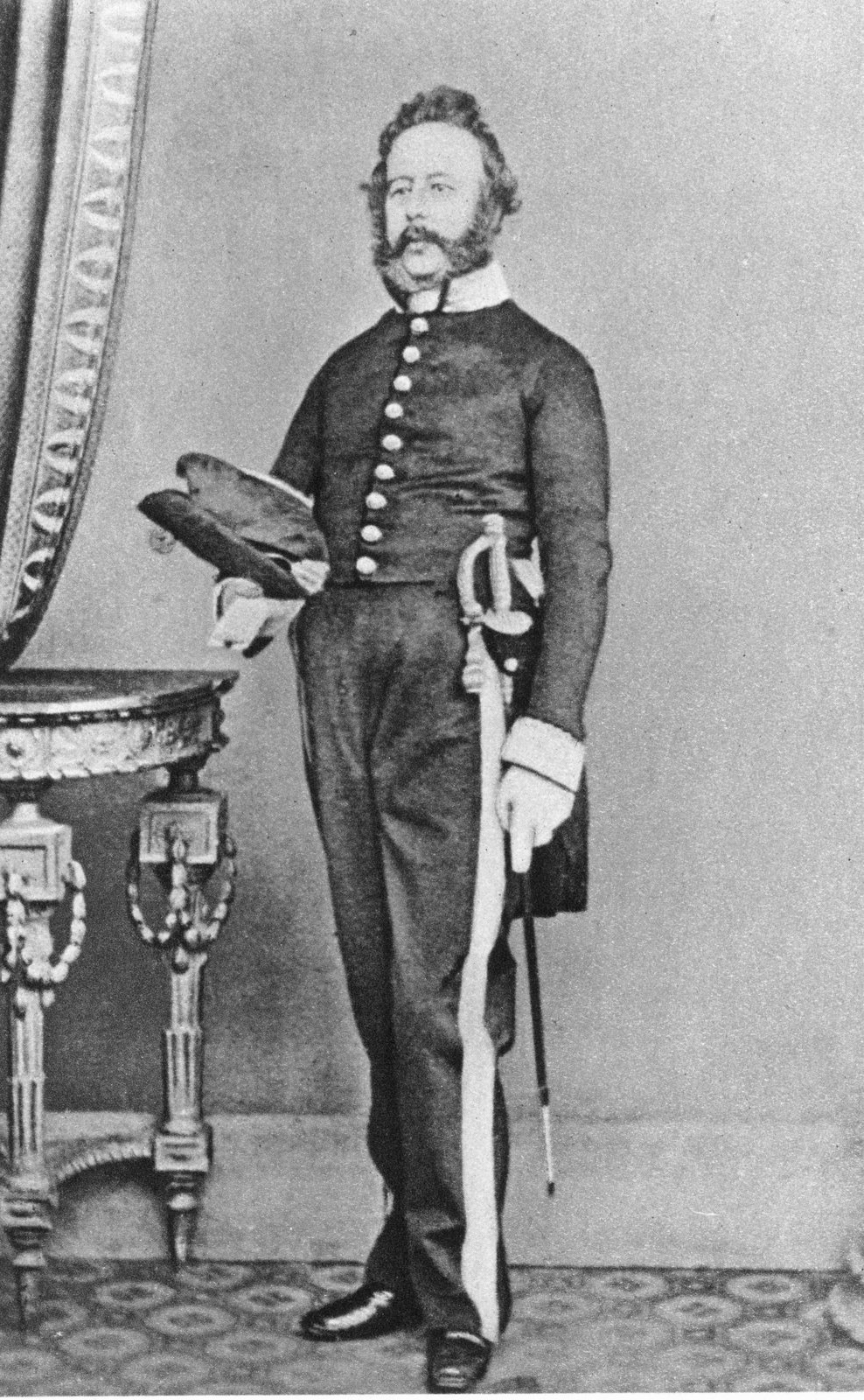
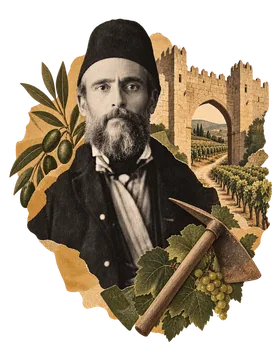
The third British consul in Jerusalem, he was one of the city's most colorful and active figures of his time. Together with his wife, Elizabeth Anne, he became known for helping Jerusalem's Jews.
From Childhood in London to a Mission
James Finn was born in London in 1806 to a devout Protestant family that was poor and had many children. His father was an Irish Catholic soldier who chose to join the Protestant Church. James attended a church school and excelled in his studies. From home, he was already familiar with the Bible and stories of the Land of Israel, the patriarchs, and the miracles of Jesus, his Messiah. He became very dear to Lord Clarendon, later Britain's foreign secretary, who nurtured the boy and paved the way for him to receive an education and attain status. As a young man, he worked as a tutor in aristocratic households, and during this period he began to take an interest in biblical figures, the Jews, and their religion. He also wrote several studies about the Jews, which he collected in two books: The Sephardic Jews and The Jews of China. During those years, he married for the first time, and the couple had a daughter, but both mother and daughter died soon afterward of illness. At the age of 35, he joined the London Society for Promoting Christianity Amongst the Jews and was elected to its committee.
In April 1845, Henry Newbolt, the British consul in Jerusalem, asked to retire. Lord Ashley, one of the leaders of the Missionary Society, considered James Finn a suitable candidate for the post, despite his complete lack of experience in the foreign service. The Foreign Office was not enthusiastic about the proposal, but against all odds - partly because no more suitable candidate could be found - Finn got the position. In November 1845, at the age of 39, James Finn was appointed British consul in Jerusalem, and that same year he married Elizabeth Anne.
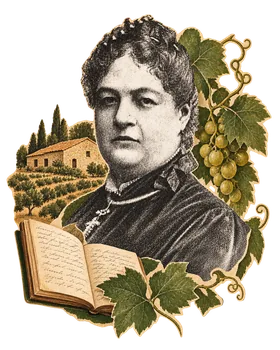
Elizabeth Anne was born in Warsaw in 1825. She was the daughter of Alexander McCaul, an Anglican missionary posted in Poland who worked among Catholics and Jews. The family traveled extensively, moving between Poland, Germany, England, Egypt, and other countries. These journeys exposed Elizabeth Anne to different languages, foods, customs, and cultures, enriching her knowledge. After they returned to England, Alexander became a sought-after lecturer on Christian and Jewish theology, and in 1837 he was awarded a doctorate in Jewish studies by the University of Dublin (Trinity College). He had a thorough command of Hebrew and, in the early 1840s, was active in establishing British missionary institutions in Jerusalem.
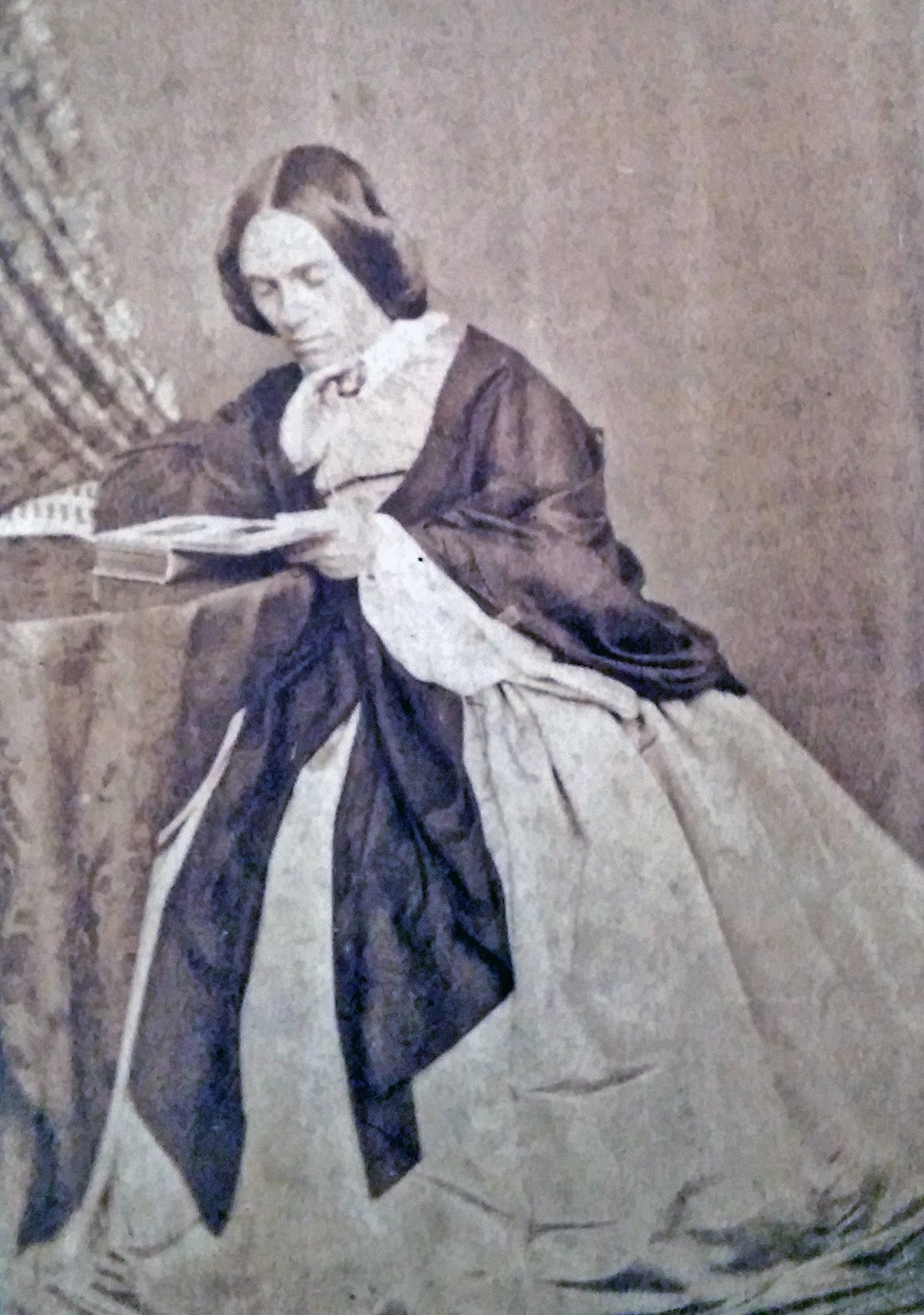
Elizabeth Anne was 19 years younger than James. She received no formal education; her teachers were her father and family friends. She was quick to learn, curious, and observant. She began learning Hebrew at the age of three in Warsaw, could read the Bible in English at four, and by adulthood spoke seven languages fluently, including Yiddish. At the age of 12, she translated Voltaire's maxims from German into English, and at that age she began teaching her friends Hebrew.
James Finn and Elizabeth Anne first met at an event celebrating the publication of James's book about the Jews of Spain. In January 1846, a few months after Finn's appointment as consul in Jerusalem, the couple married. In April of that year, they left England and traveled to Jerusalem for James to take up his new post. At home, the couple spoke Hebrew and Yiddish, and Elizabeth Anne expanded her knowledge of languages: she learned Ladino from their Jewish housekeeper and Arabic from the laborers. She was also a talented musician and played the organ at Jerusalem's Anglican church.
During their time in the country, James and Elizabeth Anne regarded protecting the Jews and assisting the Jewish community as their central purpose. They did not treat this as work, but as a calling, and devoted themselves to it as a monk devotes himself to his God. James thus earned the nickname "half-Jew." Some Jews suspected that his efforts were motivated by missionary aims and even accused him of abusing his position as consul to convert Jews. James himself vehemently denied the accusations, though that does not mean conversion had not been his original ambition. Even so, when one considers the Finns' work, it is hard not to be impressed that the fate of the Jews was close to their hearts, more so than the desire to convert them to Christianity.
Beyond the Walls of Jerusalem
When the Finns arrived in the country, they lived in the consul's residence in the Christ Church compound in the Old City, opposite the Tower of David. At the end of 1849, the couple bought land outside the walls; the Talbiya neighborhood would later be established on this land. This was the Finns' first purchase in Jerusalem and its environs. As a foreign subject under Ottoman law, James Finn could not buy land in his own name, so he used the services of Musa Tannous, an Egyptian-born Christian Arab and an Ottoman subject. A year later, Consul Finn informed British Foreign Secretary Palmerston of the land purchase and his intention to build a summer residence there, after discovering that his family's health had been affected by the fever prevailing in the city.
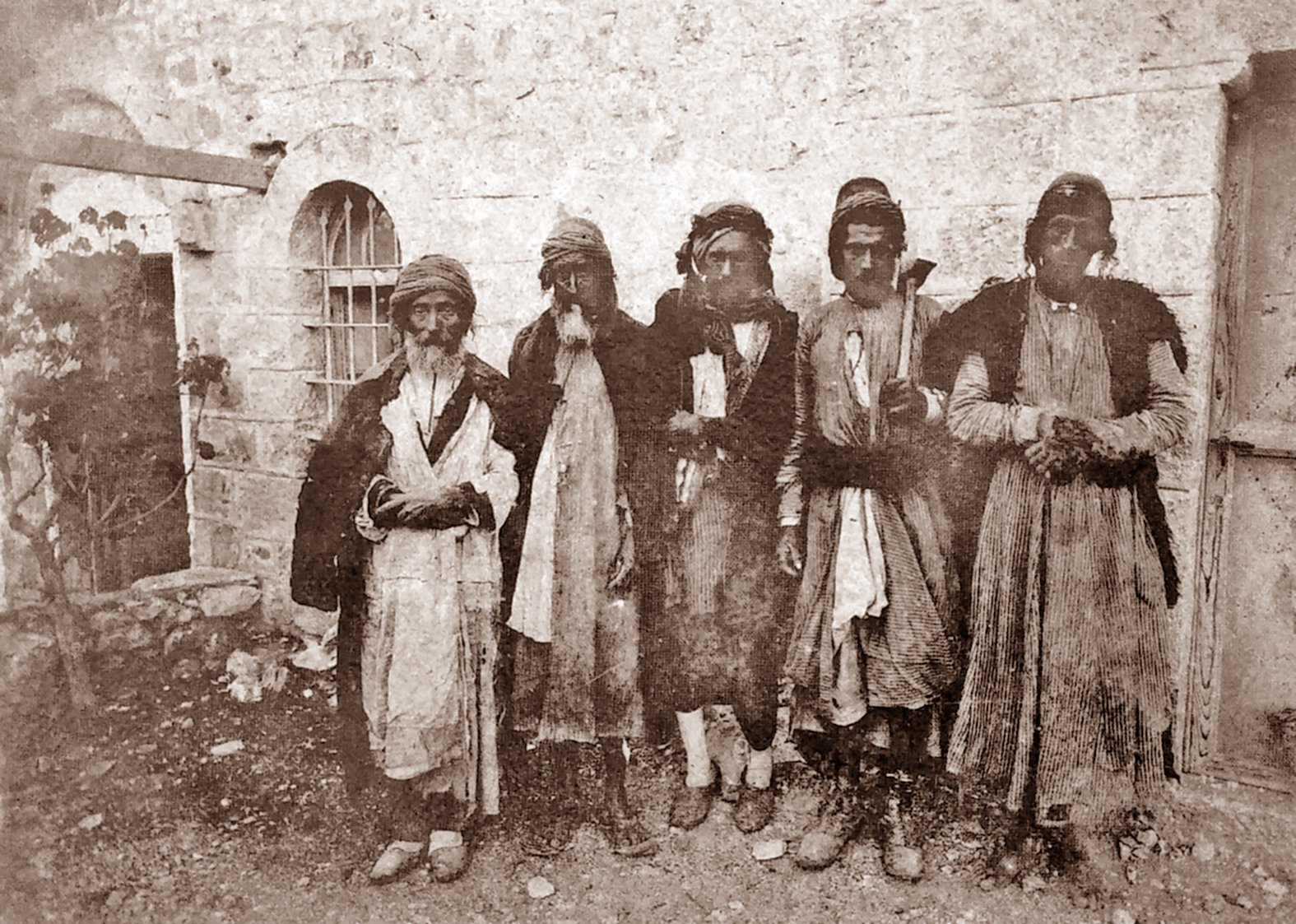
In doing so, James Finn became the first European to dare to live with his family a mile outside the city walls, and two of his houses are considered among the first built beyond them. In this project, the Finns employed more than a hundred Jews for whom this was their first job. Until then, many Jews had made their living from communal charity funds. They worked on the construction and ongoing maintenance of the Finn estate, acquiring skills and experience.
James Finn gathered his memoirs from his time as consul in a book edited by his wife, Elizabeth Anne, in 1878. He wrote: "The first attempt was to employ about fifty men in very simple work" (the book was translated into Hebrew by Aharon Amir and titled Itot Sufa). Before long, a stone house had been built, and orchards were planted around it. On the threshold was engraved in English: "Unless the Lord builds the house, its builders labor in vain" (Psalms 127:1). In time, Finn bought an additional parcel of land north of the estate, which was also used for farming. Maintaining the estate and employing the laborers cost a great deal, and as his debts grew, he considered selling his Talbiya property more than once, but was unable to do so.
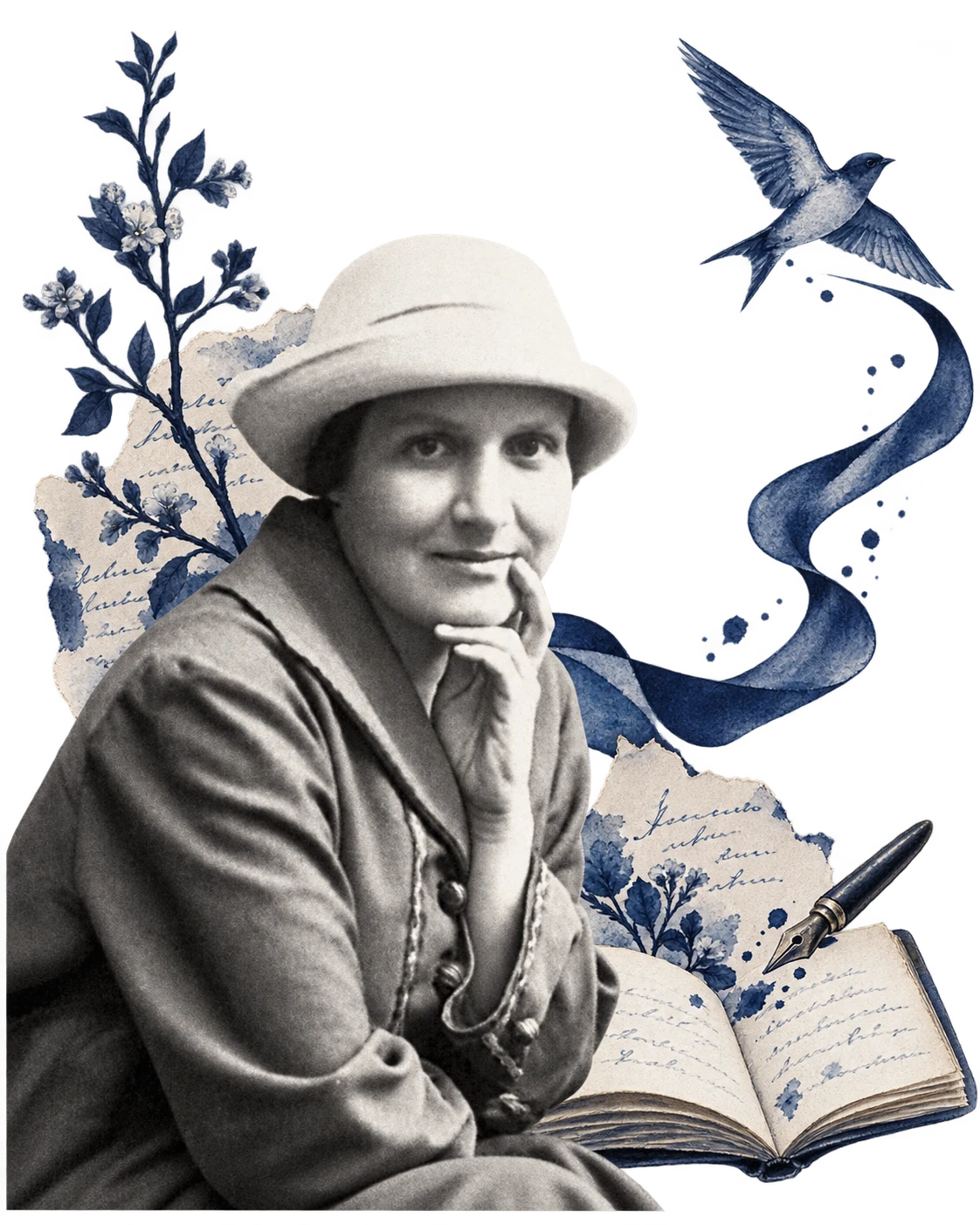
While the estate in Talbiya was being built, Elizabeth began painting Jerusalem's landscapes and also became one of the city's earliest photographers. She also wrote memoirs and articles about the Land of Israel and the Bible. Later, she helped found the Jerusalem Literary Society, which held cultural gatherings and sought to study the history of the Land of Israel in depth. The society effectively formed the nucleus of the Palestine Exploration Fund, established in England in 1865, which played a central role in the development of modern research into the country.
Abraham's Vineyard and Elizabeth's Work
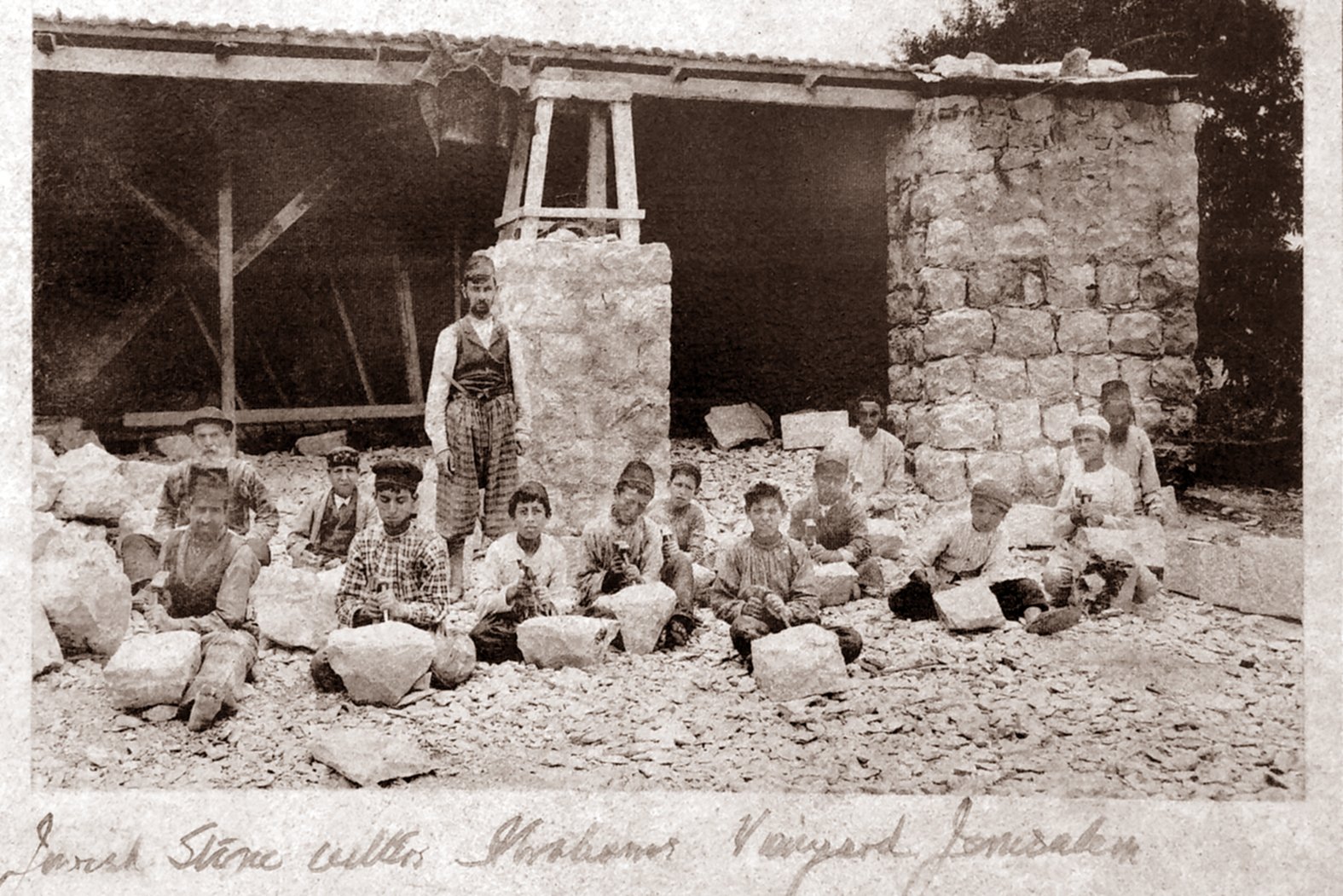
The Finns' next project was Abraham's Vineyard. The land was purchased in 1852 with the aim of turning it into an agricultural farm in the spirit of the Bible. James and Elizabeth were moved by the vision of Hebrew-speaking Jews cultivating the land of their forefathers, growing and eating the fruits of their labor. About a month after the purchase, 130 people were already employed in farming. They pressed grapes for wine, produced oil, made straw brooms, and grew lentils and fruit. To dispel suspicions about him and demonstrate the purity of his intentions, James Finn barred missionary societies from coming to the farm. The first synagogue outside the walls was established there. Yehoshua Yellin, one of the city's longtime residents, wrote in his memoirs that employing Jews at Abraham's Vineyard was distinctly philanthropic in nature. The goal was not work for work's sake, but charity through work; and to ensure that the work would not stop, they would demolish what they had built the day before and build it again in a different way.
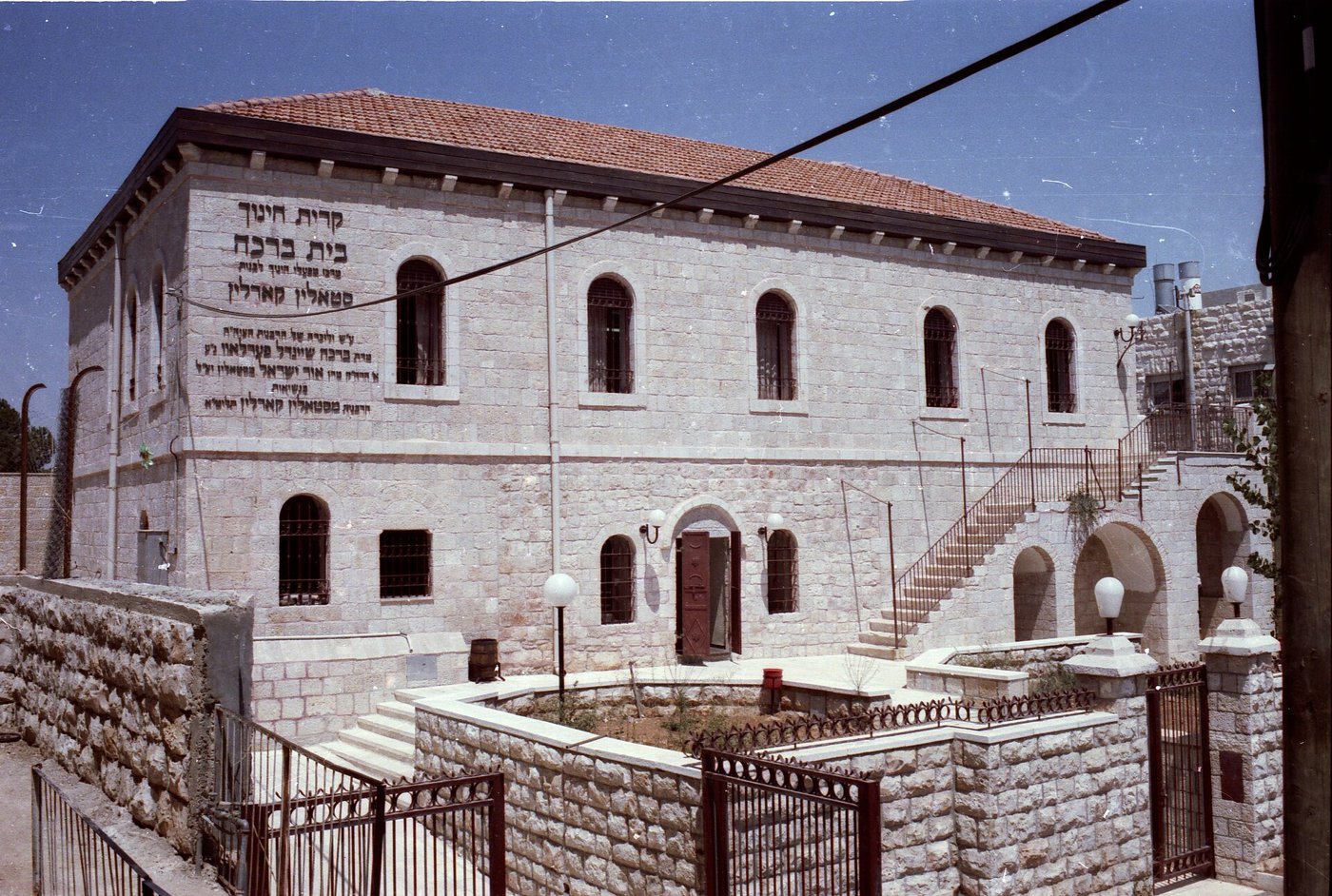
In 1855, a house for the Finn family was also built there. One researcher of the Land of Israel described it as "the first house built outside Jerusalem's walls by Jews for Jews." Inscriptions were carved on the water cisterns, including "Gather the people, and I will give them water." Above the entrance lintel were carved the words: "The fear of God is beneficial to all, in the year 1852" and "Give us this day our daily bread, in the year 1855." The words "The Vineyard of Abraham our father, in the year 5612 (1852)" were carved on the gate. The house, on Ovadia Street, still stands and serves as a school for Haredi girls. Before leaving the country, Finn sold the neighborhood to his workers. It still exists today within the Geula neighborhood. The poet Zelda and the writer Amos Oz, who describes his childhood there in his autobiographical book A Tale of Love and Darkness, grew up in the neighborhood.
Elizabeth employed Jewish women in her home to help her raise the five children born to her in the city. She also helped one of her friends establish a workshop for sewing and knitting that employed Jewish women. These activities provided work for both men and women, stirred the sleepy Jewish community into action, and inspired hope. In addition, Elizabeth took part in a charitable enterprise that distributed food and clothing to the poor and cared for the sick and women in childbirth. At first, she raised donations from her friends in England; when the donations ran out, she continued to fund the work from her own money.
Elizabeth Anne was among the first Christians to tour the Temple Mount. Her familiarity with the land, its climate, food, people, and culture led her to understand the Bible from a new perspective. This is how she described the Temple Mount as she saw it from the Mount of Olives: "The air on the mountain was exceptionally clear and healthy... I never truly understood what the Temple looked like until we looked down from the Mount of Olives at the Temple Mount compound. It lay at our feet, barely a quarter of a mile away. The sight of the sun rising early in the morning behind us and bathing Jerusalem in a wonderful pink light was magical. All the sounds of the city reached the place where we were staying: the sounds of celebrations or mourners' laments, calls to prayer from the minarets, and the ringing of the clock at the Latin monastery. More than anything, on Fridays we could see the crowds of Muslim worshippers flocking to the Temple Mount for the midday prayer... Particularly impressive was the sight of rows of worshippers prostrating themselves during prayer. In this way, we gained some idea of what the ceremonies held under the open sky in the Temple courtyard must have looked like, with hundreds of Levites singing and playing instruments and tens of thousands of Israelites in the vast courtyard, at whose center stood the great altar, from which the smoke of the sacrifices rose without cease, all in perfect order" (Elizabeth Anne Finn, Memories of Jerusalem and the Holy Land).
The Experiment at Artas
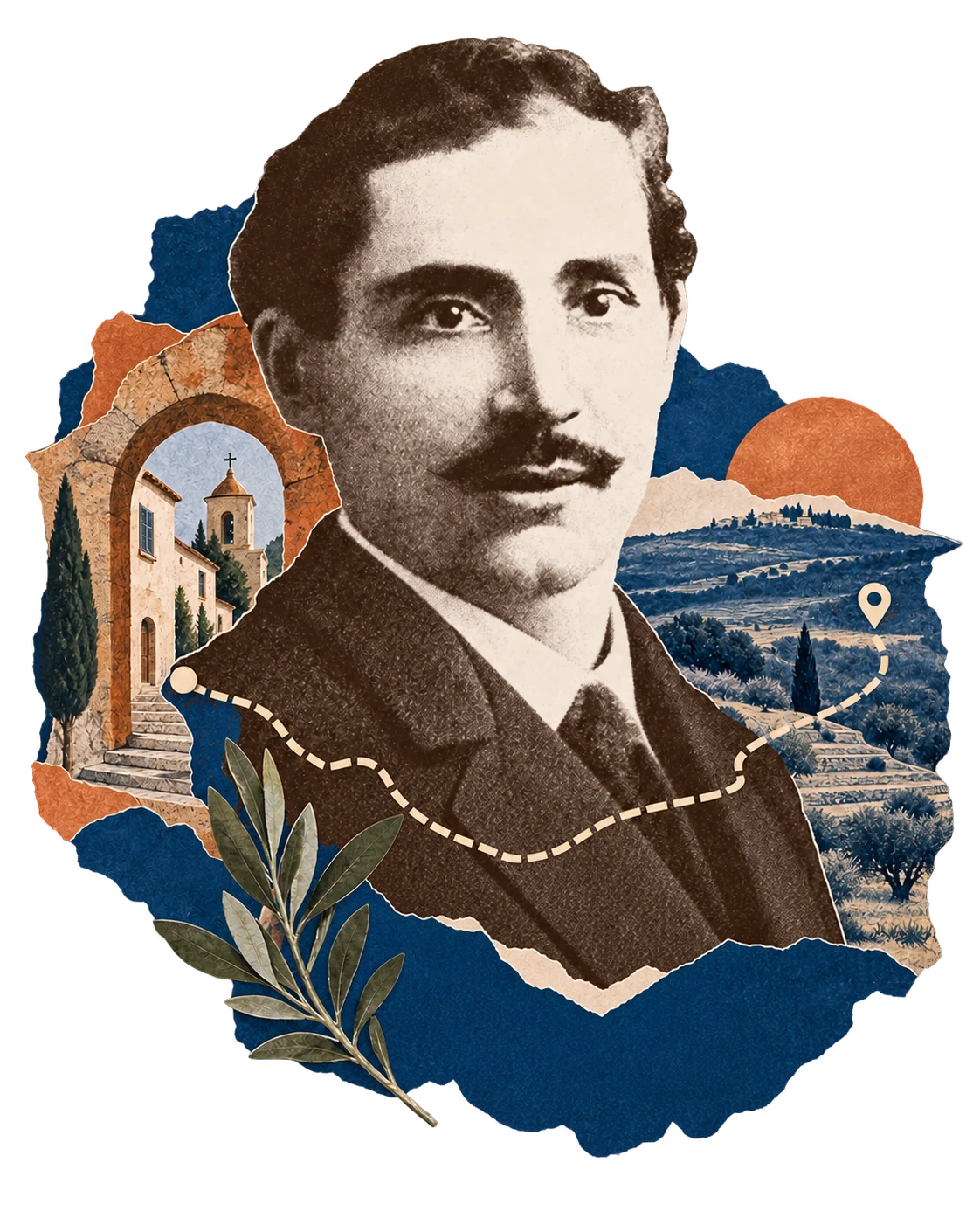
The couple's third project was the settlement at Artas, near Solomon's Pools, south of Bethlehem. In 1850, the couple bought the land, this time with the aim of establishing an agricultural farm that would serve as the nucleus of a settlement of "Jewish Christians," meaning converts. The driving force behind this project was a Jewish convert named John Meshullam. John Meshullam was born in London in 1799 to a wealthy Jewish family. In 1818, he went to Greece as a companion to Lord Byron, one of the great English Romantic poets, and from there traveled to Jerusalem. He set out on journeys around the world and learned many languages. Around this time, he began to take an interest in Christianity. In Genoa, he married the daughter of a prominent Jewish merchant, then moved to Tunis and Malta, where he and his wife were baptized as Christians in 1840 by Gobat, who would later become bishop of Jerusalem. In 1842, Meshullam arrived in Jerusalem as a Protestant British citizen with considerable property. In Jerusalem, he opened the city's first European hotel, became interested in agriculture, and sought a suitable place to realize his plans. He joined forces with Consul Finn, and together they began their work at Artas. Several laborers who had converted to Christianity and an American woman named Clorinda Minor, a member of the Messianic group, came with John Meshullam. Minor arrived with what was then modern farming equipment and a supply of fruit and vegetable seeds, and bought additional land. The joint farm sold fruit and vegetables in Jerusalem at a handsome profit. Its crops included produce not previously seen in the Land of Israel - peaches, potatoes, and tomatoes. In 1852, following internal disputes, Minor left the farm and established the Mount Hope farm, on the site of today's Shevach School, near Jaffa.
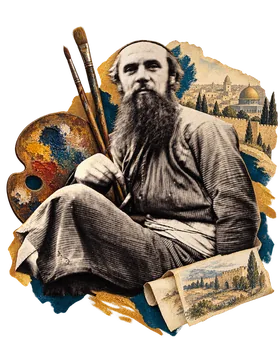
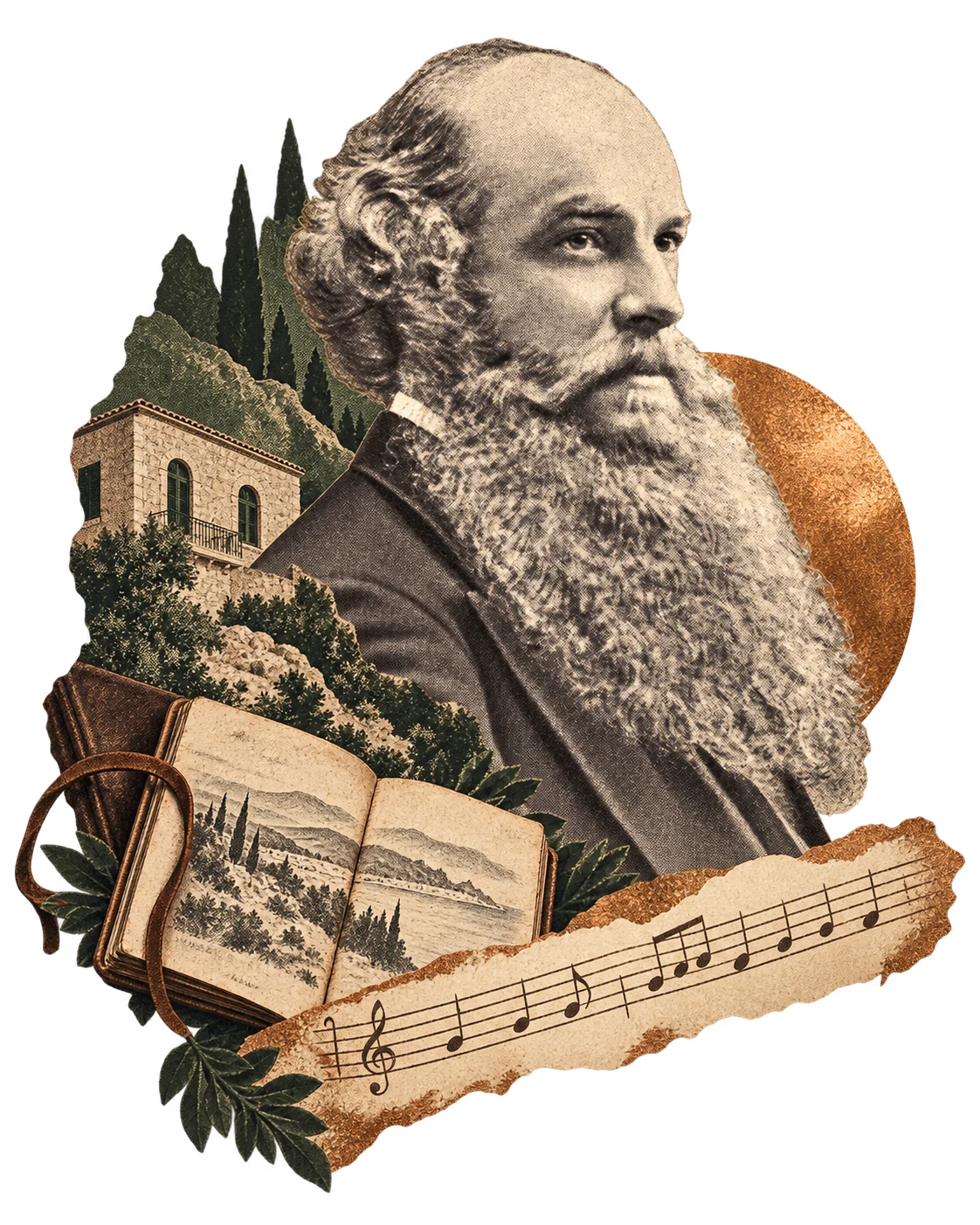
Henry Wentworth Monk, a Canadian farmer who preached the return of the Jews to their homeland and the establishment of political independence, and the painter William Holman Hunt also visited and worked at the farm in Artas. The purchase of land in Artas ultimately proved an economic failure. In 1860, the farm closed following a three-way dispute between John Meshullam, the American Clorinda Minor, and the British Consul Finn, which also led to a diplomatic dispute between the British and American consulates.
The Finns' fourth and final project was the purchase of land in Paghur, southwest of the village of Artas. All these purchases were viewed with hostility by the Greek Orthodox Church. Finn believed that the Greek Orthodox Church sought to create a ring of land around the city walls and that he was getting in its way, leading to friction with the Church and with Jerusalem's Ottoman pasha.
Farewell to Jerusalem and the Legacy
Consul James Finn, who came from a poor family, could not afford all these purchases and fell into debt. His humble origins gave him an inferiority complex, which led him to behave arrogantly, harshly, and stubbornly. This difficult temperament, combined with his sense that he was carrying out a mission rather than an ordinary diplomatic job, and his wife's determination at his side, led him to behave in ways not expected of a consul.
Over the course of 17 years, he managed to fall out with everyone he dealt with: the rabbis feared his missionary motives, the mission saw him as a rival, he clashed with representatives of other powers and with the city's rulers, and, of course, with the businesspeople to whom he owed considerable sums. Years later, William Hough (W. Hough) described him this way: "At times too serious; at times somewhat ridiculous in his self-esteem. Yet a man of intense religious conviction; a firebrand for justice and the achievement of justice." He also added: "Perhaps the most impressive personality ever to hold this position."
Finn was rightly reprimanded and warned by four different foreign secretaries. The British government sent investigators to Jerusalem three times to examine his actions, and in 1862 it was decided to end his term. On July 17, 1863, the day he left the country, he wrote in his diary, overcome by a deep sense of hurt and frustration: "And here ends my Syrian career of 17 years. I have acted and suffered much during that time. May God forgive all the mistakes I have made. I know of no crime. I know that I have steadfastly defended, with a strong mind and hand, the honor of my country. Farewell to my plans for working the land for the Jew, which I cherished and which were thwarted by the bishopric and the Jewish mission. Farewell to my old friends buried in the cemetery on Mount Zion. Farewell to my two daughters, one buried here and the other at the foot of Carmel. Farewell to my hope of being buried myself in Jerusalem."
James Finn was devoted to his post and, during his 17 years in Jerusalem, never once took leave in England. Humiliated and betrayed, he returned to England and, nine years later, in 1872, died in poverty, longing deeply for the Holy Land.
Elizabeth Anne lived a long life and died in 1921 at the age of 96. In her later years, she continued her public activity, charitable work and assistance to those in need, writing studies and memoirs, and publishing James's memoirs of the Land of Israel. Unlike James, whose name was commemorated on a street in Abraham's Vineyard and appears in accounts of the city's 19th-century history, Elizabeth Anne did not receive the remembrance she deserved. Only Naomi Shemer's song "Sunrise in Jerusalem," named after one of the books Elizabeth Anne wrote, preserves at least a little of her extraordinary character.

תגובות
עדיין אין תגובות.